-fotor-bg-remover-20251211141935.webp)
-fotor-bg-remover-20251211143525.webp)
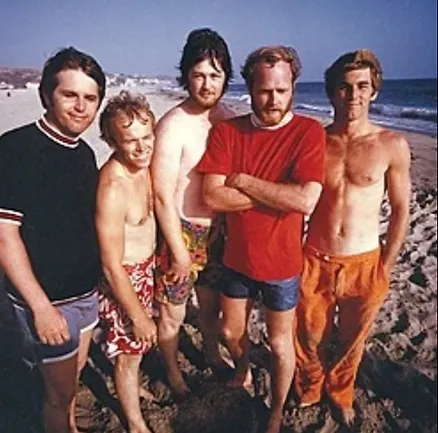
It started in a modest family home in Hawthorne, California — a sun-bleached suburb just a few miles inland from the Pacific, where the roar of the waves was more a dream than a sound you could hear from the street.
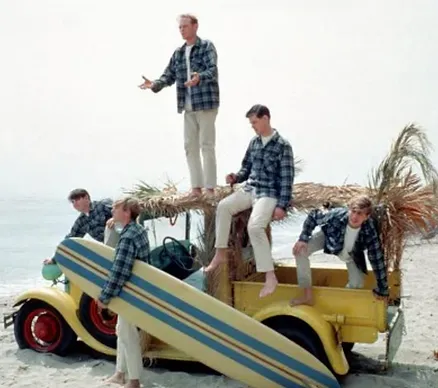
In that house lived three brothers — Brian, Dennis, and Carl Wilson — raised by their strict, music-loving father Murry Wilson and their mother Audree. Music hung in the air of the Wilson home.
Their father had once written songs himself, and their mother taught Brian to harmonize as a little boy. The radio constantly played everything from big band to early rock and roll. And in Brian’s head, complex arrangements and lush harmonies swirled — even as a child, he could hear how voices should blend.
Brian was the eldest, the quiet genius. Carl was the youngest, a gentle boy with an ear for the guitar. Dennis — the middle brother — was the wild one, always drawn to the ocean. It was Dennis who first suggested that they should write songs about surfing, though he wasn’t much of a musician himself.
Meanwhile, Brian’s cousin Mike Love was a regular presence at their home — boisterous, full of swagger, with a natural gift for singing lead and writing lyrics. And then there was Al Jardine, a high school friend of Brian’s, who loved folk music and played the guitar and stand-up bass.
In the early 1960s, rock and roll had already exploded. Doo-wop, rhythm and blues, Elvis, Chuck Berry — this was the music of the youth. But surf culture was becoming the new thing in California — surfboards, hot rods, and beach parties. Yet nobody had really written the soundtrack to that world. Not yet.
Brian had a cheap reel-to-reel tape recorder. At home, he would gather Mike, Carl, Dennis, and Al into the living room or the bedroom and have them sing harmonies over and over.
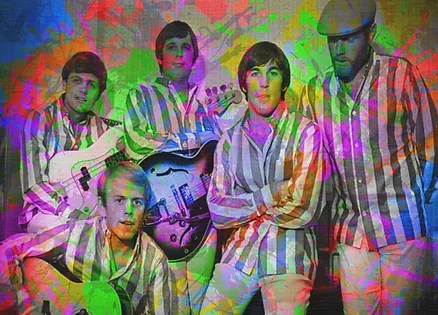
He meticulously arranged the vocal parts, inspired by groups like The Four Freshmen and The Hi-Los. Their first rough song, with Murry acting as both supporter and harsh critic, was called “Surfin’.” They recorded a demo in Brian’s living room, complete with makeshift percussion.
Murry, sensing the boys might have something, took the tape around to local record labels. Eventually, he landed a deal with a tiny Los Angeles label called Candix Records, which agreed to release "Surfin’" as a single — but first, the group needed a name.
They weren’t called The Beach Boys yet. At first, they were going by The Pendletones, named after the wool Pendleton shirts that surfers loved to wear. But when the record was pressed, the label — without asking — printed the name The Beach Boys on the single.
And that was that. A name born not from the band, but from a marketing man thinking about California dreams.
When "Surfin’" got some airplay on local radio in late 1961, the boys were thrilled. They had no real manager, no tour schedule. Just a hit single bubbling up. The next step was obvious — they needed to perform live.
Their very first gig came on New Year’s Eve, 1961, at the Ritchie Valens Memorial Dance in Long Beach. They were nervous. They had never performed together on stage. They had hardly rehearsed a full set. The equipment was borrowed. Brian was terrified — he was more comfortable in the studio than on stage. Dennis, true to form, was full of confidence. Mike played the frontman naturally.
When they hit the stage, surrounded by other local acts and teenagers ready to dance, the harmonies clicked. The crowd responded. The Beach Boys, barely formed, had taken their first real step from garage-band dreamers to California’s soon-to-be-soundtrack.
From that one night, they would go on to ride the crest of the biggest wave in American pop music.
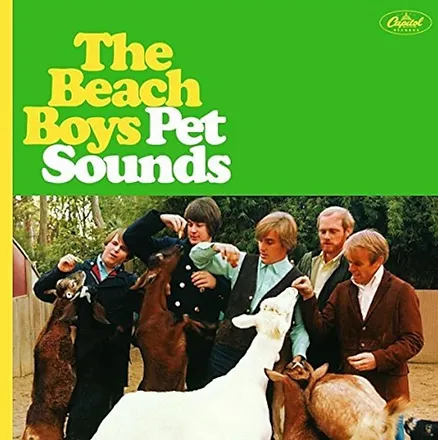
In 1965, the waves were shifting.
Brian Wilson, the sonic architect of The Beach Boys, was no longer interested in surfing songs or cars. His body refused the grind of the road — panic attacks had grounded him, while the band toured without him.
But Brian wasn’t idle.
In his Los Angeles home, and in the labyrinth of California studios, he was dreaming of something more. Rock and roll had grown up. The Beatles’ Rubber Soul had shown Brian that albums could be more than just a collection of hits — they could be statements, unified works of art.
And so Brian, at just 23, made a bold choice: while the rest of The Beach Boys kept performing, he would stay behind and build a new sound — something beautiful.
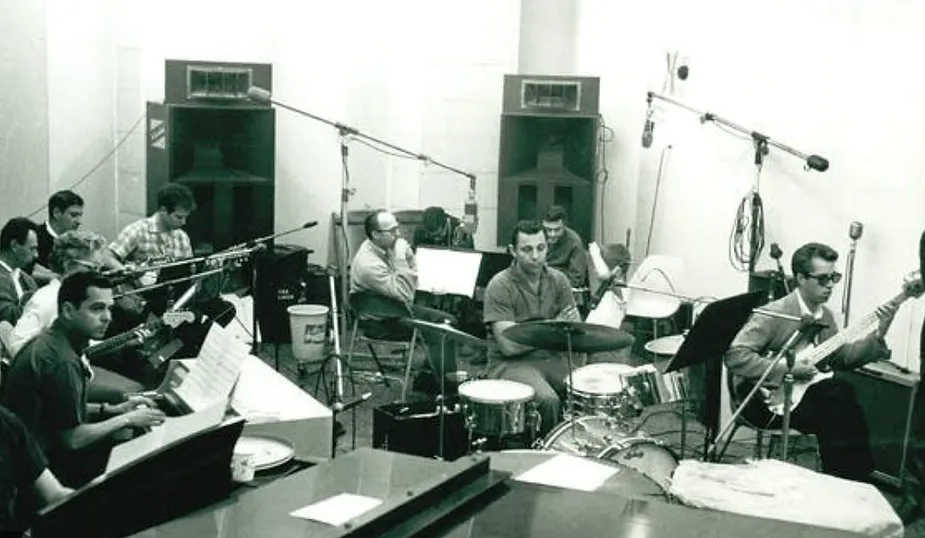
He called upon the Wrecking Crew, LA’s finest session musicians.
They were veterans of Phil Spector’s towering productions. Brian began working in blocks — laying down elaborate instrumental tracks first, often without the band even present.
Into the studio he brought instruments pop music had rarely touched:🪕 Banjo🎻 Strings🎷 Bass harmonica🎺 French horns📣 Coca-Cola cans, bicycle bells, dog whistles
He layered sounds like an Impressionist painter — textures, colors, emotions.
The songs weren’t about surfing anymore. They were about love, loss, yearning, and wonder. They were about growing up.
Brian partnered with lyricist Tony Asher, an ad man with a poet’s touch. Together, they crafted words to match the fragile beauty of Brian’s melodies.
“Wouldn’t It Be Nice” opened the album with pure youthful longing — the ache of young love wishing for a freer future.
“God Only Knows” became one of the most haunting love songs ever written — spiritual, open-hearted, uncertain and true.
“Caroline, No” closed the album with a devastating sense of loss — the voice of a young man watching innocence fade.
Into the studio he brought instruments pop music had rarely touched:🪕 Banjo🎻 Strings🎷 Bass harmonica🎺 French horns📣 Coca-Cola cans, bicycle bells, dog whistles
He layered sounds like an Impressionist painter — textures, colors, emotions.
The songs weren’t about surfing anymore. They were about love, loss, yearning, and wonder. They were about growing up.
Released in May 1966, Pet Sounds was not an instant smash in America. Capitol Records didn’t quite know how to market it. The band’s youthful fans were expecting surf and fun; instead, they found introspection and art.
But among musicians and true listeners, the album landed like a thunderclap.
The Beatles, stunned by its beauty, listened to it obsessively. Paul McCartney would later say that Pet Sounds directly inspired Sgt.
Pepper’s Lonely Hearts Club Band — and called “God Only Knows” "the greatest song ever written."
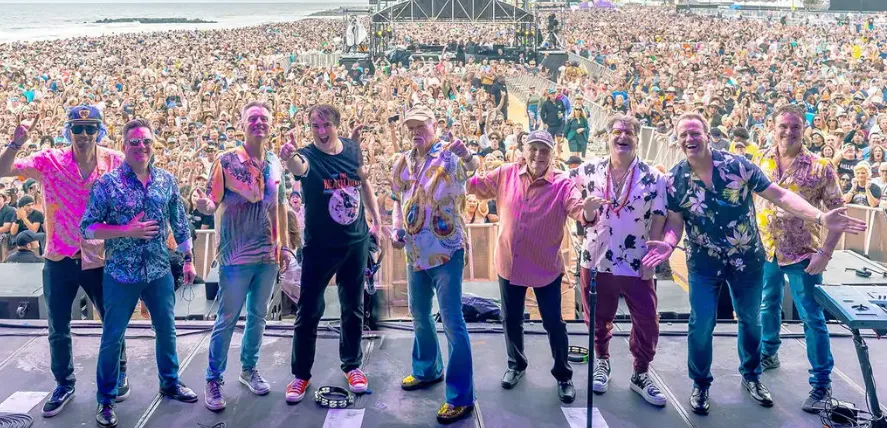
Across the Atlantic, producers, arrangers, and songwriters heard new possibilities:— Albums could be art.— Production could be as creative as the songwriting itself.— Pop could contain genuine emotional depth.
In America, even critics who’d written off The Beach Boys as a teen fad now hailed Brian Wilson as a genius.
Over time, Pet Sounds became one of the most celebrated albums in history.
It influenced not only The Beatles, but The Byrds, Pink Floyd, Radiohead, and countless others. Modern pop owes its rich production and album-oriented mindset to the path Brian blazed.
And perhaps more than anything, it proved that pop music — simple, joyous pop — could express the deepest human emotions.
From a bedroom in Hawthorne to the ears of the world, Brian Wilson had surfed the greatest wave of all: the wave of the human heart.
Pet Sounds had shown the world a new side of The Beach Boys.But for Brian Wilson, it wasn’t enough.
In his mind, an even greater album was waiting — a project called Smile.
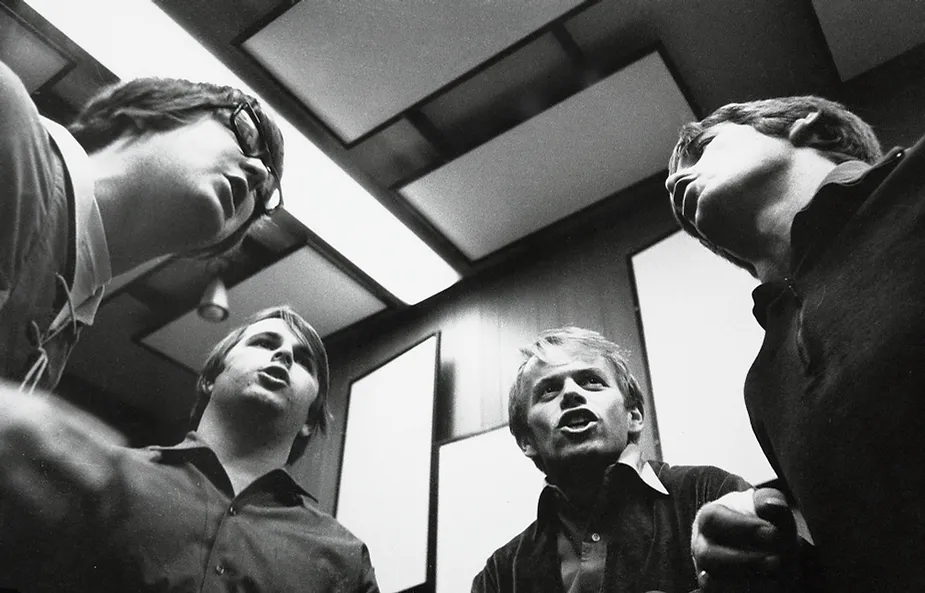
It would be his teenage symphony to God — a cosmic pop album that fused Americana, humor, spirituality, and avant-garde soundscapes. Brian pushed himself harder than ever, obsessing over modular recording (building songs from fragments), layering wild sounds, and experimenting with drugs.
The sessions were brilliant — and chaotic.“Good Vibrations,” pulled from these sessions, became a #1 single and one of the most innovative pop records ever made.
But Smile, the album, started to collapse.
Brian’s mental health deteriorated under the pressure.Capitol Records grew impatient.The band grew uneasy — they didn’t fully understand Brian’s vision.
By May 1967, Smile was abandoned. Brian retreated further into his bedroom, withdrawing from leadership. The most anticipated album in the world had vanished.
To fill the void, The Beach Boys hastily recorded Smiley Smile, a stripped-down, lo-fi record using pieces of Smile. It was quirky and charming — but left the world confused.
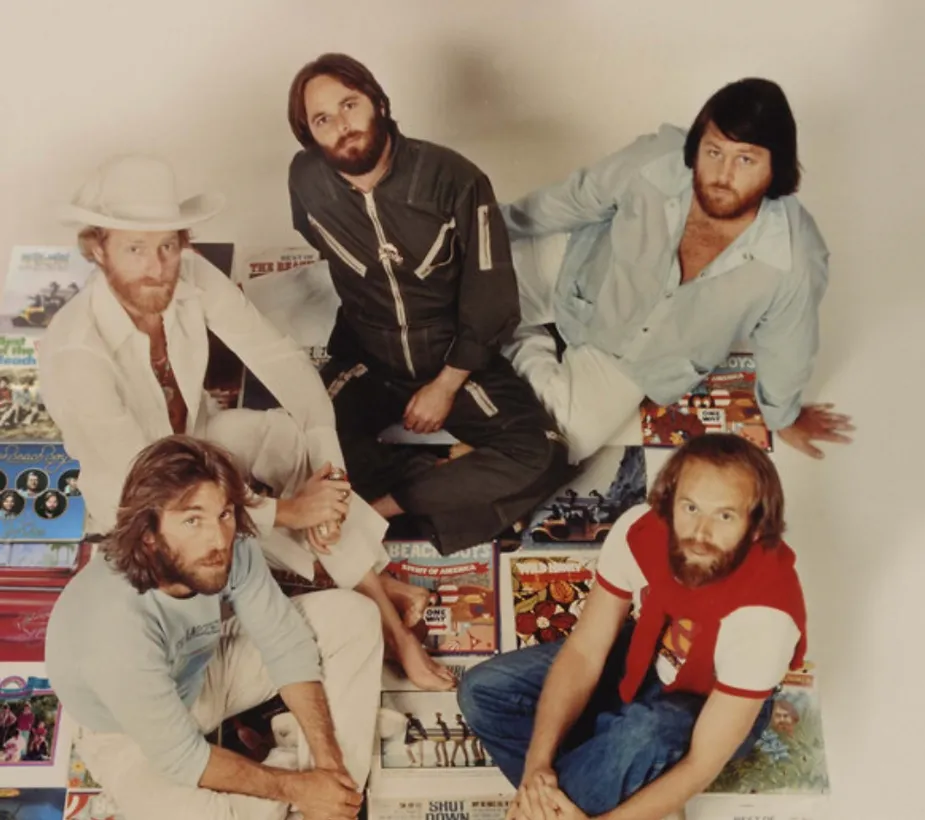
Meanwhile, rock had changed.Sgt. Pepper had arrived. The psychedelic era was in full bloom.The Beach Boys, once America’s coolest band, suddenly felt old-fashioned.
Their planned appearance at the Monterey Pop Festival was canceled — a devastating blow to their hipness.
As Brian withdrew, the other members began to step up.Carl Wilson quietly became the band’s de facto leader in the studio.Dennis Wilson, once the surfer playboy, emerged as a soulful songwriter.Mike Love explored Eastern spirituality and the band toured extensively, especially abroad.
They recorded Friends (1968), a gentle, introspective album full of understated beauty. Commercially, it struggled. But it marked the start of a more democratic Beach Boys.
Then came 20/20 (1969), a grab-bag album that included haunting remnants of Smile (like “Our Prayer” and “Cabinessence”) and gritty new songs.
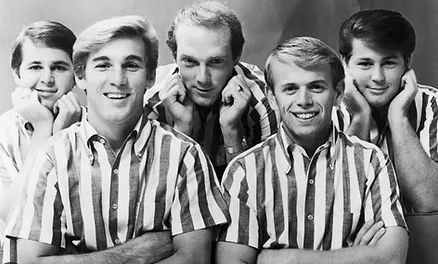
Dennis contributed the aching “Be with Me” and the haunting “Never Learn Not to Love” — the latter originally written by his strange new acquaintance: Charles Manson.
Yes — Dennis had befriended Manson and his followers before the infamous murders. When things turned dark, Dennis fled in fear. The episode would haunt him for years.
Rock had now fully changed. Psychedelia had passed. The Beatles were breaking up.Yet The Beach Boys refused to fade.
In 1970, they released Sunflower, an astonishingly good album — many critics consider it their strongest post-Pet Sounds work.
It wasn’t just Brian anymore:Carl’s tender “Long Promised Road” and “Feel Flows” showed his depth.Dennis’ “Forever” became a fan favorite — raw, romantic, real.
But Sunflower flopped commercially in the U.S. Capitol Records didn’t know how to market The Beach Boys in the age of Led Zeppelin.
In 1971, they switched to Reprise Records. Their first album there, Surf’s Up, reclaimed critical respect.The title track, another Smile-era masterpiece, finally saw the light of day.The album reflected an older, wiser Beach Boys — now addressing the environment, aging, even existential dread.
Carl had become the band's center, while Dennis shone ever brighter as a songwriter.Brian, fragile and reclusive, contributed occasional brilliance.
In 1972, the band made another bold move: they relocated to the Netherlands to record Holland, hoping the change of scenery would inspire Brian.
The album, released in 1973, was rich with atmosphere. “Sail On, Sailor,” a soulful anthem, became a late-career hit.
Though Brian’s presence was limited, his haunting “Mt. Vernon and Fairway” fairy tale showed flashes of his otherworldly genius.
By 1973, The Beach Boys had weathered immense change:
From surf kings to avant-garde dreamers
From a Brian-led band to a true ensemble
Through mental health struggles, shifting lineups, and cultural irrelevance — back to respect
They weren’t chart-toppers anymore — but they were artists.And they were survivors.
A band that could have drowned after Smile instead found new voices, new harmonies, new truths.
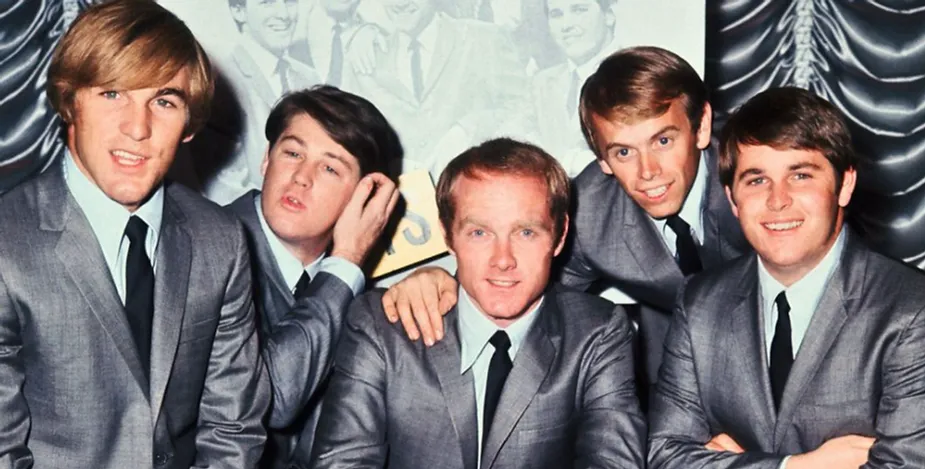
And though the next waves would be even stranger (the 70s had many surprises left), The Beach Boys had already proven one thing:
A band born of the sea could always learn to sail new waters.
By 1973, The Beach Boys were a band of contradictions.
They had just released Holland, a deeply artistic record born from their exile in the Netherlands. Critics admired it. Sales were modest.Brian Wilson, once the driving force, was a fragile figure — obese, withdrawn, wrestling with drugs and mental illness.Carl Wilson had become the band’s quiet captain.Dennis was emerging as a passionate, tortured songwriter.Mike and Al wanted to keep the band afloat commercially.
It was an odd moment: artistically alive, commercially adrift.
Then came an unexpected twist.
Their label, sensing opportunity, released a greatest hits compilation: Endless Summer.
The double album of early Beach Boys hits — Surfin’ U.S.A., Fun, Fun, Fun, I Get Around — landed like a sunbeam in the mid-70s. America, weary from Watergate and Vietnam, embraced the nostalgia.
Endless Summer went multi-platinum.Suddenly, The Beach Boys were hip again — not as innovators, but as a symbol of a simpler, sunnier time.
The band pivoted hard toward this image.Out went the introspective art of Holland.In came packed arenas of fans ready to relive their youth.
The public still yearned for Brian. The myth of the tortured genius grew.
In 1976, The Beach Boys released 15 Big Ones, hyped as “Brian is Back!”Brian contributed new recordings — some covers, some originals.But he was shaky, both personally and artistically. His vocals were rough, his spirit wounded.
Yet fans responded. The comeback worked — commercially, if not artistically.The tour that followed was a triumph — sold-out shows across the country.
Then came a glimmer of the old Brian magic.
In 1977, The Beach Boys released Love You, a strange, heartfelt album written and mostly performed by Brian.
The sound was raw, synthetic, and utterly personal — Brian on primitive synthesizers, singing about Johnny Carson, roller skating children, and tender love.
Critics were divided. Some heard a madman’s diary, others a brilliant, brutally honest masterpiece.
Either way, it was Brian’s truest artistic statement in a decade.
But behind the sunny stage image, the band was fracturing:
By the late 70s, The Beach Boys were headlining massive shows — sometimes without Brian or Dennis, sometimes as a fractured machine still riding the wave of Endless Summer.
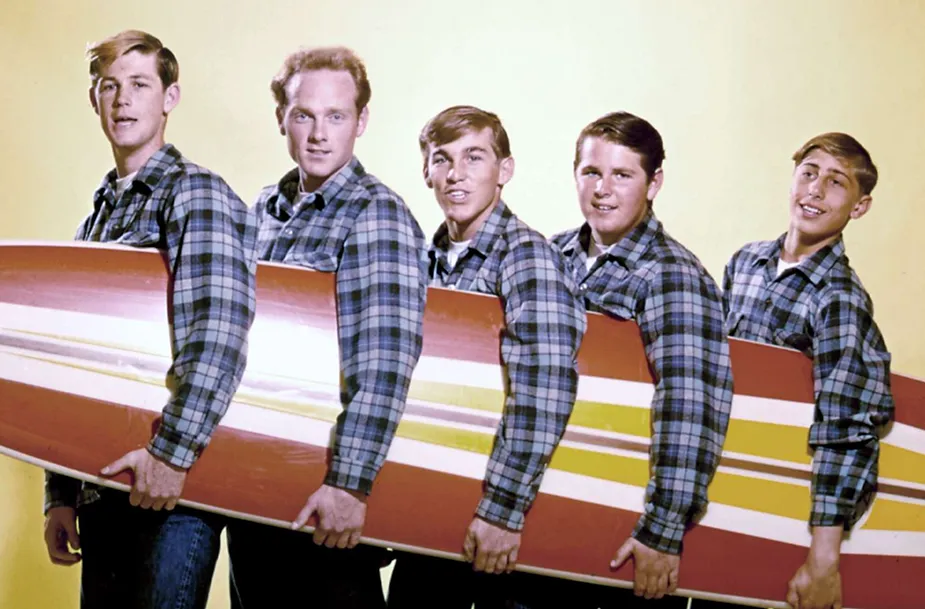
Critically, they were often dismissed.Artistically, they were adrift.But commercially, they were bigger than ever.
By 1980, The Beach Boys were an American institution:
✅ A beloved live act
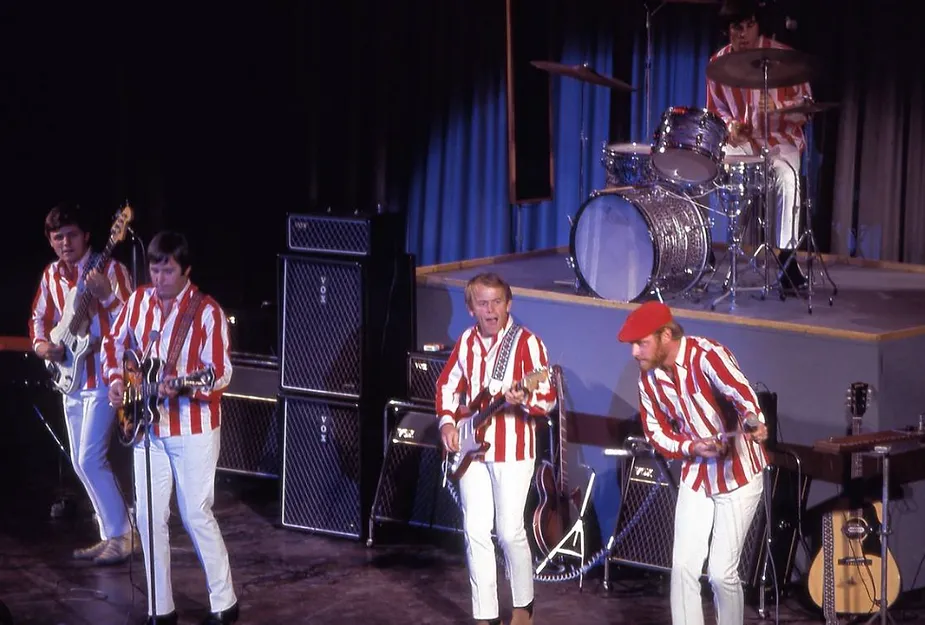
✅ A band whose image — striped shirts, hot rods, sun and surf — had become an eternal part of pop culture
✅ A family — bruised, divided, but still harmonizing onstage
Brian was mostly lost to drugs and illness.Dennis was a brilliant, haunted figure drifting toward tragedy.Carl carried the artistic flame.Mike and Al kept the business alive.
And the music? The music, somehow, endured.
Wouldn’t It Be Nice, God Only Knows, Surfin’ U.S.A., Good Vibrations — those harmonies still soared, timeless as the sea.
The Beach Boys had survived one of the most turbulent decades in rock.And though the 80s would bring new storms, their place in musical history was already secure:
A band born of brotherhood, battered by fame, saved by song.
The new decade began with The Beach Boys at a strange crossroads.
They were bigger than ever on stage — a hugely successful nostalgia act, drawing massive crowds across America.
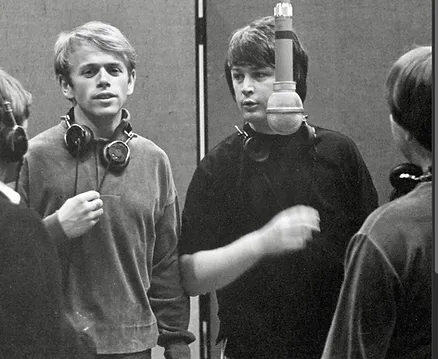
But offstage, they were fragile — held together by habit, not harmony.
Brian Wilson was a ghost of his former self, often under the control of shady handlers and dangerous doctors.Dennis Wilson was spiraling — drowning in alcohol and heartbreak.Carl Wilson remained the band’s musical soul, but even he grew weary of the oldies machine.
Mike Love and Al Jardine drove the touring juggernaut forward — ever the businessmen of the band.
Their concerts were blockbusters, but their recordings were uninspired.
In 1980, they released Keepin’ the Summer Alive — the title said it all. They were keeping it alive, not creating anew.
Brian’s contributions were minimal. Carl’s passion was dimming. Dennis was missing sessions entirely.
Meanwhile, Dennis’ personal life unraveled. His marriage failed. His health deteriorated. His solo masterpiece, Pacific Ocean Blue (1977), remained his one great solo statement — he never finished a follow-up.
Then came the heartbreak.
On December 28, 1983, Dennis Wilson drowned at Marina del Rey.
He had been homeless at times, estranged from the band, drinking heavily. That day, after diving from a boat and retrieving personal items from the ocean floor, Dennis slipped beneath the water — and never resurfaced.
He was 39.
Dennis, the band’s only real surfer — the wild, beautiful spirit of The Beach Boys — was gone.
The loss devastated the group. On stage, they dedicated shows to him.Offstage, the cracks deepened.
In the mid-80s, Brian Wilson fell under the sway of Dr. Eugene Landy, a controversial therapist. Landy exerted near-total control over Brian’s life, diet, relationships, and music.
The public was told “Brian is back” — but it was a strange version of Brian, heavily medicated and manipulated.
The Beach Boys, meanwhile, stumbled forward.
They scored an unexpected #1 hit in 1988 with “Kokomo,” from the film Cocktail.The song — slick, breezy, and far from their 60s art — became their biggest hit in years.Critics winced. Fans embraced it. The band was back on the radio.
Yet beneath the success, tensions simmered. Lawsuits, business disputes, and personal grudges began to dominate their world.
By decade’s end:
The Beach Boys were still a massive live draw.
Brian was recording again — though under Landy’s grip.
Carl, Mike, and Al soldiered on.
Dennis was mourned, his absence a permanent wound.
They had outlived nearly every 60s band — battered, yes, but still singing.
And somehow, amid the lawsuits and the ghosts of lost brothers, those harmonies endured — rising over the crowd like waves on an endless summer shore.
“God only knows what I’d be without you” had once been a lyric. By the end of the 80s, it felt like a prayer — to music, to memory, to life itself.
The new decade began with more tension than harmony.
The Beach Boys were a fractured family:
Yet still, the band endured. Crowds still came. The myth of Endless Summer refused to fade.
By the early 90s, Brian had regained legal control of his life. With the help of his family and legal advocates, he ended his relationship with Landy.
Brian began a tentative comeback, releasing his first true solo album, Brian Wilson, in 1988. It was fragile and uneven — but it was him.
Meanwhile, The Beach Boys as a band recorded Summer in Paradise (1992), a critical and commercial flop. The album, largely driven by Mike Love, leaned heavily on synthesizers and plastic production — a far cry from the band’s golden harmonies.
Still, their live shows remained popular. The band continued to headline massive tours, playing to generations who had grown up on their songs.
But behind the scenes, legal battles raged — over royalties, the use of the Beach Boys name, and Brian’s share of publishing. The once-close bandmates were often bitter adversaries.
Then came another loss.
Carl Wilson, the band’s moral and musical center, was diagnosed with lung cancer. Even as he underwent treatment, Carl kept performing — harmonizing with grace and courage.
But on February 6, 1998, Carl passed away, aged 51.
His death devastated the group. Carl had been the glue — the brother who had held the sound and the spirit together.
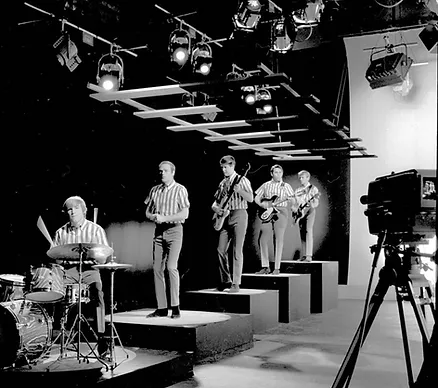
After Carl’s passing, The Beach Boys effectively ceased to exist as a recording band.Mike Love and Bruce Johnston toured as "The Beach Boys."Al Jardine occasionally performed with his own group.Brian Wilson, now free and supported by new allies, began the most surprising chapter of all:
Freed from Landy, Brian began to find his voice again. With new collaborators and loving support from his wife Melinda, Brian re-entered the studio.
He released Imagination (1998), then began performing live again — for the first time in decades.
Audiences embraced him with reverence. The fragile genius of Pet Sounds was on stage again, his harmonies supported by an adoring band of younger musicians.
Then came the impossible:In the early 2000s, Brian completed his abandoned masterpiece: Smile.
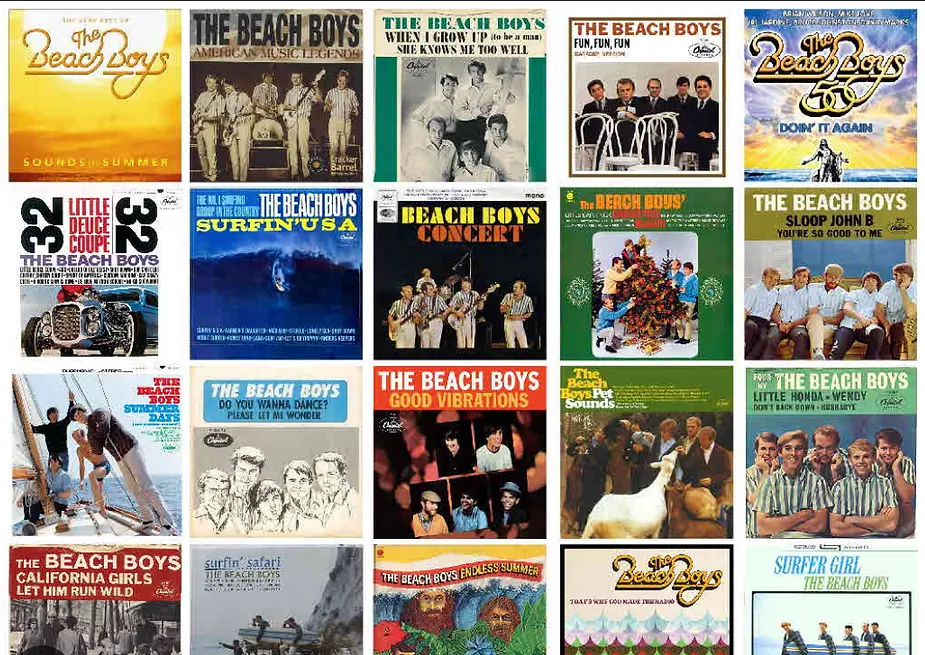
With his new band, he recorded and performed Brian Wilson Presents SMiLE (2004) — to universal acclaim.
The album and its live performances were hailed as a triumph over time and tragedy — the lost music of 1967 finally brought to life.
Brian’s courage moved fans and critics alike. The man who had once been written off as broken was now a revered elder statesman of music.
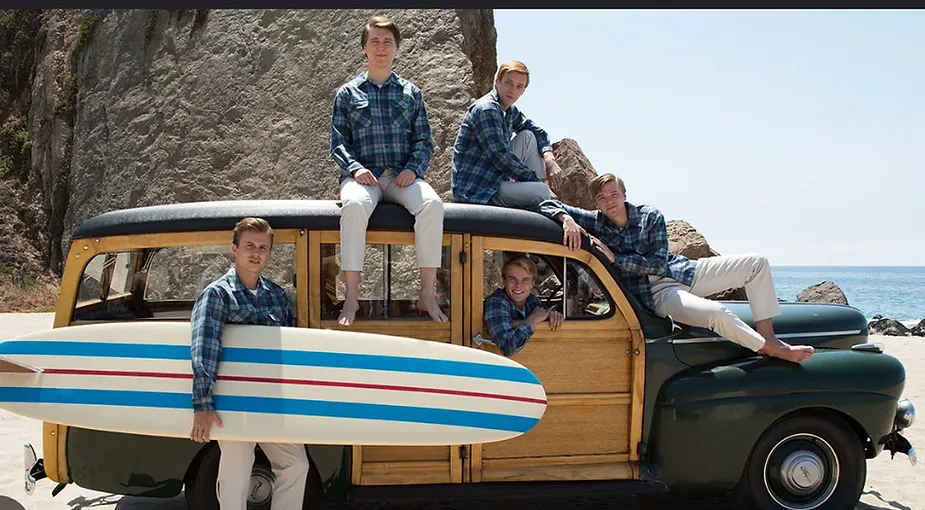
While Brian earned new artistic respect, The Beach Boys name continued on the road, led by Mike Love and Bruce Johnston — a slick, crowd-pleasing show of the classic hits.
Al Jardine toured separately.Brian, though not legally part of the Beach Boys touring group, became an acclaimed solo act.
Their legacy grew larger each year:
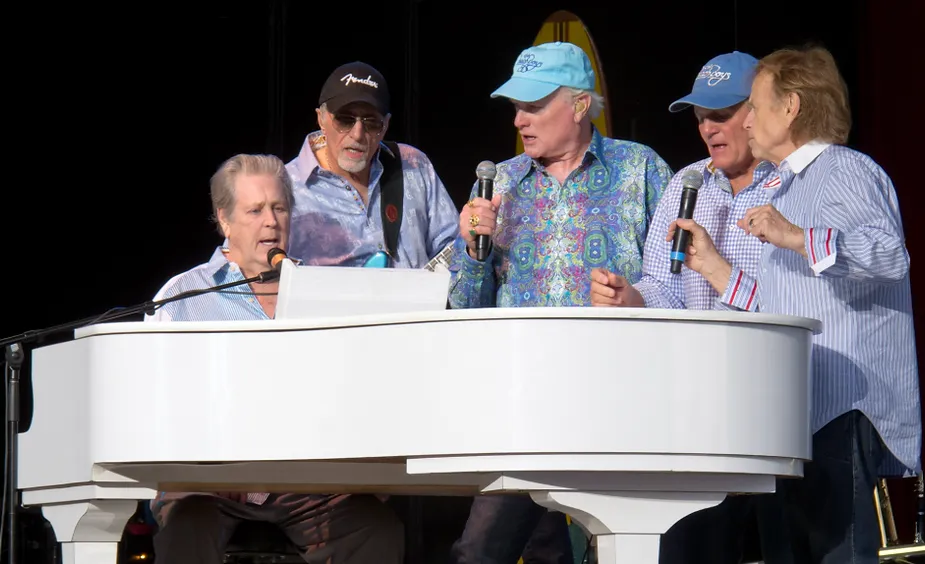
Dennis and Carl, though gone, were honored in every harmony sung.
By the end of the 2000s:
Brian Wilson had found peace and artistic renewal.
Mike Love kept The Beach Boys touring — a living link to the past.
Al Jardine and Brian often collaborated on special projects.
The band’s influence was recognized across all genres — from Paul McCartney to Radiohead to indie rock’s new wave of harmony-driven bands.
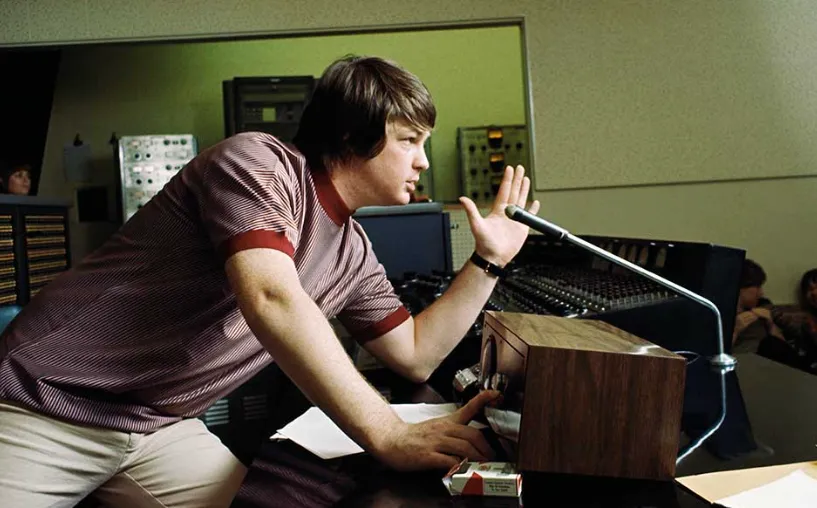
The Beach Boys were no longer just a surf band. They were a pillar of American music history — as enduring and beautiful as the sea itself.
And somewhere, in every sunset harmony, you could still hear them —brothers and cousins, joy and loss, genius and struggle — singing together.
As the 21st century unfolded, The Beach Boys were no longer just a band — they were an American myth.
Brian Wilson, once the fragile recluse, had become a beloved elder statesman of music.Mike Love and Bruce Johnston continued to tour relentlessly under The Beach Boys name, delivering the hits to sold-out crowds.Al Jardine remained close to Brian, often joining his shows.Dennis and Carl were gone — but their voices echoed in every performance.
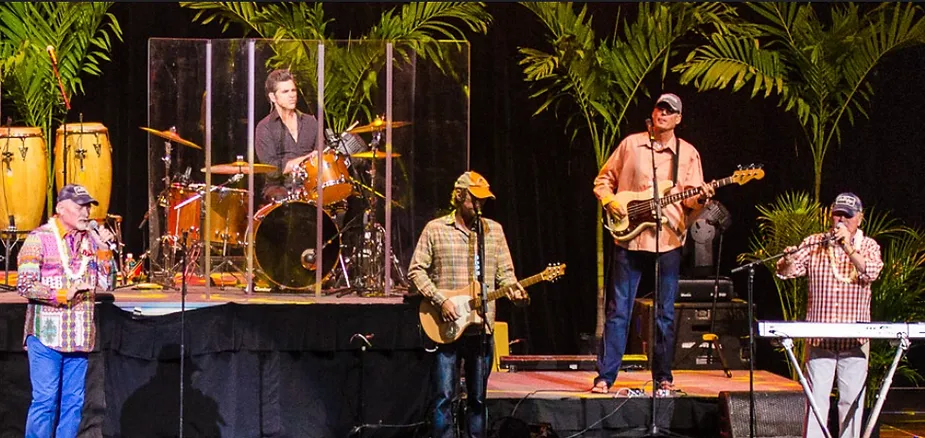
The band’s influence had only grown — across generations, across genres.Pet Sounds, once misunderstood, was now ranked beside Sgt. Pepper and Revolver as one of the greatest albums ever made.
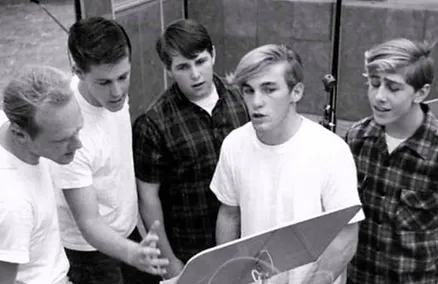
Then came a moment few believed would happen:
In 2012, for their 50th anniversary, the surviving members reunited — Brian Wilson, Mike Love, Al Jardine, Bruce Johnston, and David Marks (an early member).
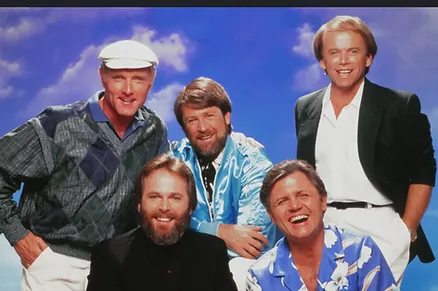
Old wounds were set aside.Lawsuits were paused.The band stood together once more.
They released a new album: That’s Why God Made the Radio — a surprisingly strong record, with beautiful ballads and rich harmonies.
Then they embarked on a massive world tour — their first true reunion in decades.
For fans, it was a miracle: the fractured family singing together again.
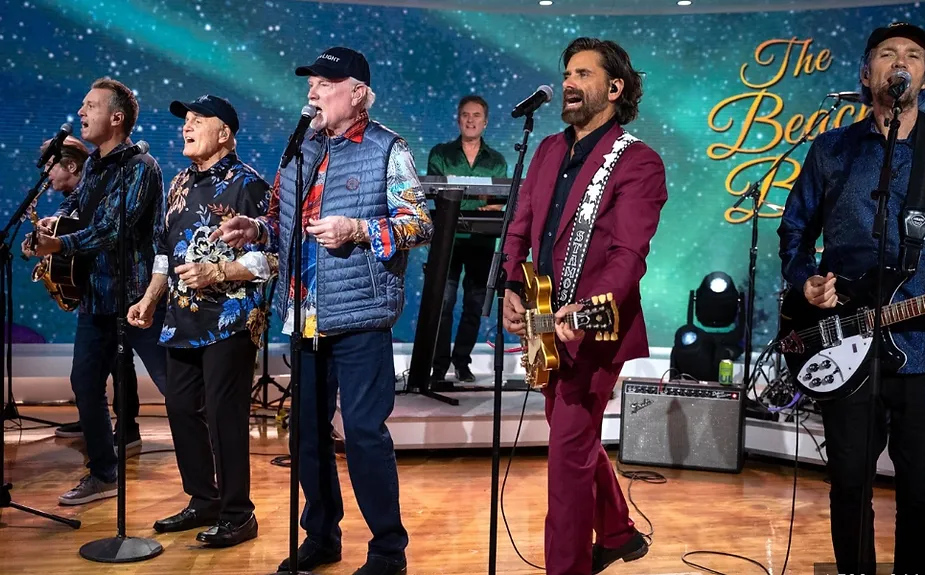
Brian, frail but focused, stood center stage. Mike delivered the old hits with vigor. Al’s voice soared. Behind them, photos of Dennis and Carl reminded everyone of what had been lost — and what still lived.
After the tour, the reunion ended.Mike Love resumed touring as The Beach Boys (legally permitted to do so).Brian, Al, and David pursued separate tours, often performing Pet Sounds and deeper cuts to devoted audiences.
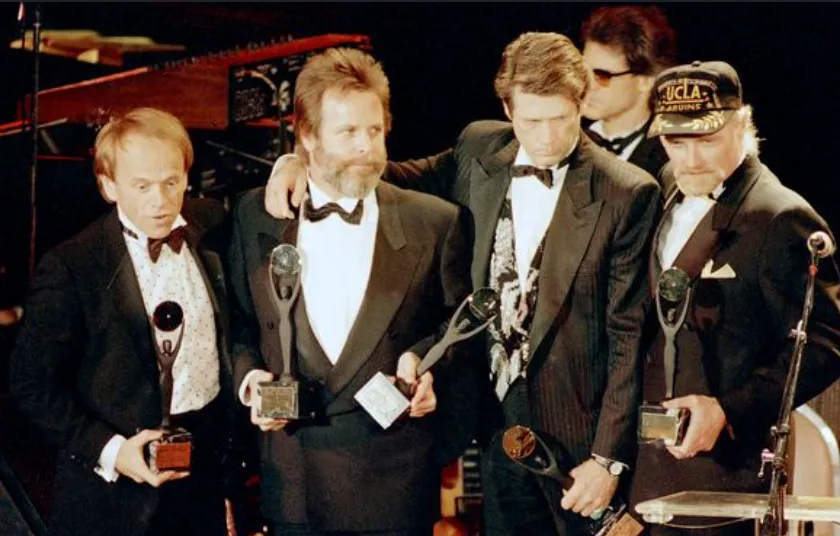
Brian Wilson’s solo career entered a new golden phase:
He toured internationally.
He performed Pet Sounds in full with a brilliant backing band.
He received standing ovations worldwide — a long overdue embrace from the world that had once overwhelmed him.
Al Jardine often joined him.Blondie Chaplin and David Marks, other early Beach Boys members, also appeared.
Meanwhile, Mike Love remained a tireless performer, bringing the sunniest hits to thousands each year.
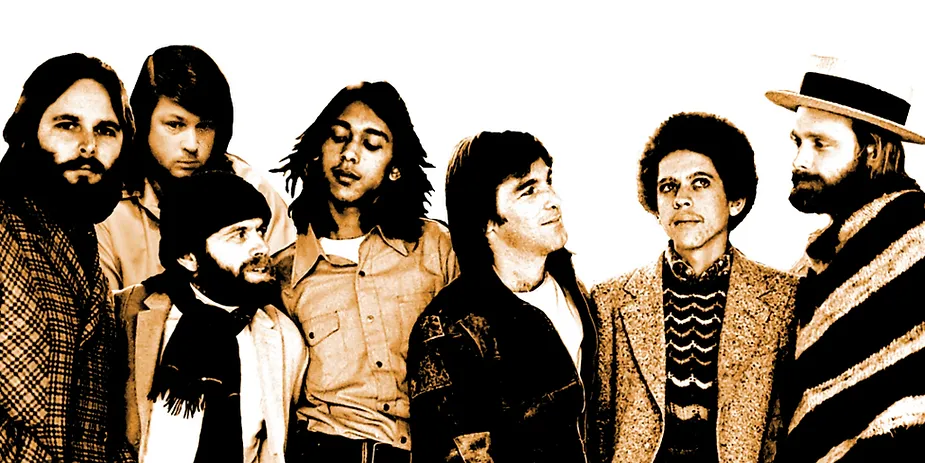
The Beach Boys’ influence only deepened:
Their story was revisited in books, documentaries, and the 2014 film Love & Mercy, which movingly portrayed Brian’s struggles and triumphs.
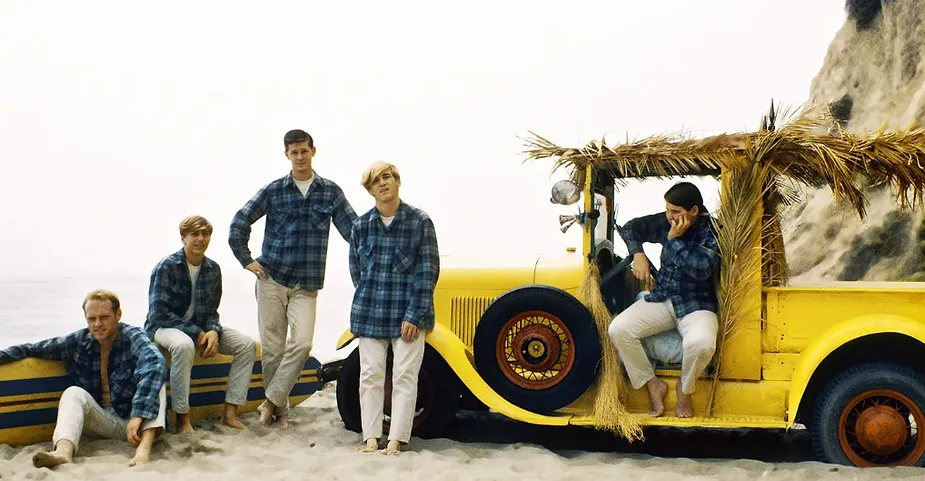
Paul Dano’s portrayal of young Brian and John Cusack’s portrayal of older Brian brought new understanding of his genius and pain to millions.
Now in their 80s, the surviving Beach Boys still sing.
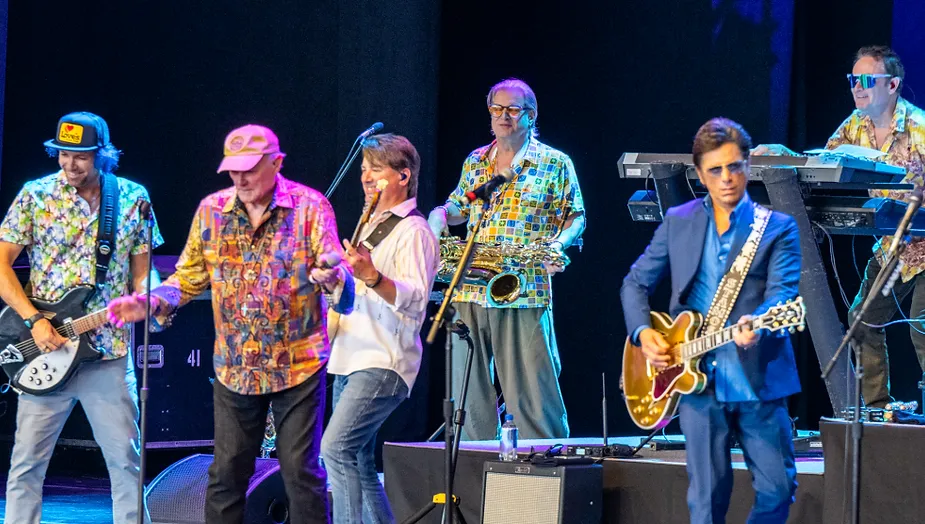
Mike Love tours as The Beach Boys with Bruce Johnston.
Brian Wilson, though facing new health challenges, still performs when possible, surrounded by love and reverence.
Al Jardine remains active, often joining Brian.
he band’s music is streamed by millions of young listeners discovering it for the first time.
And the songs?
Wouldn’t It Be NiceGod Only KnowsGood VibrationsDon’t Worry BabySurf’s Up
— they are eternal.
The Beach Boys’ journey is unlike any other in popular music:
Born from a garage in Hawthorne
Surf kings of the world
Creators of one of the greatest albums ever made
Survivors of loss, lawsuits, and personal tragedy
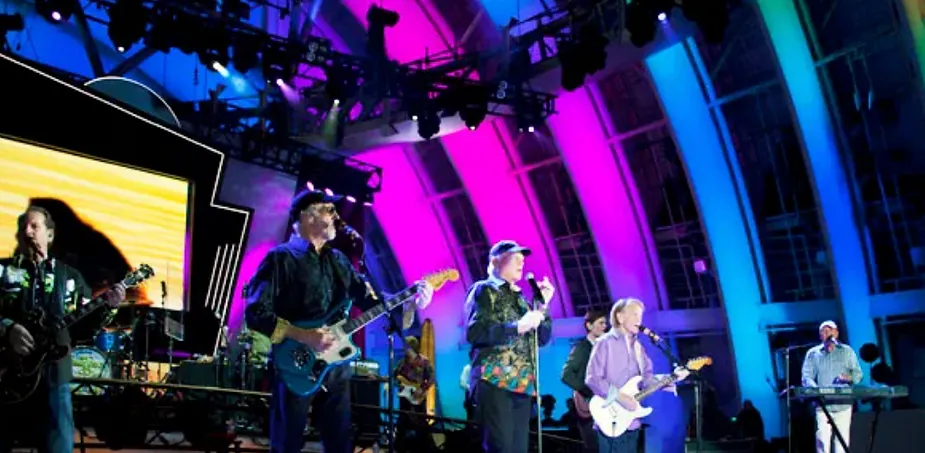
Architects of timeless harmonies that still move hearts
They are an American saga — of youth, ambition, genius, brotherhood, heartbreak, and ultimately, endurance.
And somewhere tonight
— on a radio, in a stadium, in a bedroom
—someone will hear that unmistakable sound:
✨ Round, shimmering, aching, beautiful
— the sound of The Beach Boys.
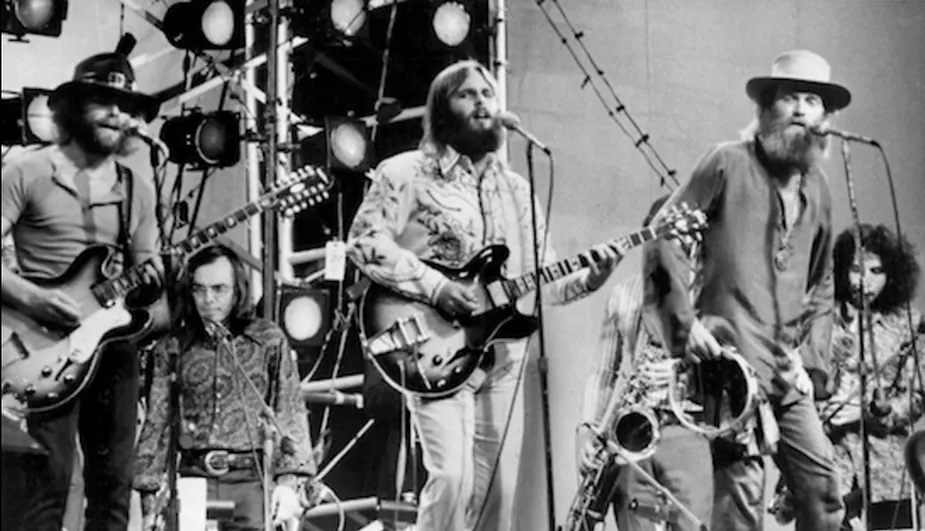
It begins with a boy in Hawthorne — Brian Wilson, born with music inside him.
Raised on The Four Freshmen’s lush harmonies, his father’s big band records, the pounding excitement of Chuck Berry, and the tender ballads of The Hi-Los, Brian absorbed it all. But where others heard songs, Brian heard colors, shapes — sound as emotion.
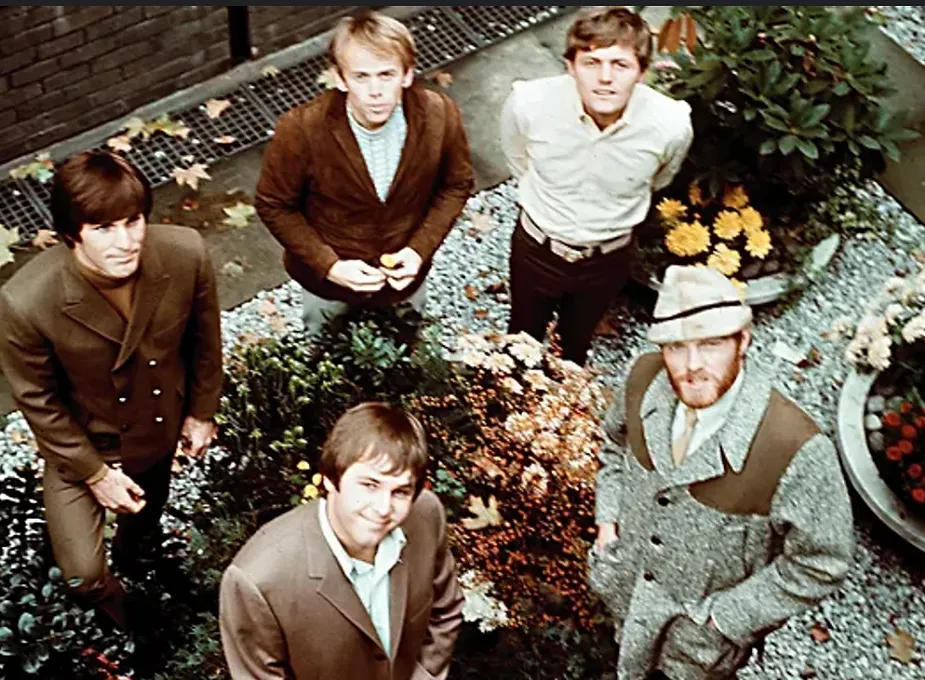
He would become the most unlikely revolutionary: a shy, damaged genius, hearing symphonies no one else imagined in a youth culture obsessed with three-chord rock.
The Beach Boys did something no one will ever do again — not just because of what they made, but when they made it and how they made it:
They took pop music, then seen as disposable teenage fun, and turned it into an art form — without losing joy.
They elevated vocal harmony to a towering art, drawing from jazz and classical influences, blending them into something new.
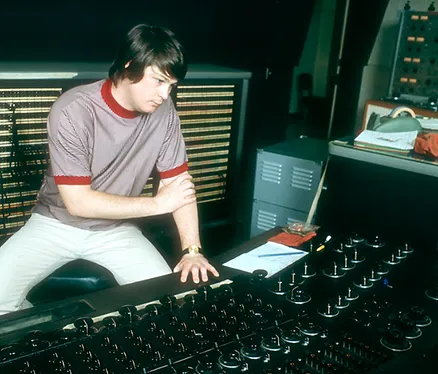
They pioneered studio as instrument — long before the Beatles' Sgt. Pepper, Brian was building tracks like “Good Vibrations” through modular recording, splicing tapes, layering sounds, creating the first modern “pocket symphonies.”
They brought raw emotional vulnerability to pop — Pet Sounds was about fear, longing, spiritual ache. It opened the door for modern introspective songwriting in pop and rock.
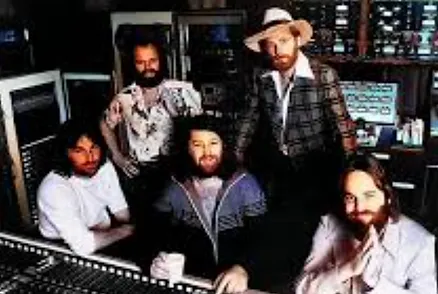
They survived — through tragedy, cultural shifts, lawsuits, even personal ruin. The fact that the harmonies still ring out today is a miracle.
Why no one will repeat it: the window of innocence, cultural moment, and raw invention they captured was unique. In an era before unlimited studio tools, they built eternal beauty with tape and heart.
Almost everyone who makes melodic music owes a debt to The Beach Boys:
Paul McCartney: Pet Sounds inspired Sgt. Pepper. Paul calls “God Only Knows” the greatest song ever written.
The Beatles as a whole — they competed with The Beach Boys in the studio in the mid-60s.
Fleet Foxes, Grizzly Bear — modern harmony-driven indie bands.
Radiohead — OK Computer owes some of its layered production ethos to Pet Sounds.
Tame Impala — Kevin Parker has cited Pet Sounds’ layering as a key influence.
Animal Collective, Panda Bear — Smile and Pet Sounds were foundational to their sound.
Elvis Costello, Eric Clapton, David Bowie, Elton John — all have cited Brian and The Beach Boys as towering influences.
Countless film composers and orchestrators use techniques Brian pioneered — combining unexpected instruments for emotional color.
Even today, Pet Sounds, Smile, and Good Vibrations are studied in university music programs as masterworks of 20th-century composition.
Proved that pop could be art without losing joy.
Made the studio an instrument — modern pop production traces back to Brian’s techniques.
Revolutionized vocal arrangement — multitracked harmonies remain a pillar of modern pop.
Proved that intimacy and vulnerability belonged in popular music.
Changed what an album could be — unified, thematic, emotional journeys.
Invented modular recording, now standard in digital music.
They gave the world a language of sound — layered, human, fragile, joyful — that no one had heard before.
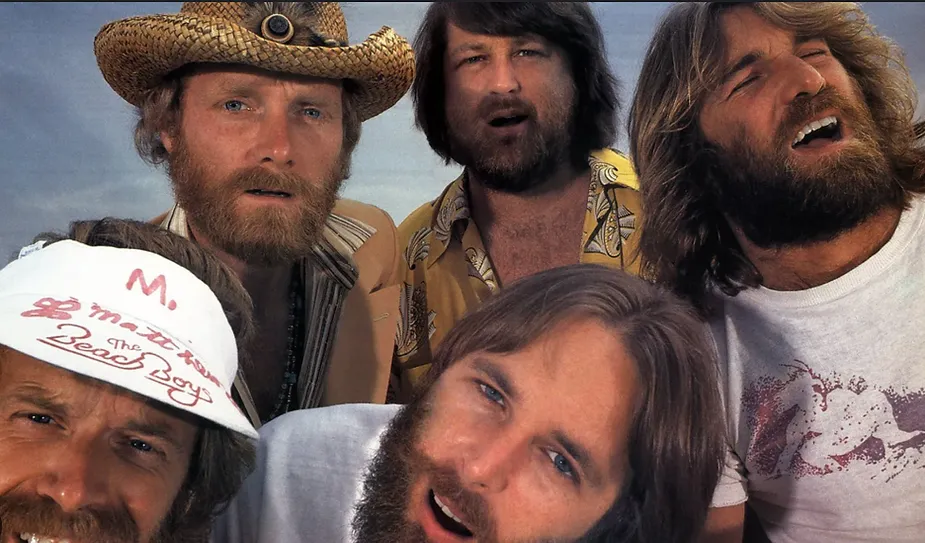
When the day comes that Brian Wilson leaves this world — as all men must — the music will remain.
But something profound will be lost:
The living bridge between The Four Freshmen, Phil Spector, and modern music will be gone.
The deepest understanding of the emotional power of harmony will no longer walk the earth.
A unique vision — childlike, wounded, mystical — will be stilled.
Future musicians will still study him.Songs will still be sung. Pet Sounds will still be played.
But the voice behind it — the trembling voice of a man who could hear the divine in a bass harmonica or a French horn — will be a memory.
Music will still grow. New sounds will come. But without Brian Wilson, one essential human note — a voice of pure, unguarded feeling — will be missing from the chorus of the world.
The Beach Boys, and Brian Wilson especially, showed us that:
You could be fragile and make great art.
You could be broken and still create beauty.
You could take simple forms and elevate them into something timeless.
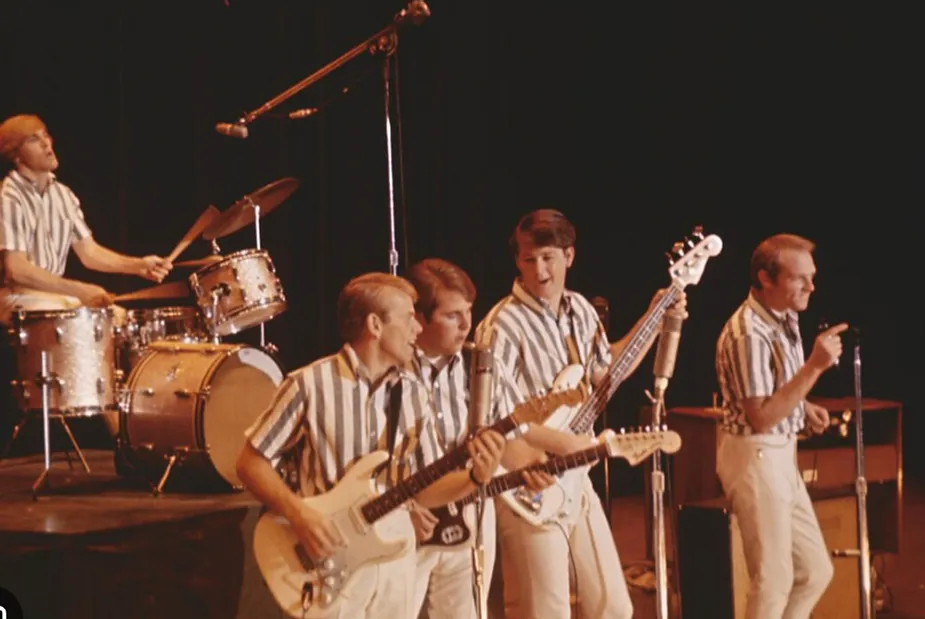
Without them, pop would have been smaller.With them,
it became in finite.
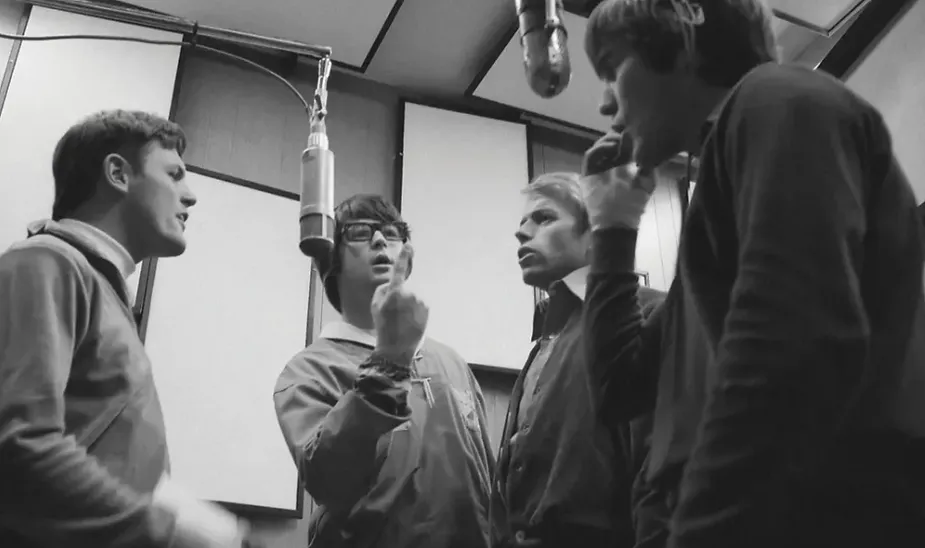
That is why no one will ever do what they did — because it was not just music. It was human hope, longing, joy, and sorrow — sung to the stars.
-fotor-bg-remover-20251210165637.webp)


