-fotor-bg-remover-20251211141935.webp)
-fotor-bg-remover-20251211143525.webp)
Creativity in the arts is often seen as a solitary pursuit, where an artist retreats into their own world to produce unique works. However, collaboration can be a powerful catalyst for innovation and inspiration. When artists come together, they combine their diverse skills, perspectives, and experiences, leading to new ideas and creative breakthroughs. This blog post explores how creative collaboration ignites artistic innovation, enhances problem-solving, and fosters deeper connections within the arts community.
Creative collaboration involves multiple artists working together to create something new. This process encourages the exchange of ideas and techniques, which can lead to unexpected and exciting results. For example, a painter collaborating with a musician might inspire a multimedia installation that combines visual art and sound in innovative ways.
Collaboration also helps artists overcome creative blocks. When stuck on a project, discussing ideas with others can provide fresh perspectives and solutions. This dynamic interaction often leads to more refined and impactful artworks.
Practical tips for fostering creative collaboration:
By embracing these strategies, artists can maximize the benefits of working together and push the boundaries of their creativity.
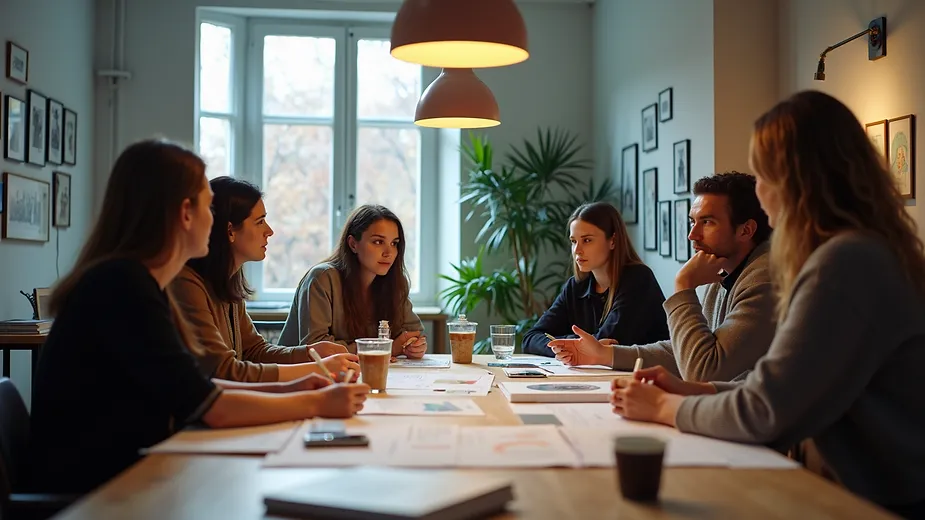
Artists collaborating on a creative project
Artistic projects often present challenges, from technical difficulties to conceptual dilemmas. Creative collaboration allows artists to pool their knowledge and resources to tackle these problems more effectively. For instance, a sculptor facing material limitations might collaborate with an engineer to develop new techniques or materials.
Working in a team also encourages experimentation. When artists feel supported by their peers, they are more willing to take risks and try unconventional approaches. This can lead to innovative solutions that might not emerge in isolation.
Examples of collaborative problem-solving:
These examples demonstrate how collaboration can expand the scope and impact of artistic work.
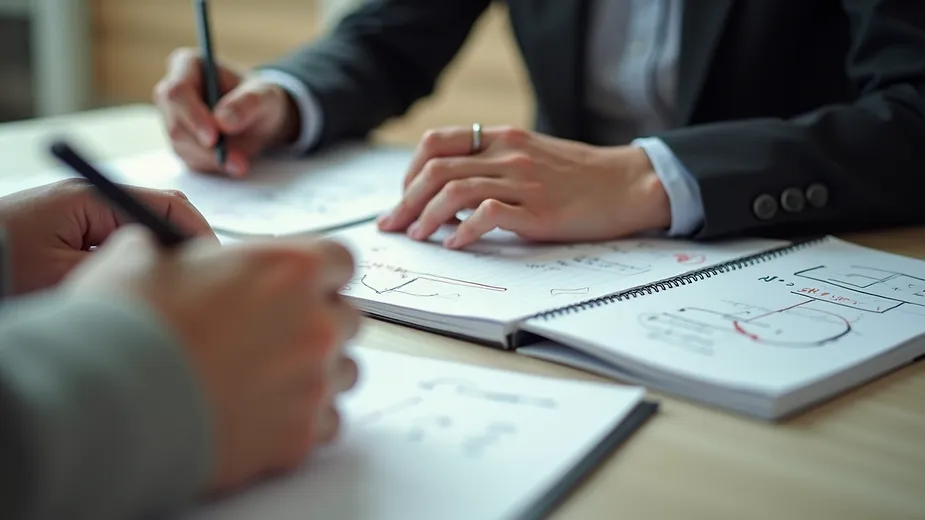
Artists collaborating on problem-solving through sketching
Self-expression in art is the process of conveying personal thoughts, emotions, and experiences through creative mediums. One vivid example is the use of abstract painting to communicate feelings that are difficult to articulate with words. Artists often use color, form, and texture to express their inner world.
Another example is performance art, where the artist’s body and actions become the medium for storytelling and emotional release. This form of self-expression can be deeply personal and transformative.
Collaborative projects can also enhance self-expression by providing new contexts and audiences. When artists share their work with others, they gain feedback and insights that enrich their creative voice.
For those interested in exploring artistic self-expression, engaging in collaborative environments can be a valuable way to develop and refine one’s unique style.
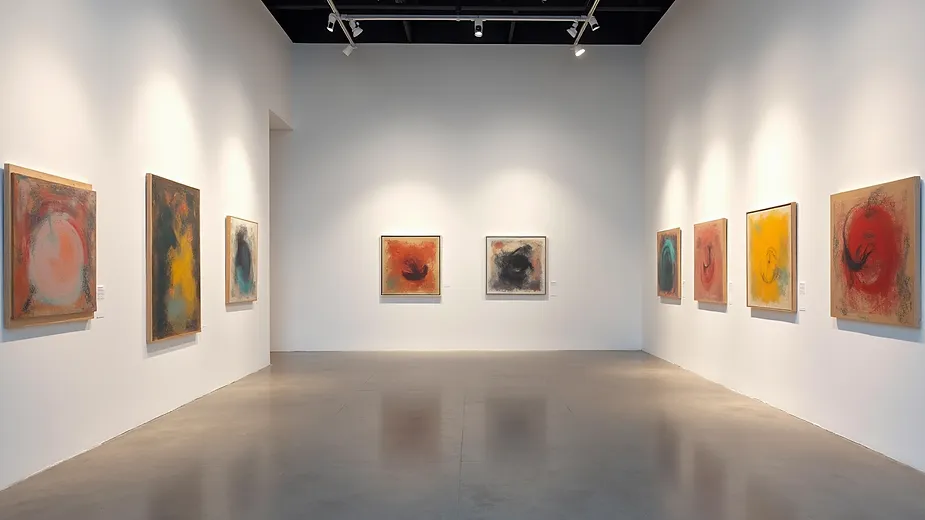
Abstract paintings showcasing self-expression through color and form
Collaboration not only benefits individual artists but also strengthens the broader arts community. When artists work together, they build networks of support and inspiration. These connections can lead to ongoing partnerships, mentorship opportunities, and collective advocacy for the arts.
Community-based collaborations often involve diverse groups, including artists, educators, and local organizations. These projects can increase public engagement with the arts and promote cultural exchange.
Ways to build collaborative artistic communities:
By fostering collaboration, the arts community becomes more vibrant, inclusive, and resilient.
If you want to spark creativity through collaboration, start by reaching out to other artists and creatives. Here are some actionable steps to get started:
Remember, collaboration is a two-way street. Be willing to listen, adapt, and contribute equally to the creative process.
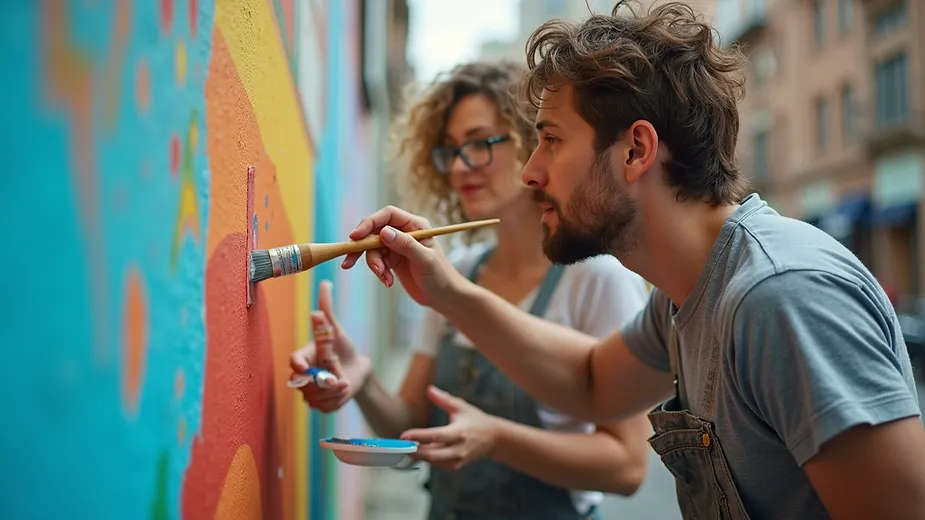
Artists collaborating on a large-scale mural project
Creative collaboration is a powerful force that can transform the way artists create and connect. By embracing teamwork, artists unlock new possibilities for innovation, problem-solving, and self-expression. Whether through interdisciplinary projects, community initiatives, or simple partnerships, collaboration enriches the artistic experience and helps build stronger creative communities. Start exploring collaborative opportunities today and watch your creativity flourish.
-fotor-bg-remover-20251210165637.webp)


