-fotor-bg-remover-20251211141935.webp)
-fotor-bg-remover-20251211143525.webp)
Rick Griffin was born on June 18, 1944, in Palos Verdes, California. Growing up in Southern California, he was surrounded by the surf culture, which would later heavily influence his art.
As a child, he developed a passion for drawing and comic books, particularly admiring classic cartoonists like Walt Kelly and Carl Barks.
His father, a mechanical engineer, encouraged his creativity, but it was his exposure to the burgeoning surf scene of the 1950s that truly shaped his artistic identity. Griffin started surfing as a teenager, and his artwork began reflecting the fluid, dynamic energy of the ocean.
In high school, Griffin befriended John Severson, the founder of Surfer magazine. Severson recognized Griffin’s artistic talent and encouraged him to create cartoons for the magazine.
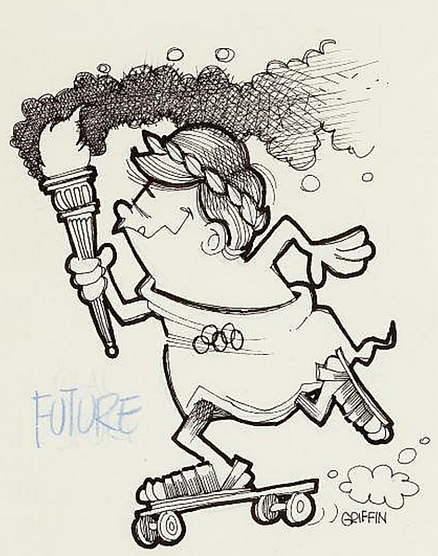
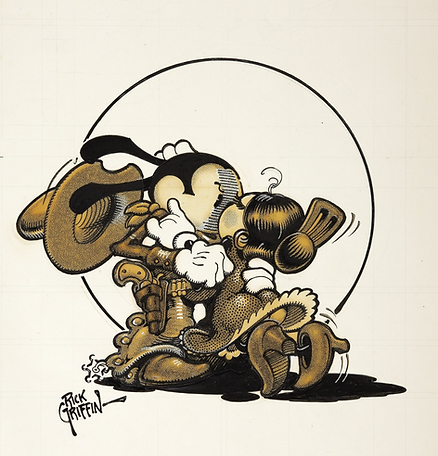
This led to the creation of "Murphy," a long-haired, laid-back surfer character who became one of the first widely recognized surf culture icons.
Murphy’s adventures, illustrated in Griffin’s bold, exaggerated, and humorous style, resonated deeply with surfers. His work for Surfer magazine gained him regional recognition in California and made him one of the first true surf artists.
In 1963, Griffin was involved in a serious car accident that left him with severe facial injuries. During his recovery, he withdrew from the surf scene and began exploring deeper artistic and philosophical ideas. This period marked a transition from surf culture art to a more experimental, visionary style.
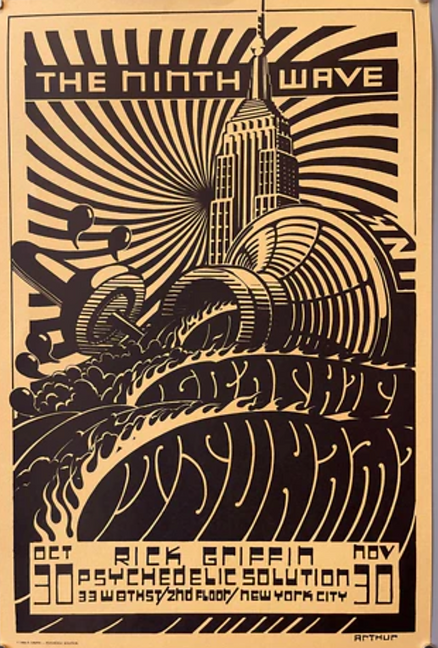
He enrolled at Chouinard Art Institute (now CalArts), where he was exposed to the burgeoning psychedelic art movement. Around this time, Griffin’s artwork took on darker, surrealist themes, influenced by artists like Salvador Dalí, underground comics, and Beat Generation writers.
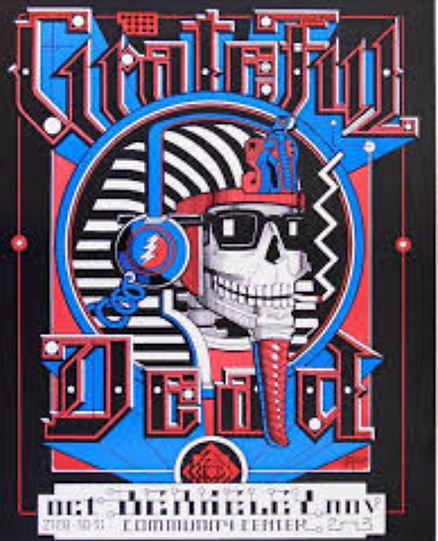
In 1966, Griffin moved to San Francisco, the epicenter of the counterculture movement. He quickly became involved with the underground comix scene and psychedelic rock poster movement.
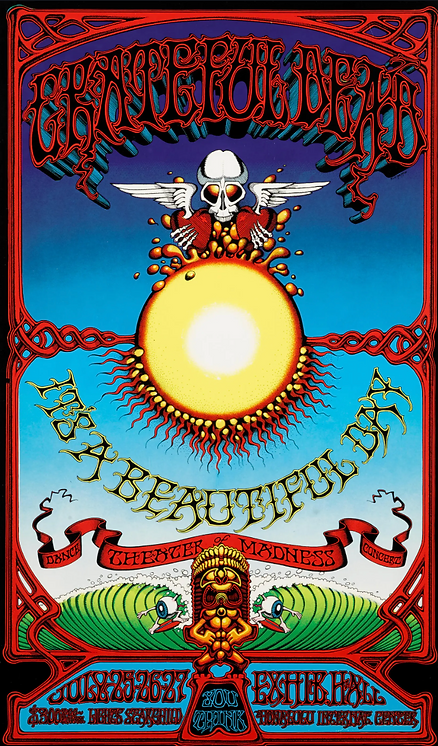
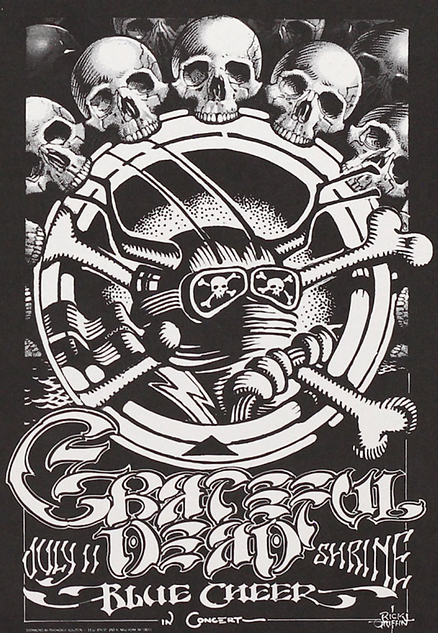
His big break came when he started designing concert posters for the Fillmore and Avalon Ballroom, working alongside other psychedelic poster legends like Stanley Mouse, Alton Kelley, and Victor Moscoso. His intricate lettering, swirling forms, and hallucinogenic imagery perfectly captured the acid rock era.
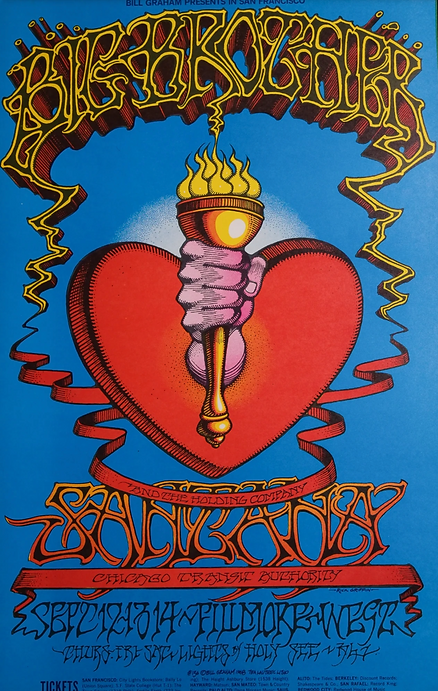
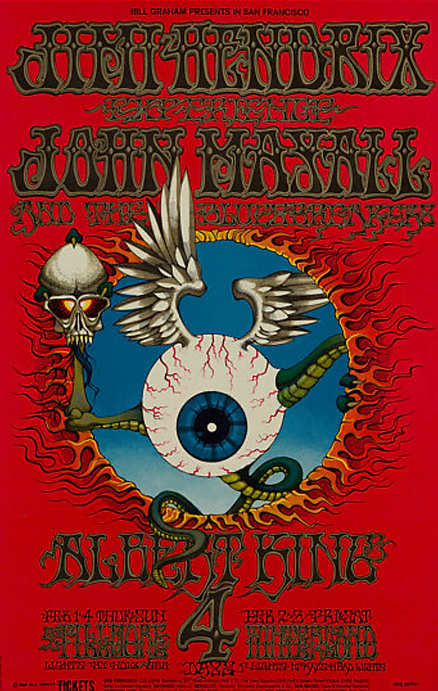
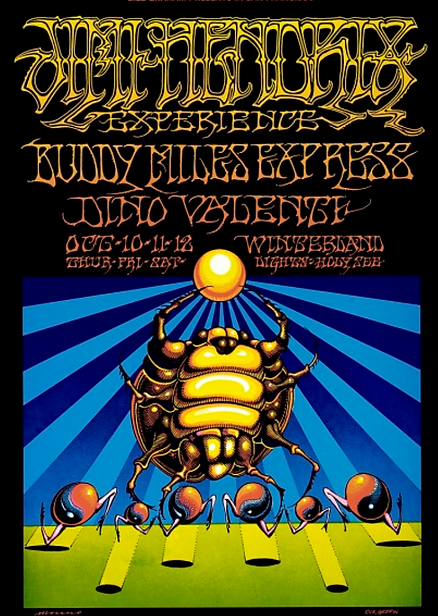
In 1967, Griffin created one of his most famous works: a mind-bending concert poster for the Jimi Hendrix Experience, featuring Griffin’s signature distorted typography and vibrant colors. This was the beginning of his rise as one of the most celebrated psychedelic artists of the 1960s.
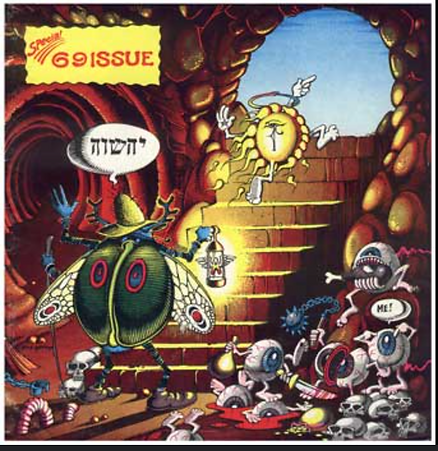
By the late 1960s, Griffin’s work for the Grateful Dead and his involvement in the underground comix scene (including Zap Comix with Robert Crumb) cemented his status as a pioneer of psychedelic art. His unique blend of surf culture, counterculture philosophy, and visionary design made him one of the most influential visual artists of his era.
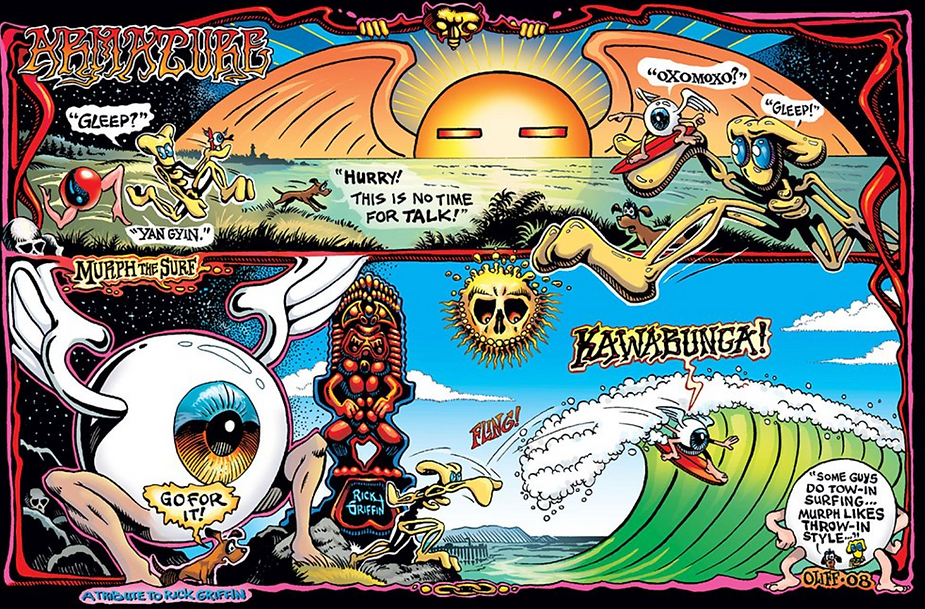
At the start of the 1960s, Rick Griffin was already a well-known name in the California surf scene thanks to his iconic cartoon character Murphy, which appeared in Surfer magazine. His art captured the laid-back, rebellious spirit of surf culture, blending humor with kinetic, exaggerated forms.
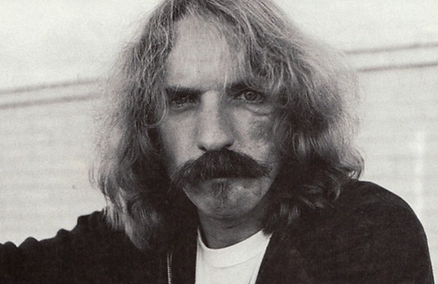
However, Griffin’s life took a dramatic turn in 1963 when he was involved in a near-fatal car accident. He suffered severe injuries, including a deep facial wound that left a prominent scar. During his recovery, he began reassessing his artistic path, moving away from lighthearted surf cartoons toward a more introspective and surreal visual style.
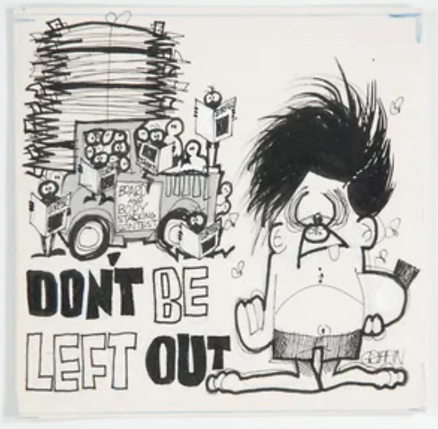
In 1964, he enrolled at Chouinard Art Institute (now CalArts) in Los Angeles, where he was exposed to fine art, surrealism, and the underground art movement. It was at Chouinard that he first encountered the emerging psychedelic and countercultural movements that would define his career.
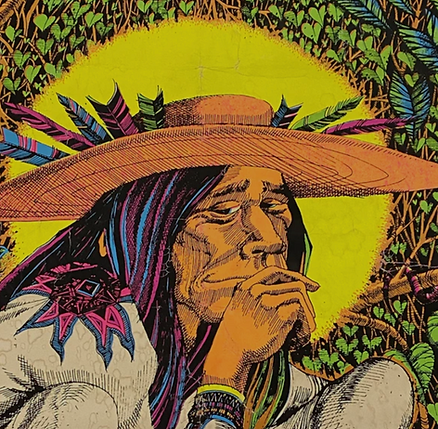
By 1965, Griffin had dropped out of art school and hit the road, traveling through Mexico and the American Southwest. He became fascinated with indigenous cultures, visionary experiences, and mystical symbolism, which would later become hallmarks of his psychedelic art.
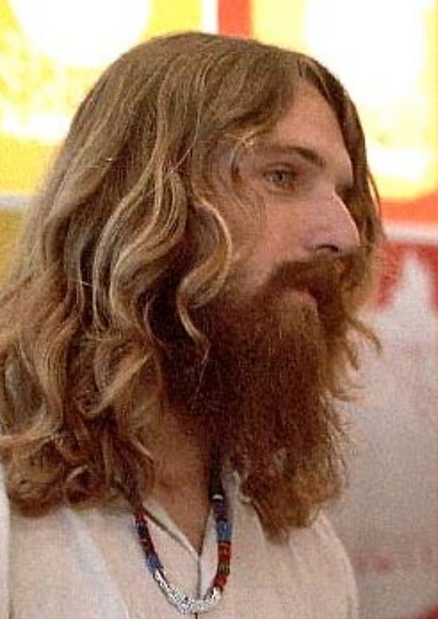
In 1966, Griffin moved to San Francisco, where the counterculture movement was exploding. The city was a melting pot of psychedelic music, experimental art, and alternative lifestyles. He quickly immersed himself in this scene, meeting fellow artists Stanley Mouse, Alton Kelley, Wes Wilson, and Victor Moscoso, who were pioneering the psychedelic rock poster movement.
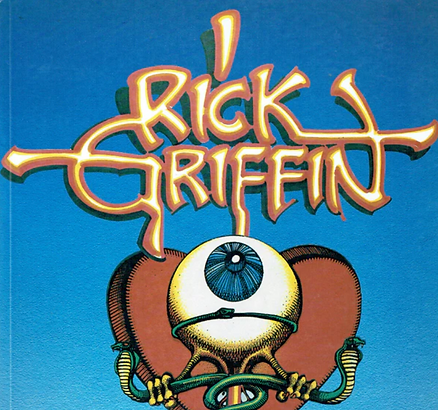
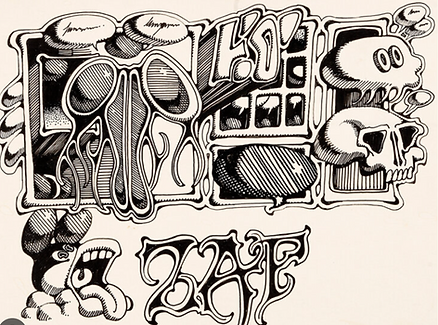
That same year, Griffin began taking LSD, an experience that profoundly altered his artistic style. His work became intricately detailed, vibrantly colored, and filled with cosmic, surreal imagery. His letters morphed into fluid, organic shapes, often barely legible, a defining trait of psychedelic poster art.
His first major concert poster was created for a 1967 Jimi Hendrix Experience show at the Fillmore Auditorium, launching him into the elite circle of rock poster artists.
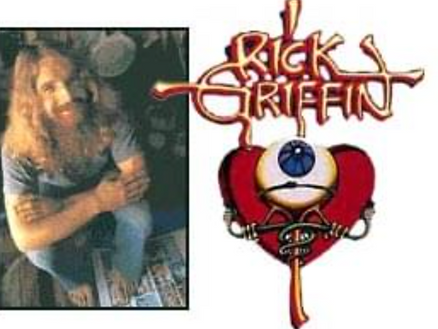
By 1967, Griffin was at the heart of San Francisco’s Haight-Ashbury scene, where his art helped define the aesthetic of the psychedelic revolution. His most famous works during this period included:
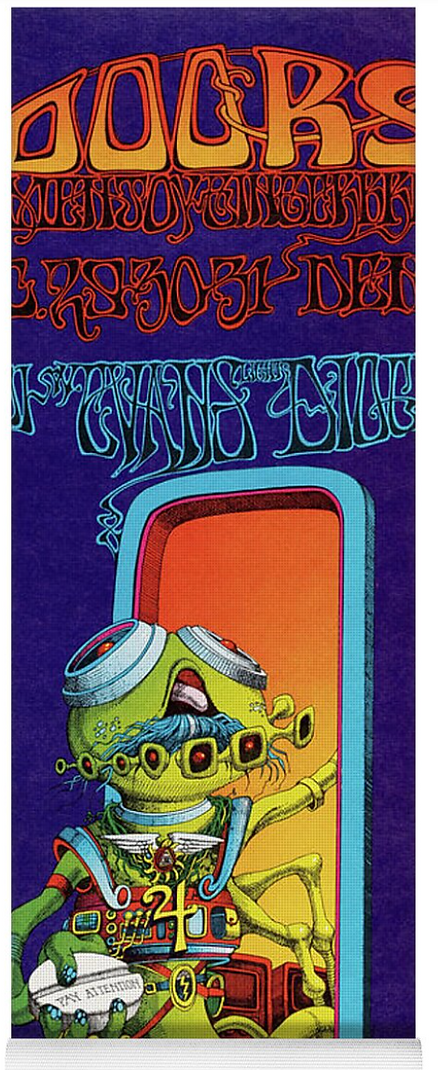
🔥 Concert Posters for Bill Graham’s Fillmore & Chet Helms’ Avalon Ballroom – He designed mind-bending posters for bands like Jefferson Airplane, The Doors, and Quicksilver Messenger Service, using a mix of surrealist imagery, flowing text, and vibrant color schemes.
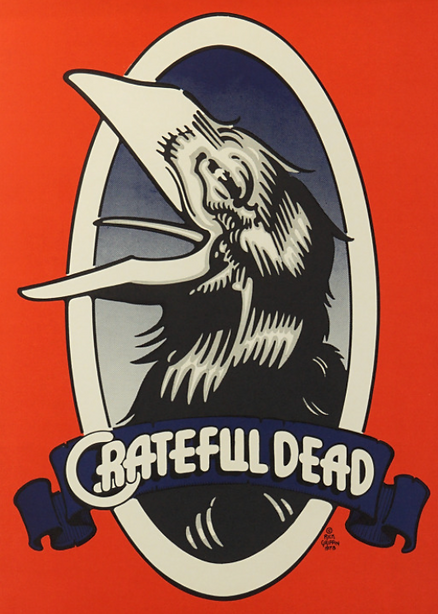
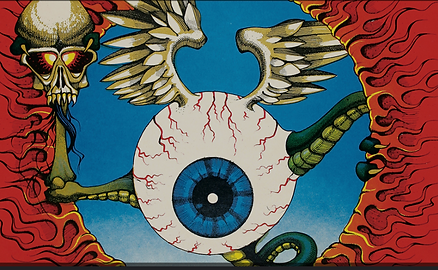
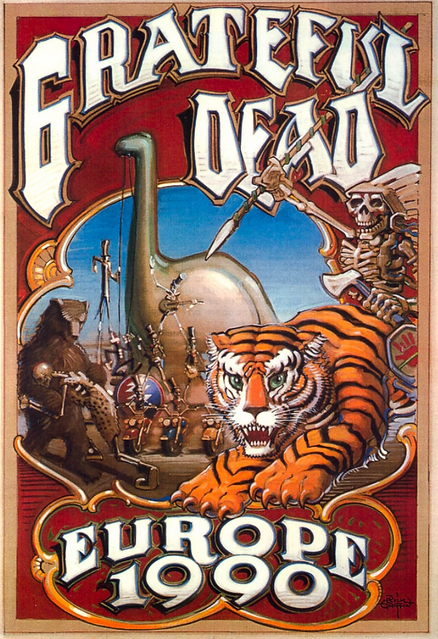
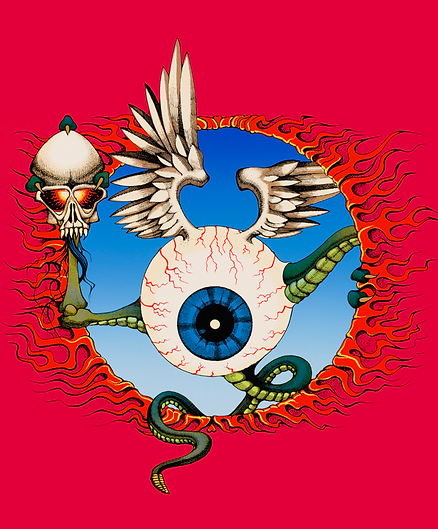
🔥 Collaboration with the Grateful Dead – Griffin created some of the most legendary Grateful Dead artwork, blending Native American, occult, and biblical themes into their visual identity. His famous 1969 "Aoxomoxoa" album cover remains one of the most intricate and iconic pieces of Dead-related art.
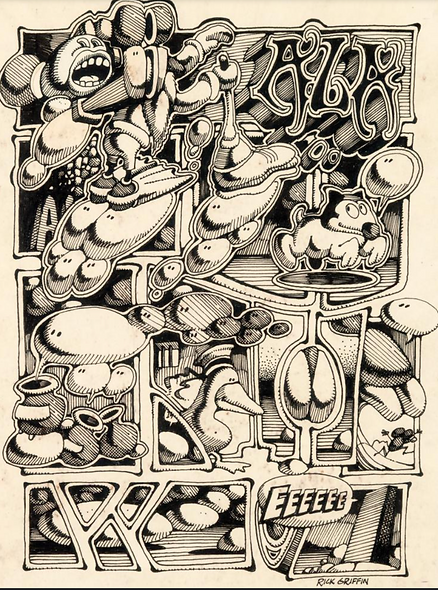
🔥 Zap Comix & Underground Comics Scene – In 1968, Griffin joined Robert Crumb, S. Clay Wilson, and others to contribute to Zap Comix, the underground comic book that redefined counterculture art. His work stood out for its mystical symbolism and experimental lettering.

By 1969, Griffin was still deeply embedded in the psychedelic movement, but he began to undergo a personal transformation. Heavy LSD use and counterculture excesses had taken a toll on many artists in his circle.
While working on art for the Grateful Dead and other projects, Griffin rediscovered Christianity, which began influencing his later work. He started blending his psychedelic aesthetic with biblical themes, leading to some of his most visually striking and introspective pieces.
In 1970, he created one of his most famous religious works, "The Gospel of John", a trippy, illustrated retelling of the biblical gospel infused with psychedelic and mystical iconography.
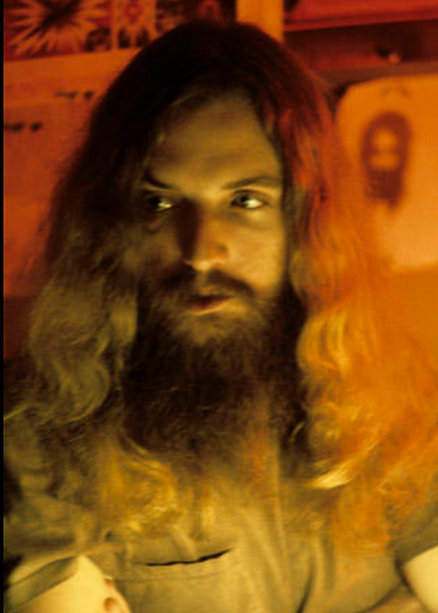
By the end of the 1960s, Rick Griffin had established himself as one of the most influential artists of the psychedelic era. His unique blend of surf culture, countercultural rebellion, visionary art, and spiritual exploration made his work stand out even among the legends of the time.
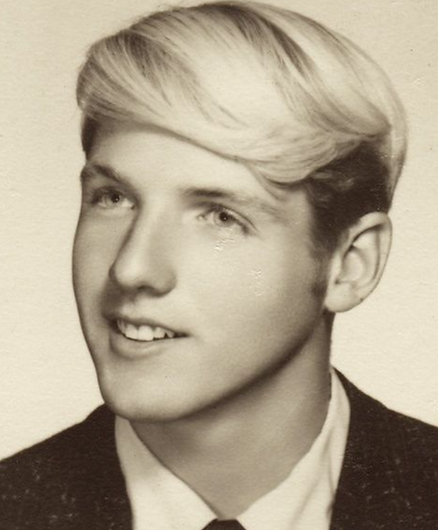
Griffin’s rock posters, album covers, and underground comics remain some of the most defining images of the psychedelic 1960s, and his influence continues in fantasy, comic, and counterculture art today.
After a decade of defining psychedelic rock art, Rick Griffin entered the 1970s at a crossroads.
The counterculture movement had begun to fracture—many artists and musicians struggled with drug addiction, disillusionment, or creative burnout. Griffin, however, took a unique path: he reconnected with his Christian faith while continuing to refine his signature artistic style, blending surrealism, mysticism, and biblical themes into his work.
By 1970, Griffin had already made a name for himself as one of the greatest psychedelic poster artists, but he was also growing disillusioned with the excesses of the hippie movement. Having experimented with LSD for years, he began to feel a spiritual calling, leading him to re-embrace Christianity.
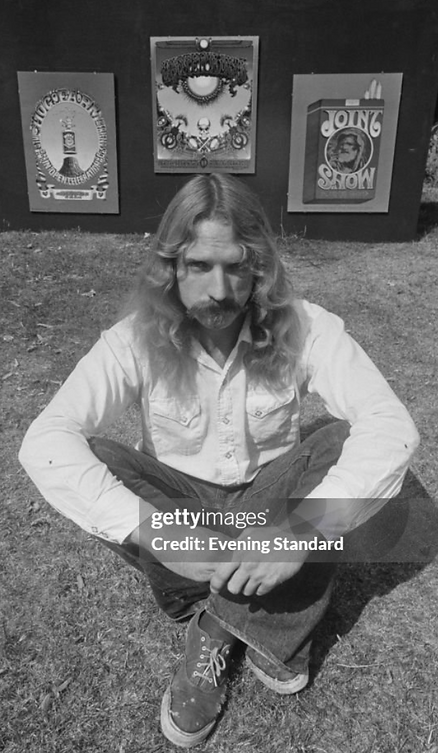
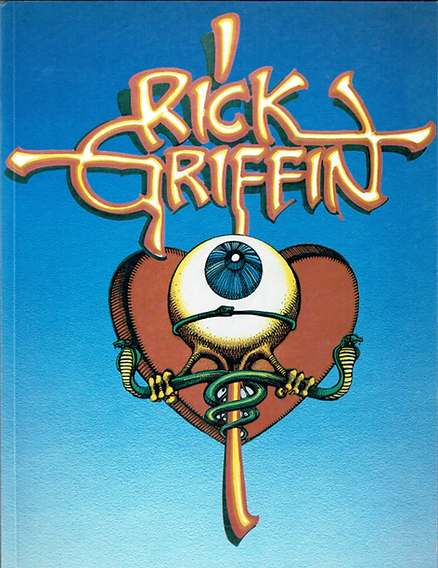
🔥 The Gospel of John (1973) – One of Griffin’s most famous religious works was an illustrated version of the Gospel of John, created in collaboration with underground comic artist Barry Moser.
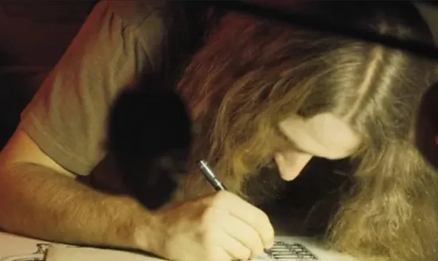
This book retained his psychedelic, intricate style but was infused with deep spiritual symbolism. Unlike traditional religious art, Griffin’s version was wild, hallucinogenic, and deeply personal, reimagining biblical stories through his unique visionary lens.
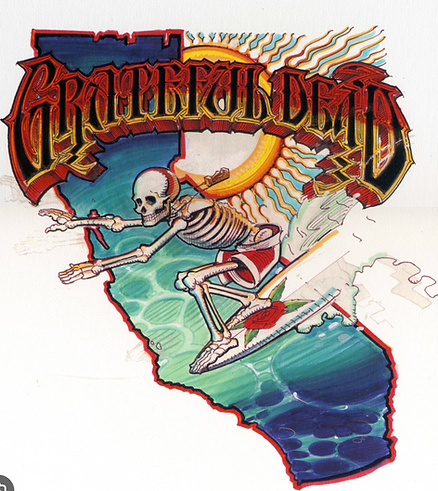
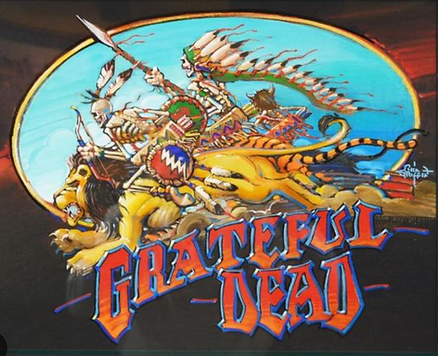
🔥 Grateful Dead & Other Rock Work – While shifting toward spiritual art, Griffin still worked with bands he respected. He created logos, album covers, and posters that carried his evolving artistic style. His work with the Grateful Dead remained iconic, as he continued to explore cosmic and religious themes in his rock art.
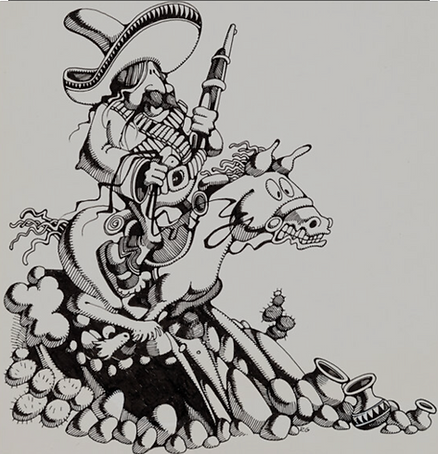
🔥 Underground Comix & Surrealist Illustrations – Though Zap Comix became less active, Griffin remained involved with the underground art scene, contributing work that combined psychedelic, science-fiction, and spiritual imagery.
By the mid-70s, Griffin had fully embraced his Christian faith, but he never abandoned his artistic roots. Instead of becoming a conventional religious artist, he infused Christian iconography with his surreal, cosmic aesthetic.
🔥 Surf Revival & Back to the Ocean – As the psychedelic movement faded, Griffin reconnected with his early surf culture roots.
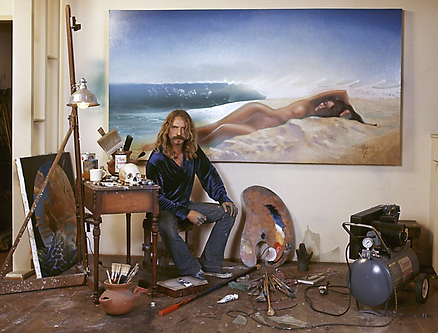
He started designing surf posters, t-shirts, and logos again, often incorporating tribal, mythological, and biblical themes.
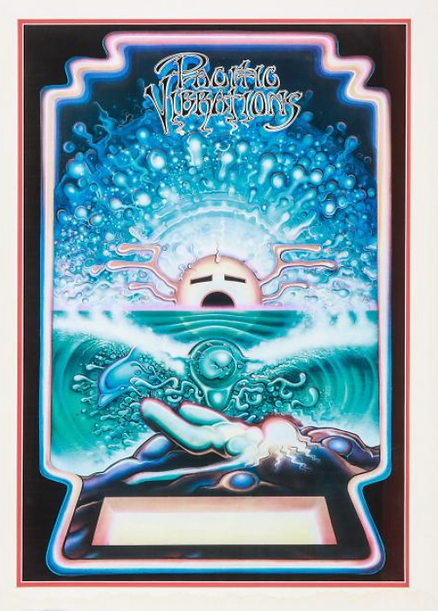
His work helped influence the modern surf art movement, blending the fluidity of ocean waves with mystical, otherworldly forms.
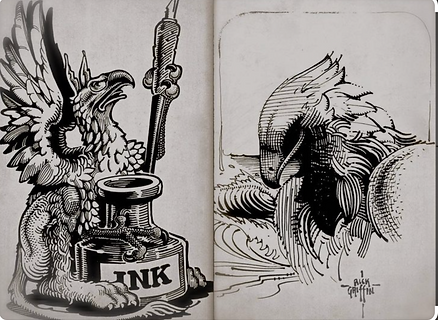
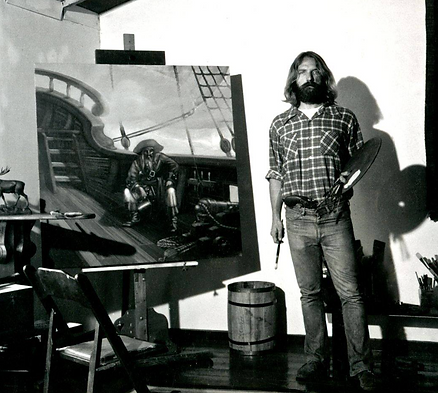
🔥 Airbrush & Hyper-Realism – During this period, Griffin experimented with airbrush techniques, creating stunning, hyper-detailed illustrations that merged realism with his signature visionary aesthetic.
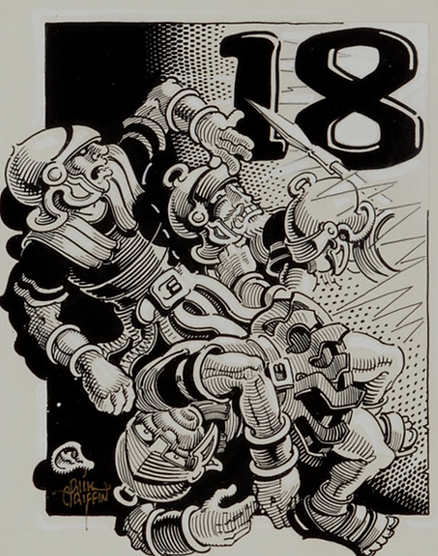
🔥 More Grateful Dead & Rock Art – Even as he stepped away from the traditional rock poster scene, Griffin continued to create album covers and logos. His work for bands like the Grateful Dead, the Eagles, and others remained legendary.
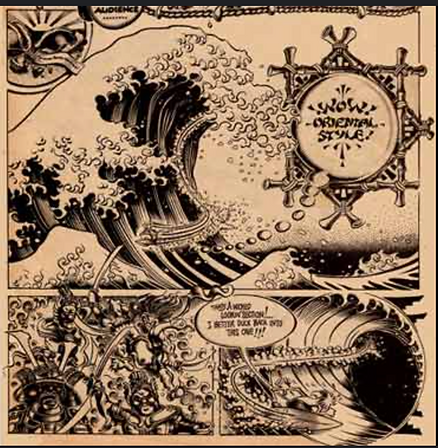
By the late 1970s, Griffin was widely recognized as a master artist, respected in both rock art and surf culture.
His work was no longer just associated with psychedelic posters—he had expanded into fine art, surrealism, and religious imagery.
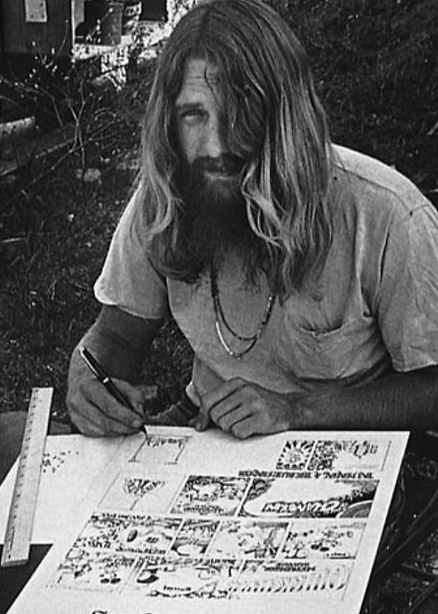
🔥 Album Covers & Music Collaborations – Griffin’s work became highly sought after for album covers, particularly within the rock, psychedelic, and surf music scenes. His unique fusion of mythology, religion, and trippy aesthetics made his art stand out.
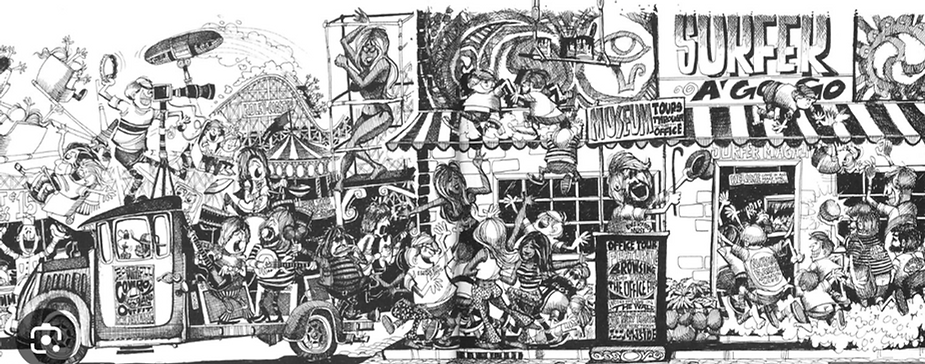
🔥 Return to the Surf World – The surf industry was booming again, and Griffin became a major visual influencer in surf art, creating posters, t-shirts, and magazine illustrations that shaped the visual identity of modern surf culture.
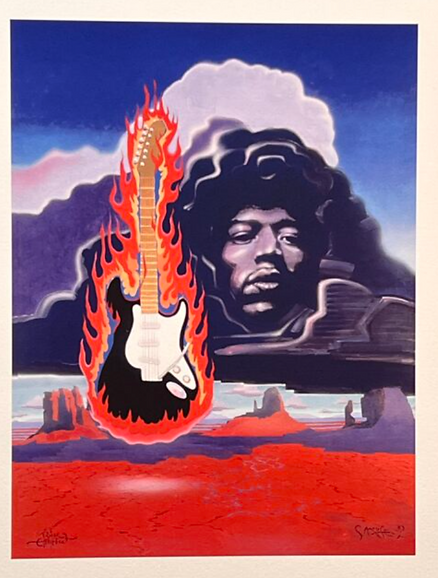
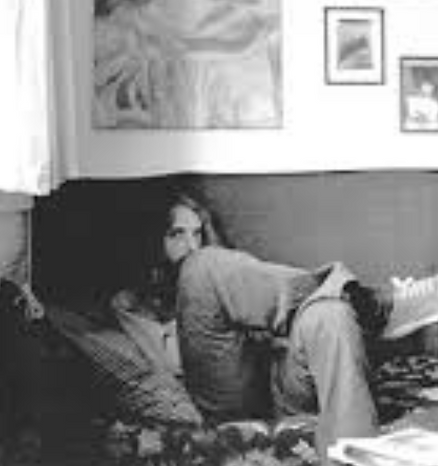
By 1979, Griffin had firmly established himself as a legend in both psychedelic and surf art. Unlike many of his contemporaries, who faded from relevance, he continued to evolve, experimenting with new techniques and blending religion, mysticism, and counterculture aesthetics in groundbreaking ways.
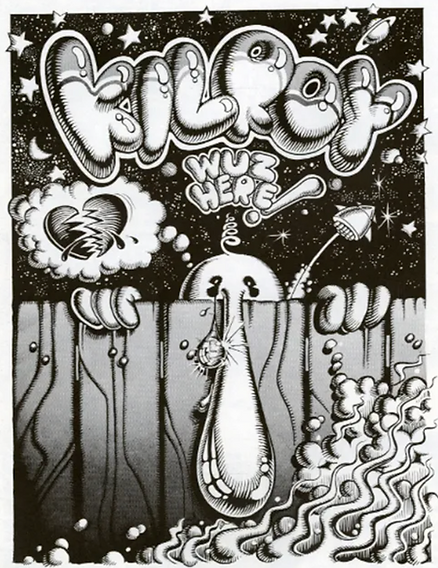
The 1980s marked a fascinating and bittersweet chapter in Rick Griffin’s life. During this decade, he refined his artistic style, deepened his spiritual journey, and continued to impact both surf and rock culture. However, his life was tragically cut short before he could fully realize his next creative evolution.
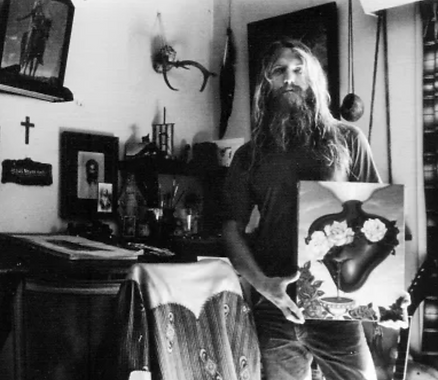
By the early 1980s, Griffin had already cemented his legacy as one of the most influential psychedelic artists of all time. However, instead of simply riding on his past success, he continued to push his creative boundaries, blending hyper-detailed surrealism, religious iconography, and countercultural aesthetics into something entirely unique.
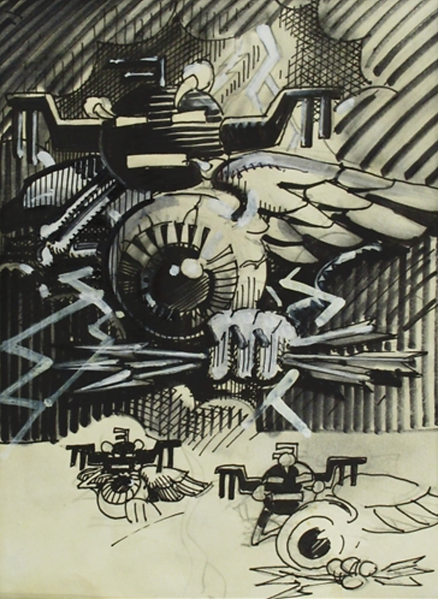
🔥 Refining His Airbrush & Hyper-Realism Techniques
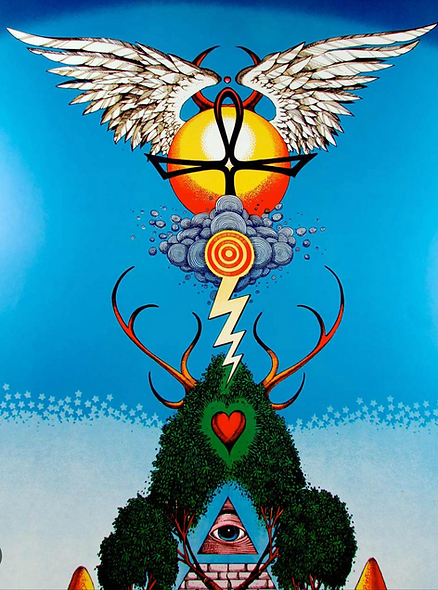
🔥 More Spiritual & Mystical Artwork – His art during this time blended Christian themes, Native American mythology, and cosmic landscapes, making him one of the most unique visual storytellers of his generation.
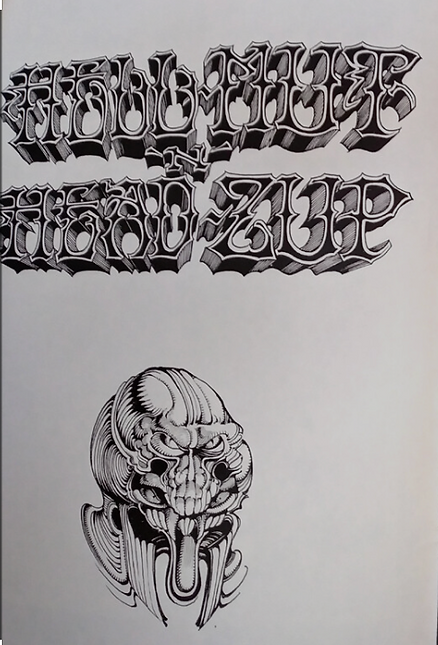
🔥 Album Covers & Music Art
🔥 Underground Comix & Counterculture Work
🔥 The Surf Industry Boom
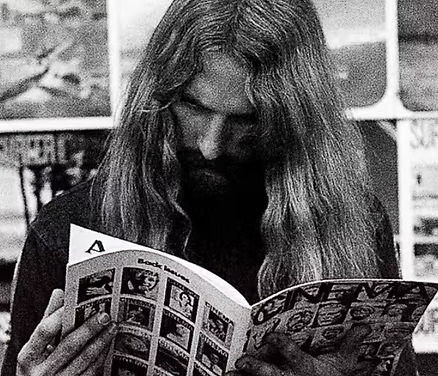
As the decade progressed, Griffin began focusing more on fine art, aiming to establish himself outside the rock and surf art worlds.
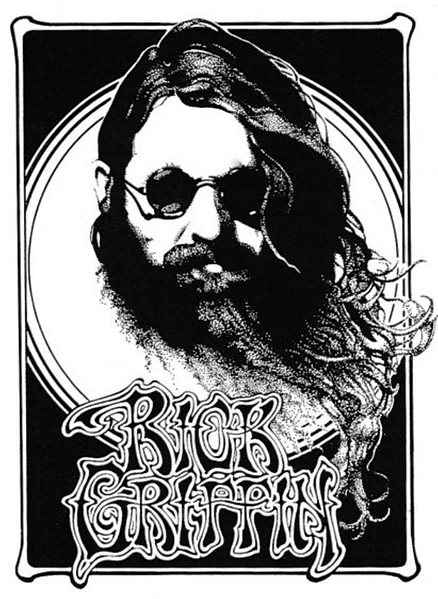
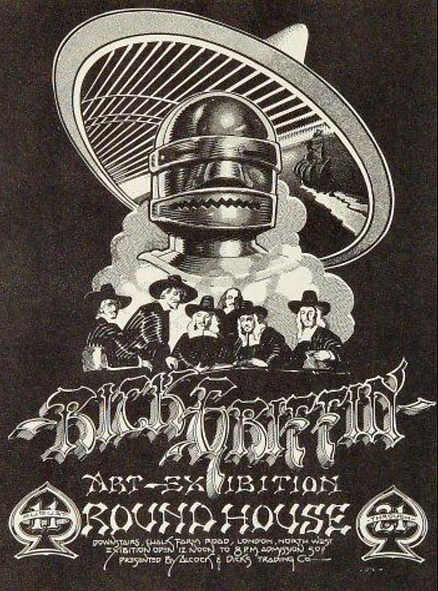
🔥 Exhibitions & Fine Art Recognition
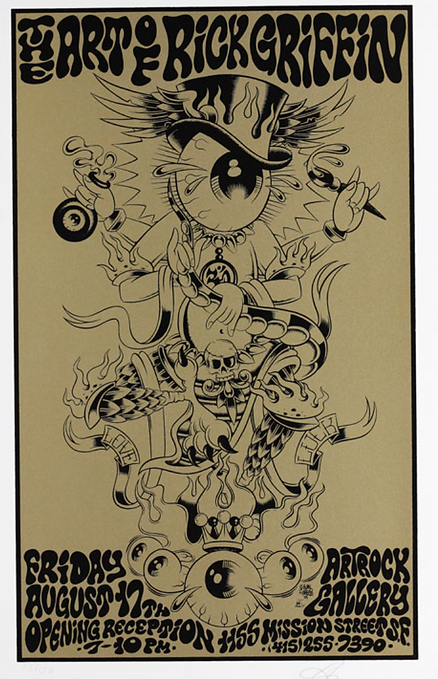
🔥 The California Surf Art Movement
🔥 Spiritual Evolution
In August 1991, Rick Griffin’s life was tragically cut short in a motorcycle accident. He was only 47 years old.
Rick Griffin was not just an artist—he was a cultural alchemist, a visionary, and a mythmaker whose work transcended commercial art, shaping entire movements in rock music, surfing, comics, and spiritual art.
His influence is so profound that it cannot be replicated—no visual artist has, or likely ever will, do what Griffin did.
Let’s break down his unparalleled impact, who he influenced, and his deep artistic connection to Tazuo Yamaguchi (Ipaintcreatures).
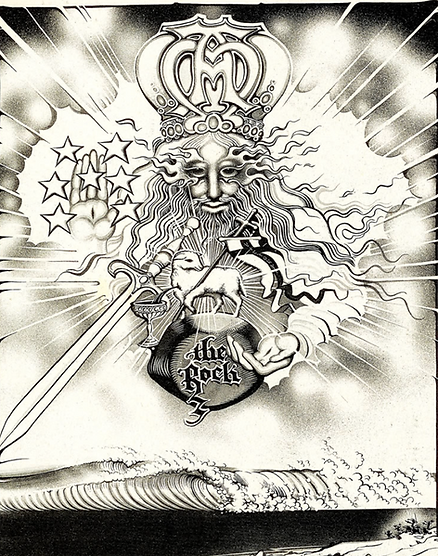
Rick Griffin wasn’t just about psychedelic colors and surreal shapes—he merged the mystical with the countercultural, creating a visual storytelling language that no one else has successfully replicated.
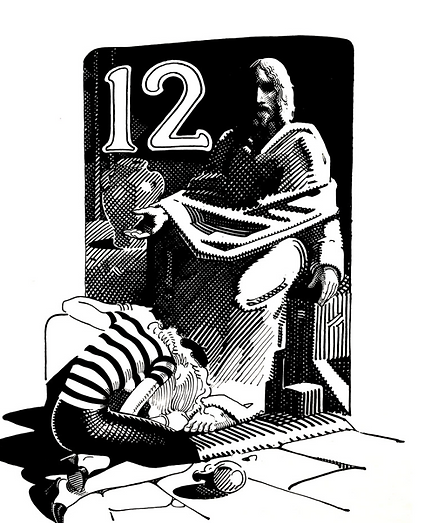
🌀 Example: His Grateful Dead artwork wasn’t just about trippy visuals—it carried deep symbolic weight, incorporating ancient mystical symbols, indigenous mythology, and cosmic storytelling.
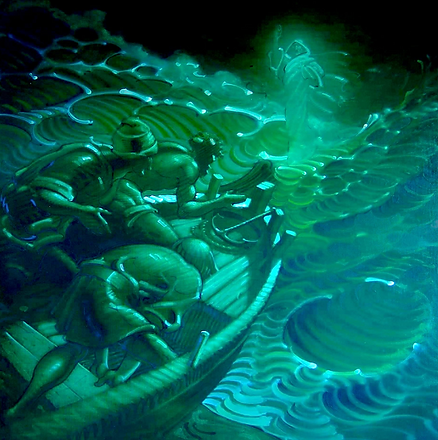
📜 Legacy: No one has captured the essence of the psychedelic movement in the way Griffin did. His work wasn’t just art—it was a cosmic language of rebellion, mysticism, and sound.
Griffin started as a surf comic artist with Murphy in Surfer magazine, but his later work elevated surf art from commercial illustrations to high art.
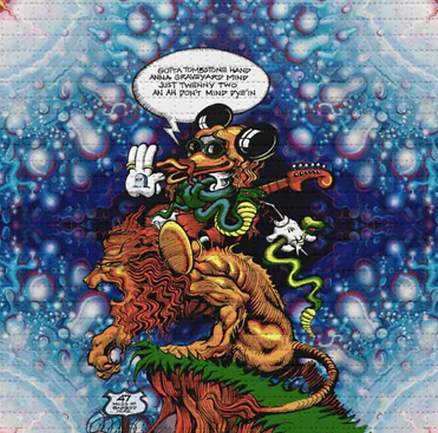
🌊 Legacy: The modern surf industry (brands, art, posters, and films) is still shaped by Griffin’s fusion of tribal, psychedelic, and mystical aesthetics. No one has taken surf art to the level he did.
Griffin didn’t just make psychedelic posters—he helped revolutionize underground comix, creating works that blurred the line between sacred and subversive.
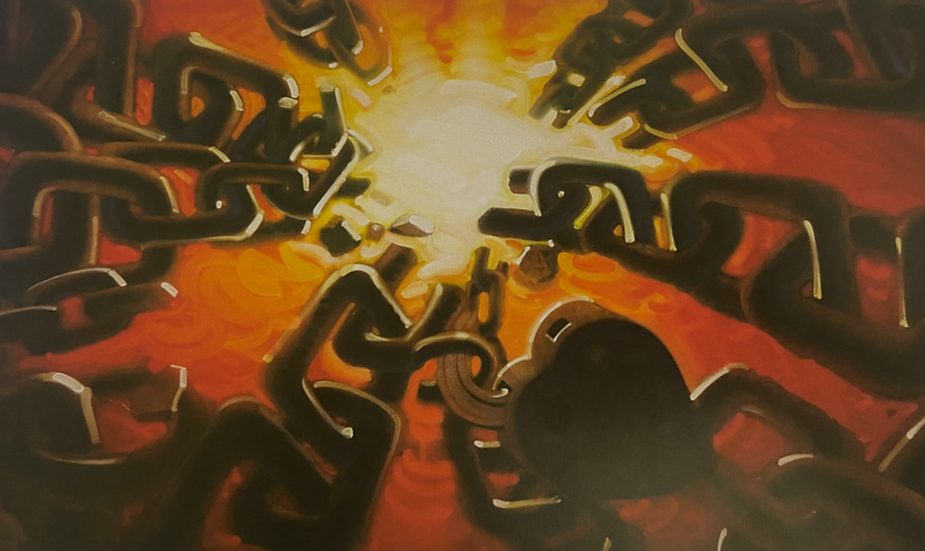
🎭 Legacy: No underground comix artist before or after has blended psychedelia with biblical prophecy, street art with fine art, and rebellion with divine revelation in the way Griffin did.
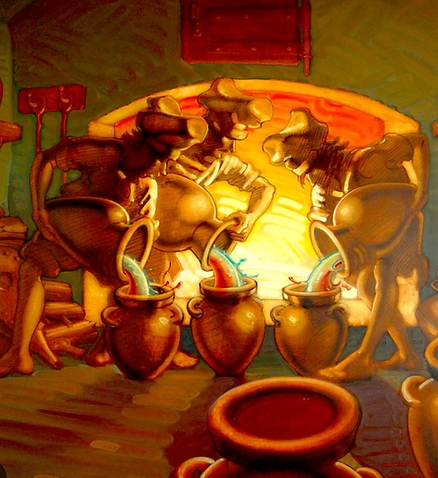
Rick Griffin didn’t just draw—he designed language itself.
🔠 Legacy: Today, poster designers, album cover artists, and street artists still attempt to mimic Griffin’s style, but none have been able to master it with his level of fluidity and mysticism.
Griffin’s influence is endless, but here are some of the most notable figures and movements:
🎸 Music & Psychedelic Rock Art:
🌊 Surf & Skate Culture:
🎭 Underground Comix & Visionary Artists:
🎥 Film & Animation:
Tazuo Yamaguchi (aka Ipaintcreatures) is one of the few artists who carries Griffin’s spirit into modern times. Here’s how:
🔥 Mythological Storytelling & Deep Symbolism
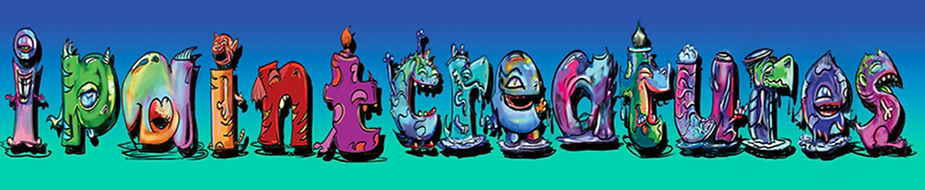
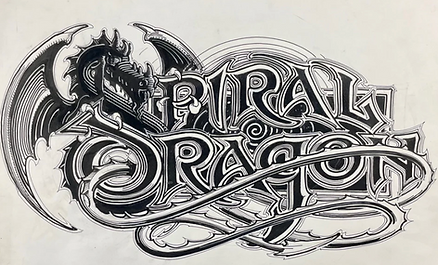
🔥 The Power of Typography & Lettering
🔥 Underground Meets Fine Art
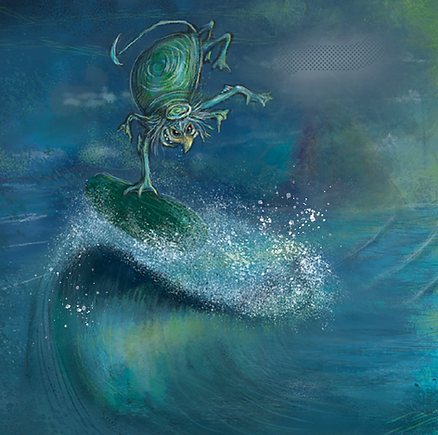
🔥 Spiritual & Visionary Art
🔥 Multidimensional Influence
Rick Griffin was not just an artist—he was a visionary mystic, a rock-and-roll prophet, and a visual architect of altered states of consciousness.
No artist before or after has matched his ability to merge psychedelic, spiritual, musical, and mythological themes into a singular, electrifying vision.
His influence on music, surf culture, underground comics, and typography remains unmatched, and his spiritual artistic journey continues to inspire visionaries like Tazuo Yamaguchi (Ipaintcreatures).
-fotor-bg-remover-20251210165637.webp)


