-fotor-bg-remover-20251211141935.webp)
-fotor-bg-remover-20251211143525.webp)
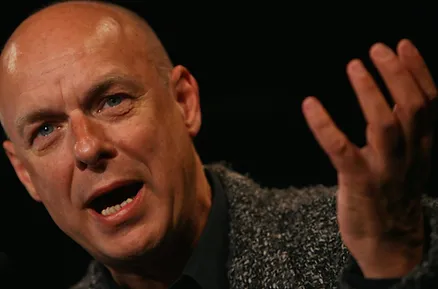
Brian Eno’s journey from humble beginnings to his first major breakthrough in mainstream music is a fascinating story of artistic curiosity, experimentation, and innovation.
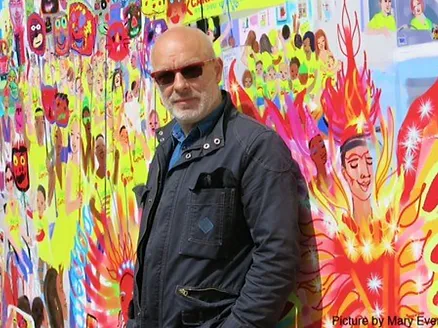
Brian Peter George St. John le Baptiste de la Salle Eno was born on May 15, 1948, in Melton, Suffolk, England. He grew up in a working-class family; his father was a postal worker and clock and watch repairman. His interest in music began early, partly inspired by the do-it-yourself ethos of his family's background.
Eno attended Ipswich Art School and later Winchester School of Art, where he was exposed to avant-garde and experimental art movements, including Dadaism, Fluxus, and John Cage’s conceptual compositions. These influences shaped his approach to sound and music, as he became more interested in the textures and possibilities of sound rather than traditional musicianship.
In the late 1960s, Eno began experimenting with tape machines and synthesizers, which were still relatively new at the time. He was drawn to minimalism and ambient soundscapes, experimenting with looping techniques and tape delay systems.
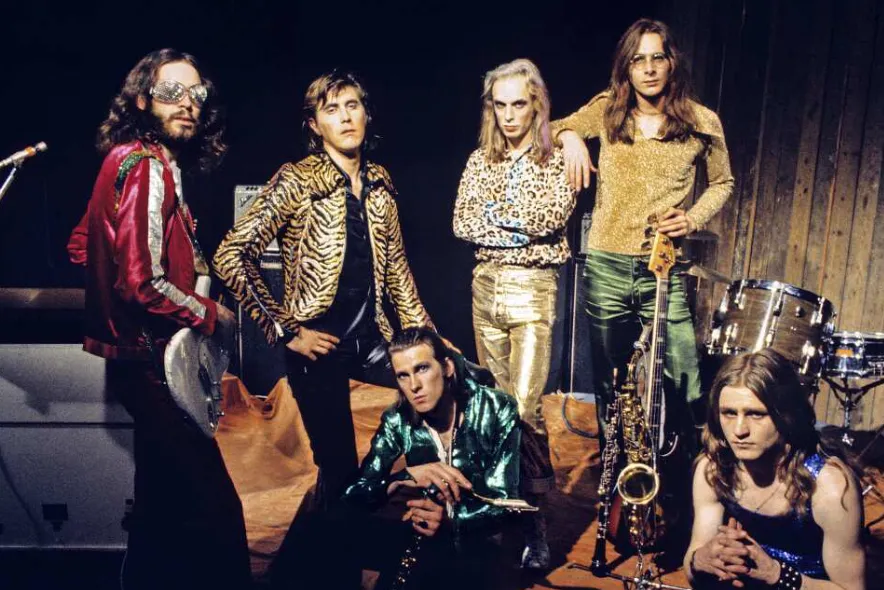
Around 1970, he moved to London and became involved in the underground art and music scene. He met Andy Mackay, a saxophonist and oboist, who invited him to join Roxy Music—even though Eno was not a traditional musician.
Eno joined Roxy Music in 1971 as a non-performing member handling synths, processing sounds, and adding electronic textures. While Bryan Ferry was the frontman, Eno’s sonic experimentation helped shape the band's glam rock-meets-avant-garde sound.
He played a crucial role in their first two albums:
Though Roxy Music was gaining mainstream success, Eno’s experimental approach clashed with Ferry’s more structured vision. By 1973, tensions led to Eno leaving the band.
After leaving Roxy Music, Eno fully embraced his experimental side and launched a solo career. His first two albums merged art rock with tape loops, electronic effects, and unconventional song structures:
"Here Come the Warm Jets" (1974) – A critically acclaimed album blending glam rock, punk energy, and electronic soundscapes. The single Baby’s on Fire became a cult favorite.
"Taking Tiger Mountain (By Strategy)" (1974) – A more conceptually driven and experimental album, further establishing Eno as an innovator.
These records gained a strong following and marked his first true breakthrough into mainstream recognition, though his later ventures into ambient music and production would make him even more influential.
By the mid-1970s, Eno transitioned into ambient music, pioneering the genre with albums like "Discreet Music" (1975) and "Ambient 1: Music for Airports" (1978). He also became an in-demand producer, working with David Bowie (Berlin Trilogy), Talking Heads, and U2—further cementing his place in music history.
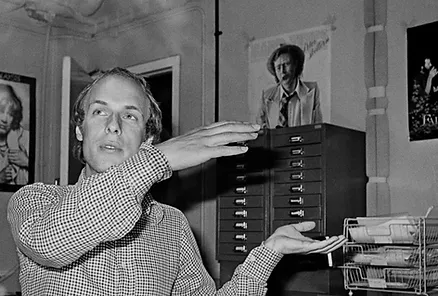
After his initial breakthroughs in the early '70s with Roxy Music and his first solo albums, Brian Eno fully embraced experimental music in the late 1970s, pioneering ambient music and collaborating with some of the most influential artists of the era.
This period saw him shift from art rock to soundscapes, minimalism, and production work that shaped modern music.
In the late '70s, Eno moved away from conventional song structures and developed his concept of “ambient music”—a genre designed to create atmospheric, immersive soundscapes rather than focus on melody or rhythm.
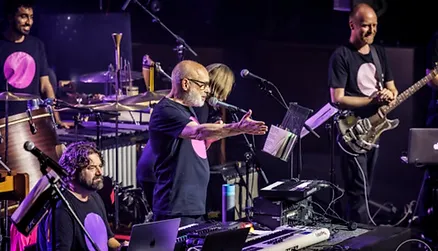
His ambient work was inspired by minimalist composers (John Cage, Erik Satie, Steve Reich) and his growing interest in Eastern philosophy, chance operations, and generative music.
While developing his ambient concepts, Eno also collaborated with David Bowie on his legendary "Berlin Trilogy", bringing experimental textures to rock music.
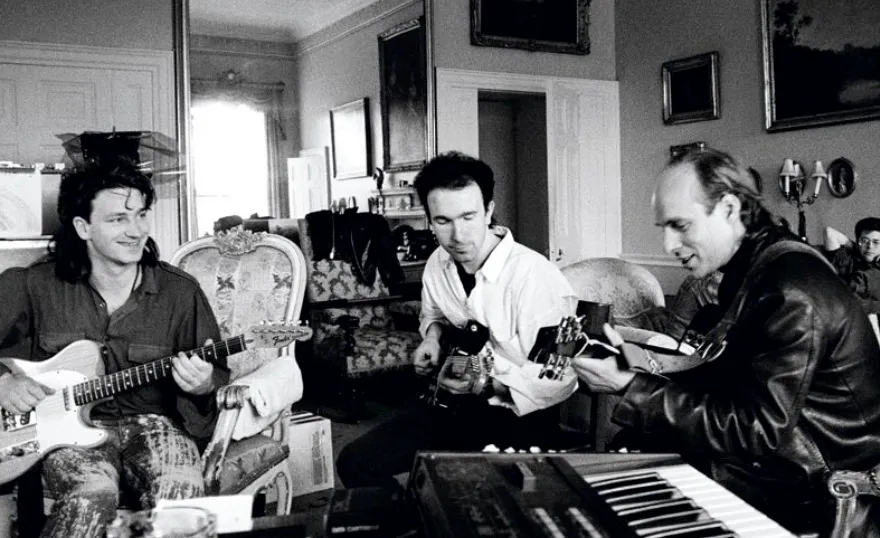
💡 Impact: These albums were hugely influential in shaping post-
punk, new wave, and electronic music—inspiring bands like Joy Division, Talking Heads, and Depeche Mode.
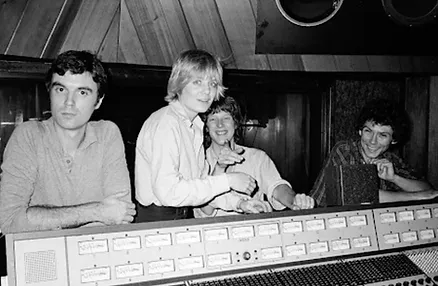
In 1978, Eno teamed up with Talking Heads, producing "More Songs About Buildings and Food" (which included the hit Take Me to the River). His collaboration with David Byrne led to even more experimental music.
🎶 Key Eno-Talking Heads Works:
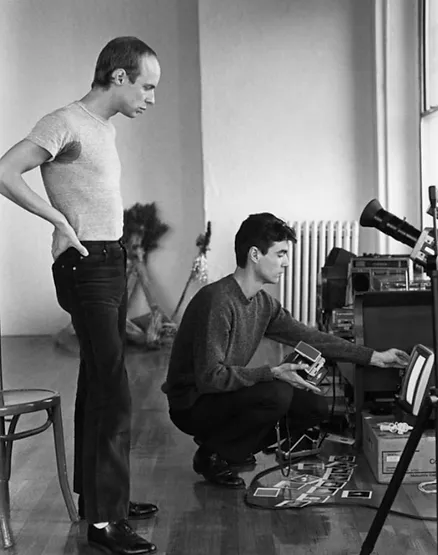
By the end of the 1970s, Eno had revolutionized both rock and electronic music: ✔️ He invented ambient music✔️ He reshaped rock production with Bowie and Talking Heads✔️ He set the stage for post-punk, electronic, and world music explorations
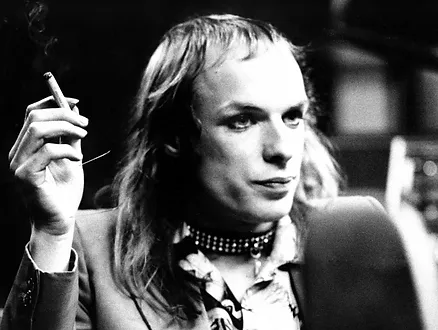
If the 1970s saw Brian Eno inventing ambient music and redefining rock production, the 1980s cemented his role as a pioneering producer, sonic experimenter, and cultural influencer.
He shaped the sound of the decade through his groundbreaking work with U2, Talking Heads, David Byrne, and Laurie Anderson, while continuing his own ambient explorations.
By the mid-'80s, Eno was already a respected producer, but his collaboration with U2 propelled him into mainstream rock history.
🎸 Key U2 Albums Produced by Eno & Daniel Lanois:
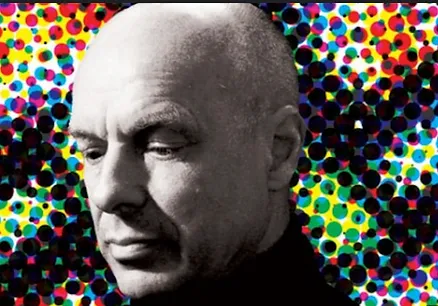
💡 Why It Mattered: Eno wasn’t just a producer—he challenged the band to rethink rock music, pushing them to experiment with soundscapes, delay effects, and unconventional recording techniques.
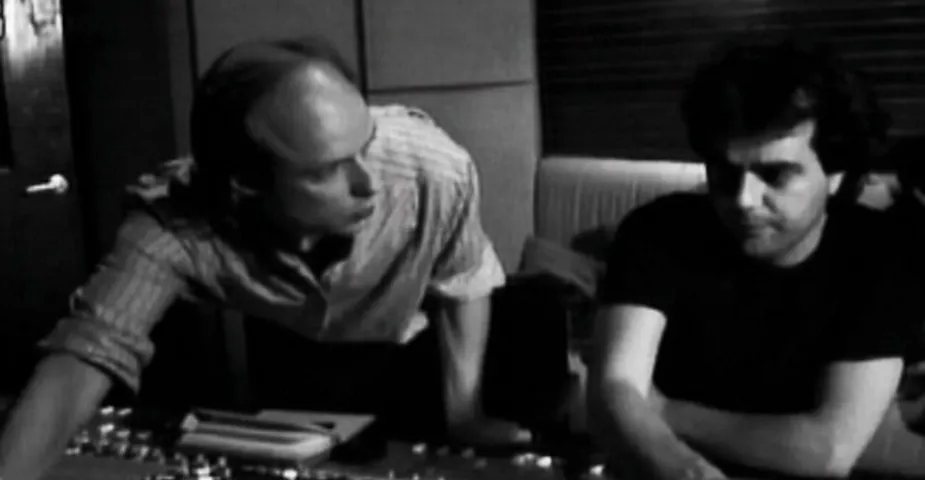
Eno had already produced "More Songs About Buildings and Food" (1978) and "Remain in Light" (1980) with Talking Heads, but his 1981 album with David Byrne, My Life in the Bush of Ghosts, was next-level groundbreaking.
🔊 Why This Album Was Revolutionary:
🔥 Artists like Moby, Kanye West, and Radiohead cite this album as a major influence.
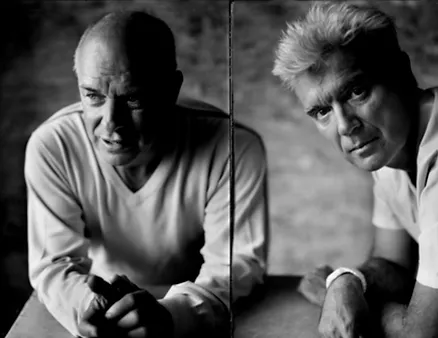
Throughout the '80s, Eno expanded his ambient music experiments, moving into film scores, generative music, and conceptual projects.
🎼 Key Ambient Works:
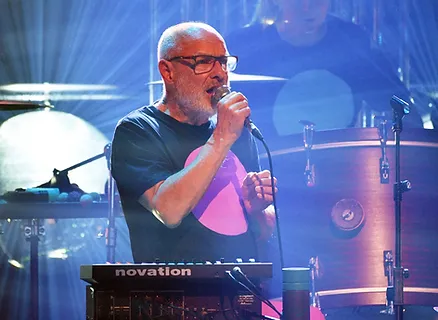
🔮 His ambient music in the '80s shaped later artists like The Orb, Aphex Twin, and the entire genre of chillout/electronic ambient music.
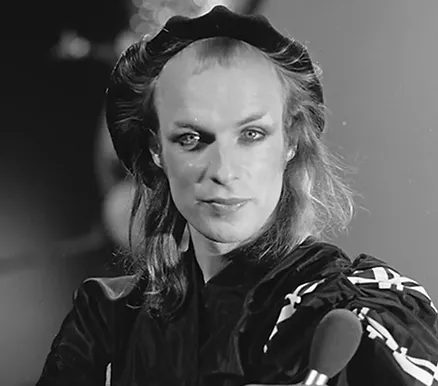
Besides rock and ambient, Eno also pushed boundaries in the avant-garde scene:
By the late 1980s, Brian Eno wasn’t just a musician or producer—he was a cultural architect, shaping the future of music in ways that were still unfolding.
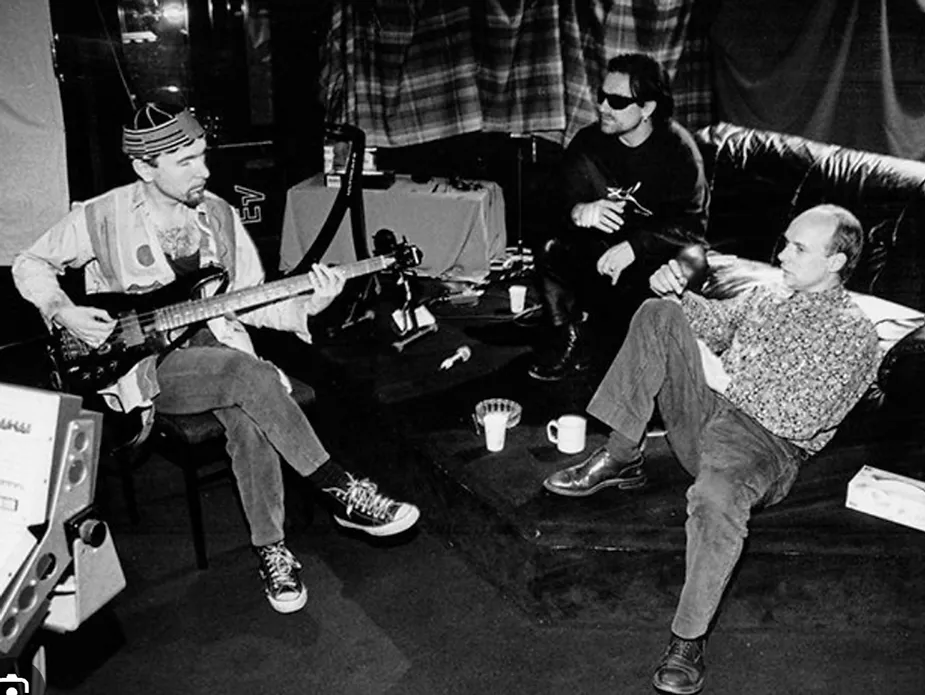
🎯 Legacy of the '80s:✔️ Revolutionized rock production
(U2, Talking Heads)
✔️ Pioneered sampling (My Life in the Bush of Ghosts)
✔️ Advanced ambient and generative music✔️ Blended technology, art, and soundscapes
By the 1990s, Brian Eno had already shaped modern music through ambient compositions, revolutionary rock production, and avant-garde collaborations. But rather than slowing down, he expanded into technology, generative music, visual art, and deep philosophical explorations of what art truly does.
Following the massive success of The Joshua Tree, U2 reinvented themselves with Eno’s help:🔥 "Achtung Baby" (1991) – Eno pushed U2 into industrial, electronic, and experimental rock territory.
This album, featuring One and Mysterious Ways, was a turning point.🔄 "Zooropa" (1993) – A more abstract, electronic album, further showing Eno’s love of sonic deconstruction.
🌍 "Passengers: Original Soundtracks 1" (1995) – An experimental album blending futuristic sound design with rock music, showing U2’s most avant-garde side.
Eno was fascinated by music that evolves on its own, like an ecosystem.
🎼 "Generative Music 1" (1996) – A groundbreaking software-based music project where music changes every time it’s played.
📡 He later worked on music apps, interactive albums, and AI-generated music, influencing everything from video game soundtracks to modern ambient music platforms.
In the ‘90s, Eno influenced a new wave of electronic artists like Aphex Twin, The Orb, and Björk while also producing and collaborating with:
In the 2000s, Brian Eno began speaking and writing extensively about art, technology, and culture,
asking:
🔹 What is the role of art in human society?🔹 Does art serve a practical function, or is it purely for pleasure?🔹 How does technology change our creative process?
💡 One of his central ideas: Art isn’t about answers—it’s about creating better questions.
📢 Key Talks & Writings:
🔮 Music for Visual Spaces: In the 2000s, Eno moved deeper into visual art, creating large-scale immersive installations blending sound and light.
🎨 Key Projects:
🎵 Eno continues making ambient, generative, and political music:
💡 Political Activism:
In recent years, Eno has argued:🧠 AI will not replace artists but will help us make more unexpected creative choices.🌍 Art should focus on changing perspectives, not just aesthetics.🎼 Music will become increasingly fluid and infinite, rather than being trapped in fixed recordings.
✔️ Invented ambient music & generative music.✔️ Transformed rock production (Bowie, U2, Talking Heads).✔️ Merged music, technology, and philosophy.✔️ Revolutionized visual art with generative paintings.✔️ Continues shaping the conversation about AI, creativity, and the role of art.
Brian Eno has spent decades rethinking how music and art evolve, and his predictions for the future are deeply tied to technology, AI, generative processes, and societal transformation. He sees music and art as ever-changing, infinite, and interactive, breaking free from traditional structures.
Let’s explore his vision for the future of music and art, based on his writings, talks, and experimental projects.
📡 Key Idea: Instead of static songs and albums, music will be generative and ever-evolving, meaning no two experiences will be the same.
💡 Eno’s Thought: "The next step in music is something that grows and changes over time, adapting to the listener, the environment, and even emotions."
🔄 Examples of This Idea in His Work:
🚀 The Future:
🤖 Eno believes AI will act as a “co-composer” rather than replace human musicians.
🔍 His View: "What makes music exciting isn’t perfection—it’s surprise. AI can help artists discover ideas they wouldn’t have thought of on their own."
🎵 How This Is Already Happening:
🛑 Fixed albums will become less relevant as music becomes more interactive and non-linear.
🔊 Possible Future:
🌎 Eno’s View: "Imagine a piece of music that you experience differently every time, depending on where you are, the weather, or even your own heartbeat."
🎶 A Glimpse of This Future:
🎨 Eno’s Concept: "Why should a painting always look the same? What if it could constantly evolve, like a living organism?"
🔮 Key Innovations:
💡 The Future:
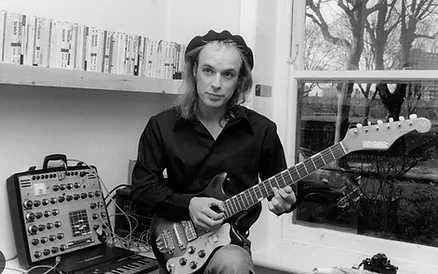
🖥️ Real-World Example:
🧠 Eno predicts artists will move beyond creating objects and instead design full sensory experiences.
🔊 Example: Instead of painting a static image, an artist might create a room where visuals, sounds, and even scents evolve together.
🚀 Possible Future:
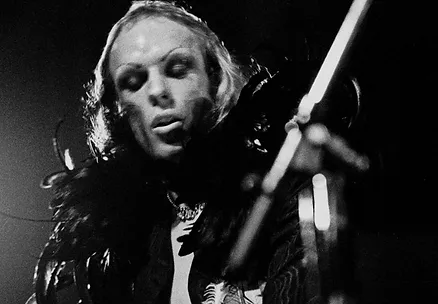
Eno sees the future of creativity as a network, where artists, AI, and audiences interact in new, unexpected ways.
🤝 His View:
🔹 Real-World Example:
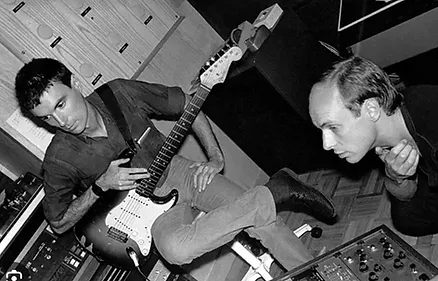
🔮 Eno’s Ultimate Question: “What does art do?”
For Eno, art isn’t just about creating something beautiful—it’s about changing how we think, feel, and interact with the world.
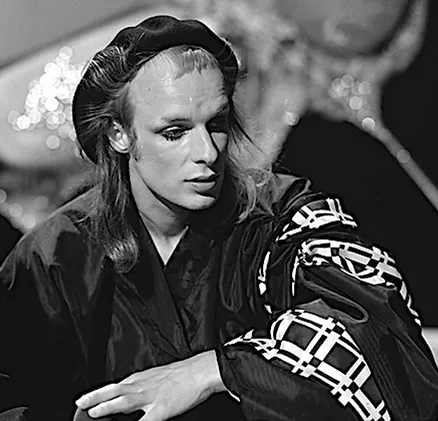
✅ Art will challenge our assumptions.
✅ Music will be an environment, not just a product.
✅ Technology will enhance creativity, not replace it.
✅ The role of the artist will shift from “creator” to “experience designer.”
💡 As Eno says: “Art gives you permission to be different. The future of art is about opening up new ways of seeing, listening, and being.”
Brian Eno has been a strong advocate for arts education, arguing that creativity is not just for artists—it’s an essential human skill that should be at the heart of education. He believes that art teaches problem-solving, adaptability, and lateral thinking, which are crucial in a rapidly changing world.
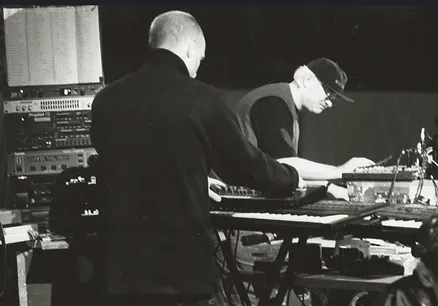
Here’s a breakdown of his key ideas on arts in education and why he believes the arts are more important than ever.
🛑 Eno criticizes modern education systems for placing too much emphasis on STEM subjects (science, technology, engineering, and math) while treating the arts as optional or secondary.
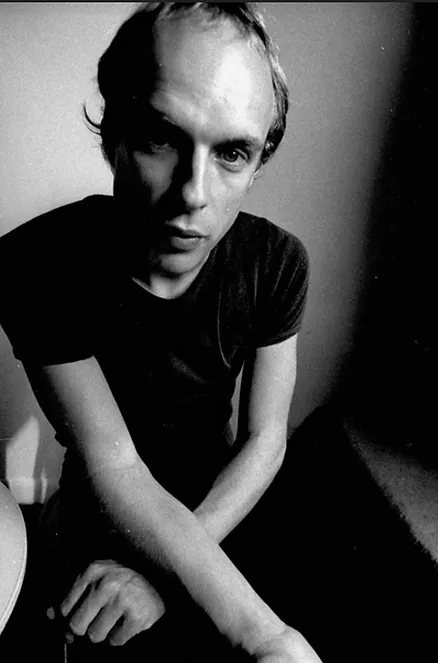
💡 His View: "The arts are often dismissed as a luxury, but in reality, they are the foundation of creative thinking, which is essential in science, business, and innovation."
🚀 Why This Matters:
🔹 Example:
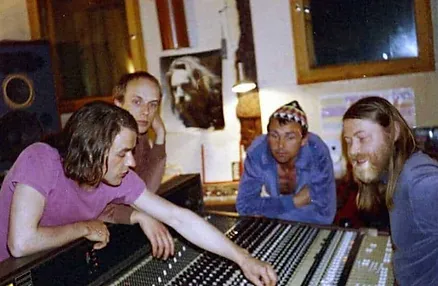
🎨 1. Improvisation & Adaptability – Learning to think on your feet and adjust to unexpected challenges.
💡 2. Lateral Thinking – Making connections between seemingly unrelated ideas, leading to innovation.
🧠 3. Risk-Taking & Embracing Failure – Artists experiment constantly; failure is part of the process, which is vital in any field.🎭 4. Empathy & Emotional Intelligence – Art helps people understand different perspectives and cultures.
📢 Eno’s Take: "Art education isn’t about making people into artists—it’s about making people more imaginative, adaptable, and curious about the world."
📡 Eno believes that in a world increasingly dominated by AI, automation, and algorithms, the uniquely human skills developed through the arts will be more valuable than ever.
🔹 His Argument:
💡 "The future of work isn’t about memorizing facts—it’s about making connections between ideas that haven’t been connected before."
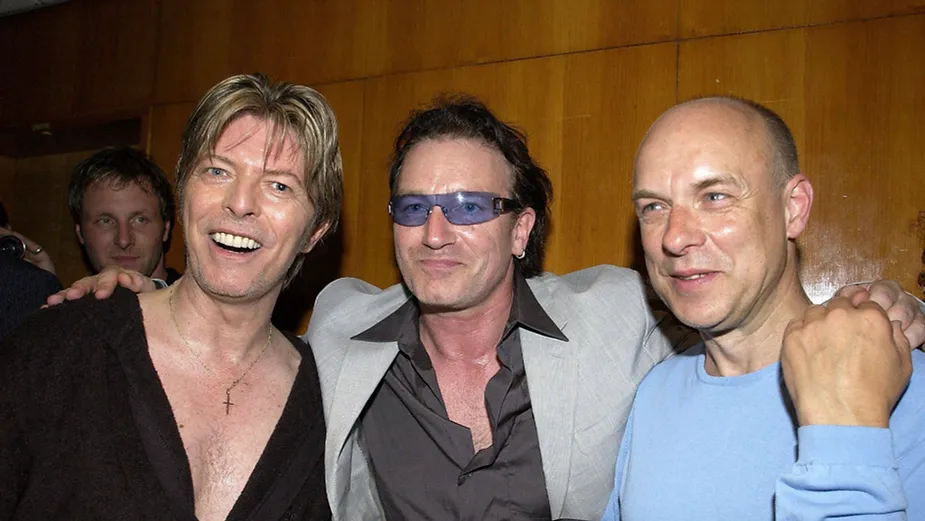
📢 Eno’s Big Question: "Are we teaching kids to be factory workers or to be creators and thinkers?"
🛠️ Eno suggests the following shifts in education:
🔹 Instead of cutting art programs, schools should integrate music, painting, theater, and storytelling into everyday learning.
🎼 Music and math should be taught together—since both involve patterns, structures, and improvisation.
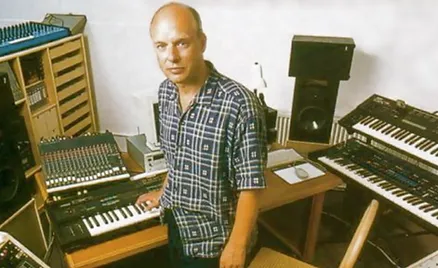
📢 "Art isn’t just about making pretty pictures—it’s about learning how to experiment, make mistakes, and see the world in new ways."
💡 He wants schools to emphasize:
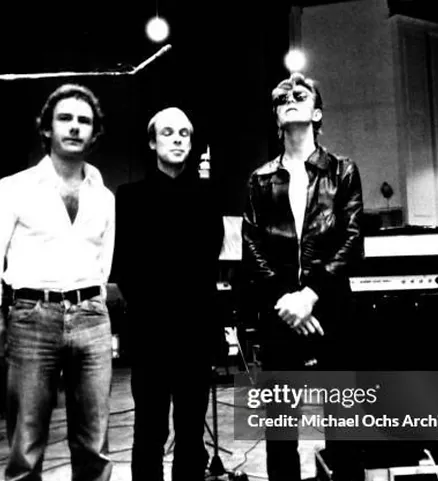
🔹 Eno believes that traditional education kills curiosity by forcing students to find "correct" answers instead of exploring multiple possibilities.
🎭 His solution: Schools should be more like art studios, where students can experiment and create, rather than just memorize.
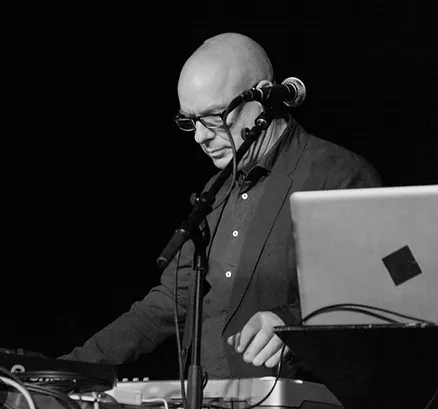
📚 Supporting the Arts in Schools
🎓 Lectures & Talks
🔬 Supporting STEAM (Science, Technology, Engineering, Arts, and Math) Instead of Just STEM
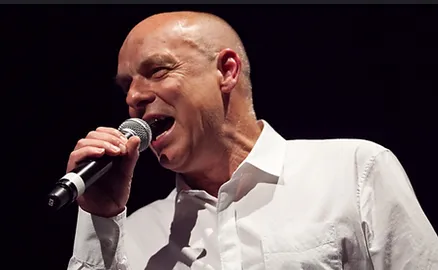
🌎 In a world of automation, AI, and constant change, creativity is the most important skill humans have.
📢 Eno’s Message:
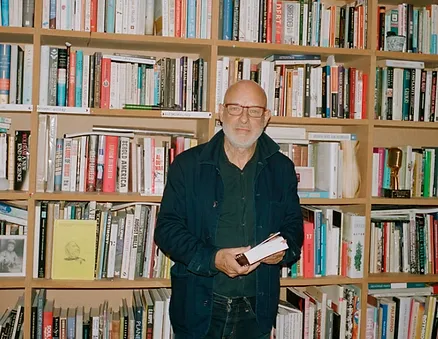
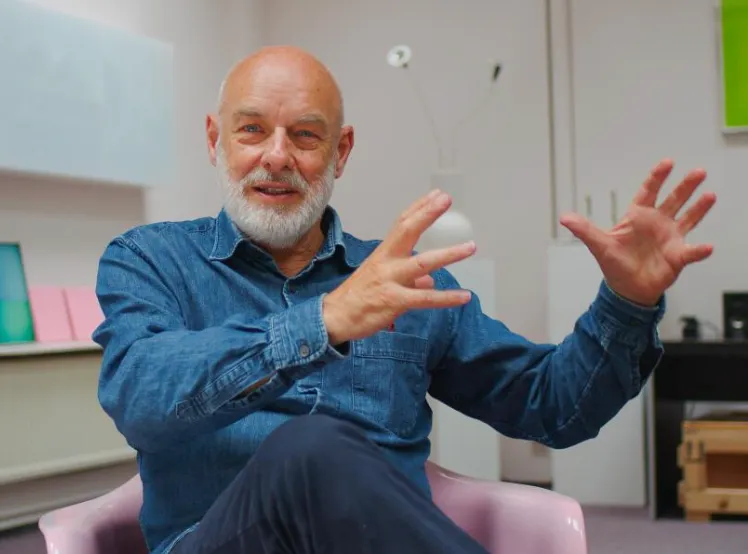
Brian Eno is one of the most influential artists, producers, and thinkers of the modern era. His legacy stretches far beyond music—he has shaped visual art, technology, philosophy, and education, leaving a profound impact on multiple generations of artists.
Let’s explore:
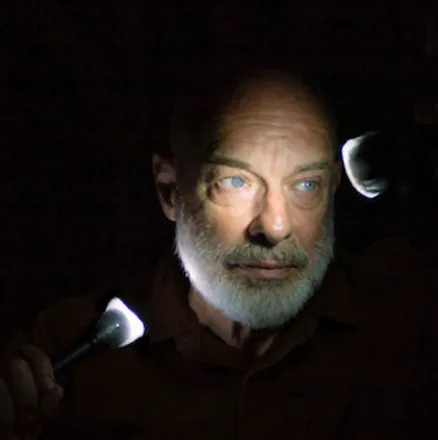
Eno’s creative vision was shaped by a diverse range of influences, from avant-garde composers to visual artists, philosophers, and scientists.
🎼 John Cage – Introduced the idea of chance in music and letting randomness shape a composition.🎻 Erik Satie – A pioneer of “furniture music,” which influenced Eno’s ambient soundscapes.🎧 Steve Reich & Terry Riley – Minimalist composers who used loops and repetition, shaping Eno’s approach to generative music.
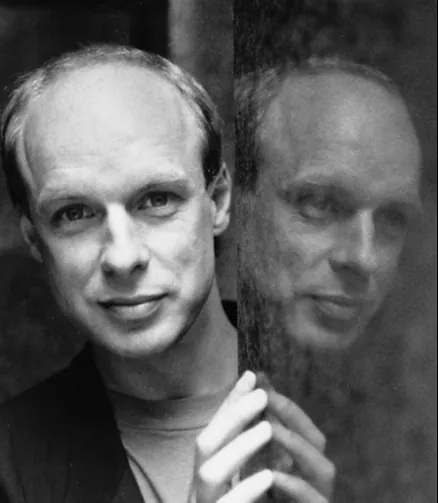
🖼️ Marcel Duchamp – Questioned what art could be, which influenced Eno’s conceptual approach.📡 Marshall McLuhan – Media theorist who saw technology as an extension of human perception—a big theme in Eno’s work.📚 Buckminster Fuller – A visionary designer who believed in systems thinking and creative problem-solving.
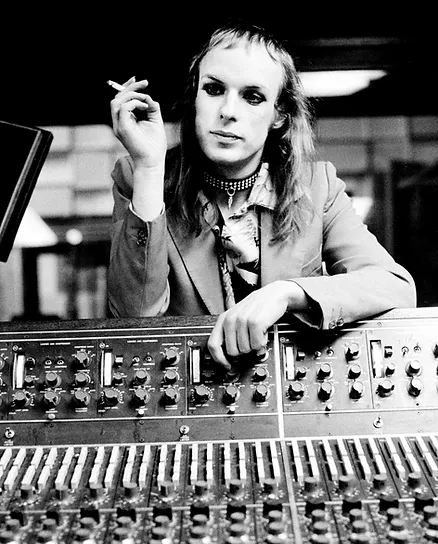
🚀 J.G. Ballard – A writer who explored the psychological effects of technology, music, and modern life.💾 Cybernetics & Systems Thinking – Eno was fascinated by how systems evolve, which led to his generative art & music.
🌍 Eno’s Philosophy:
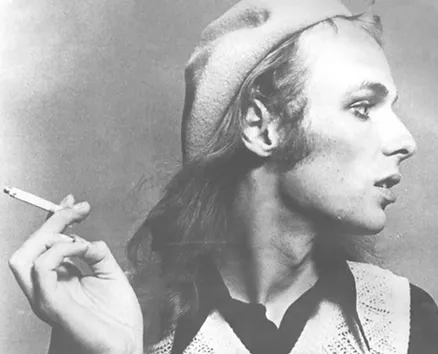
Eno’s influence spans music, art, and technology, shaping some of the biggest names in creative culture.
🎸 David Bowie – Collaborated with Eno on the Berlin Trilogy, pioneering a new era of experimental rock.🎤 U2 – Eno helped reinvent their sound, blending ambient textures with rock.🖥️ Aphex Twin, Björk, & Radiohead – Electronic and alternative artists deeply inspired by Eno’s use of texture, loops, and soundscapes.🎛️ Kanye West – Uses repetition, minimalism, and ambient textures, which are hallmarks of Eno’s influence.
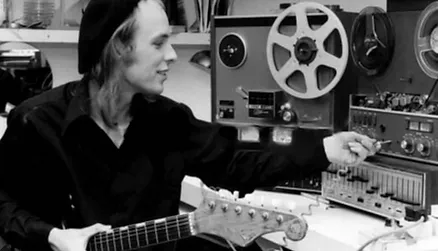
🎨 Refik Anadol – Creates AI-driven, generative artworks inspired by Eno’s concept of “evolving paintings.”📱 Jonathan Ive (Apple’s Chief Designer) – Cites Eno’s approach to simplicity and elegance as an influence on Apple’s design philosophy.
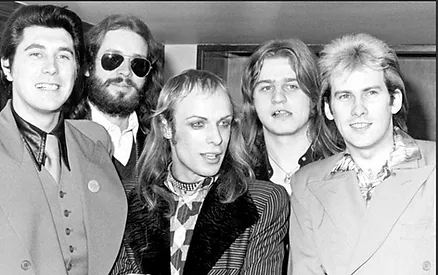
🎥 Denis Villeneuve (Director of Arrival & Dune) – Uses ambient soundscapes inspired by Eno’s work.🎮 Video Game Designers (e.g., No Man’s Sky, Journey) – Create ever-changing, procedural soundtracks influenced by Eno’s generative music.
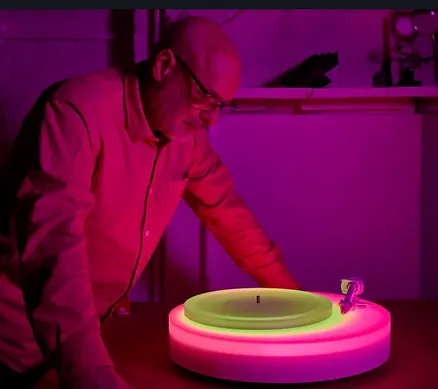
🤖 Brian Eno & AI Creatives – His work in generative music has directly influenced AI-powered creative tools, shaping the future of interactive art.
🎶 Without Eno, there would be no lo-fi playlists, AI music generators, or interactive music apps.
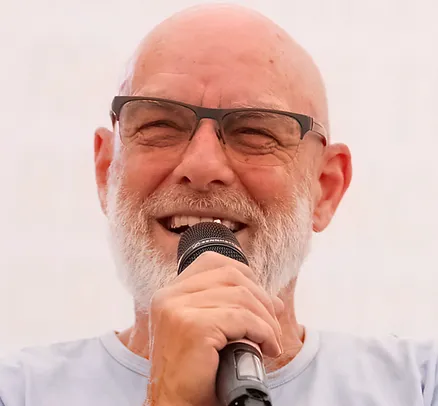
💡 Eno’s Influence: Today, many artists use AI, interactive visuals, and sound installations inspired by his philosophy.
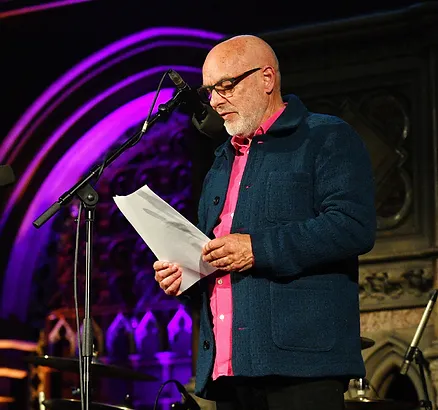
🔹 His Ideas Live On In:
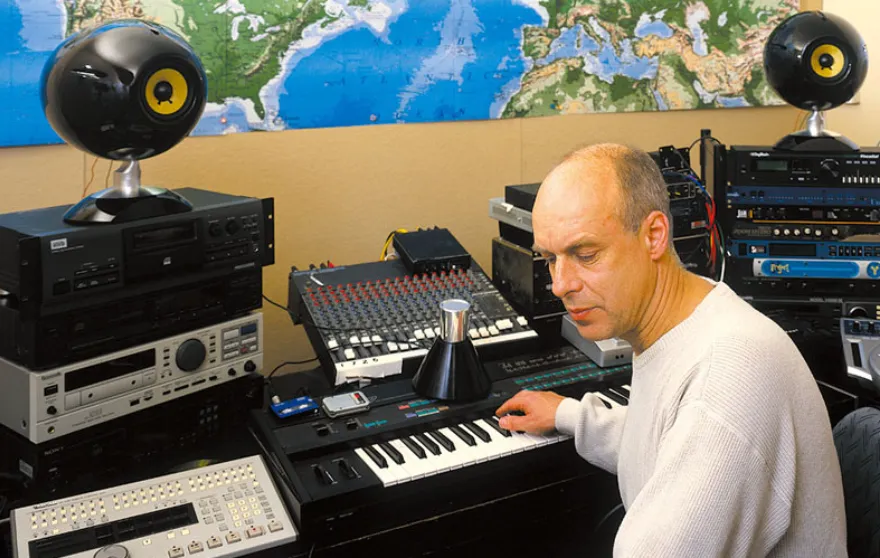
🎤 Eno’s Message: “We need more creative thinkers, not just workers. Art teaches people how to think in new ways.”
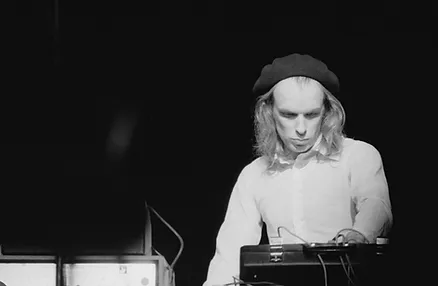
Brian Eno’s pioneering approach to sound design, ambient textures, and generative music directly inspires the sonic landscapes of Matsu, shaping its fusion of ancient tradition and futuristic experimentation.
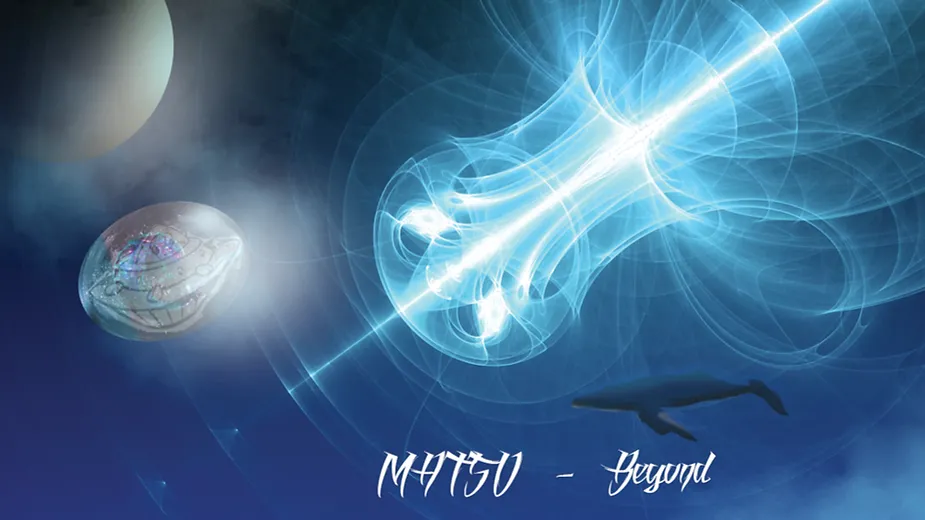
His philosophy—treating music as an evolving system rather than a fixed structure—resonates deeply with Cameron Scott, Matsu’s musical director, who applies modern production techniques, holographic soundscapes, and improvisational layering to craft immersive experiences.
Just as Eno transformed the sound of Bowie, U2, and Coldplay by pushing creative and technological boundaries, Matsu harnesses cutting-edge sound engineering, live-looping, and spatial audio to bridge mythology, Yokai-inspired storytelling, and interdimensional sound journeys. Eno’s ethos—where music is not just heard but felt as an environment—continues to inspire Matsu’s mission: crafting sonic worlds that transport listeners beyond time and space.
Brian Eno’s ideas continue to shape the future of music, art, and technology.
✅ He changed how we listen to music – From albums to sound environments.
✅ He redefined what art can be – From static objects to evolving systems.
✅ He helped bridge the gap between creativity and technology.
✅ He inspired generations of artists, musicians, and thinkers.
💡 Eno’s Big Idea: “Art isn’t just about entertainment—it’s about changing how we see the world.”
-fotor-bg-remover-20251210165637.webp)


