-fotor-bg-remover-20251211141935.webp)
-fotor-bg-remover-20251211143525.webp)
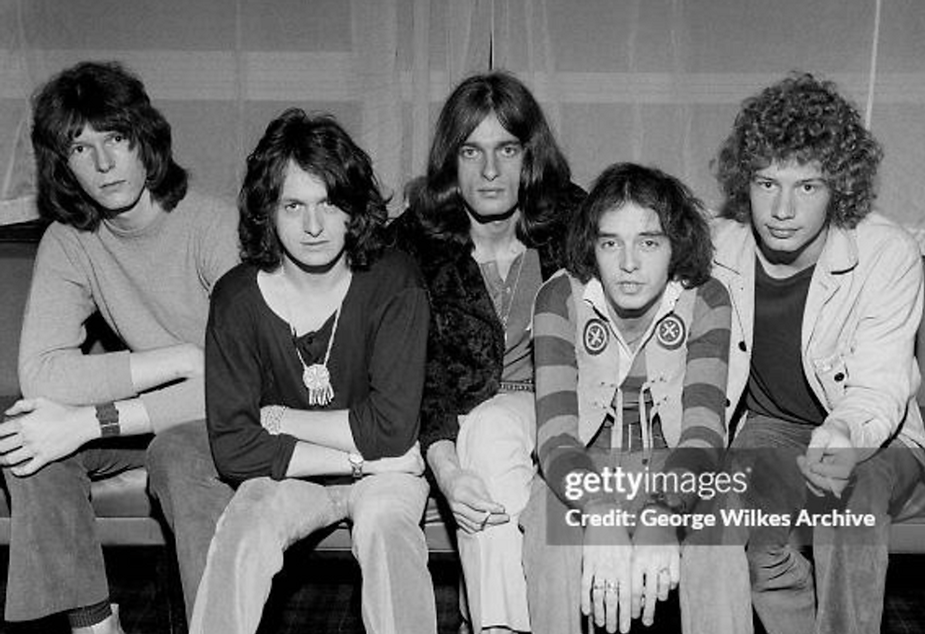
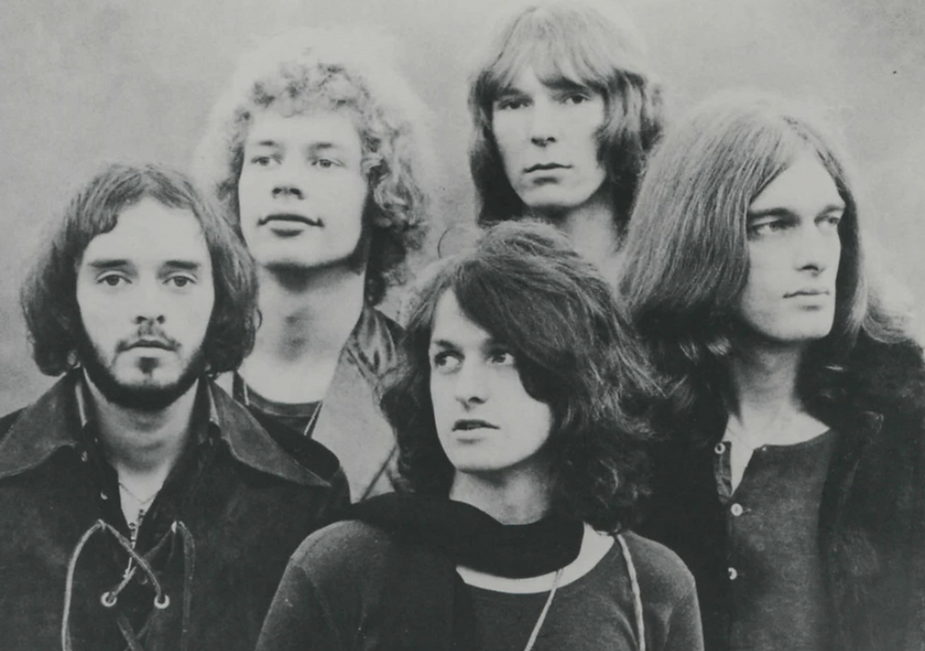
YES was formed in 1968 in London, England, emerging as a band that would eventually define the progressive rock movement.
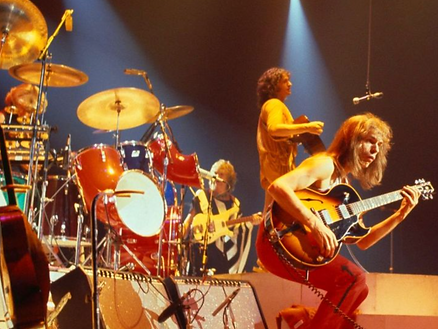
Their journey began with a chance meeting between Jon Anderson, a singer from Accrington, and Chris Squire, a talented bassist from London. Anderson had been singing in local bands like The Warriors and had a love for rich harmonies and ambitious songwriting.
Squire, fresh from his time with The Syn, had a unique approach to bass playing, using it as a lead instrument rather than just a rhythm foundation.
The duo bonded over their shared appreciation for harmony-driven music, particularly The Beatles, Simon & Garfunkel, and the emerging psychedelic and progressive rock scenes. They soon set out to form a new band that would blend intricate musicianship with soaring vocals.
Anderson and Squire recruited:
This lineup came together with the goal of pushing rock music into new territories. Their sound mixed elements of jazz, classical, and psychedelic rock, with complex harmonies and intricate instrumental interplay.
YES played their first gig on August 4, 1968, at the East Mersey Youth Camp, and soon after landed a prestigious gig opening for Cream at their farewell concert at the Royal Albert Hall.
Their live performances gained attention for their ambitious reworkings of classic songs, showcasing extended instrumental passages and tight vocal harmonies.
After building a strong reputation on the live circuit, YES signed with Atlantic Records and recorded their self-titled debut album, YES, which was released in July 1969. The album featured:
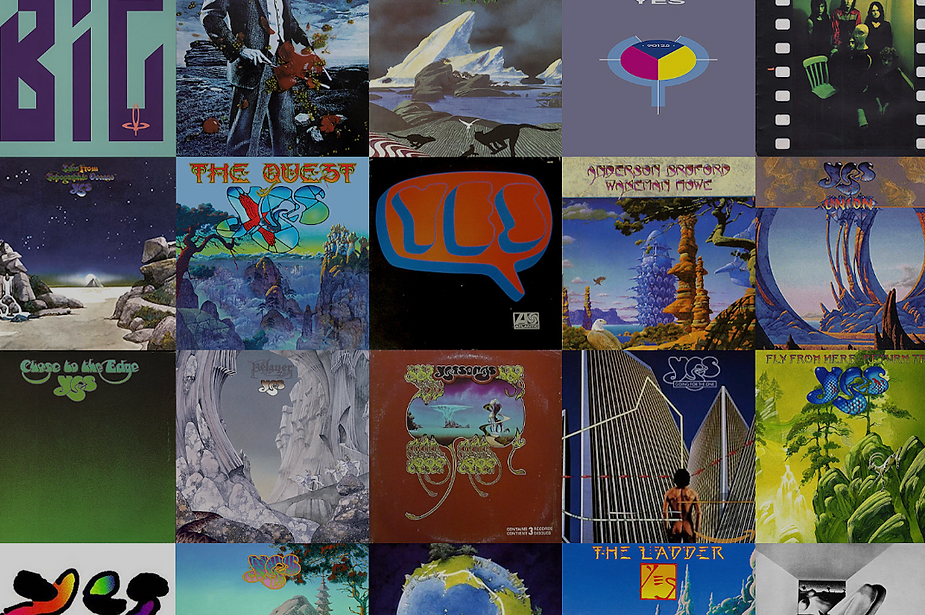
While the album didn’t make a huge commercial impact, it was well-received by critics and set the foundation for what YES would become. The band’s ambition and musicianship were already evident, and they were just getting started.
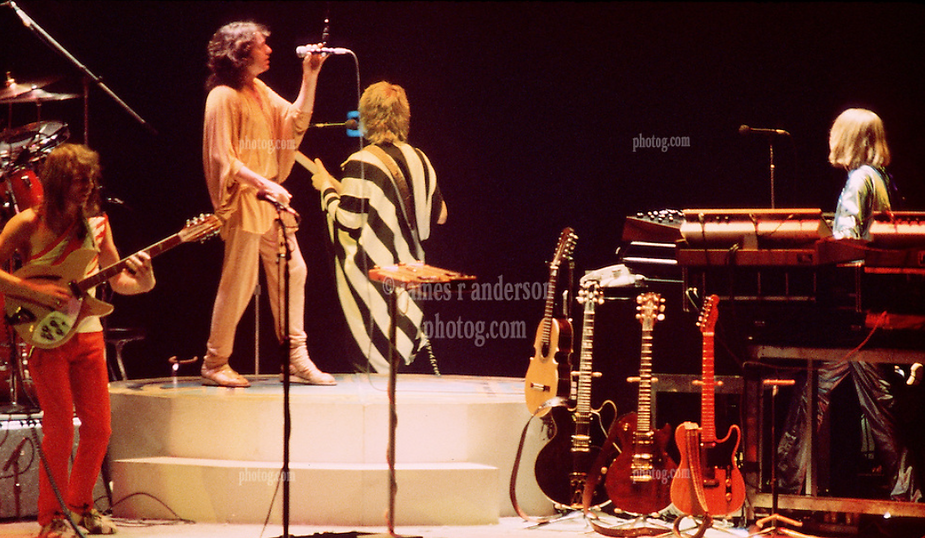
Following their debut, YES continued to refine their sound, moving toward a more complex, symphonic style. Their next album, Time and a Word (1970), would push them further into orchestral arrangements and ambitious songwriting, paving the way for their golden era in the early '70s.
The 1970s saw YES evolve from a promising band into one of the most influential progressive rock groups of all time. This decade was marked by groundbreaking albums, multiple lineup changes, and some of the most ambitious music ever recorded.
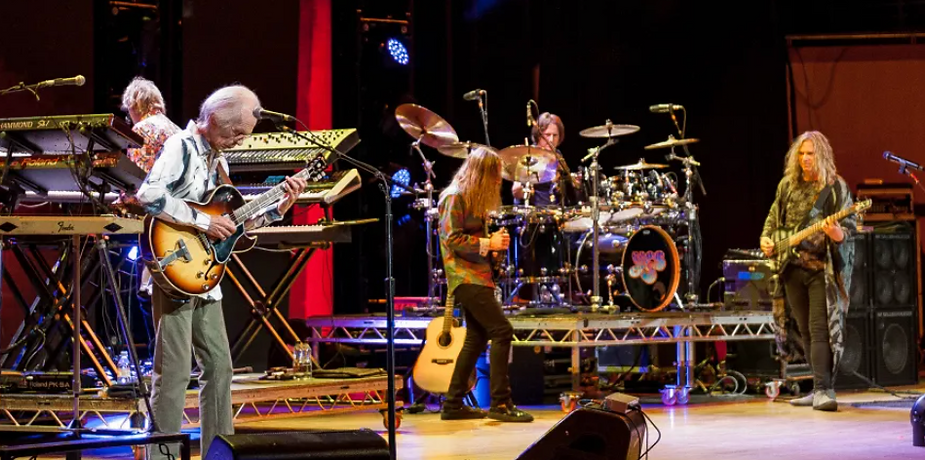
After their self-titled debut, YES released their second album, Time and a Word, in July 1970. This album experimented with orchestral arrangements, which caused tensions within the band, particularly with Peter Banks, who preferred a rawer rock sound.
Before the album was even released, Banks was fired and replaced by a young, classically trained guitarist named Steve Howe (formerly of Bodast).
Key Songs:
While Time and a Word showed promise, the real transformation of YES began with their next album.
With Steve Howe on board, YES moved toward a more intricate and dynamic style. The Yes Album (released in February 1971) marked the first major step toward their signature progressive rock sound.
The album eliminated orchestral elements and focused on long-form compositions, complex harmonies, and Howe’s innovative guitar playing.
Key Songs:
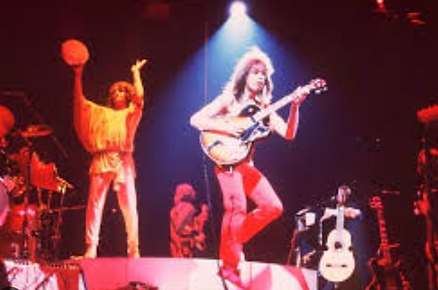
The album was a major success, reaching #4 in the UK and establishing YES as a band to watch.
YES’s lineup solidified when Rick Wakeman, a classically trained keyboard virtuoso, replaced Tony Kaye, who was resistant to using synthesizers.
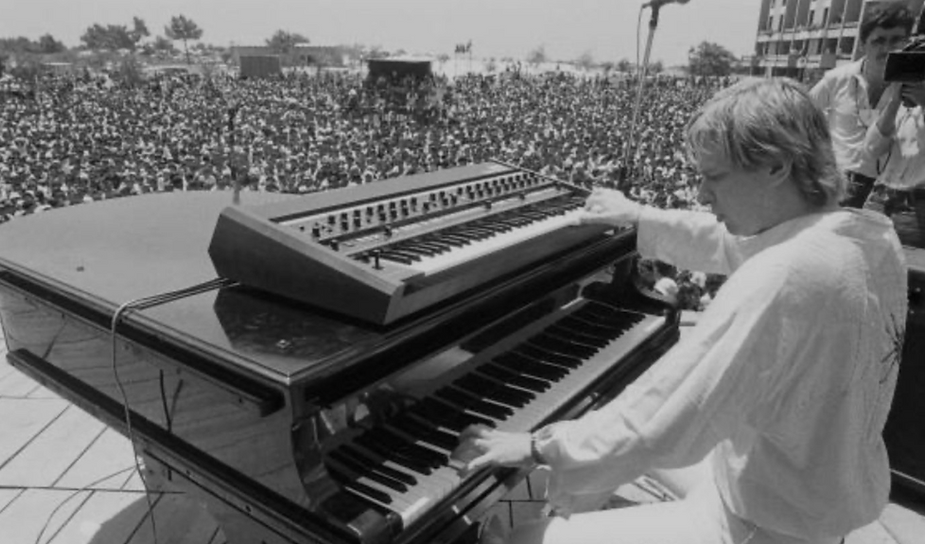
Wakeman’s arrival transformed YES’s sound, bringing in Minimoogs, Mellotrons, and grand piano flourishes that would define their progressive rock style.
Released in November 1971, Fragile became YES’s breakthrough album, thanks to the hit "Roundabout", which featured an iconic opening guitar riff.
Key Songs:
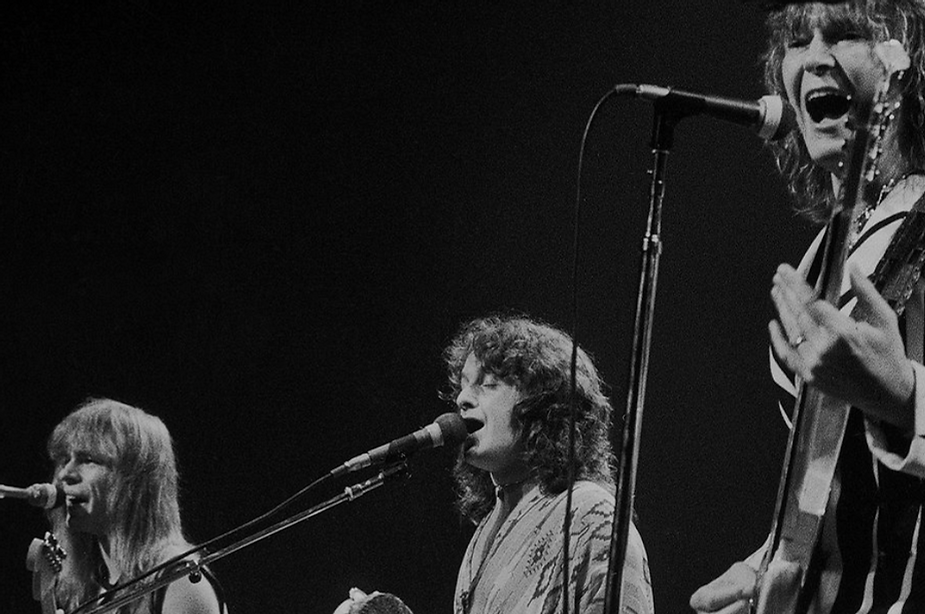
The album was a massive success, reaching #4 on the US charts and launching YES into rock stardom.
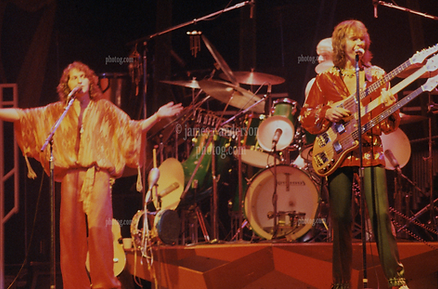
YES reached the peak of their creativity with Close to the Edge (released in September 1972). This album contained only three songs, including the 18-minute title track, a towering masterpiece of progressive rock.
Key Songs:
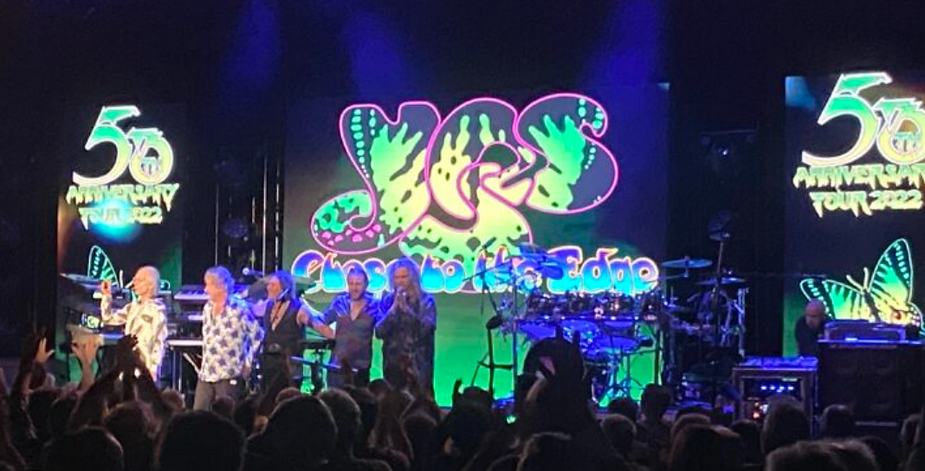
The album was a critical and commercial triumph, hitting #4 in the US and UK. It remains one of the greatest progressive rock albums of all time.
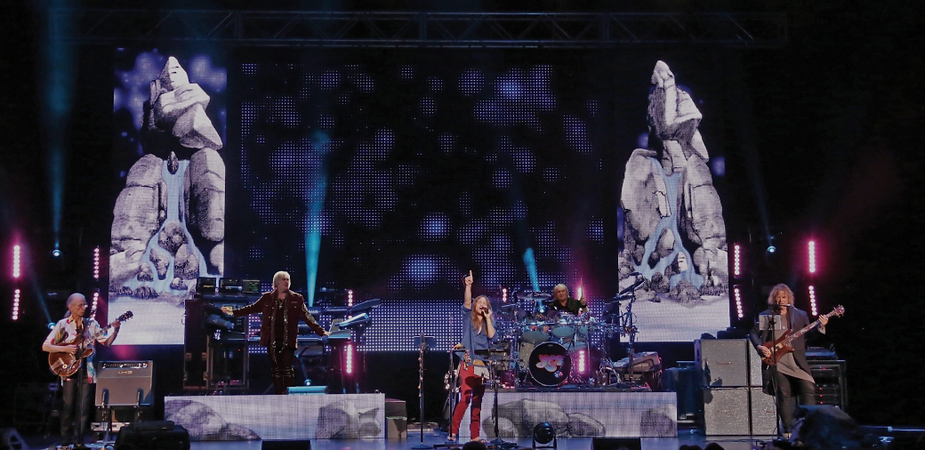
With confidence soaring, YES took their ambition to the extreme on their next album, Tales from Topographic Oceans (December 1973). This was a double album consisting of four side-long tracks inspired by Hindu scriptures.
Key Songs:

While it reached #1 in the UK, the album was divisive—some fans considered it a masterpiece, while others felt it was too indulgent. Rick Wakeman grew frustrated with the direction and left the band after the tour.
YES recruited Patrick Moraz (a Swiss keyboardist with a jazz background) to replace Wakeman. Their next album, Relayer (December 1974), was heavily influenced by jazz fusion, particularly Mahavishnu Orchestra.
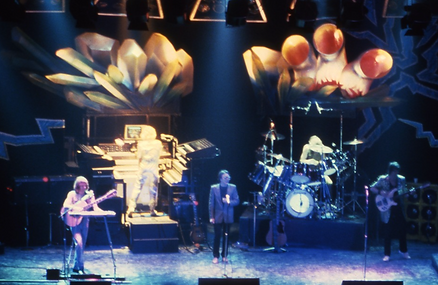
Key Songs:
The album was another success, but by 1976, Moraz left, and Rick Wakeman rejoined the band.
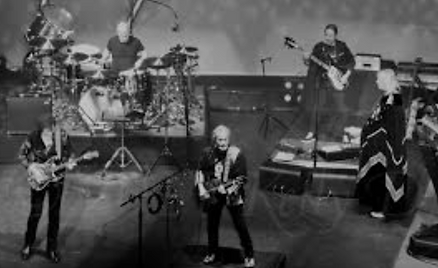
YES returned with Going for the One (July 1977), marking a return to shorter songs while still retaining their progressive edge. The album was recorded in Switzerland and featured Wakeman’s church organ work on the title track.
Key Songs:
The album hit #1 in the UK and showed YES could still evolve while staying true to their roots.
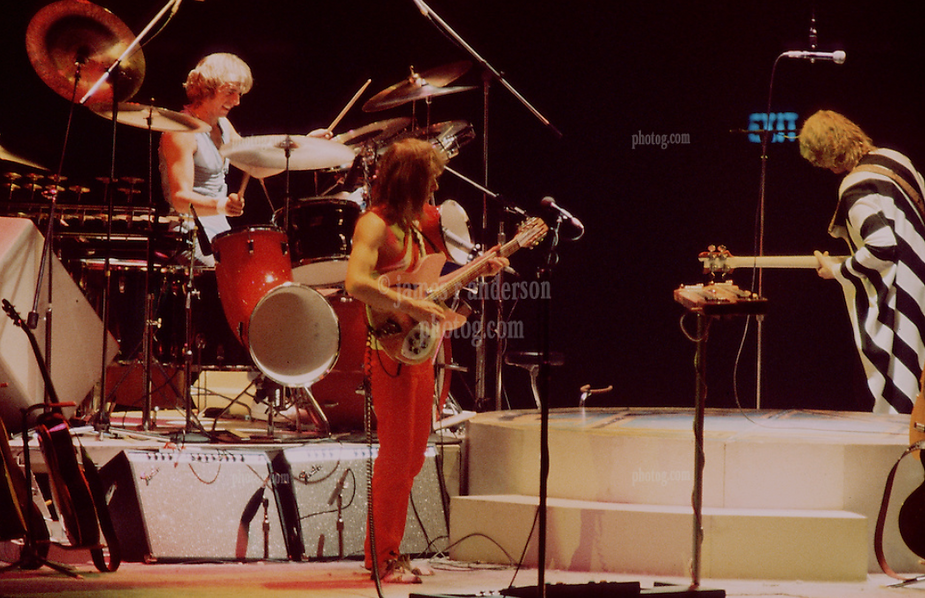
Their next album, Tormato (September 1978), saw the band struggling with direction. While still successful, it lacked the cohesion of their earlier work. Wakeman and Howe were particularly unhappy with the production, and by 1979, tensions were high.
Key Songs:

By the end of the decade, Jon Anderson and Rick Wakeman left due to creative and personal disagreements. This led to a major shake-up in the 1980s.
Throughout the '70s, YES pushed the boundaries of rock, classical, jazz, and avant-garde influences, leaving behind a catalog of some of the most ambitious and influential progressive rock albums ever recorded. They ended the decade at a crossroads, but their legacy as pioneers of progressive music was already cemented.
The 1980s were a decade of transformation for YES. The band went through dramatic lineup changes, nearly disbanded, then re-emerged with a new sound that propelled them to mainstream success.
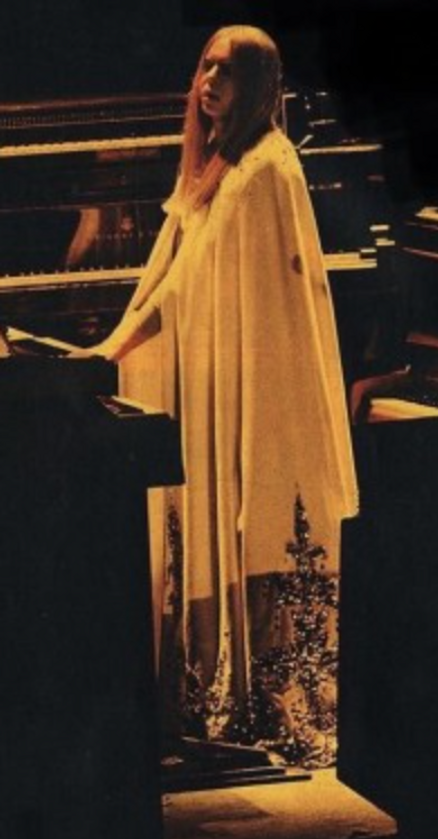
The era was marked by progressive rock's decline, the rise of new wave and pop, and YES adapting to the times with a sleek, modern sound.
After the departure of Jon Anderson (vocals) and Rick Wakeman (keyboards) in 1979, YES faced a crisis. Instead of breaking up, the remaining members (Steve Howe, Chris Squire, and Alan White) recruited Trevor Horn and Geoff Downes from the new wave duo The Buggles (known for Video Killed the Radio Star).
This lineup recorded Drama (released in August 1980), which modernized YES’s sound with a more aggressive, high-energy approach.
Key Songs:

Despite solid UK chart success (#2 album) and a well-received tour, many YES fans rejected this lineup without Anderson. Trevor Horn struggled vocally to perform classic YES songs, and by early 1981, YES disbanded.
At first, Cinema was not intended to be YES—but that changed when Jon Anderson rejoined in 1983.
With Jon Anderson back on vocals, Cinema rebranded as YES, and in November 1983, they released 90125, their biggest-selling album ever.
The new lineup:
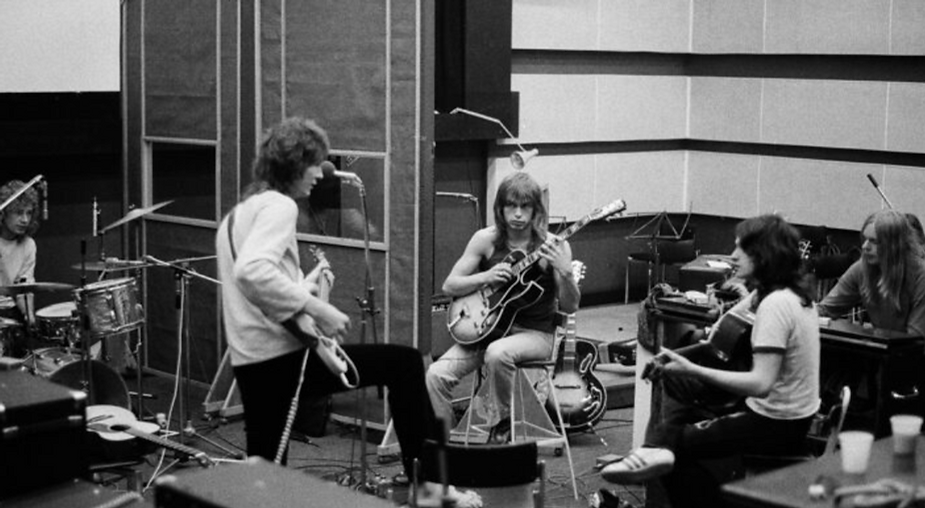
Trevor Rabin’s influence modernized YES’s sound, bringing in polished production, digital synthesizers, and a radio-friendly rock style. The lead single, "Owner of a Lonely Heart", became YES’s first and only #1 hit in the U.S., thanks to its punchy riffs, electronic elements, and an innovative MTV music video.
Key Songs from 90125:
This lineup, sometimes called "YesWest" (because they were based in Los Angeles, unlike the London-based earlier versions), brought YES to a new generation of fans. They became MTV stars and filled arenas worldwide.
YES followed up 90125 with Big Generator (released in September 1987), but tensions between Jon Anderson and Trevor Rabin made the process difficult. The album continued the 90125 sound, though with a slightly heavier edge.
Key Songs:
While successful (#15 US, #17 UK), it failed to match 90125's impact. Jon Anderson grew frustrated with YES’s more commercial direction and left the band in 1988.
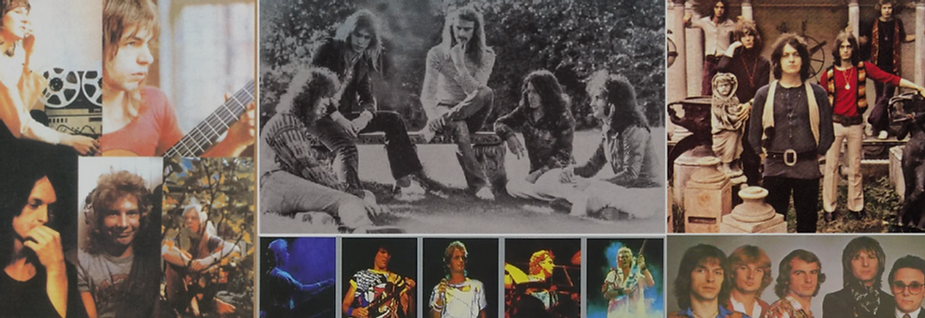
By the end of the 1980s, YES was a mess of conflicting visions:
Anderson reunited with Steve Howe, Rick Wakeman, and Bill Bruford (YES’s original drummer) to form "Anderson Bruford Wakeman Howe" (ABWH), essentially a classic YES reunion without Chris Squire.

ABWH released an album in 1989 that felt like classic YES, featuring songs like Brother of Mine. Meanwhile, the official YES (Squire, Rabin, Kaye, White) was still active, creating two rival YES factions.
This set the stage for a dramatic reunion in the early 1990s…
✅ YES transformed from a progressive rock band into an MTV-era pop-rock powerhouse.
✅ 90125 and Big Generator introduced YES to a new generation.
✅ Trevor Rabin’s influence modernized the band, making them radio-friendly.
✅ The decade ended with YES splitting into two competing groups.
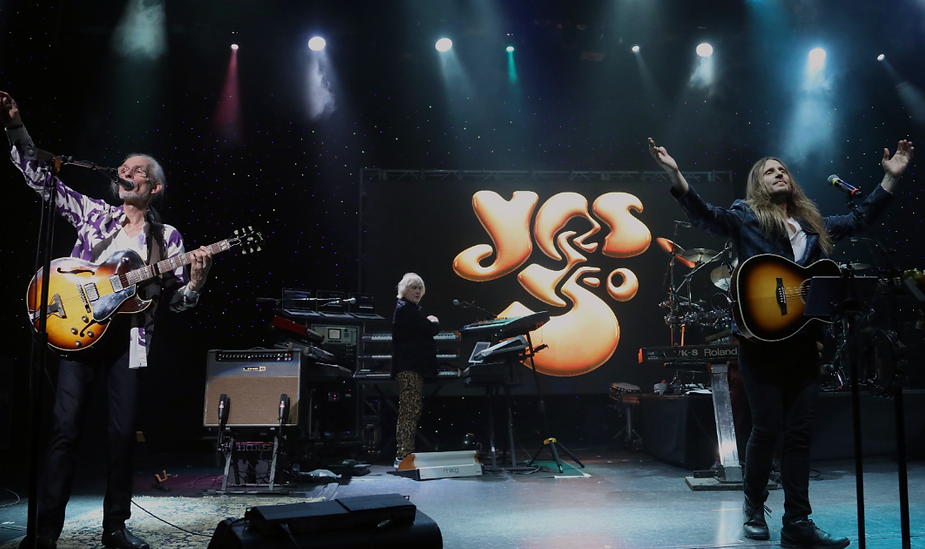
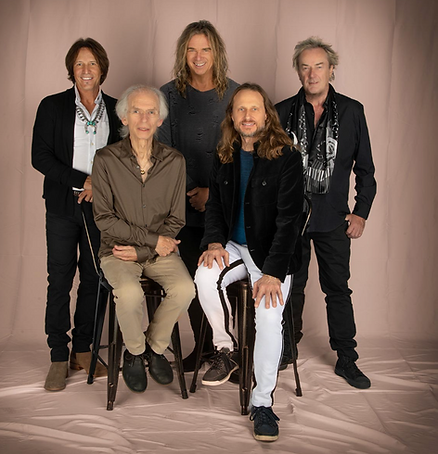
By the 2010s, YES had cemented their place as one of the most influential progressive rock bands of all time, yet their journey continued with new music, tours, member departures, and their long-overdue induction into the Rock and Roll Hall of Fame in 2017. The band continued to evolve, even in the wake of the passing of key members, while their legacy influenced modern progressive and rock musicians worldwide.
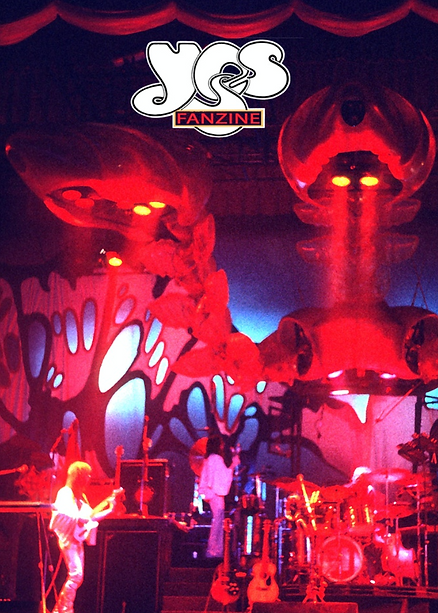
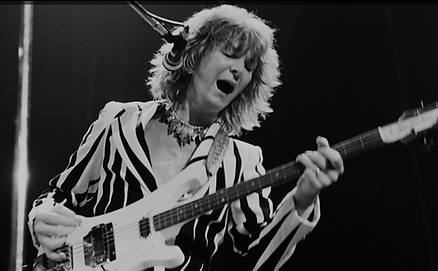
YES were finally inducted into the Rock and Roll Hall of Fame on April 7, 2017, after years of being overlooked.
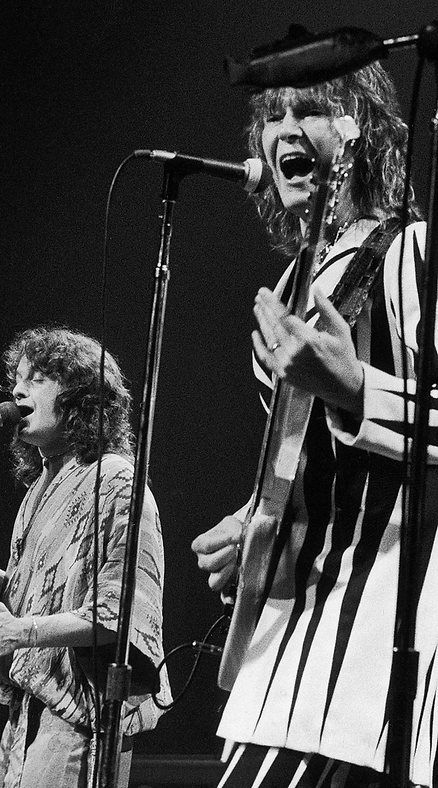
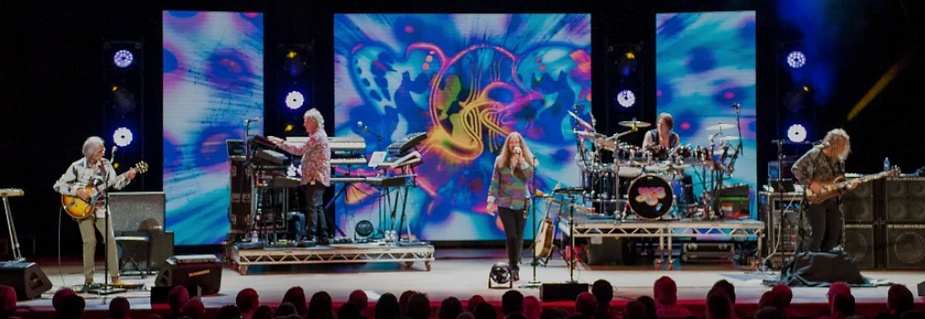
YES entered a strange period where two different versions of the band were touring at the same time:
This created some confusion among fans, but both versions of YES celebrated the band’s music in their own way.
YES’s impact on rock music is immeasurable. Their influence can be seen across:
YES helped define progressive rock, paving the way for bands like:

Even in genres outside of prog, YES’s influence is present:
YES didn’t invent progressive rock in a vacuum. They were influenced by:
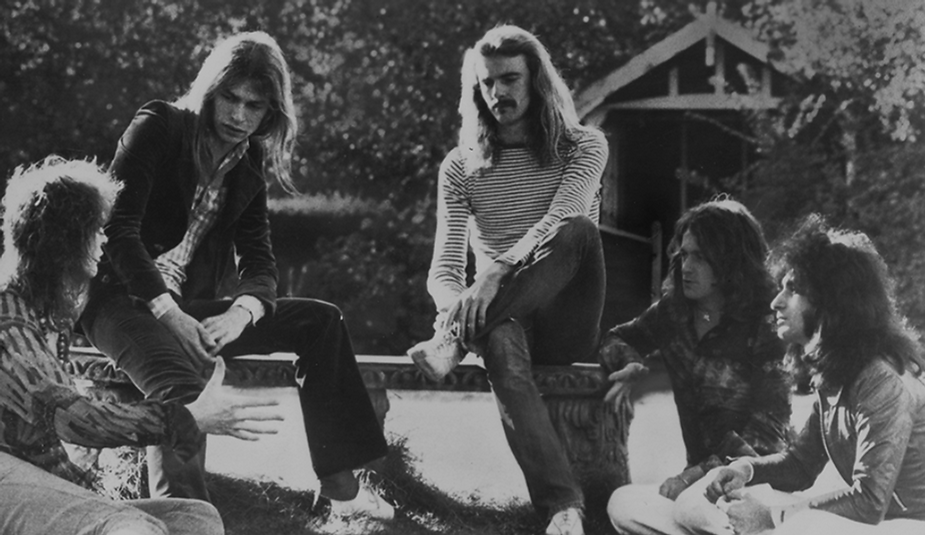
YES’s legacy is one of relentless innovation, boundary-pushing musicianship, and a commitment to artistic exploration.
Despite lineup changes, commercial struggles, and losses, they remain one of the most important and enduring bands in rock history.
Their music—from the symphonic grandeur of Close to the Edge to the radio-friendly hooks of Owner of a Lonely Heart—continues to inspire musicians and fans across genres.
-fotor-bg-remover-20251210165637.webp)


