-fotor-bg-remover-20251211141935.webp)
-fotor-bg-remover-20251211143525.webp)
Maya Angelou’s early life was a journey of transformation, marked by trauma, resilience, artistic exploration, and activism.
Before she became a literary giant, she lived many lives—as a singer, dancer, actress, and civil rights activist—experiences that would later shape her writing and public voice.
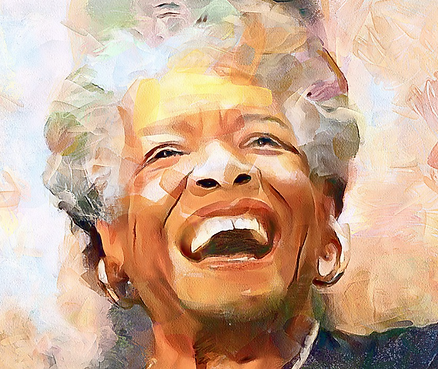
Maya Angelou was born Marguerite Ann Johnson on April 4, 1928, in St. Louis, Missouri. After her parents divorced, she and her older brother, Bailey Jr., were sent to live with their grandmother, Annie Henderson, in Stamps, Arkansas—a deeply segregated town.
Growing up in the Jim Crow South, Angelou witnessed racial discrimination firsthand. Despite this, she was nurtured by her grandmother and found solace in books, poetry, and storytelling.
At the age of eight, she was sexually abused by her mother’s boyfriend while living in St. Louis.
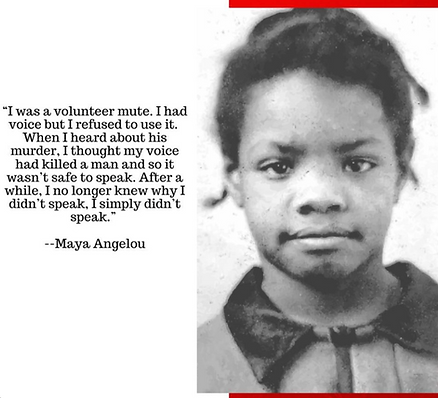
After revealing the abuse, the man was briefly jailed but was later murdered—likely by her uncles. Believing that her words had caused his death, Angelou stopped speaking for nearly five years. During this time, she immersed herself in literature, developing a deep love for Shakespeare, Black poets like Paul Laurence Dunbar, and classic literary works.
Eventually, a teacher and family friend, Mrs. Bertha Flowers, encouraged her to speak again by introducing her to poetry and literature as a way to reclaim her voice.
At 15 years old, Angelou became San Francisco’s first Black female streetcar conductor, breaking barriers at a young age. Shortly after, she gave birth to her only son, Guy Johnson, at 16, working various jobs to support him.
In the early 1950s, Angelou pursued a career as a dancer and singer. She performed in clubs across the country, developing a stage presence that would later serve her as a writer and speaker.
During this time, she adopted the name Maya Angelou, blending her childhood nickname ("Maya," given by her brother) with a variation of her then-husband’s last name, Angelos.
Her artistic talents led her to a tour of Europe and Africa with the cast of Porgy and Bess, exposing her to international audiences. This experience broadened her perspective on culture, race, and identity.
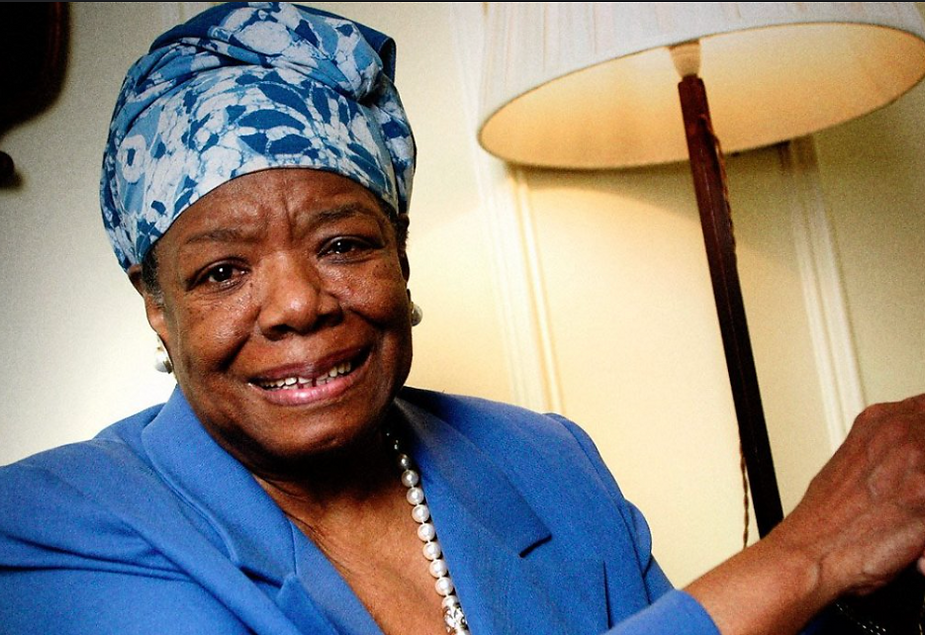
By the late 1950s, Angelou had expanded into Calypso music, releasing an album
(Miss Calypso) and appearing in the film Calypso Heat Wave (1957).
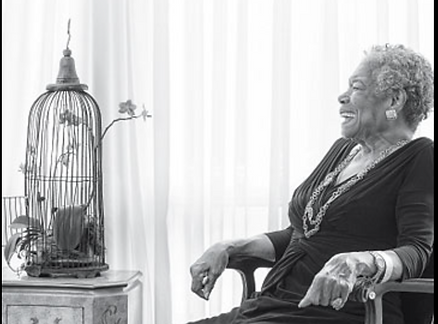
In 1961, Angelou moved to Ghana, where she became part of a thriving community of Black intellectuals, writers, and activists, including W.E.B. Du Bois, Kwame Nkrumah, and Malcolm X. She worked as a journalist and became deeply involved in Pan-Africanism.
Her years in Ghana (1961–1965) profoundly shaped her political and artistic vision. She worked as an editor, teacher, and actress, contributing to the Ghanaian National Theatre and writing for newspapers.
She also connected with Black American expatriates and African revolutionaries, deepening her commitment to civil rights and Black liberation.
While in Ghana, Angelou developed a close friendship with Malcolm X. In 1964, she returned to the U.S. to help him build the Organization of Afro-American Unity. However, Malcolm X was assassinated in early 1965, devastating Angelou and disrupting their plans.
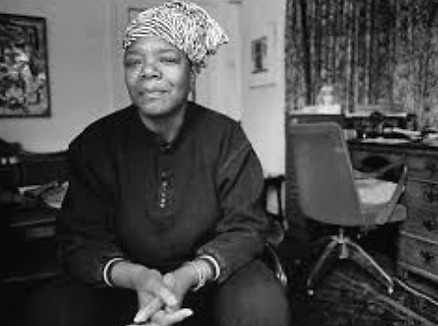
Still committed to the Civil Rights Movement, she later worked with Dr. Martin Luther King Jr. and the Southern Christian Leadership Conference, further embedding herself in the fight for racial justice.
By 1965, Maya Angelou had already lived an extraordinary life:
Her journey up to this point was filled with experiences that would later shape her writing. Although she had yet to break into the literary mainstream, the stage was set.
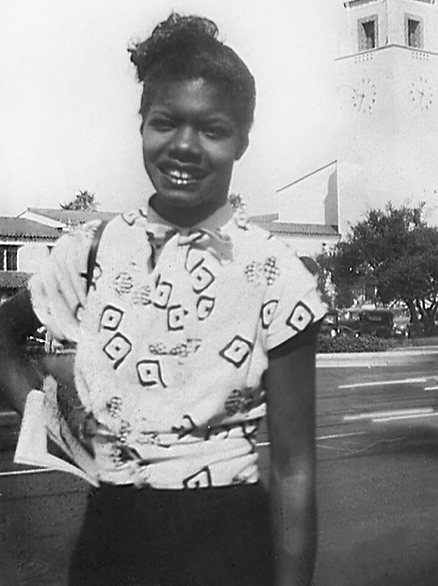
Just a few years later, in 1969, she would publish "I Know Why the Caged Bird Sings", launching her into international fame as a writer and poet.
By the mid-1960s, Maya Angelou had already led an extraordinary life—she had been a singer, dancer, actress, journalist, and civil rights activist. But it was during this decade that she found her most enduring role: writer and poet.
The period from 1965 to 1975 saw her rise to literary fame, solidifying her as one of the most important voices in American literature and culture.
After spending several years in Ghana, Angelou returned to the United States in 1965 following the assassination of Malcolm X, whom she had worked with in Ghana.
She had intended to help him build the Organization of Afro-American Unity (OAAU), but his death shattered those plans.
Still committed to the Civil Rights Movement, she connected with Dr. Martin Luther King Jr., who invited her to work with the Southern Christian Leadership Conference (SCLC).
However, tragedy struck again in 1968, when King was assassinated on April 4—Angelou’s 40th birthday. The double loss of Malcolm X and Dr. King in such a short time left her deeply shaken, and she retreated from activism for a while, turning inward to reflect on her life.
In the aftermath of these losses, Angelou was encouraged by her friend, James Baldwin, to write about her life.
At first, she was hesitant, but with the support of editor Robert Loomis at Random House, she began crafting her memoir.
In 1969, she published "I Know Why the Caged Bird Sings," a groundbreaking autobiography that recounted her childhood experiences of racism, trauma, and self-discovery. The book was revolutionary:
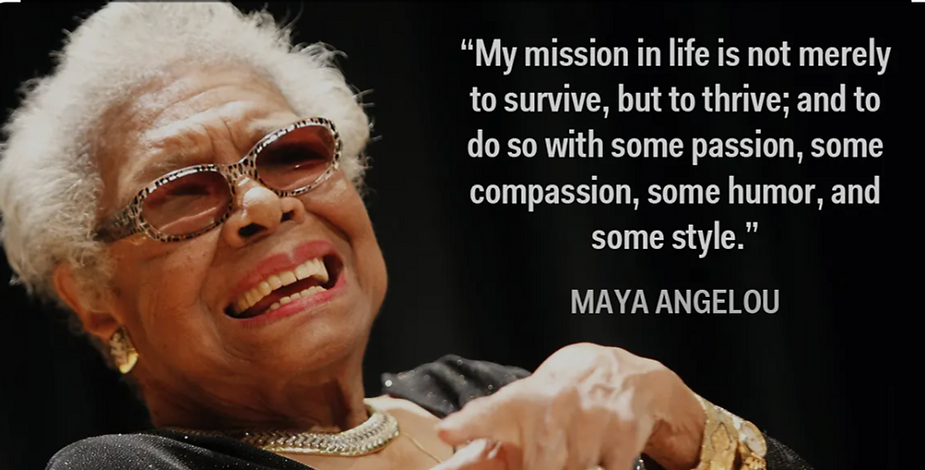
Though it received critical acclaim, the book was also controversial, as it openly discussed sexual abuse and racism. Some schools and libraries even attempted to ban it. Despite this, it became a classic, inspiring future generations of writers and readers.
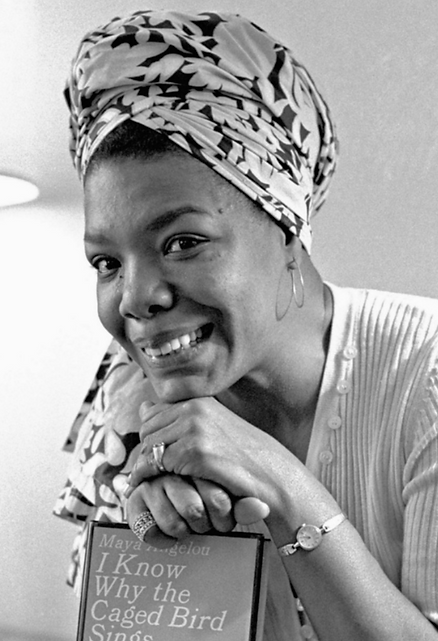
With the success of Caged Bird, Angelou began writing more books, poetry, and screenplays while continuing her work in the arts.
Her second autobiography, "Gather Together in My Name," was published in 1974 and covered her life as a young mother, dancer, and singer in the 1940s and 1950s. It continued the raw, personal storytelling that had made her first memoir so powerful.
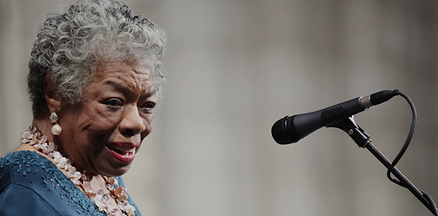
Angelou also gained recognition as a poet during this period. Her 1971 poetry collection, “And Still I Rise,” became one of her most famous works, with the titular poem becoming an anthem of resilience and empowerment.
In 1972, she became the first Black woman to have her screenplay produced with Georgia, Georgia, a film she also wrote the score for. This achievement further solidified her as a groundbreaking force in literature and film.
By the mid-1970s, Angelou was appearing on television and speaking publicly about Black culture, feminism, and civil rights. She became a sought-after lecturer, using her poetic voice and life experiences to inspire others.
Between 1965 and 1975, Maya Angelou went from being a performer and activist to an internationally recognized literary figure.
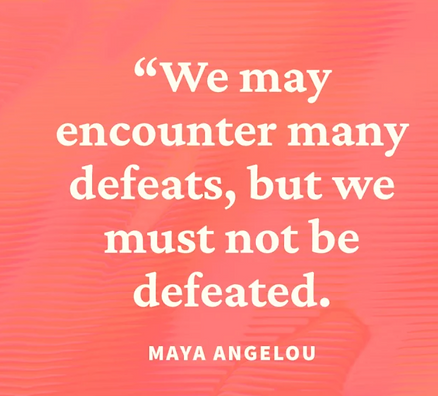
By the mid-1970s, she had firmly established herself as a major voice in American culture, paving the way for an even more illustrious career in the decades to come.
By the mid-1970s, Maya Angelou was already an established literary and cultural icon. She had broken barriers with I Know Why the Caged Bird Sings (1969), made history as the first Black woman to have a screenplay produced, and become a celebrated poet and speaker.
As she moved into the late 1970s and through the 1980s, she continued to solidify her influence—publishing more autobiographies, expanding into theater and television, and becoming one of the most respected voices in American culture.
Maya Angelou followed up her groundbreaking first two memoirs with:
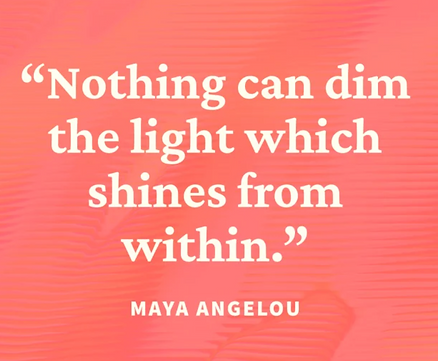
With each memoir, Angelou deepened her storytelling, exploring her journey as a Black woman navigating art, activism, motherhood, and identity.
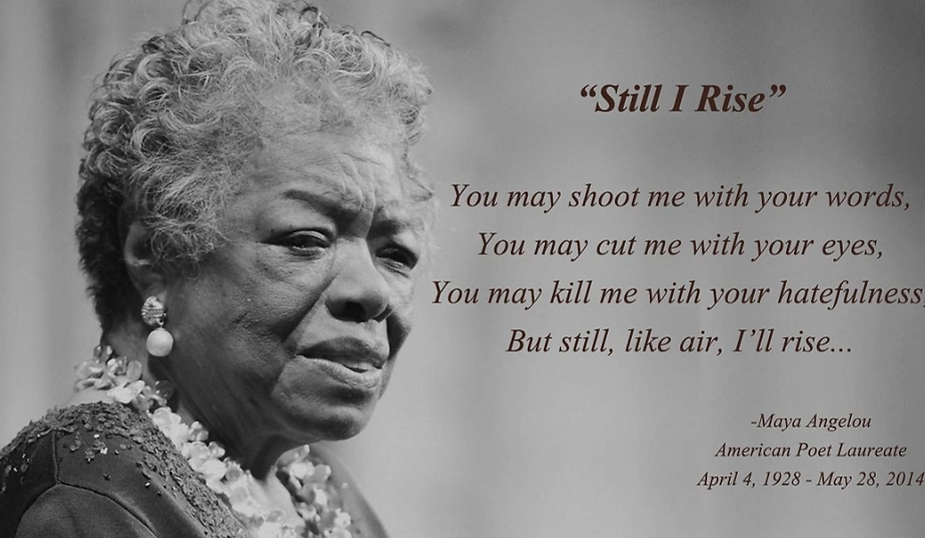
In 1978, she released "And Still I Rise", one of her most famous poetry collections. The title poem, Still I Rise, became a defining anthem of resilience, strength, and overcoming oppression, resonating across generations.
During this time, Angelou also became a highly sought-after speaker, known for her dynamic storytelling and poetic delivery.
By the 1980s, Angelou had become an influential educator, teaching at various universities. She became a lifelong professor of American Studies at Wake Forest University in 1981, further cementing her status as a public intellectual.
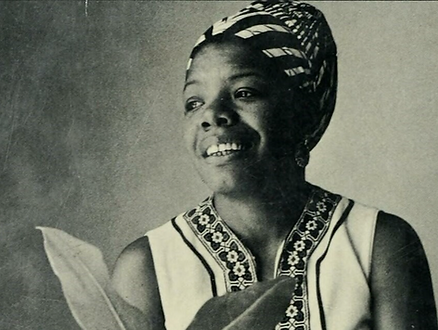
Angelou continued to break new ground in entertainment:
Her fifth autobiography, “All God’s Children Need Traveling Shoes” (1986), focused on her years in Ghana and her search for a deeper connection to African heritage. It was another powerful reflection on identity, race, and belonging.
By the end of the 1980s, Maya Angelou had firmly established herself not just as a writer, but as a cultural icon whose influence extended across literature, activism, and the arts.
Between the mid-1970s and the 1980s, Maya Angelou expanded her reach in nearly every direction:
Her influence only continued to grow in the 1990s and beyond, culminating in moments like her historic reading at Bill Clinton’s 1993 inauguration, further solidifying her as one of the most significant literary and cultural voices of the 20th century.
Maya Angelou was more than just a literary icon—she was a mentor, teacher, and guiding force for some of the most influential people in modern history.
Her wisdom, resilience, and poetic voice profoundly shaped Oprah Winfrey, as well as leaders like Barack Obama, Bill Clinton, Nelson Mandela, and countless artists, writers, and activists.
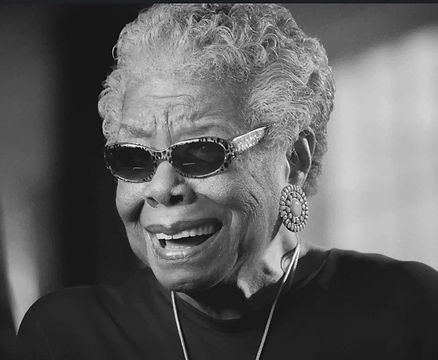
Oprah Winfrey has frequently credited Maya Angelou as one of the most important mentors in her life. They first met in the early 1980s, when Oprah was still a rising television personality.
Over the years, their relationship deepened, with Angelou becoming Oprah’s spiritual guide, mother figure, and confidante.
Oprah has said that I Know Why the Caged Bird Sings changed her life, making her feel seen as a young Black girl growing up in the South. Angelou’s work gave Oprah permission to own her story, inspiring her approach to storytelling in media.
Angelou’s teachings on self-worth, resilience, and the power of words were foundational to Oprah’s brand and legacy.
Maya Angelou’s influence extended into the political realm, inspiring President Barack Obama, who awarded her the Presidential Medal of Freedom in 2011.
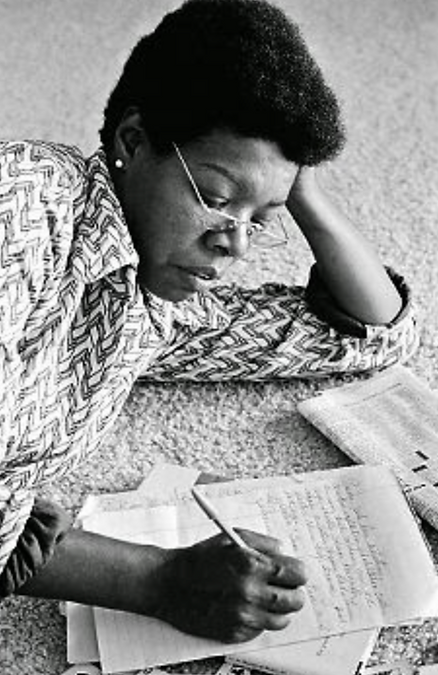
Angelou made history in 1993 as the first Black woman to recite a poem at a U.S. presidential inauguration, delivering On the Pulse of Morning for Bill Clinton.
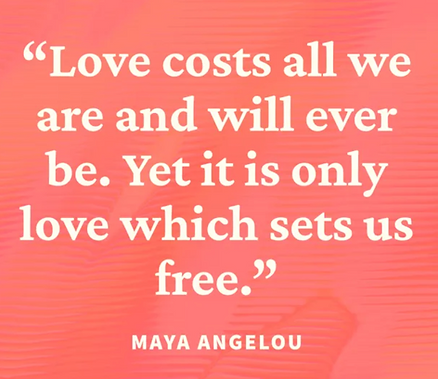
Angelou’s rhythmic style of poetry influenced hip-hop and spoken word movements, with artists like Tupac Shakur, Common, and Kendrick Lamar drawing inspiration from her work.
Maya Angelou’s influence continues to shape culture, politics, and the arts:
From Oprah Winfrey to Barack Obama, Toni Morrison to Kendrick Lamar, Maya Angelou’s words and presence transformed lives, proving that the power of storytelling can change the world.
By the 1990s, Maya Angelou was already a literary and cultural icon. She had revolutionized autobiographical storytelling, influenced generations of activists and artists, and become a powerful voice in politics and civil rights. During this period, she continued to break barriers—writing more books, making history at a presidential inauguration, receiving the nation’s highest honors, and leaving an indelible mark on American culture.
One of Maya Angelou’s most defining moments came on January 20, 1993, when she became the first Black woman and second poet ever to recite a poem at a U.S. presidential inauguration.
Angelou continued her acclaimed autobiographical series with:
She also published more poetry collections, reinforcing her reputation as one of America’s great poetic voices.
Throughout the 1990s, Angelou took on roles in film and television, further expanding her influence:
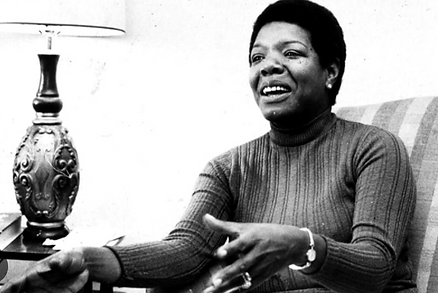
Even in her later years, Angelou continued writing and speaking:
Between 1990 and 2010, Maya Angelou:
Her impact reached beyond literature—she became a symbol of dignity, perseverance, and the power of storytelling.
By the 2010s, Maya Angelou was more than an author, poet, or activist—she was a global symbol of resilience, wisdom, and the power of words.
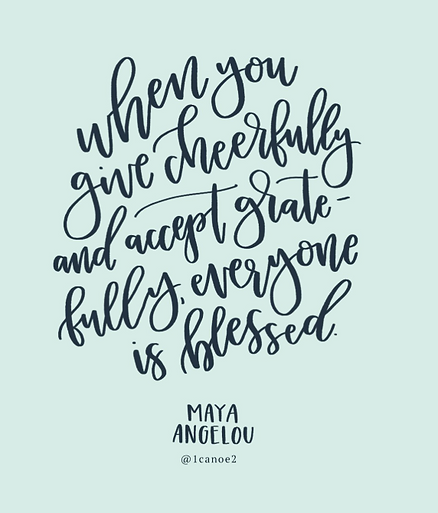
Her impact stretched across literature, civil rights, politics, and popular culture. In her final years, she continued to inspire through writing, speaking, and teaching, leaving behind an enduring legacy that would influence generations to come.
In February 2011, President Barack Obama awarded Maya Angelou the Presidential Medal of Freedom, the highest civilian honor in the United States.
Despite declining health, Angelou remained active in her final years:
After Nelson Mandela’s passing in December 2013, Maya Angelou was asked by the U.S. State Department to compose and recite a tribute poem, His Day is Done.
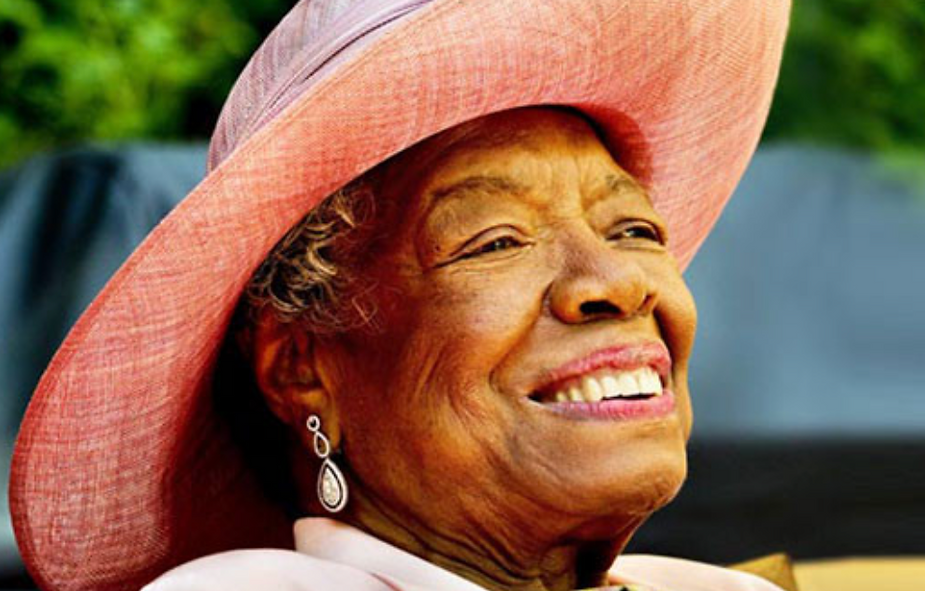
Maya Angelou passed away at her home in Winston-Salem, North Carolina, on May 28, 2014, at the age of 86.
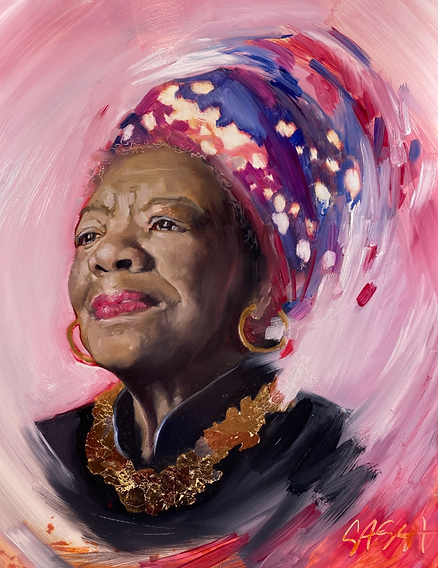
Even after her passing, Maya Angelou’s legacy continues to grow.
Maya Angelou’s life was a testament to the power of words, the resilience of the human spirit, and the importance of telling one’s story. She will forever be remembered as a poet, activist, teacher, and phenomenal woman.
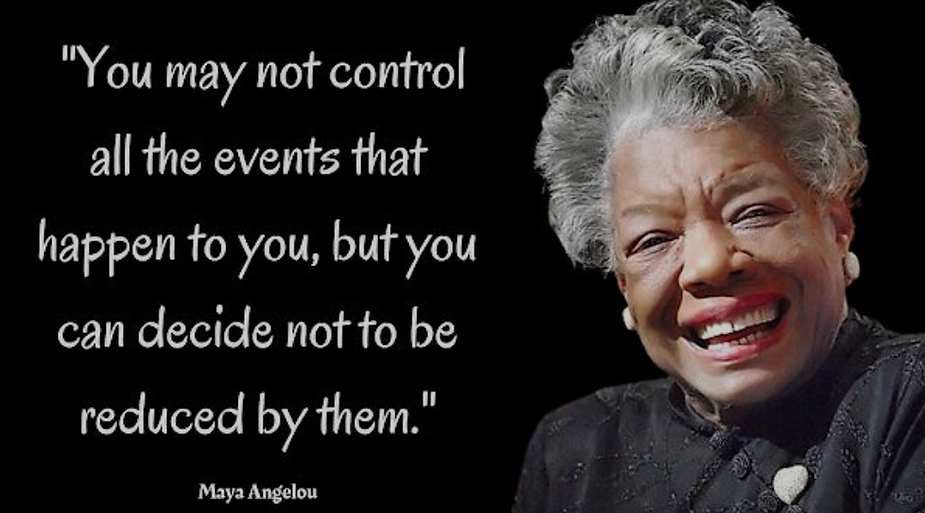
Maya Angelou's legacy has not only left an indelible mark on literature and civil rights but has also deeply influenced modern artists, musicians, and pop culture. Her powerful use of language, themes of resilience, empowerment, and self-love, and her unique blend of oral storytelling have resonated across a wide spectrum of creative fields. Below are some of the most notable ways Angelou’s impact can be seen in hip-hop, spoken word, film, and broader pop culture.
One of the most famous and poignant examples of Angelou’s influence on hip-hop comes from Tupac Shakur.
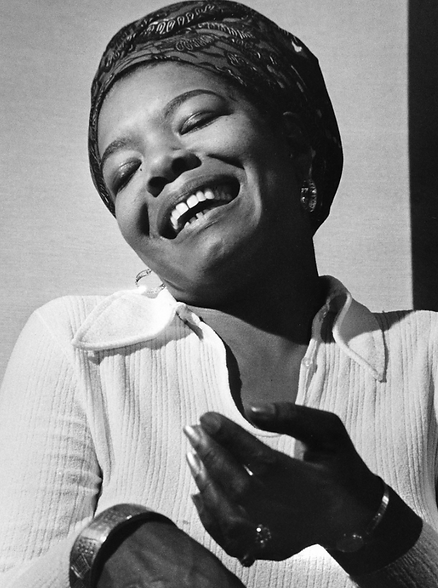
Another rapper profoundly influenced by Angelou was Common.
Kendrick Lamar has also been heavily influenced by Angelou’s words, especially her exploration of Black identity and self-empowerment.
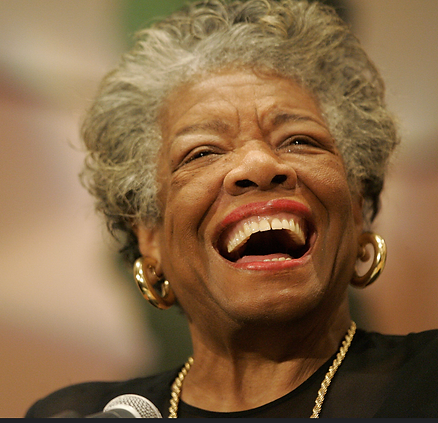
Angelou is often considered one of the great influences on spoken word artists, particularly women poets and activists. Her lyrical style and ability to blend narrative with poetry continue to inspire poets like Alicia Keys, Nikki Giovanni, and Slam Poetry artists who have followed in her footsteps of delivering emotionally charged performances that blend storytelling and poetic meter.
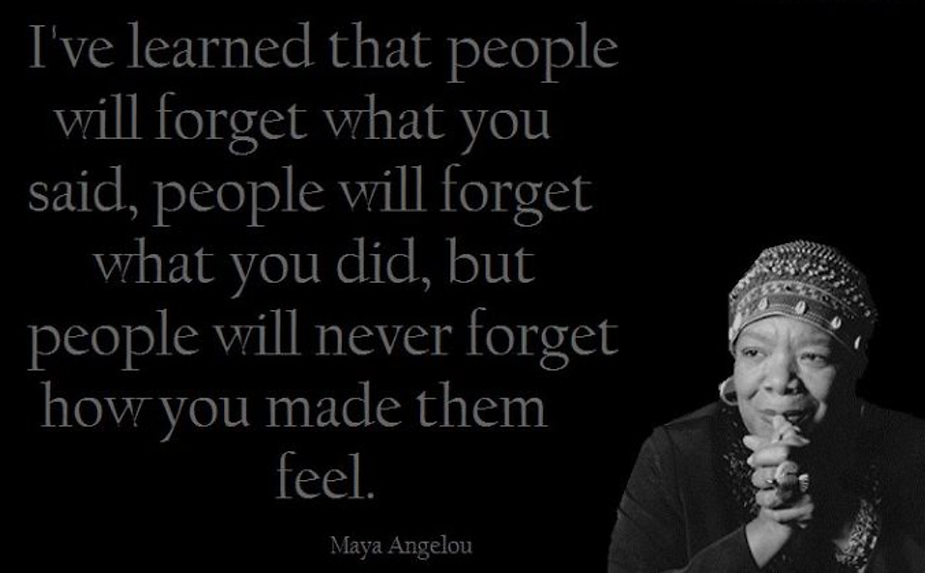
Angelou’s presence in film, though not extensive, had significant cultural impact.
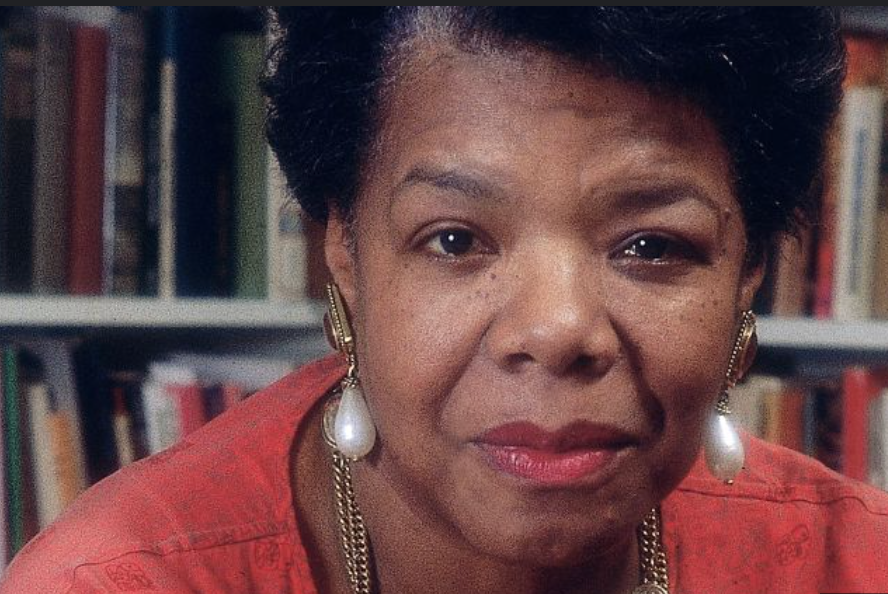
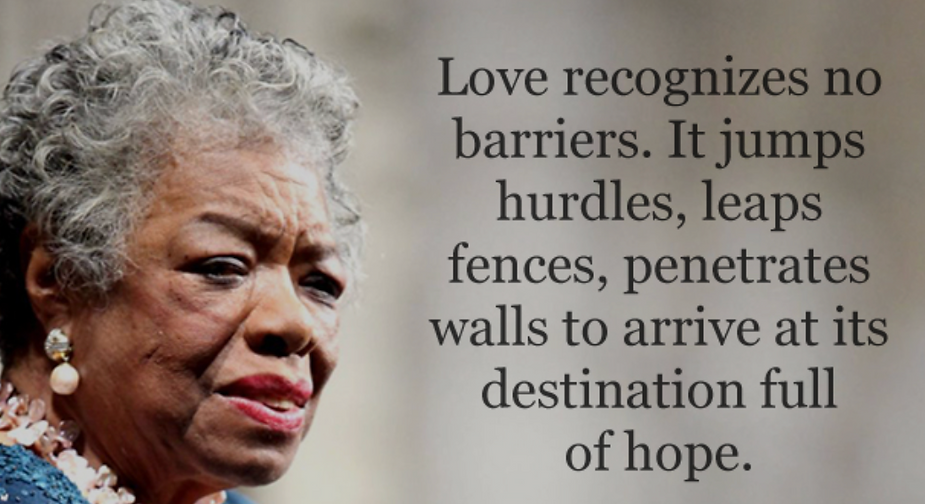
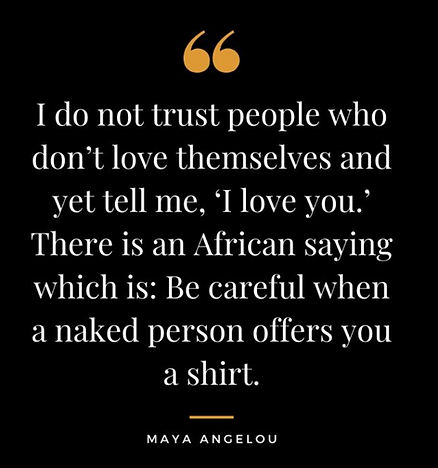
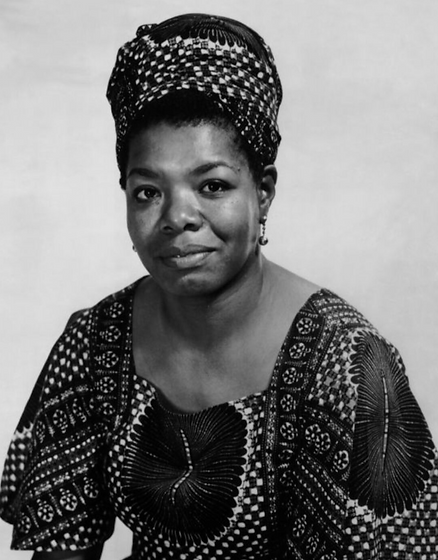
Maya Angelou’s legacy endures not only in her own works but in the works of future generations of artists, musicians, and activists:
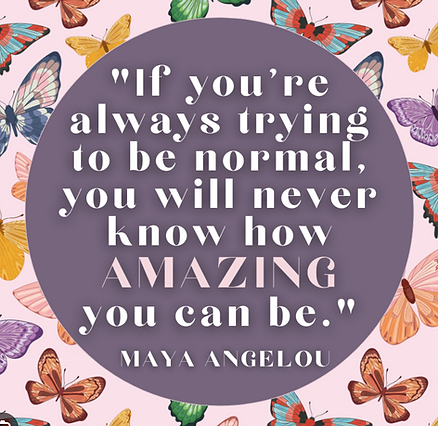
Maya Angelou’s influence on hip-hop, spoken word, film, and pop culture transcends her own era, creating ripples that continue to inspire new generations. She remains a touchstone of strength, resilience, and creativity, her words forever etched in the cultural fabric of modern society.
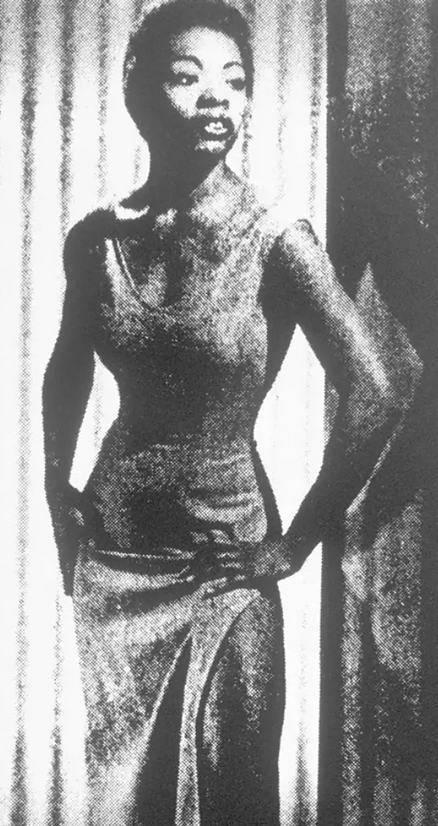
Her ability to speak to both personal and collective struggles, while always offering hope and empowerment, ensures that her legacy will continue to be celebrated for years to come.
Maya Angelou's influence on the slam poetry movement is profound, as her blend of oral storytelling, powerful imagery, and emotional resonance laid the foundation for many slam poets, particularly those who sought to combine poetry with performance, advocacy, and personal expression.
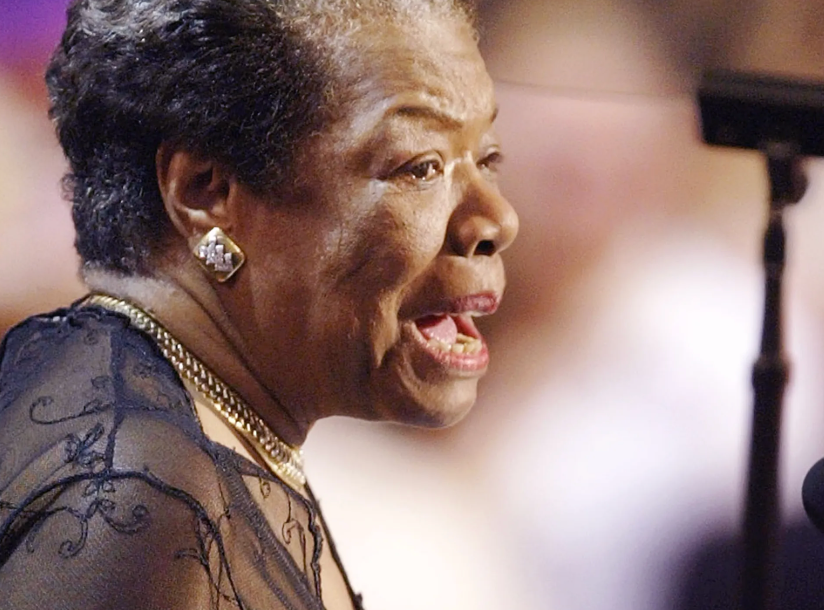
Her work inspired countless poets to use poetry as a tool for activism, self-exploration, and social justice. Here’s a deeper look at how Angelou influenced the movement and some specific slam poets who cite her as an inspiration:
Slam poetry, with its roots in performance poetry, often carries themes of social justice, empowerment, and identity—all themes central to Angelou's work. While Angelou’s style is more lyrical and rooted in traditional poetry, her ability to weave personal narrative with universal truths mirrored the ethos of slam poets who used performance to speak directly to the audience’s emotions and to highlight social issues.

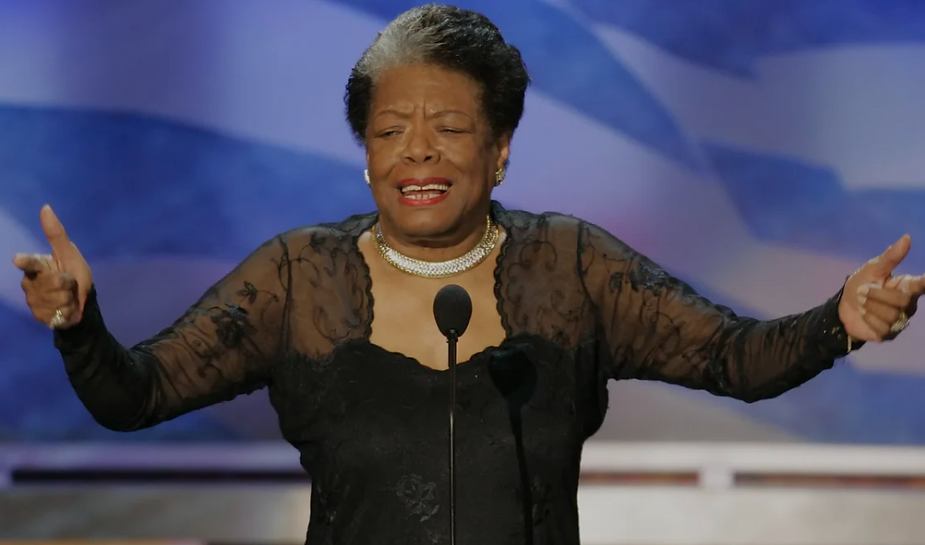
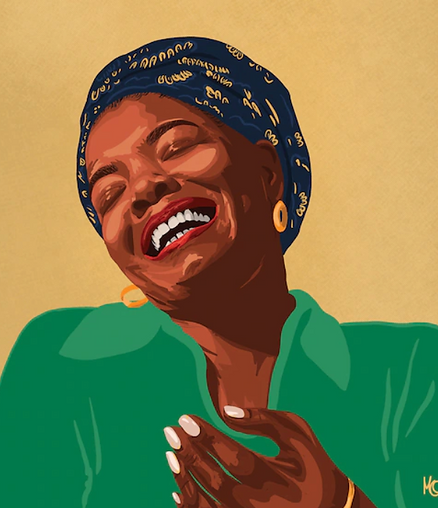
Saul Williams, a key figure in the slam poetry scene, is often considered one of the leading poets of the spoken word and slam movements.
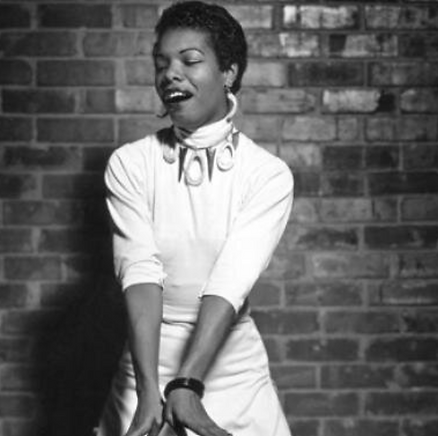
Andrea Gibson, an influential queer poet and spoken word artist, often draws from Angelou’s emotional vulnerability and courage in her poetry.
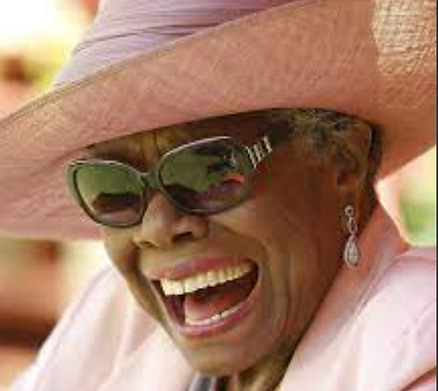
Rudy Francisco, a renowned slam poet, has mentioned Angelou’s influence on his own work.
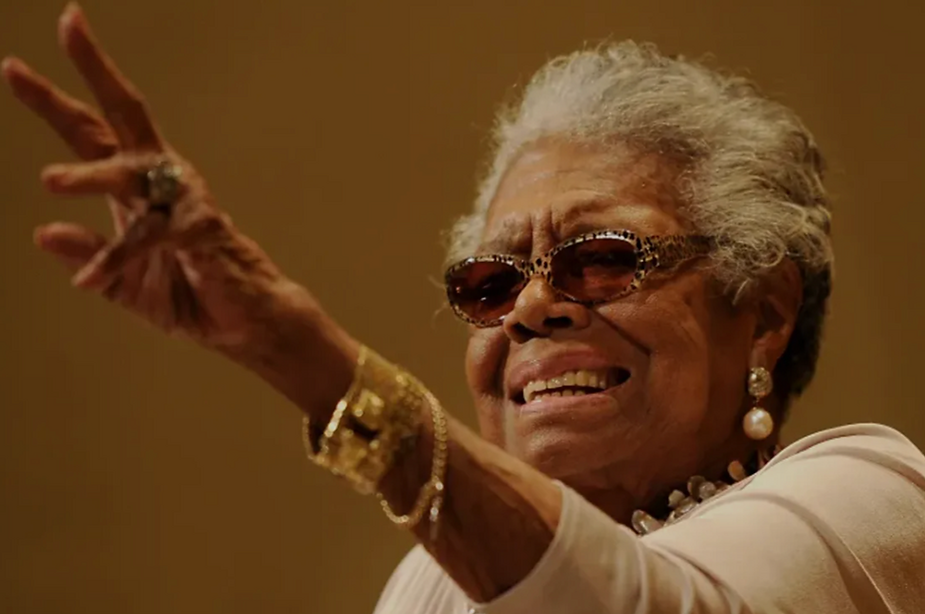
Jessica Care Moore is a Detroit-based poet and one of the most prominent Black women in the spoken word scene.
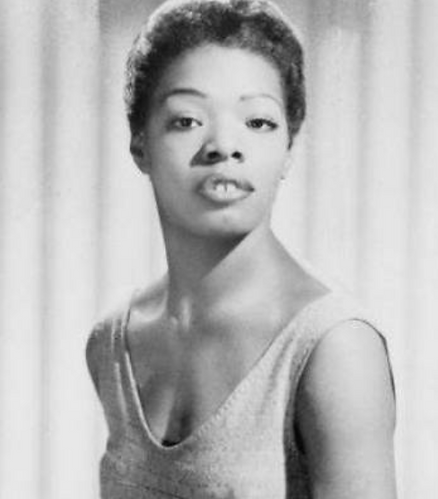
(also known as IPC - Ipaintcreatures) is a multifaceted artist whose work blends music, technology, and visual art. His creative process, especially within the Yokai-inspired narrative involving musical and technological powers, shares similarities with Maya Angelou's poetic style in several significant ways. Angelou’s influence resonates with Tazuo on multiple levels, particularly in themes of empowerment, storytelling, self-expression, And use of Narrative Lyrical metaphor to express depth and bring forth parallels themes from the literal verse.
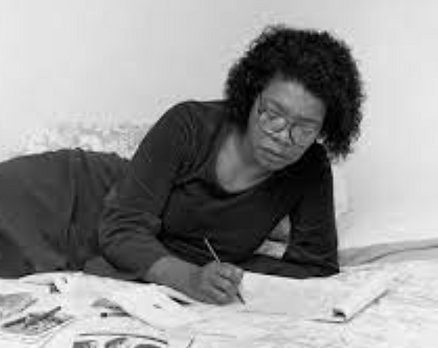
A significant aspect of the slam poetry movement is its commitment to amplifying marginalized voices, especially women.
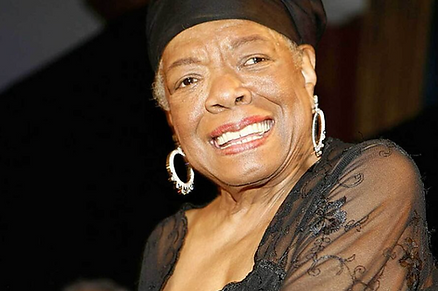
Maya Angelou’s influence on slam poetry is immeasurable. Through her use of personal narrative, oral storytelling, and activism, she helped create the space in which poets today can explore their identities, speak truth to power, and use their voices as agents of change.
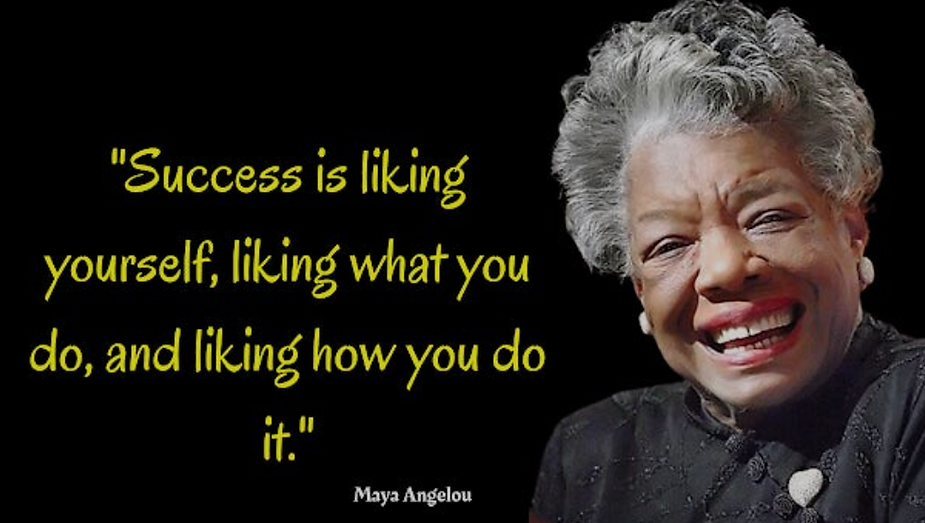
Many contemporary slam poets continue to draw from Angelou’s reservoir of wisdom, courage, and lyrical beauty, making her one of the central figures in the world of spoken word and performance poetry.
Her ability to transform her personal story into a universal narrative of empowerment and self-affirmation is a hallmark of the slam poetry tradition, and her legacy continues to inspire poets worldwide to rise and speak their truth.
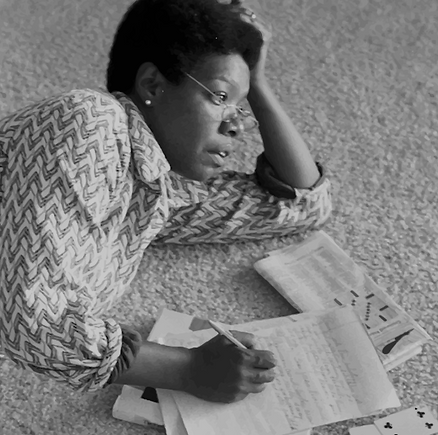
-fotor-bg-remover-20251210165637.webp)


