-fotor-bg-remover-20251211141935.webp)
-fotor-bg-remover-20251211143525.webp)
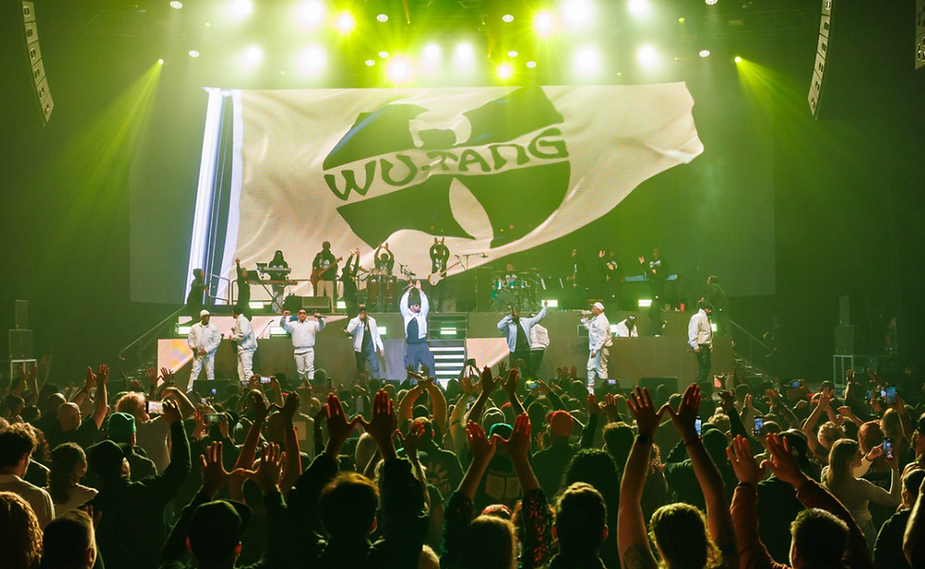
Wu-Tang Clan isn’t just a rap group—it’s a movement, a philosophy, and a cultural force that reshaped hip-hop forever.
From their humble beginnings in Staten Island to becoming hip-hop’s most influential collective, the Wu-Tang story is filled with martial arts mysticism, lyrical mastery, and entrepreneurial genius.
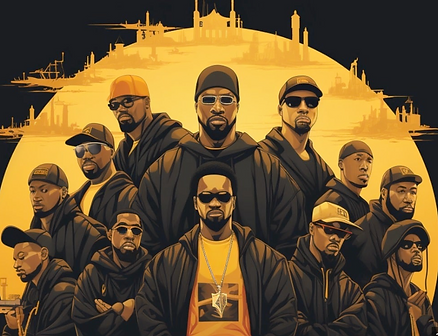
This is their full journey—from the creation of 36 Chambers, the rise of each member, their impact on Asian culture, their unique contributions to hip-hop, and where they are now.
In the late 1980s, Staten Island, also known as "Shaolin" by the crew, was not on the map in hip-hop. Brooklyn, Queens, and the Bronx dominated the scene, but a group of hungry MCs from Shaolin had a vision to change the game.
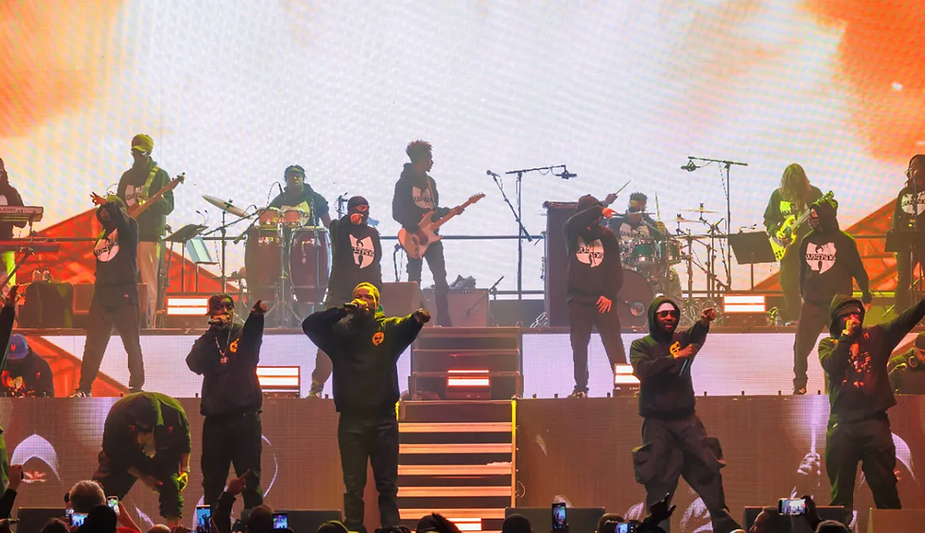
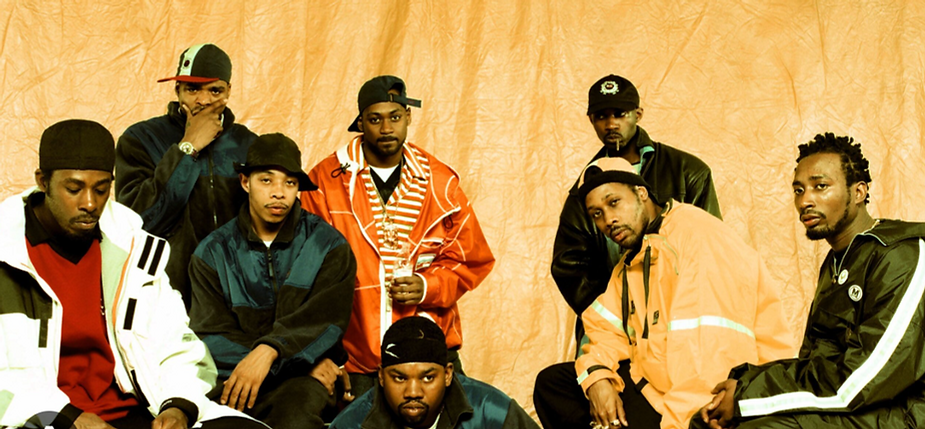
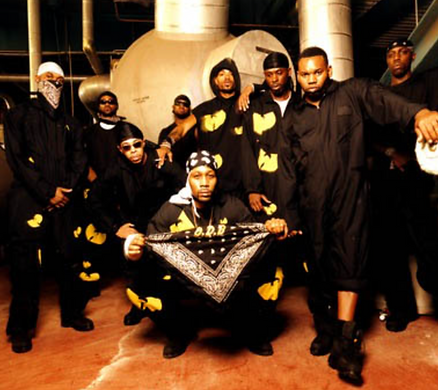
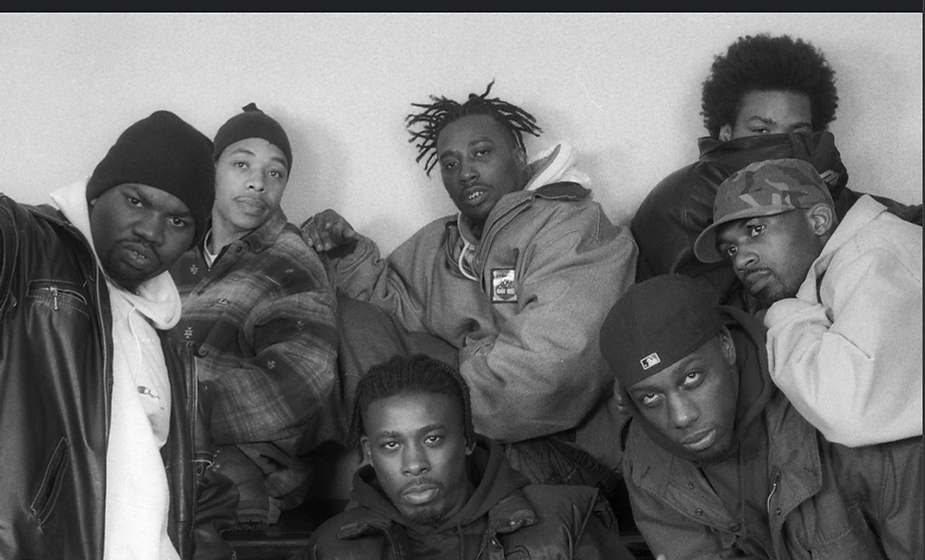
At the heart of it all was Robert Diggs, aka The RZA—a visionary producer, lyricist, and mastermind behind Wu-Tang. Alongside his cousins GZA (The Genius) and Ol’ Dirty Bastard (ODB), RZA sought to create something revolutionary. They recruited Method Man, Ghostface Killah, Raekwon, Inspectah Deck, U-God, and Masta Killa, forming a nine-member army of lyrical warriors.
RZA’s vision? A kung-fu-inspired, street-hardened collective, structured like a martial arts dojo, where each member had a unique skill set and identity. Instead of just another rap crew, Wu-Tang Clan became a brand, a lifestyle, and a philosophy.
Wu-Tang’s debut album, Enter the Wu-Tang (36 Chambers), dropped in 1993, and hip-hop was never the same.
This album made Wu-Tang the kings of underground hip-hop, and their legend was just beginning.
Wu-Tang changed the music industry with their genius business strategy:
🔹 Group Strength, Solo Power: Instead of signing to one label, RZA brokered deals that allowed each rapper to drop solo albums on different labels while keeping Wu-Tang Clan as a unit. This meant total domination of the industry.
🔹 The Wu-Tang Brand: Wu-Tang wasn’t just music—it was a movement. They sold merch, video games, clothing lines, even a one-of-a-kind secret album (Once Upon a Time in Shaolin) that sold for millions.
🔹 Asian Influence & Kung-Fu Philosophy: They weren’t just inspired by kung-fu movies, they lived by Shaolin philosophy, comparing rap battles to martial arts duels, and promoting wisdom, discipline, and street honor.
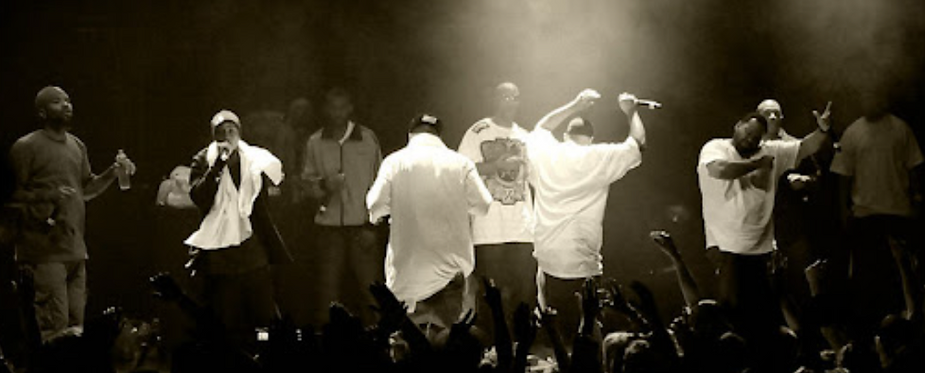
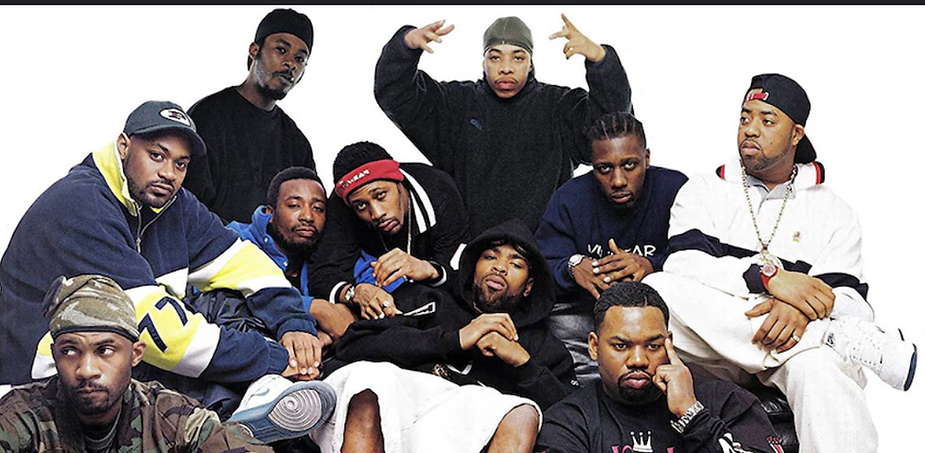
Wu-Tang revolutionized hip-hop in ways no other group did:
🔥 Brought martial arts culture into rap (influencing artists like Kendrick Lamar).🔥 Pioneered raw underground sound that inspired the grimy aesthetic of 90s hip-hop.🔥 Created a new business model that artists like Jay-Z and Drake followed.🔥 Expanded into movies, video games, and streetwear.
Wu-Tang’s DNA is everywhere, from Griselda to J. Cole, to the biggest brands in fashion and music.
Even in 2025, Wu-Tang’s influence is stronger than ever.
Simply put: No.
Wu-Tang Clan is one of one. They took martial arts, street philosophy, business genius, and lyrical mastery, and created something timeless.
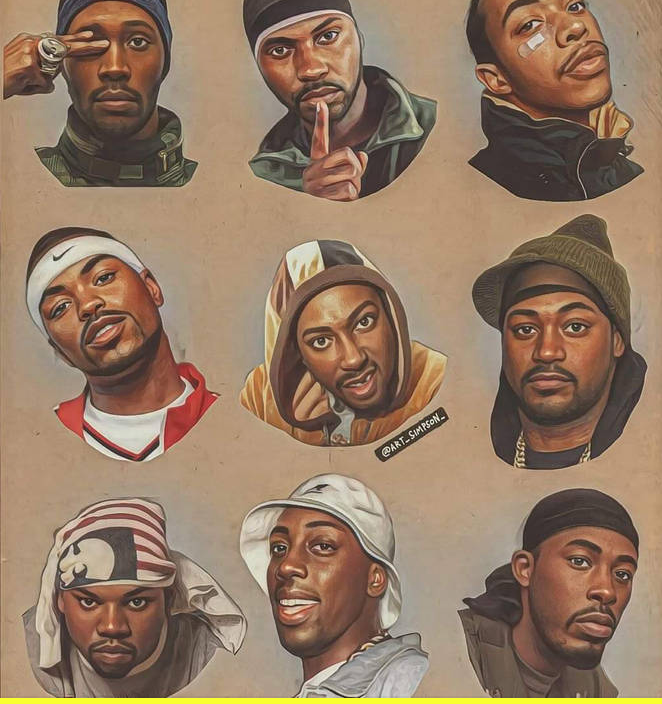
To this day, Wu-Tang remains hip-hop’s most powerful brotherhood, proving that “Wu-Tang Clan Ain’t Nuthin’ to F*** With.”
Wu-Tang Clan didn’t just sample kung-fu movies—they built an entire hip-hop dynasty around martial arts philosophy, Shaolin discipline, and Eastern wisdom. Their fusion of kung-fu mysticism with street knowledge made them one of the most unique groups in music history.
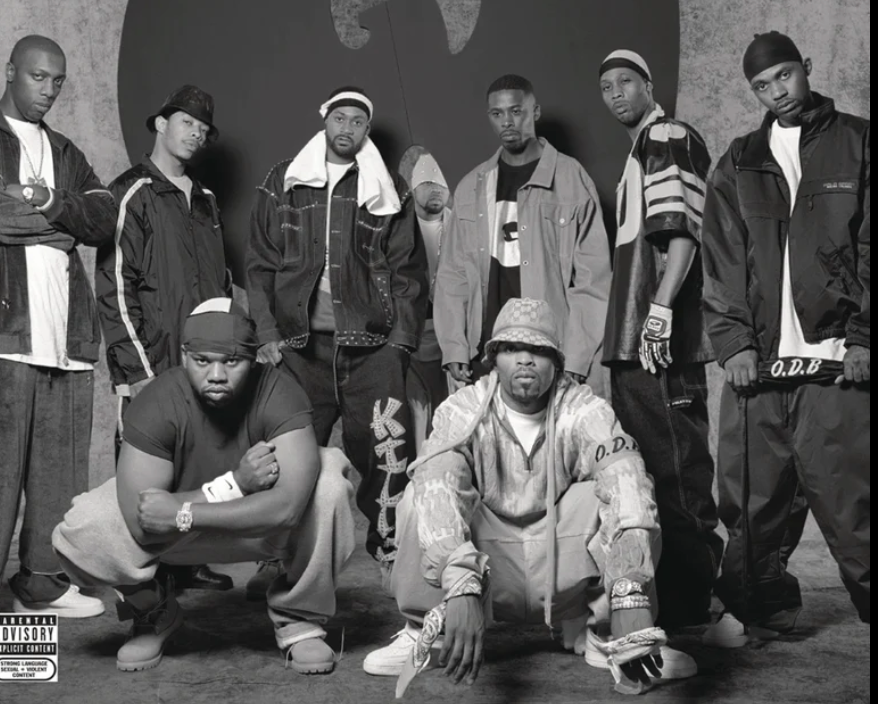
This is a deep dive into how martial arts shaped Wu-Tang, the movies that influenced them, the Shaolin philosophy behind their lyrics, and how they changed hip-hop with kung-fu culture.
Growing up in Staten Island, the future Wu-Tang members devoured kung-fu movies in New York’s 42nd Street grindhouse theaters. During the 1970s and ‘80s, martial arts films were a major part of Black and urban culture, inspiring kids in the hood with stories of warriors overcoming oppression.
🔹 Kung-fu heroes were like street warriors – Fighters from humble backgrounds, using skill and discipline to defeat stronger enemies.
🔹 Themes of honor, respect, and self-mastery – Just like in hip-hop, where skills mattered most, not status or money.
🔹 The fighting styles were like rap styles – Unique approaches, different forms, and deadly execution.
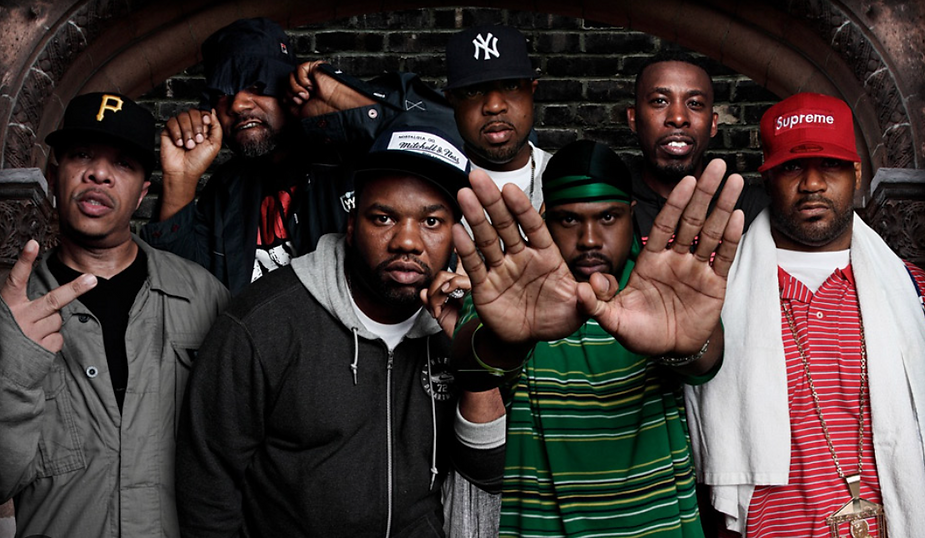
Bruce Lee, Shaw Brothers films, and Hong Kong cinema became Wu-Tang’s spiritual foundation.
Wu-Tang’s lyrics, album concepts, and even their names come directly from classic martial arts films.
🔥 The Blueprint for Wu-Tang’s Philosophy

🔥 The Movie That Inspired Wu-Tang’s Name
🔥 Influence on Wu-Tang’s Individual Styles
🔥 A Movie That Embodied RZA’s Training
Wu-Tang members constantly reference other films, such as:
Wu-Tang Clan didn’t just name-drop kung-fu movies—they adopted Shaolin philosophy into their entire worldview.
🔹 Discipline & Mastery – RZA saw producing beats like a Shaolin monk practicing martial arts.
🔹 Brotherhood & Loyalty – Wu-Tang operated like a martial arts clan, where loyalty and honor were everything.
🔹 Style & Technique Over Everything – Just like kung-fu masters, each Wu-Tang member had a unique lyrical style.
🔹 Training & Growth – RZA saw himself as the master (like Pai Mei or San Te), guiding his students to become lyrical warriors.
This is why each Wu-Tang member’s style reflects a different fighting technique:
🔥 Method Man – The charismatic, unpredictable fighter (Drunken Fist energy)🔥 Ghostface Killah – Flashy and emotional, like a Shaolin assassin🔥 Raekwon – Precise and strategic, like a sword master🔥 GZA – The intellectual warrior, like a wise kung-fu master🔥 Inspectah Deck – Explosive, like a fast-striking monk
Each member trained in their craft like a martial artist trains in Shaolin forms.
Wu-Tang Clan changed hip-hop forever by making martial arts culture mainstream in rap.
🔹 Kung-fu skits in albums (monks speaking, training sequences).
🔹 Album themes based on Shaolin training (Enter the Wu-Tang, Liquid Swords).
🔹 They named songs after martial arts concepts (Iron Flag, Wu-Tang Forever).
After Wu-Tang, martial arts became part of hip-hop culture:
Before Wu-Tang, rap had little direct connection to Asian culture.
🔹 They built a bridge between hip-hop and martial arts philosophy.
🔹 RZA learned from real Shaolin monks and visited Shaolin Temple in China.
🔹 They even collaborated with Asian martial artists and directors, including Quentin Tarantino (Kill Bill).
Even today, Wu-Tang Clan’s martial arts influence is everywhere.
🔹 RZA became a martial arts movie director (The Man with the Iron Fists).
🔹 The Wu-Tang Clan logo is as recognizable as a Shaolin emblem.
🔹 Shaolin philosophy still guides Wu-Tang’s lyrics, business, and mindset.
Their impact proves that Wu-Tang isn’t just a rap group—it’s a school of thought, like a Shaolin monastery in hip-hop.
As they say:“Wu-Tang Clan Ain’t Nuthin’ to F* With.”** 🐉🔥

Wu-Tang Clan didn’t just bring martial arts into hip-hop—they took hip-hop into martial arts movies. From soundtracks to starring roles, directing, and producing, Wu-Tang Clan has left a permanent mark on action cinema.
This deep dive covers:
RZA was obsessed with martial arts movies since childhood. But he wasn’t just a fan—he studied film the way a Shaolin monk studies kung-fu. He learned from directors like Quentin Tarantino, John Woo, and the Shaw Brothers.
He started by composing film scores before stepping into acting, writing, and directing.
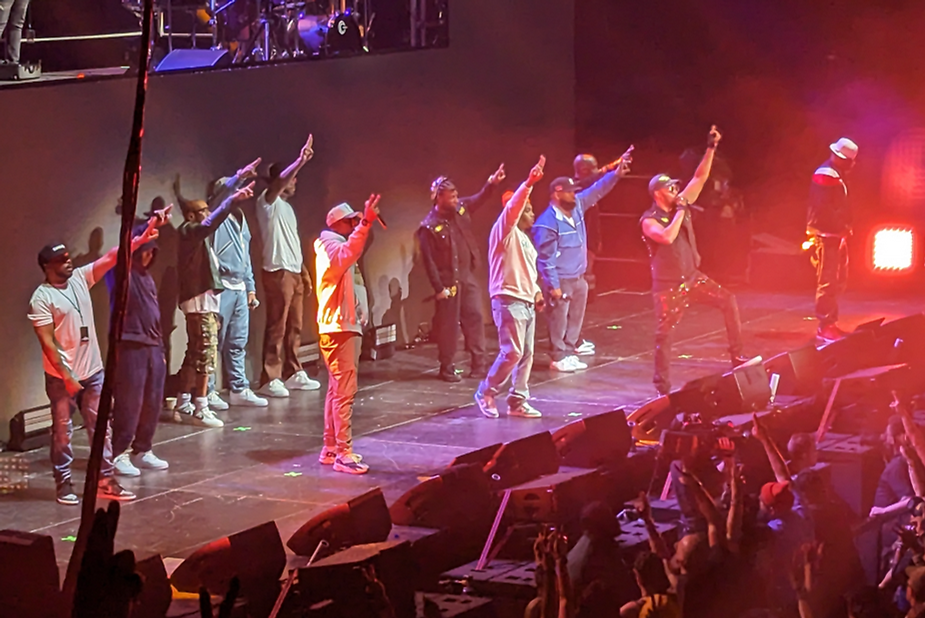
🔥 RZA’s first major film work was scoring Ghost Dog: The Way of the Samurai, starring Forest Whitaker.
RZA’s lifelong dream was to make his own kung-fu movie, and he finally did it with The Man with the Iron Fists.
🔥 Inspired by old Shaw Brothers films
🔥 Produced by Quentin Tarantino & Eli Roth
🔥 Starred RZA, Russell Crowe, Lucy Liu, and Dave Bautista
The movie was a tribute to classic martial arts cinema, featuring:✔️ Over-the-top action and stylized violence✔️ Mystical warriors with unique fighting styles✔️ A hip-hop-meets-kung-fu aesthetic
It led to a sequel, The Man with the Iron Fists 2 (2015), though RZA didn’t direct it.
RZA continued to direct and act in various films:
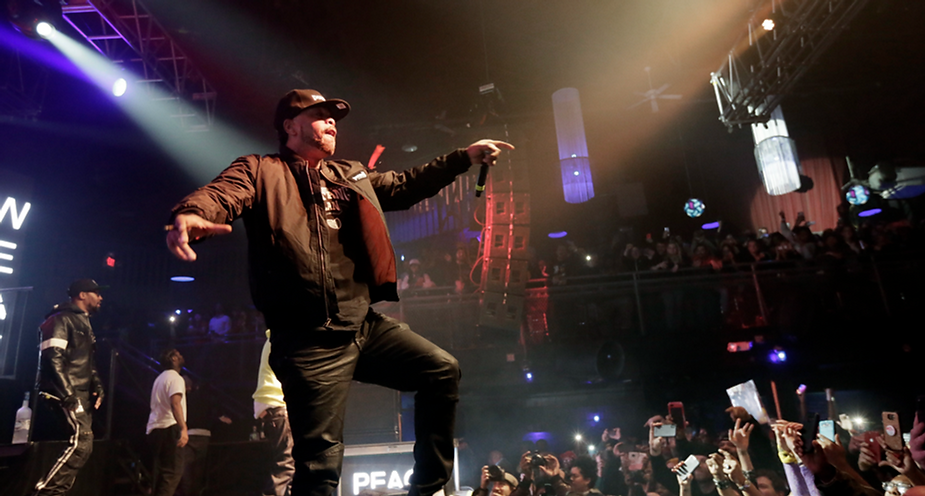
Method Man is Wu-Tang’s most successful actor, appearing in dozens of films and TV shows.
🔥 Notable Movies:
🔥 TV Shows:
They all contributed to Wu-Tang’s film projects in different ways.
Wu-Tang’s impact on film goes beyond just acting—they inspired a new genre of hip-hop and martial arts fusion.
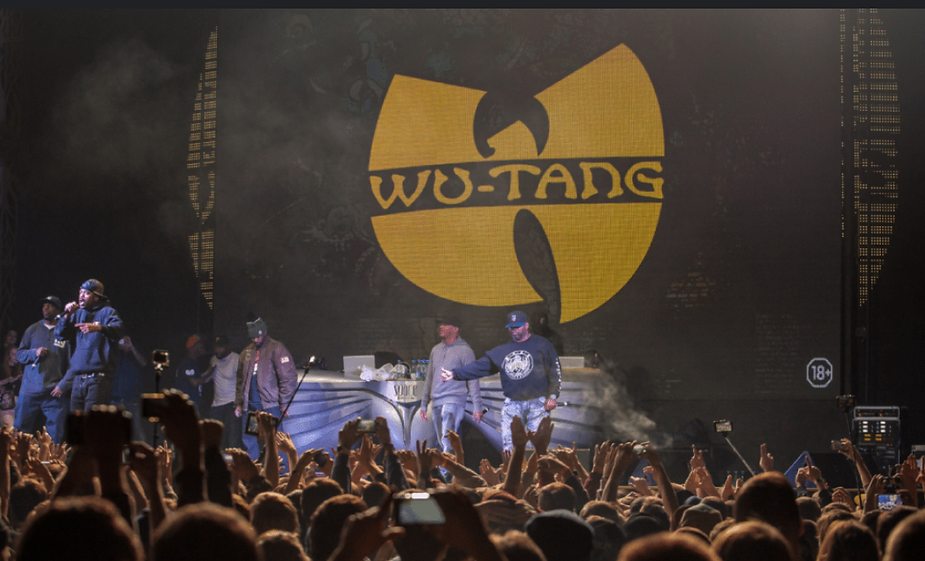
Wu-Tang Clan paved the way for:
Wu-Tang’s music videos were like mini martial arts movies:
They set a trend that artists like Kanye West, Kendrick Lamar, and Joey Bada$$ later followed.
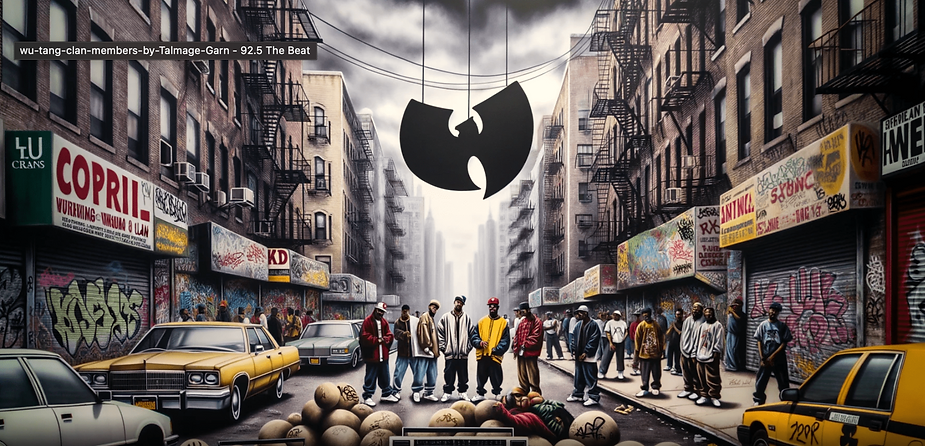
Wu-Tang Clan contributed music to some legendary movies:
🎬 Blade: Trinity (2004) – RZA composed tracks for this Wesley Snipes action film.🎬 *Kill Bill Vol. 1 & 2 (200
Wu-Tang Clan’s love for martial arts, Eastern philosophy, and Shaolin culture wasn’t just a gimmick—it was a lifelong passion that led them on multiple trips to China and other parts of Asia.
This deep dive covers:
Since the early ’90s, Wu-Tang Clan has drawn inspiration from classic kung-fu films, particularly from the legendary Shaw Brothers’ Hong Kong cinema. Movies like:
These films became the foundation for Wu-Tang’s philosophy and brand. They saw parallels between:
Their albums, lyrics, and personas were infused with Shaolin wisdom, and soon, they set out to experience the culture firsthand.
RZA, the mastermind behind Wu-Tang Clan, was the first member to make a spiritual pilgrimage to the Shaolin Temple in Henan Province, China.
🔥 Why It Was Important:
🔥 What He Did There:
🔥 RZA’s Reflection on the Trip:In interviews, RZA often said this trip changed his life. He realized that hip-hop and kung-fu had the same soul—both were about struggle, mastery, and expression.
Over the years, other Wu-Tang members followed RZA’s footsteps, visiting China to explore Shaolin culture.
✔️ 2007: Wu-Tang’s Official China Tour
✔️ Ghostface Killah & Raekwon in Hong Kong
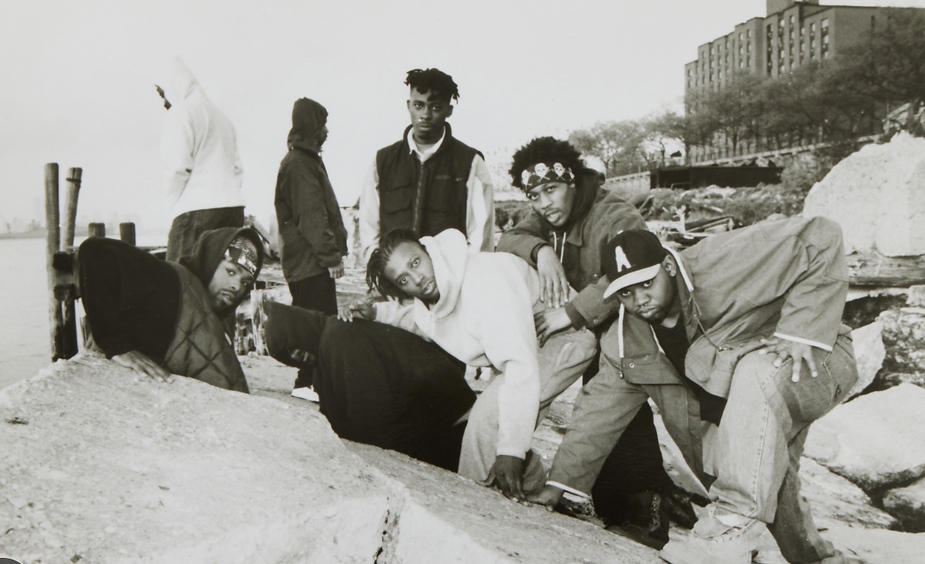
Wu-Tang members didn’t just rap about martial arts—they trained in it:
🔥 Eastern Philosophy in Wu-Tang’s Lyrics & Mindset
Wu-Tang didn’t just use martial arts for aesthetics—they truly adopted the mental discipline, spirituality, and philosophy of Shaolin monks.
Wu-Tang Clan’s journeys to the East weren’t just about admiration—they were about connection, respect, and learning.
They went from watching kung-fu flicks in New York to training with Shaolin monks, scoring samurai anime, and performing for Chinese & Japanese audiences.
🔥 Wu-Tang isn’t just hip-hop—it’s a global movement, a fusion of East & West, and a philosophy that transcends music. 🔥
-fotor-bg-remover-20251210165637.webp)


