-fotor-bg-remover-20251211141935.webp)
-fotor-bg-remover-20251211143525.webp)
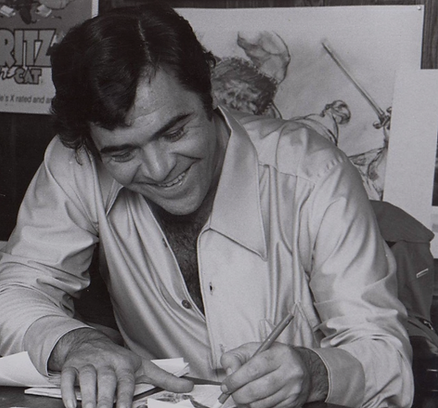
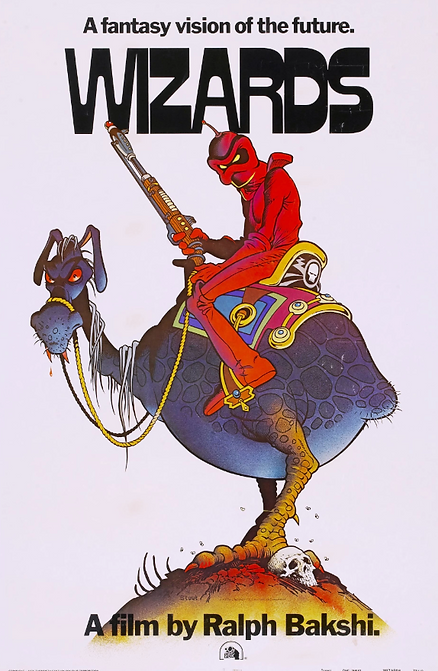
By the mid-1970s, Ralph Bakshi had already established himself as an underground animation icon with Fritz the Cat (1972), Heavy Traffic (1973), and Coonskin (1975).
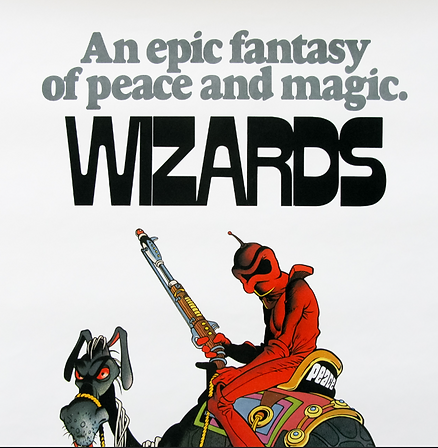
These films tackled mature, often controversial themes, but after facing pushback for Coonskin, Bakshi sought to create something different—an animated fantasy epic with mass appeal that still carried his signature subversive edge.
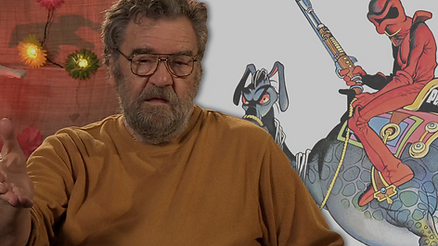
Bakshi had a deep love for fantasy and science fiction, and he saw animation as the perfect medium to bring his vision to life. Inspired by The Lord of the Rings, underground comics, pulp fantasy, and the works of Vaughn Bodē, he set out to craft a world where magic and technology clashed in a post-apocalyptic future.
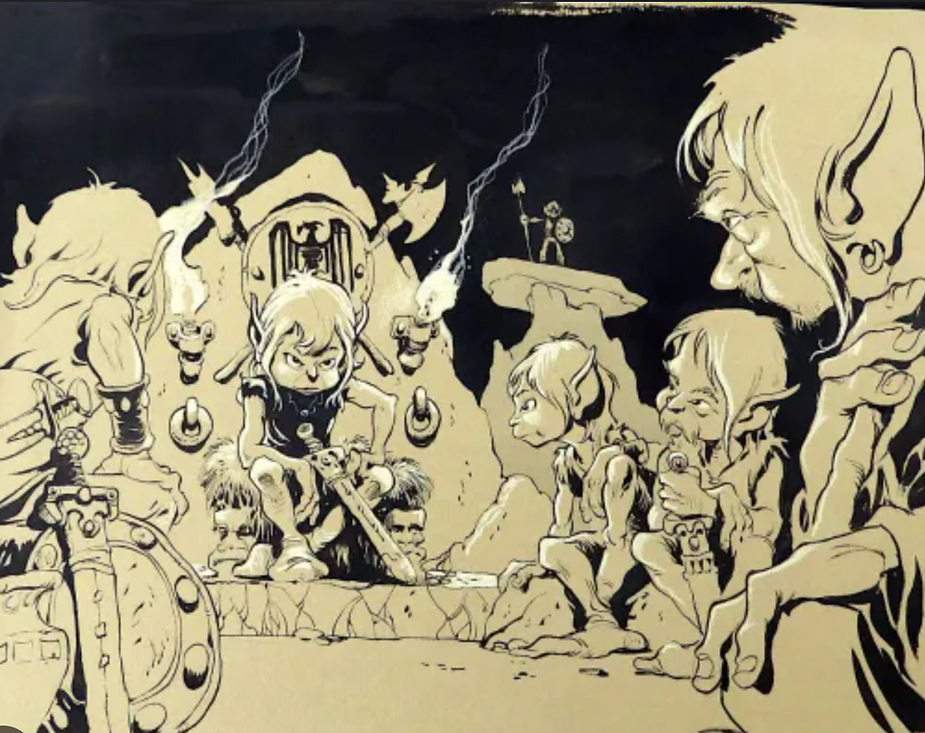
He wrote the script for Wizards himself, envisioning a film that blended fairy tale elements with political and social commentary.
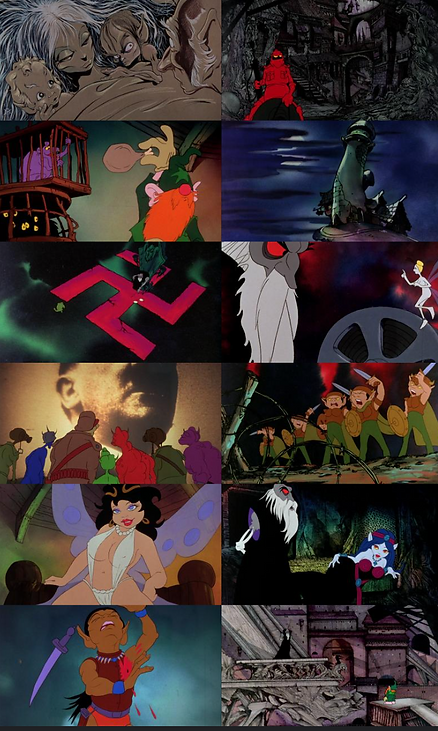
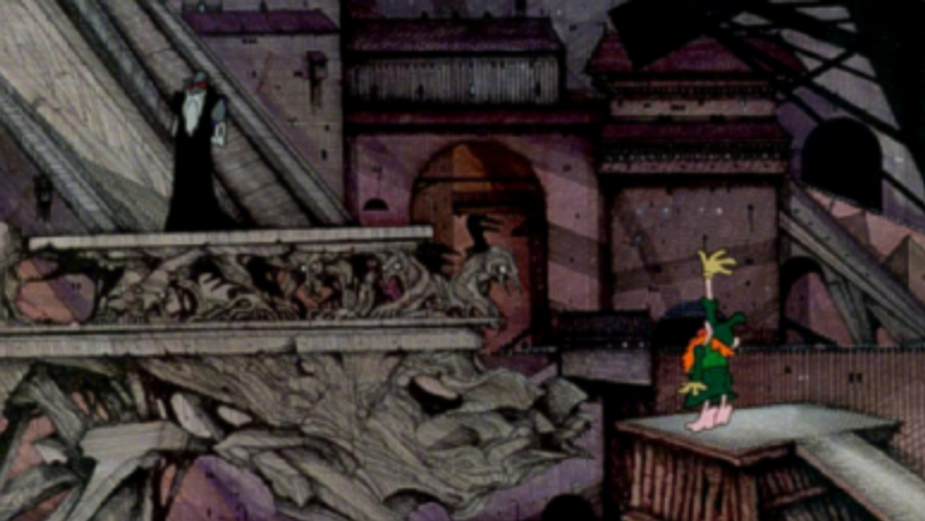
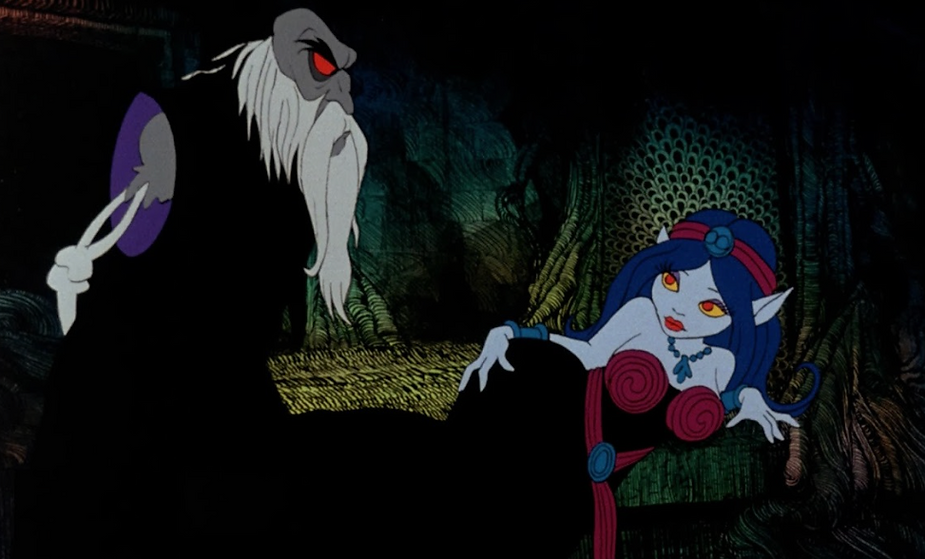
Set in a post-apocalyptic Earth ravaged by nuclear war, Wizards takes place millions of years after civilization's destruction.
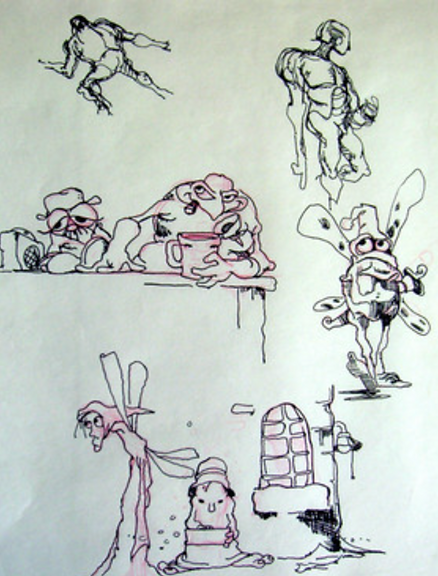
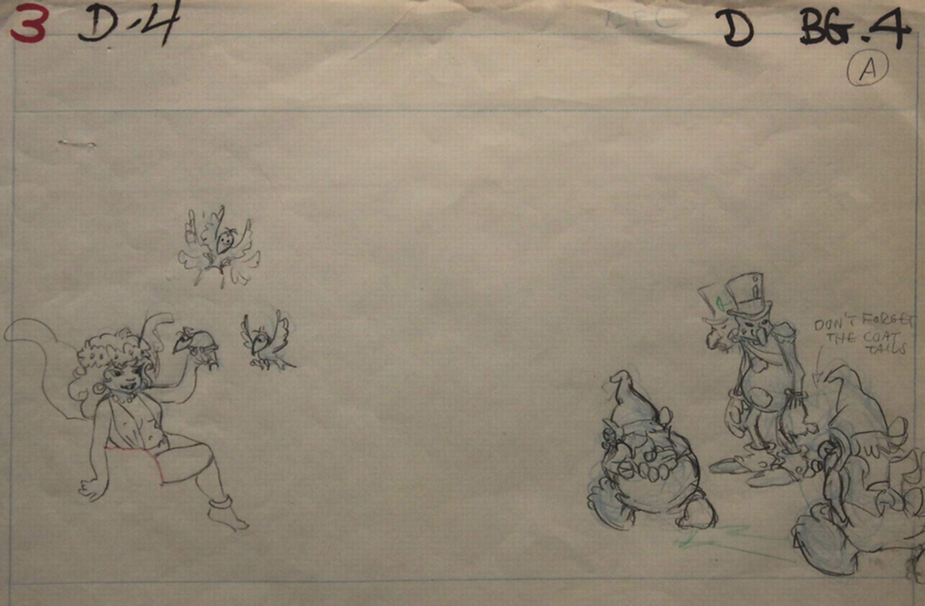
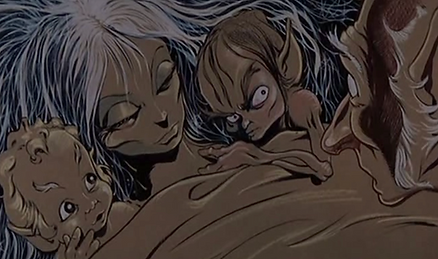
The planet is now home to elves, fairies, and other magical creatures, living in harmony until the return of old threats. The film follows two brothers:
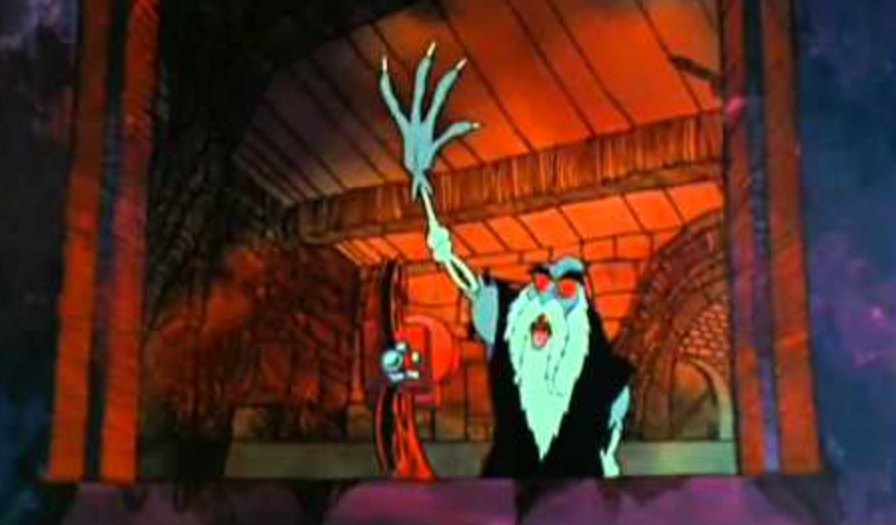
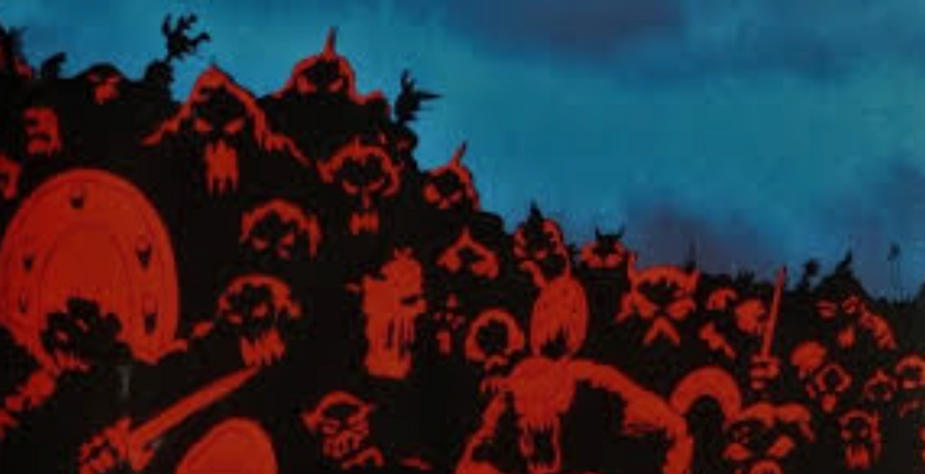
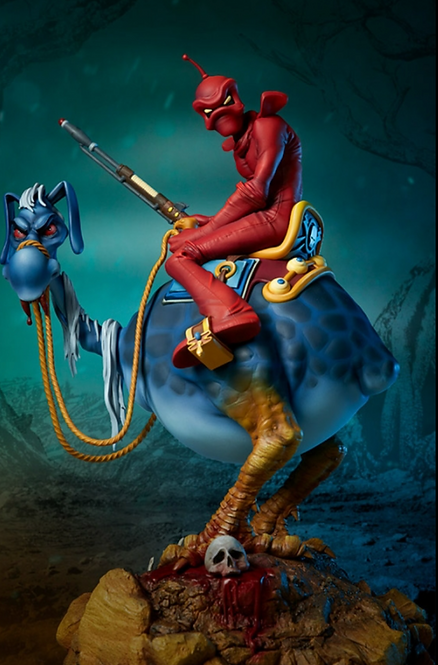
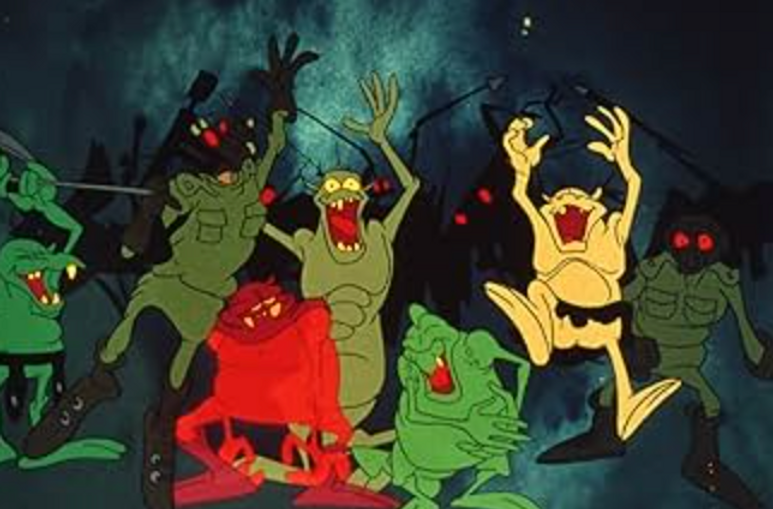
Blackwolf discovers old Nazi propaganda films and uses them to brainwash his mutant army, preparing to conquer the world. Avatar, joined by warrior elf Weehawk, half-fairy princess Elinore, and the conflicted assassin robot Necron 99 (later renamed "Peace"), embarks on a journey to stop his brother. The film culminates in a climactic showdown where Avatar, instead of using magic, pulls a pistol and shoots Blackwolf, ending his reign of terror in a moment of dark irony.
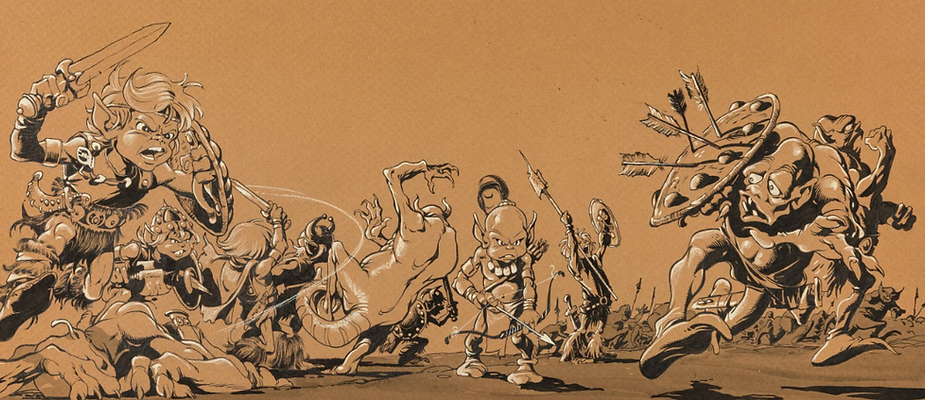
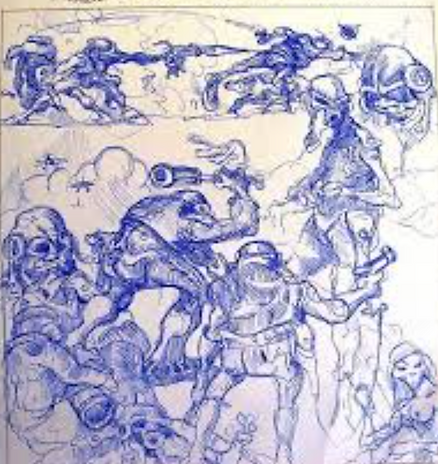
The film’s use of Nazi imagery was a stark and deliberate choice—Bakshi wanted to depict how propaganda and militarism could be resurrected and weaponized. This blend of fantasy and real-world history gave Wizards a unique thematic weight rarely seen in animated films.
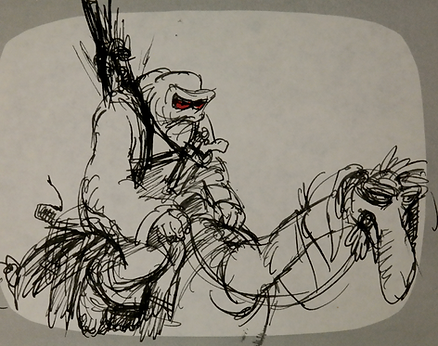
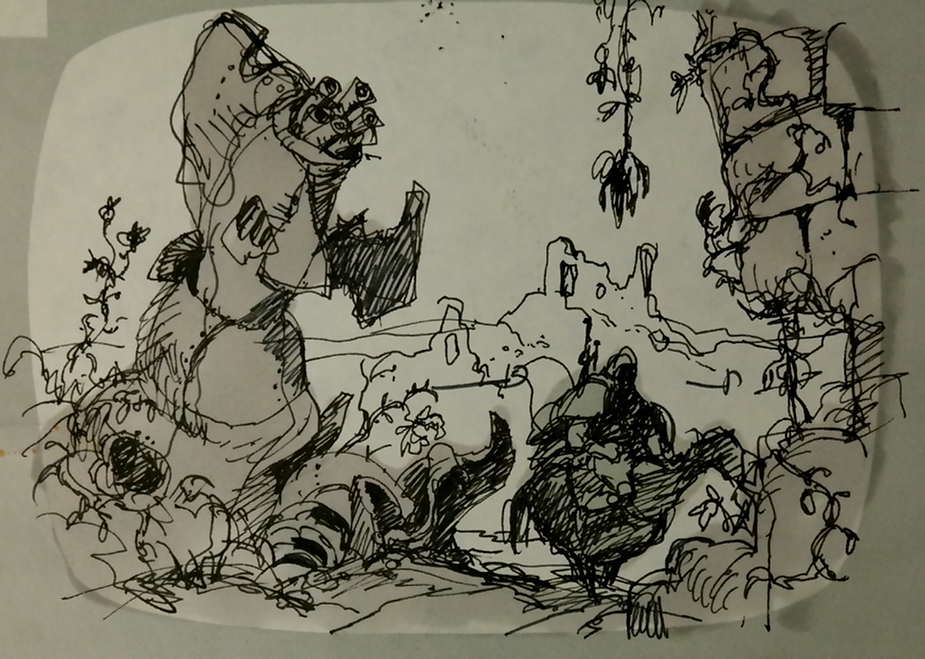
Bakshi’s budget for Wizards was only around $1.2 million, a fraction of what Disney spent on animated features. To work around this limitation, he employed several unconventional techniques:
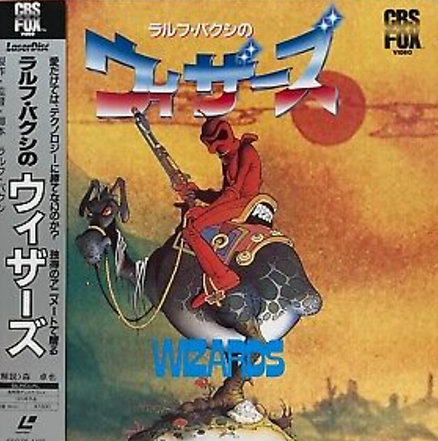
This mix of traditional animation, rotoscoping, and stylized backdrops resulted in a distinctive look that stood apart from the clean, polished animation of Disney.
When Wizards was released on May 25, 1977, it went head-to-head with a little film called Star Wars. Unsurprisingly, George Lucas’ sci-fi epic dominated the box office, overshadowing Wizards. However, Bakshi’s film still found an audience, becoming a sleeper hit and earning a dedicated cult following over time.
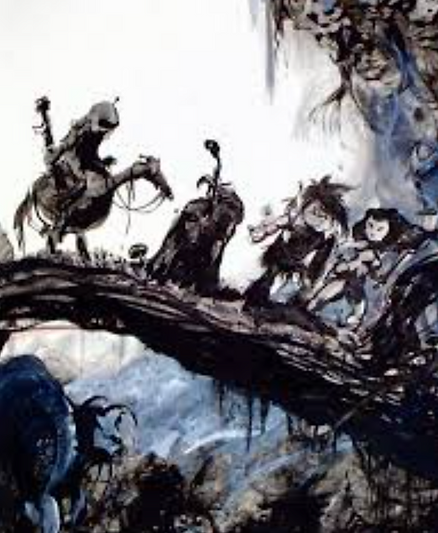
Its impact on animation and fantasy storytelling is undeniable:
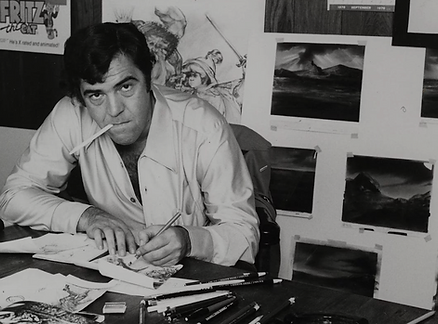
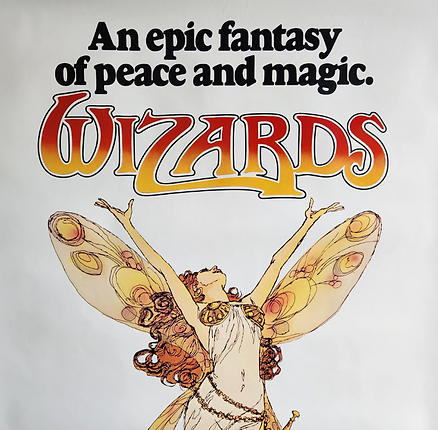
In the 2000s, Bakshi expressed interest in making a Wizards 2, even drafting concept art. However, funding never materialized, and the project remained unmade.
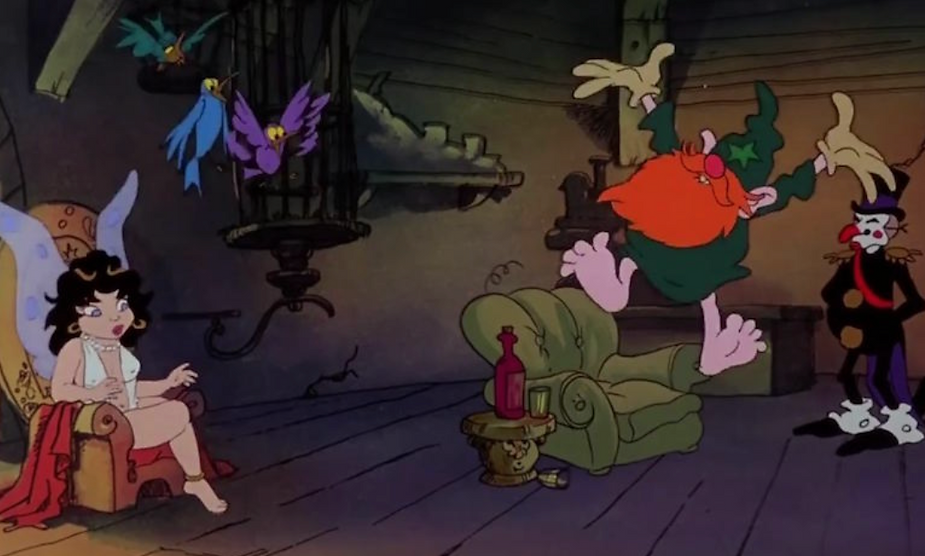
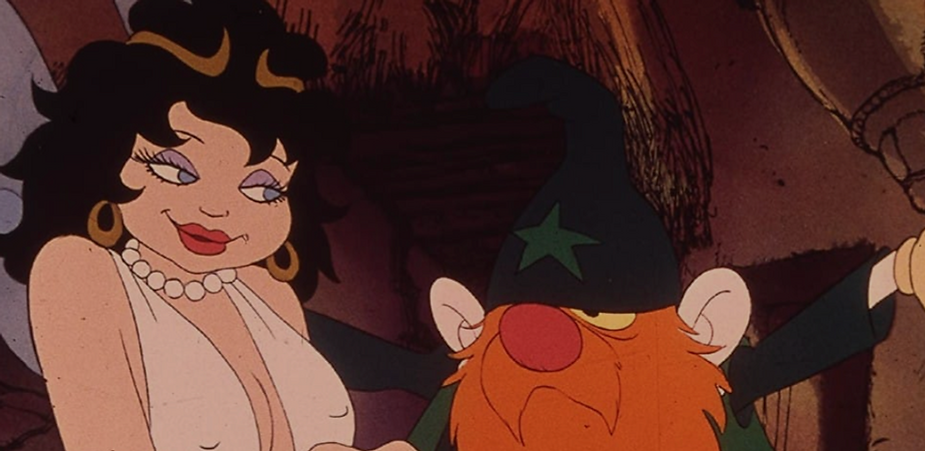
Though it never reached mainstream blockbuster status, Wizards remains one of the most unique and daring animated films ever made. It blended fairy tale fantasy with heavy socio-political themes, used experimental animation techniques, and proved that adult animation could be more than just crude humor.
Ralph Bakshi’s vision for Wizards was ahead of its time, and its legacy continues to inspire animators, storytellers, and fantasy enthusiasts to this day.
-fotor-bg-remover-20251210165637.webp)


