-fotor-bg-remover-20251211141935.webp)
-fotor-bg-remover-20251211143525.webp)
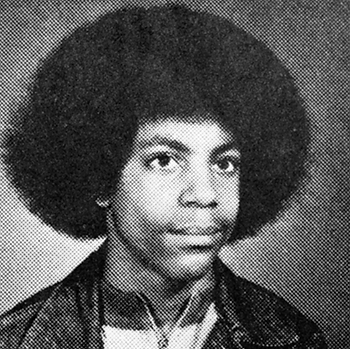
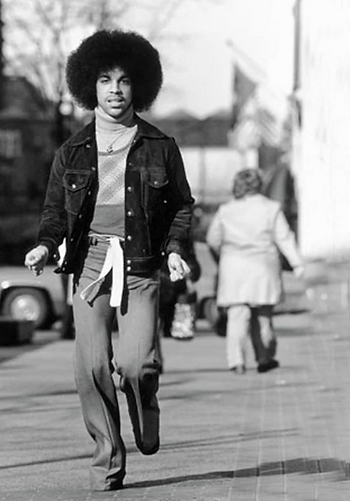
Prince Rogers Nelson was born on June 7, 1958, in Minneapolis, Minnesota, into a musical family. His father, John L. Nelson, was a jazz pianist, and his mother, Mattie Della, was a jazz singer. Raised in a city far from the traditional music hubs of New York or Los Angeles, Prince found his own sound, blending funk, rock, R&B, and pop into something entirely new.
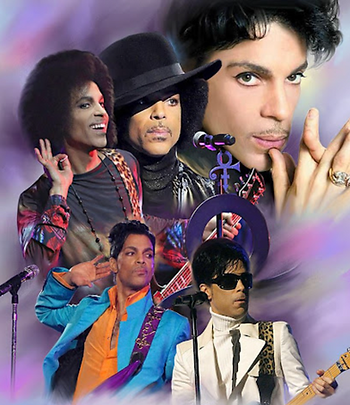
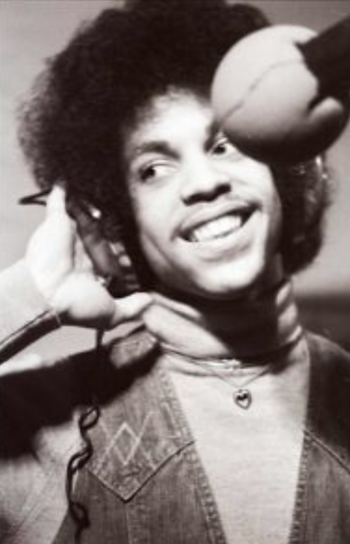
A musical prodigy, Prince wrote his first song, Funk Machine, at just seven years old. By his teenage years, he had mastered multiple instruments and was determined to make it in the industry. His drive was relentless—he would lock himself in his room and practice music for hours, refining his unique artistic identity.
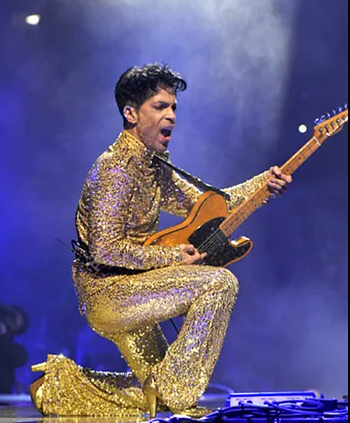
By the late 1970s, Prince had secured a record deal with Warner Bros. Records, becoming one of the youngest artists to ever sign a major-label contract.
His 1978 debut album, For You, showcased his ability to play every instrument himself, a trend that would continue throughout his career. His sophomore release, Prince (1979), delivered his first major hit, I Wanna Be Your Lover.
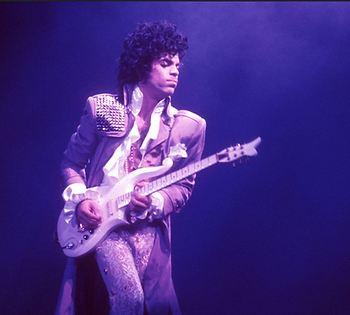
But it was the early 1980s that cemented his status as a musical revolutionary. Dirty Mind (1980) and Controversy (1981) pushed the boundaries of sexuality, race, and music genres. He blurred the lines between rock, funk, and pop, creating an entirely new sonic experience.
With 1999 (1982), Prince made the jump from underground sensation to global superstar. The title track and Little Red Corvette became massive hits, bringing synth-driven funk and sexually charged lyrics into the mainstream.

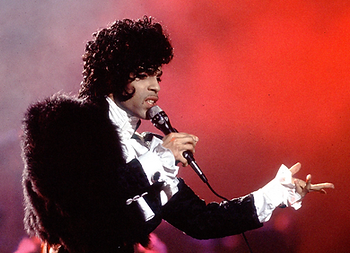
Then came Purple Rain (1984), a cultural phenomenon that would redefine music, film, and fashion.
The Purple Rain album, film, and tour were unlike anything before. The title track, When Doves Cry, and Let’s Go Crazy dominated the charts. The film won an Academy Award for Best Original Song Score, and Prince became a household name.

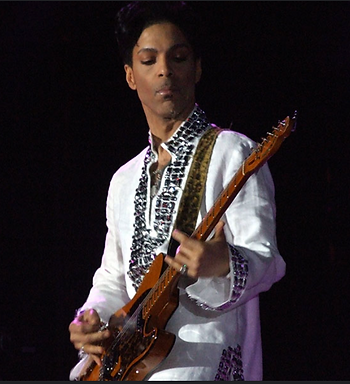
His band, The Revolution, played a crucial role in shaping this era. Their collaborative energy and experimental sound helped define albums like Around the World in a Day (1985) and Parade (1986), which featured Kiss. His ability to fuse rock, funk, psychedelia, and pop set a blueprint that countless artists would follow.
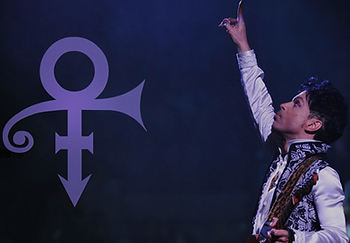
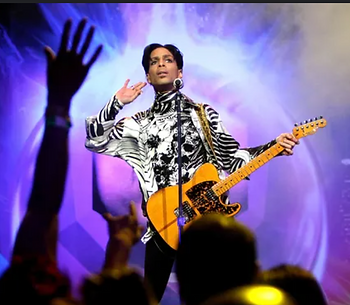
Prince was not only a musical innovator but a fierce advocate for artistic freedom. In the early 1990s, he clashed with Warner Bros. over creative control and ownership of his master recordings.
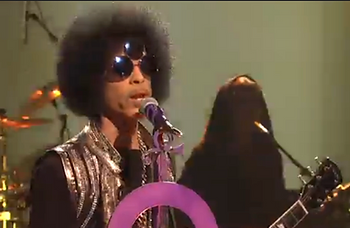
Frustrated by the label’s refusal to let him release music at his own prolific pace, he made a bold statement—changing his name to an unpronounceable symbol, ⏚ (often called the "Love Symbol").
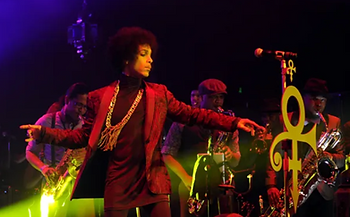
For years, he was referred to as "The Artist Formerly Known as Prince" and wrote "SLAVE" on his cheek during performances to protest the constraints of the record industry.
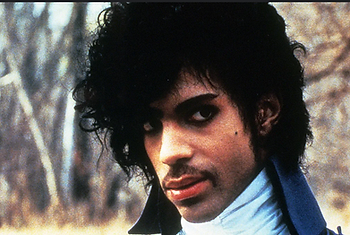
This defiant move was unprecedented, signaling his refusal to be controlled by corporate interests. He later regained ownership of his masters, a battle that influenced countless artists in their own fights for artistic freedom.
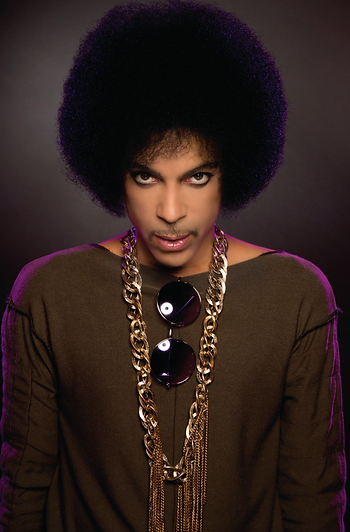
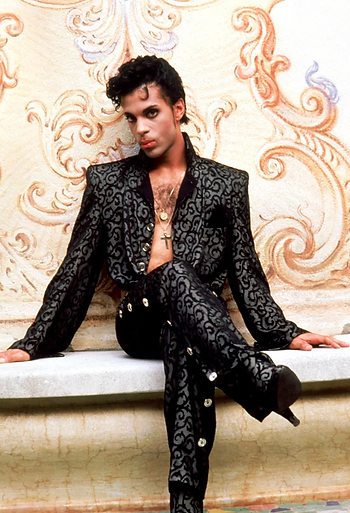
Prince’s style was as bold as his music. His androgynous fashion—high heels, ruffled shirts, and colorful suits—challenged gender norms long before it was mainstream. Every era of his career came with an evolution in fashion, from the Purple Rain-era trench coats to the sleek, futuristic looks of The Gold Experience (1995).
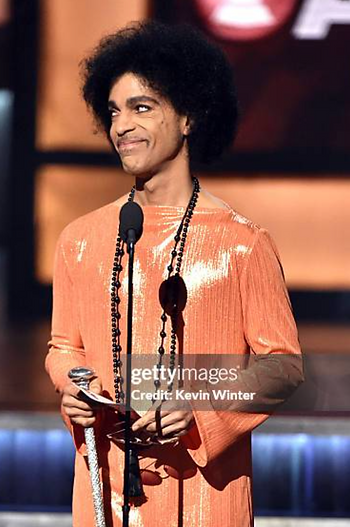
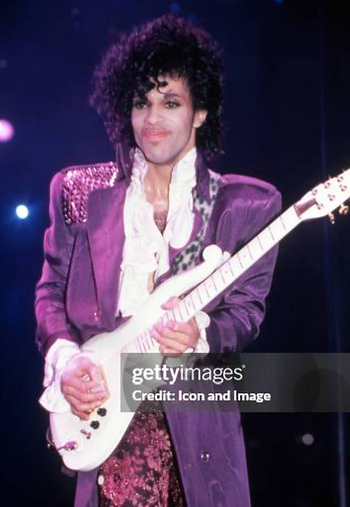
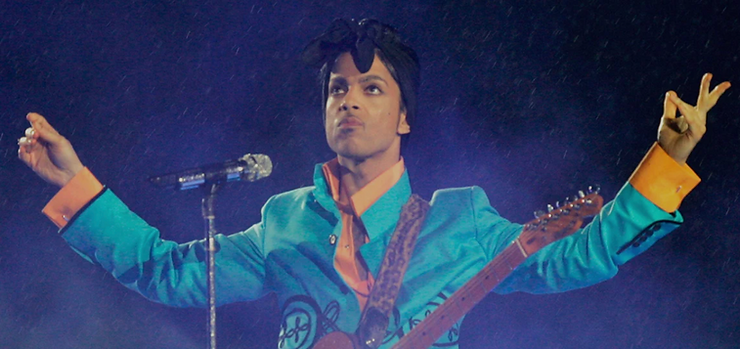
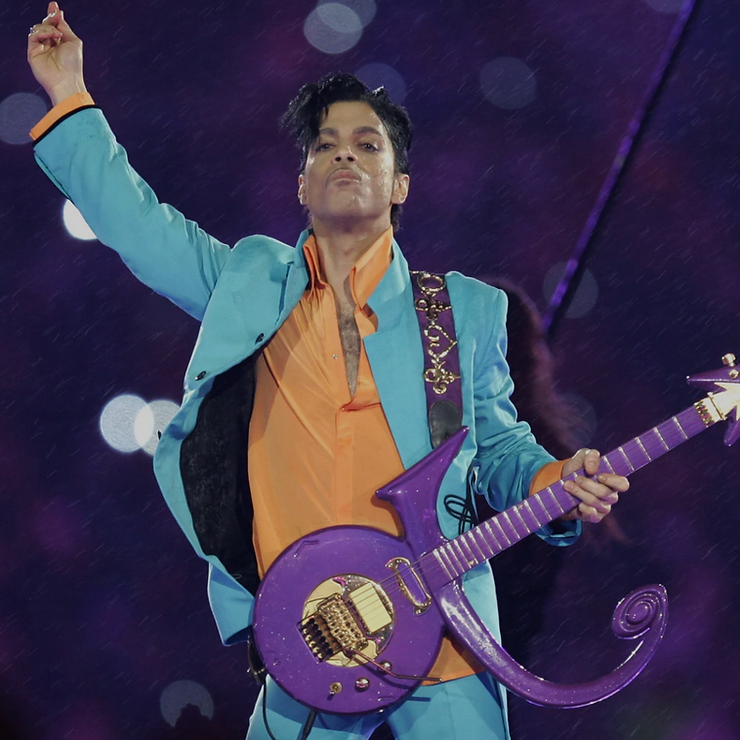
On stage, he was electrifying. Whether with a full band or solo at the piano, his concerts were legendary. His Super Bowl XLI halftime show (2007) in the pouring rain is often hailed as the greatest halftime performance of all time.
Prince’s musicianship was unparalleled. A true multi-instrumentalist, he mastered over 27 instruments, often playing every part on his records. His guitar solos were otherworldly, his drumming was tight, and his ability to layer instruments created lush soundscapes that no one else could replicate.
Prince drew from a diverse range of influences—Jimi Hendrix, James Brown, Sly and the Family Stone, Stevie Wonder, and The Beatles, to name a few. But he didn’t just absorb their styles—he innovated on them, creating something entirely his own.
In turn, his influence spread across generations. Artists like Beyoncé, The Weeknd, Janelle Monáe, Lenny Kravitz, and Bruno Mars have all cited Prince as a major inspiration. His genre-blending style paved the way for modern pop and R&B, proving that an artist didn't have to fit neatly into one category.

Despite his fame, Prince remained deeply connected to Minneapolis. He built his legendary studio complex, Paisley Park, as a creative sanctuary. Unlike many superstars who moved to L.A. or New York, he stayed true to his hometown.
His philanthropy was often done in secret. He donated millions to schools, civil rights organizations, and underprivileged communities but rarely sought credit. He funded initiatives like YesWeCode, helping young people of color enter the tech industry, and he supported movements like Black Lives Matter.
Paisley Park isn’t just a building—it’s a legendary creative sanctuary, a recording studio, a live performance space, a film editing facility, and a living testament to Prince’s artistic genius.
Located in Chanhassen, Minnesota, just outside of Minneapolis, Paisley Park served as the epicenter of Prince’s music, vision, and lifestyle for over three decades.
Prince always envisioned having complete artistic independence, and Paisley Park was a physical manifestation of that dream. In the mid-1980s, after the massive success of Purple Rain, he had the financial power and creative drive to build his own state-of-the-art music and film production compound.
Paisley Park was named after Prince’s song Paisley Park from the album Around the World in a Day (1985), which painted a picture of a utopian world where artistic expression and love reign supreme.
The lyrics embodied the essence of what Prince wanted Paisley Park to be:
"Admission is easy, just say you believe, and come to this place in your heart."
It was more than a studio—it was Prince’s creative fortress, where he could work on music, films, and performances without interference from record labels or outside influences.
Paisley Park spans 65,000 square feet, featuring recording studios, a soundstage, live performance areas, private offices, and even a meditation space. Every aspect of its design reflected Prince’s artistic vision and meticulous attention to detail.
Paisley Park housed some of the most advanced recording studios in the world. Prince recorded much of his post-Purple Rain music here, including albums like Sign o’ the Times (1987), Lovesexy (1988), and Diamonds and Pearls (1991).
Many legendary artists also recorded at Paisley Park, including:
One of the most famous aspects of Paisley Park was its full-size soundstage, where Prince held private concerts, rehearsals, and album preview events.
Paisley Park wasn’t just about music—it was also a film and visual production hub.
Perhaps the most mysterious and legendary part of Paisley Park is the Vault—a heavily secured underground archive containing thousands of unreleased songs, full albums, videos, and live recordings.
Paisley Park wasn’t just Prince’s personal retreat—it became a gathering place for artists, musicians, and creatives.
Prince frequently invited musicians—both legends and newcomers—to jam with him at Paisley Park. Some nights, he would randomly announce performances on social media, and fans who made the trip to Minnesota would be rewarded with an exclusive show.
Beyond music, Paisley Park was also Prince’s platform for social activism and philanthropy.
Prince didn’t just work at Paisley Park—he lived there. His private quarters included:
Following Prince’s sudden death on April 21, 2016, Paisley Park was transformed into a museum and cultural landmark, allowing fans to step into his world.
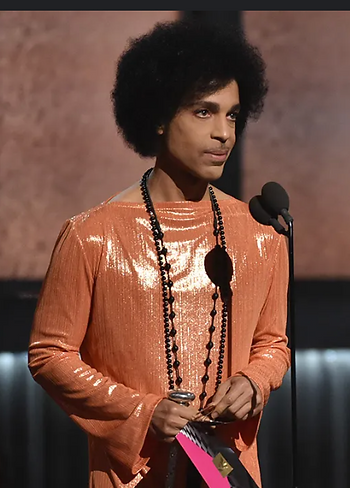
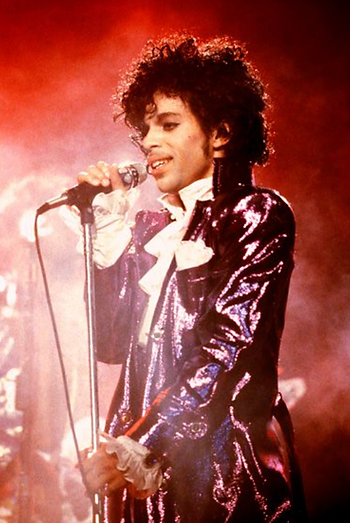
Every year, Paisley Park hosts “Celebration”, an event honoring Prince’s legacy.
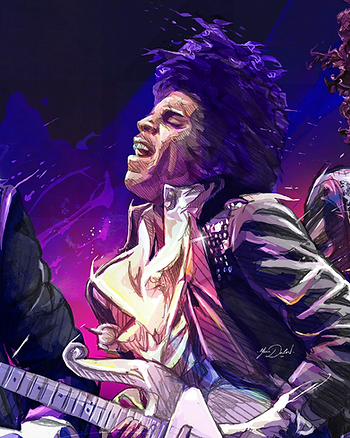
Paisley Park was not just a recording studio—it was Prince’s declaration of independence from the corporate music industry. It was a place where
:✅ Art came first—not business, not charts, not industry trends.
✅ Genre didn’t exist—music was limitless, fusing funk, rock, jazz, and pop.
✅ Creativity was sacred—he could create without compromise.
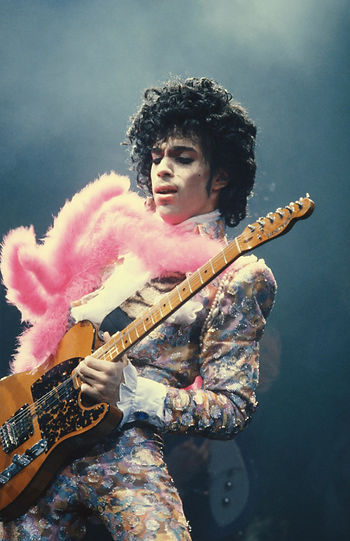
Prince built Paisley Park because he refused to be confined.
And in doing so, he created something that no artist had ever done before.
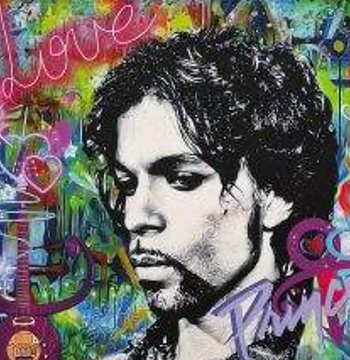
Even after his passing, Paisley Park remains alive—not just as a museum, but as a symbol of artistic freedom, innovation, and the magic of Prince’s genius.
💜 Paisley Park is in our hearts forever. 💜
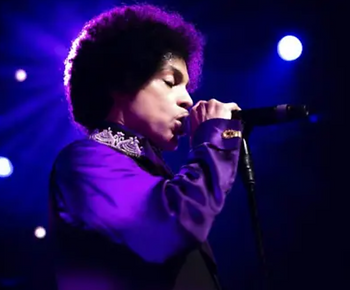
On April 21, 2016, the world lost Prince at the age of 57 due to an accidental fentanyl overdose.
His sudden passing sent shockwaves through the music world, and tributes poured in from every corner of the industry.
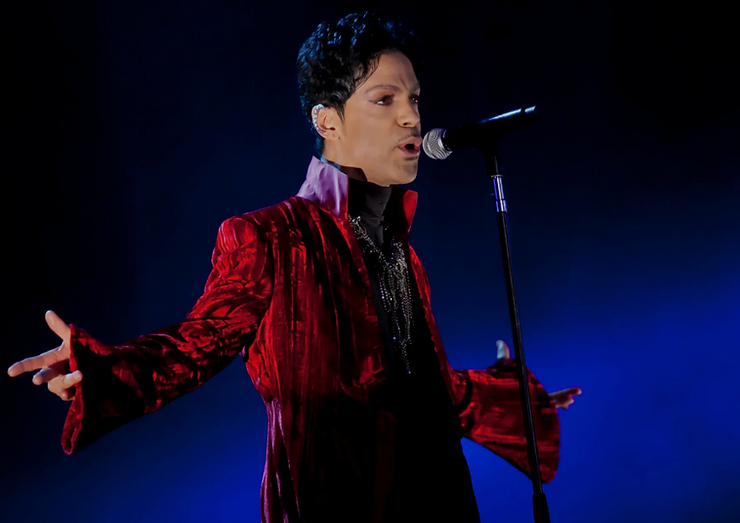
Buildings and landmarks across the world lit up in purple, and thousands gathered outside Paisley Park to celebrate his life.
Even in death, Prince’s influence remains stronger than ever. His music continues to inspire, his fight for artistic freedom resonates with modern musicians, and his boldness in breaking boundaries set the stage for generations to come. His vault—rumored to contain thousands of unreleased songs—ensures that his legacy will continue to unfold.
Prince was not just a musician—he was a movement. Few artists have been able to control their own narratives, own their masters, cross genres seamlessly, and innovate at every level like he did. His ability to blend rock, funk, jazz, pop, and R&B was unparalleled.
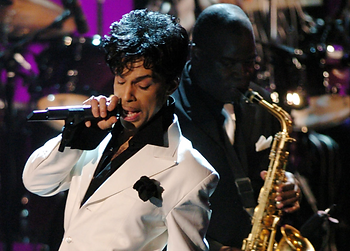
His work ethic was legendary—he would often record an entire album in days. He saw music as a spiritual experience, channeling raw emotion into every note.

From Purple Rain to Sign o’ the Times, Diamonds and Pearls to Musicology, his catalog is a testament to an artist who refused to be boxed in. His legacy isn’t just in the music—it’s in the fight for creative independence,
the breaking of gender and racial barriers, and the sheer audacity to be different.
Prince wasn’t just a pop star. He was The Artist—a singular force who changed music and culture forever.
-fotor-bg-remover-20251210165637.webp)


