-fotor-bg-remover-20251211141935.webp)
-fotor-bg-remover-20251211143525.webp)
In the warm, sunlit suburbs of Houston, Texas, a little girl named Beyoncé Giselle Knowles would sing melodies that seemed too powerful for someone her age.
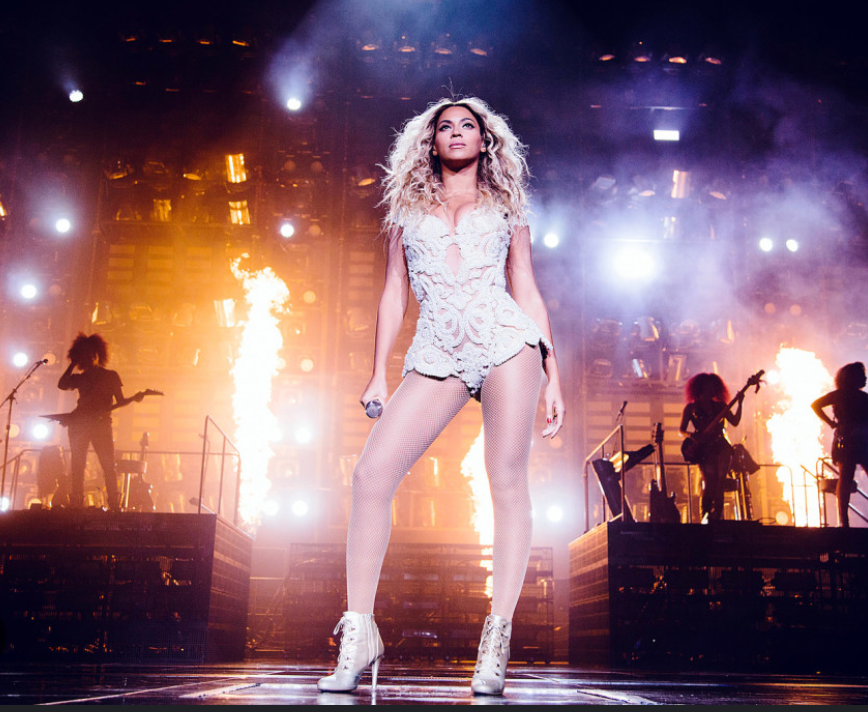
Born on September 4, 1981, she was a quiet child, yet the moment she heard music, something ignited inside her—a spark that would one day set the world on fire.
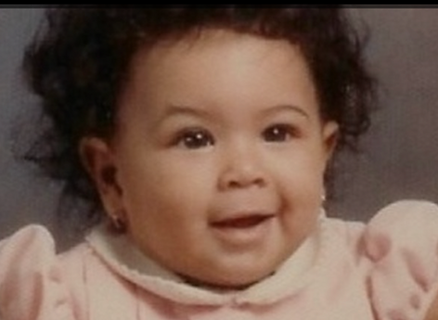
Her parents, Mathew and Tina Knowles, noticed their daughter’s love for music early on.

Beyoncé would hum along to songs even before she could fully form sentences. But it wasn’t just her love for music that stood out—it was her voice. Strong, soulful, and full of emotion, it was a gift that demanded attention.
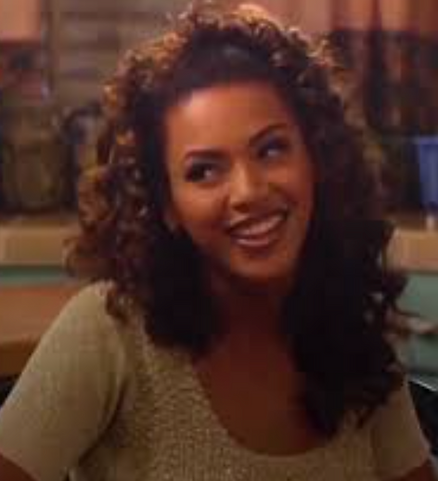
When she was seven years old, her parents entered her into a local talent competition. Dressed in a dazzling outfit designed by her mother, young Beyoncé took the stage, nervous but determined.
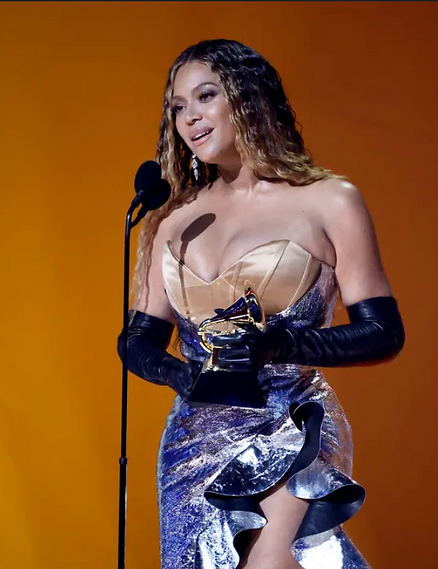
The moment she opened her mouth, the crowd went silent, mesmerized. She sang John Lennon’s "Imagine", and by the time she hit the final note, the audience erupted into thunderous applause.
She won the competition—beating contestants twice her age—and that was when her family knew: Beyoncé was destined for greatness.

Her mother, a hairstylist and fashion designer, became her biggest supporter. Her father, a former salesman with a sharp business mind, began managing her career, pushing her to reach her highest potential. They both knew that their daughter’s gift was rare, and they were willing to do whatever it took to nurture it.
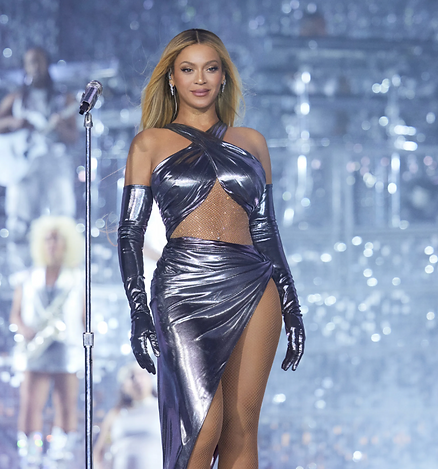
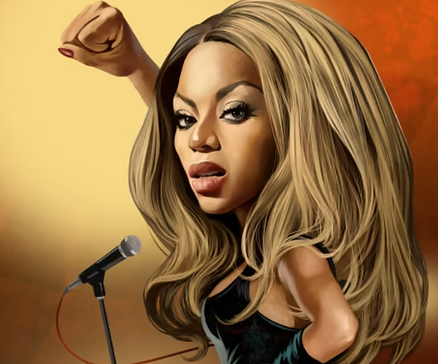
As Beyoncé grew, her love for performing only deepened. Inspired by artists like Whitney Houston, Michael Jackson, and Anita Baker, she dreamed of being on stage, just like them. She joined a dance class, where she met Kelly Rowland, a girl with a similar dream.
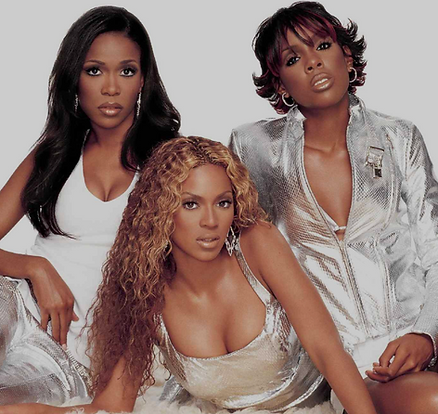
The two became inseparable, bonded by their love for music.
Soon, they joined a local girl group called Girl’s Tyme, a six-member R&B act that included Kelly and other young hopefuls. They rehearsed relentlessly, perfecting their harmonies and choreography under the watchful eye of Mathew Knowles, who had now taken over as their manager.
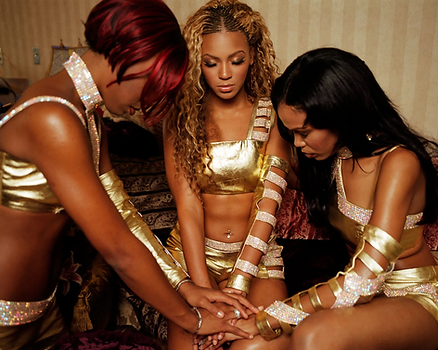
He believed in them so much that he quit his job to dedicate himself fully to their success—a risky move, but one that would soon prove to be life-changing.
In the early 1990s, Girl’s Tyme got their first big break: an appearance on the national talent show "Star Search". It was their chance to prove they had what it took. But when the results came in, they lost. It was devastating. Beyoncé, usually composed, cried backstage, feeling like she had let everyone down. But instead of giving up, she turned the pain into motivation.
“We weren’t ready yet,” she told herself. “But we will be.”
Determined to refine their sound and image, Mathew Knowles restructured the group, reducing it to four core members: Beyoncé, Kelly Rowland, LaTavia Roberson, and LeToya Luckett. He made them train harder than ever—singing while running, rehearsing for hours, learning every detail about the industry.
In 1996, their hard work paid off. The group, now renamed Destiny’s Child, landed a record deal with Columbia Records. Their first single, "No, No, No", became an instant hit, propelling them onto the charts and into the spotlight.
For Beyoncé, it was only the beginning. The little girl from Houston who once sang for talent show audiences was now stepping into the world as a superstar in the making.
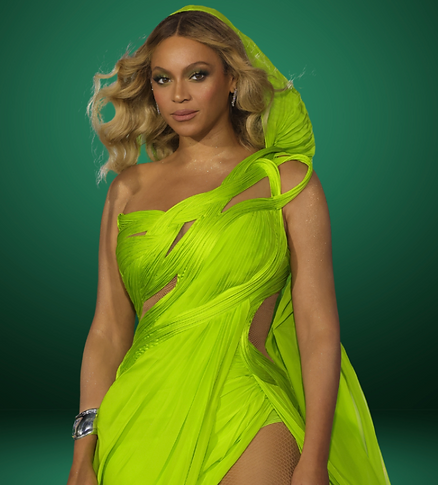
As the early 2000s unfolded, Beyoncé Giselle Knowles stood at a crossroads. For years, she had been the powerhouse voice and undeniable leader of Destiny’s Child, one of the most successful girl groups of all time. But now, she was about to step into something even greater—her own spotlight.
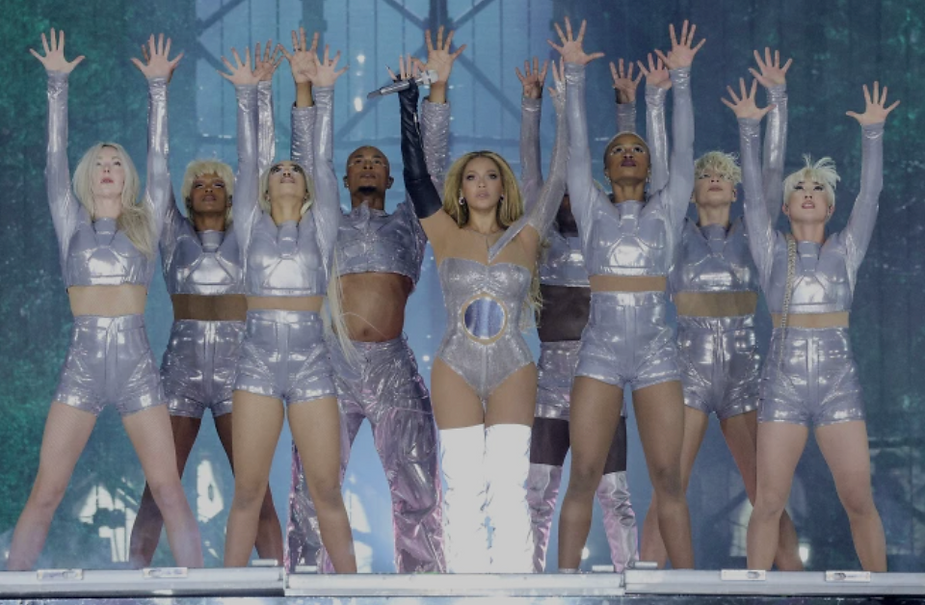
By 2001, Destiny’s Child was at its peak, dominating the charts with hits like "Survivor", "Bootylicious", and "Independent Women, Pt. 1". But behind the scenes, Beyoncé had already begun to think about her future as a solo artist.
It wasn’t an easy transition. She had spent her entire teenage life with Kelly Rowland and Michelle Williams, and Destiny’s Child was more than a group—it was family. But deep down, Beyoncé knew she had something unique to share with the world, and she was ready to take the risk.
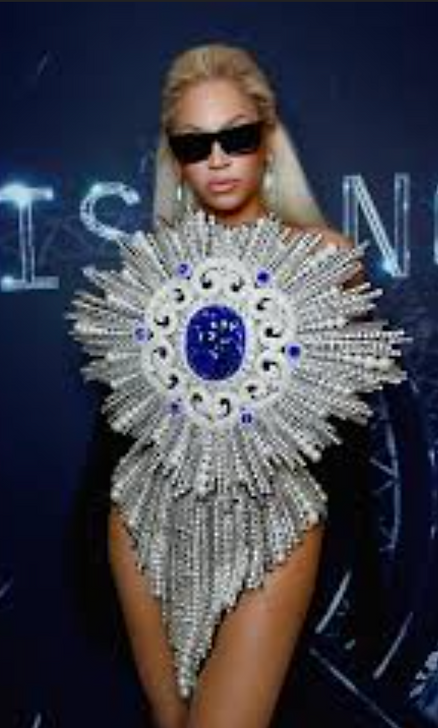
In 2002, Destiny’s Child announced they were going on an indefinite hiatus to pursue solo careers. For Beyoncé, this was both liberating and terrifying. Would people accept her without the group? Could she succeed on her own?
There was only one way to find out.
Beyoncé’s solo journey began with collaborations, the most significant being her duet with Jay-Z on "’03 Bonnie & Clyde". The song became a hit, and fans took notice—not just of the chemistry between them but of Beyoncé’s mature, sultry, and confident presence.
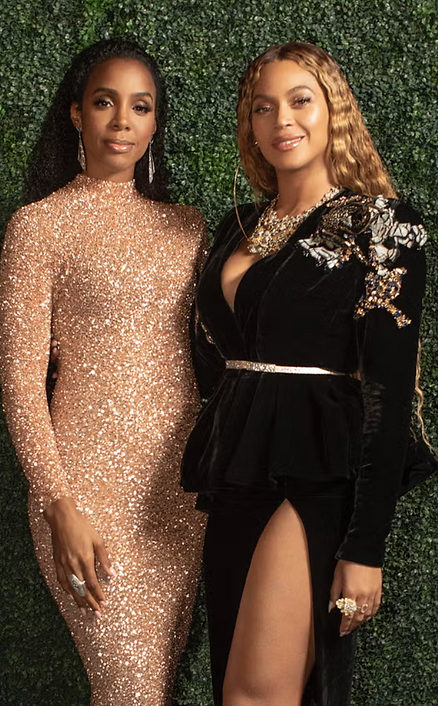
Then, in June 2003, she released her debut solo album, "Dangerously in Love."
The album was a masterpiece. It showcased a different side of Beyoncé—sensual, independent, and artistically free. She experimented with R&B, soul, hip-hop, and even a touch of Arabic influences, proving she wasn’t just a girl-group singer—she was a visionary artist.
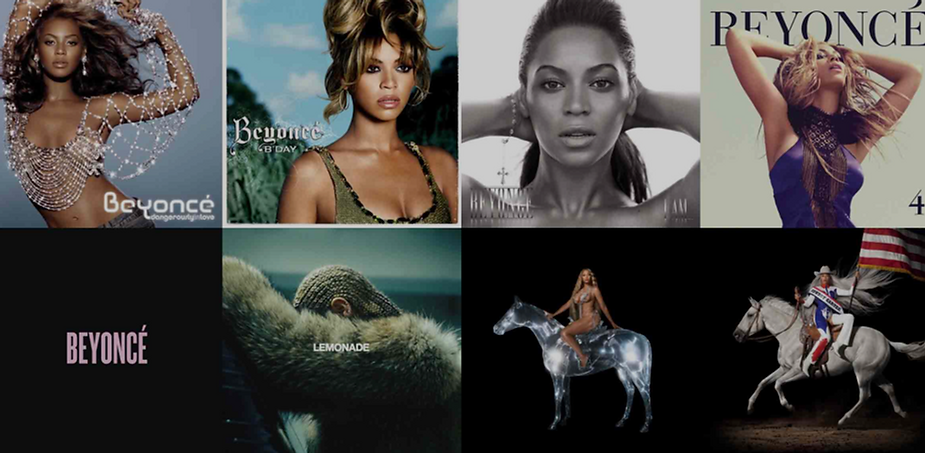
The lead single, "Crazy in Love" (featuring Jay-Z), was an instant cultural explosion. From the infectious horn sample to Beyoncé’s commanding vocals and electric dance moves, the song became one of the biggest hits of the 2000s.
But beyond the numbers, Dangerously in Love cemented Beyoncé’s identity: She was no longer just a former girl-group member—she was a full-fledged superstar.
With her debut success, Beyoncé quickly proved she wasn’t a one-hit wonder. She followed up with a series of defining moments that propelled her into global superstardom:
By the late 2000s, Beyoncé had achieved what many artists only dream of—she had seamlessly transitioned from a girl group to becoming one of the most powerful women in the music industry.
And this was only the beginning.
She wasn’t just a star.
She was Queen Bey.
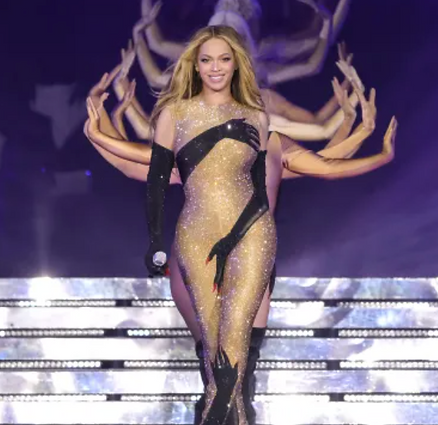
By the early 2000s, Beyoncé had already stepped into the world as a solo artist, leaving behind Destiny’s Child to forge her own path. But she wasn’t just building a music empire—she was about to embark on one of the most legendary love stories in entertainment history.
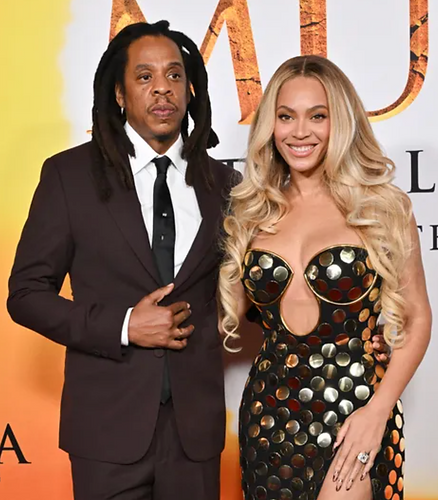
It all started in the early 2000s, when Beyoncé was still in Destiny’s Child and Jay-Z was already a dominant figure in hip-hop. They first crossed paths in 1999 or 2000, but their relationship remained a mystery for years.
Beyoncé later admitted that they took their time getting to know each other. She was only 18 when they met, and she wasn’t in a rush to jump into anything serious. Instead, they built a solid friendship before slowly developing a romantic connection.
By 2002, they were publicly seen together more often, though they refused to confirm their relationship. Then came "'03 Bonnie & Clyde," their first musical collaboration. The chemistry was undeniable. In the music video, Beyoncé played Jay-Z’s ride-or-die partner, a role that mirrored their real-life dynamic.
But it was "Crazy in Love" (2003) that cemented their power couple status. With its infectious horns, explosive energy, and steamy on-screen moments, the song became an instant classic—just like their love story.
For years, Beyoncé and Jay-Z kept their relationship out of the public eye. Then, on April 4, 2008, they secretly tied the knot in a private ceremony at Jay-Z’s New York penthouse. There were no press, no extravagant announcements—just close family and friends.
The world didn’t even get a glimpse of their wedding until years later, when Beyoncé shared rare footage in her 2014 "On the Run" tour visuals.
Now officially Mr. & Mrs. Carter, they became the ultimate power couple, ruling both the music and business industries.
In August 2011, Beyoncé shocked the world with one of the most iconic pregnancy reveals in history.
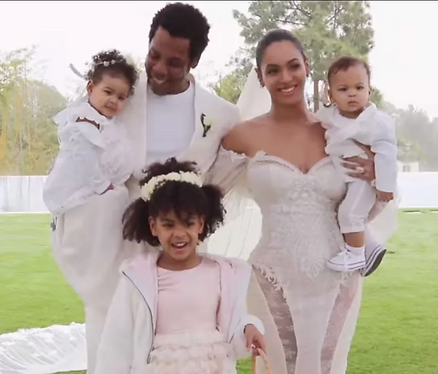
During her performance of "Love on Top" at the MTV Video Music Awards, she ended the song by dropping her microphone, unbuttoning her sequined blazer, and revealing her baby bump. The crowd erupted, with Jay-Z beaming from the audience as Kanye West jumped around in excitement.
That night, she set a Guinness World Record for "most tweets per second," proving that when Beyoncé makes an announcement, the world listens.
On January 7, 2012, she gave birth to her first child, Blue Ivy Carter, at Lenox Hill Hospital in New York.

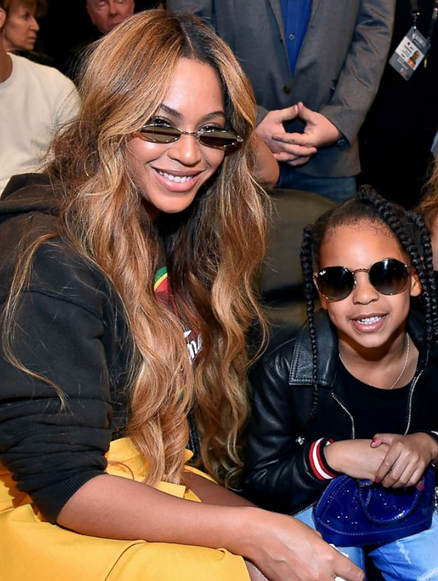
Blue Ivy wasn’t just any celebrity child—she was born into music royalty. Just days after her birth, Jay-Z released the song "Glory," featuring baby Blue’s cries at the end, making her the youngest person ever to appear on a Billboard-charting song.
As Beyoncé embraced motherhood, she didn’t slow down—she transformed.
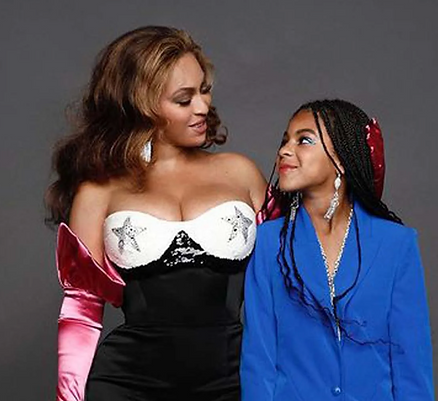
Motherhood seemed to ignite something deeper in Beyoncé. She came back stronger than ever, with a newfound sense of artistry and personal storytelling.
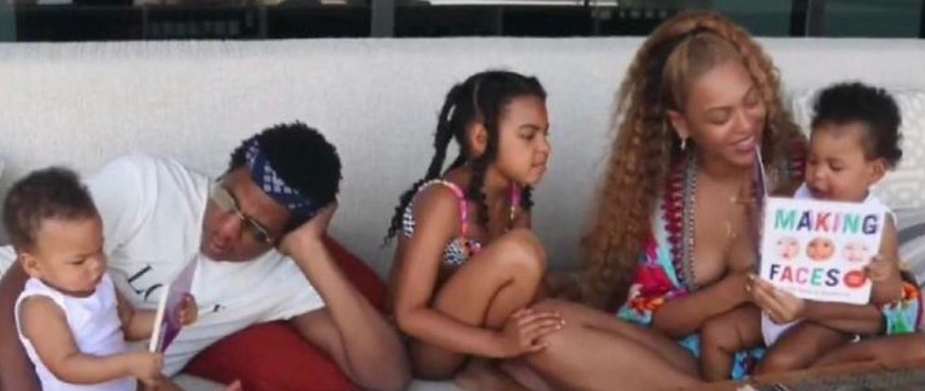
During this time, rumors swirled about trouble in her marriage, fueled by the infamous 2014 Met Gala elevator incident, where Beyoncé’s sister, Solange, was caught on camera attacking Jay-Z. Fans speculated that Jay had been unfaithful, something Beyoncé later confirmed through the themes in Lemonade and Jay-Z’s response album, 4:44.
Yet, rather than fall apart, they rebuilt their marriage stronger than ever.
Just when the world thought Beyoncé couldn’t surprise them anymore, she did again.
On February 1, 2017, she posted one of the most iconic pregnancy announcements ever—a breathtaking, ethereal photo revealing she was pregnant with twins. The post broke Instagram records, receiving millions of likes within hours.
On June 13, 2017, she gave birth to Rumi and Sir Carter.
After a brief hiatus, Beyoncé returned to the stage with one of the greatest performances of all time:
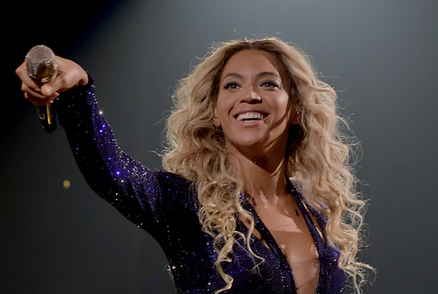
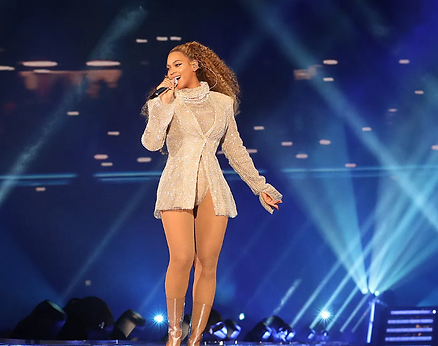
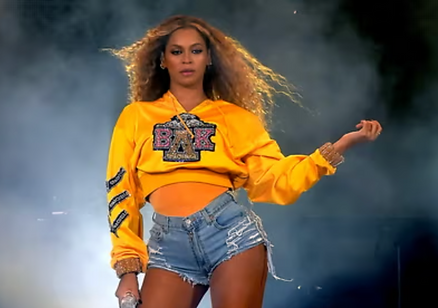
Beyoncé’s 2018 Coachella performance, later turned into the Netflix documentary "Homecoming," was a cultural reset.
She paid tribute to HBCU culture, African heritage, and her own career milestones. With a live marching band, jaw-dropping choreography, and Destiny’s Child reunion, it was a defining moment that solidified her as the greatest performer of her generation.
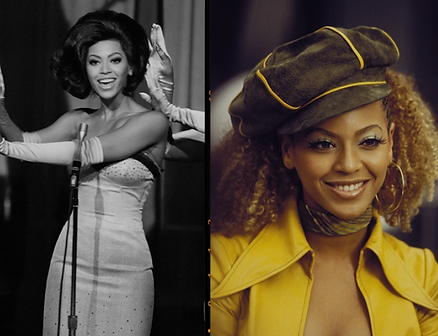
From there, she continued to expand her empire, launching:
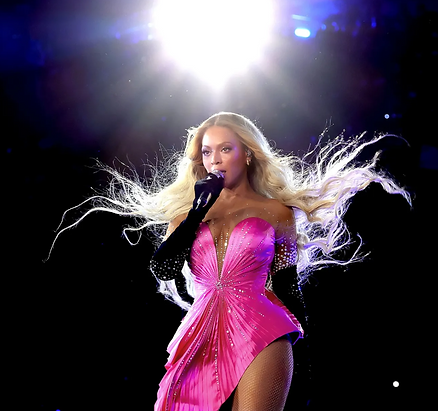
Now, Beyoncé balances her music empire, business ventures, and family life with grace.
Beyoncé’s story isn’t just one of talent—it’s one of dedication, evolution, and breaking barriers. She’s a mother, a wife, a musician, a businesswoman, and a cultural force, proving that there’s truly no one like Queen Bey.
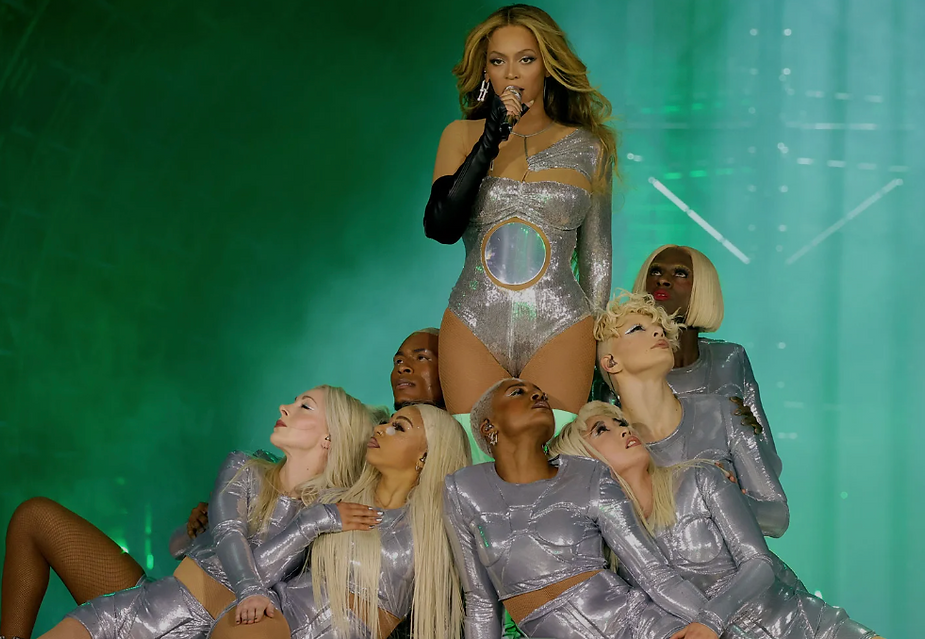
And in her own words:
"I’m not bossy. I’m the boss."
Beyoncé Giselle Knowles-Carter isn’t just a singer, dancer, or performer—she is a force of nature, an innovator, and a cultural icon whose impact stretches far beyond music. From her humble beginnings in Houston, Texas, to becoming the most awarded artist in Grammy history, her journey is nothing short of legendary.
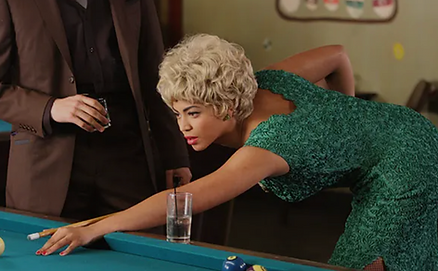
After her successful solo debut with Dangerously in Love (2003), Beyoncé didn’t just keep up—she set the pace.
Then, she changed the game.
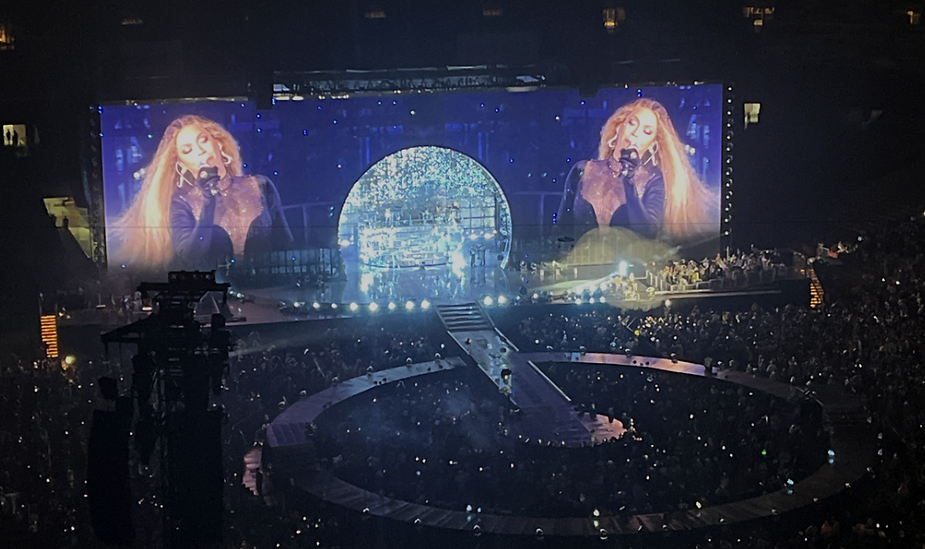
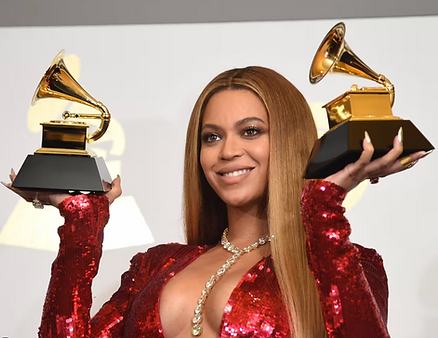
By 2023, Beyoncé became the most awarded artist in Grammy history, with a staggering 32 wins.
She has also won:
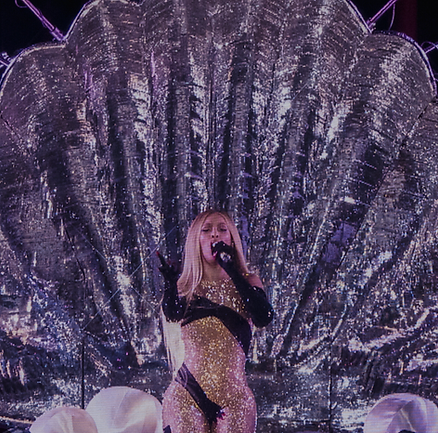
No female artist has achieved what Beyoncé has.
Just when fans thought Beyoncé had conquered every genre, she did something no one expected—she entered the country music world.
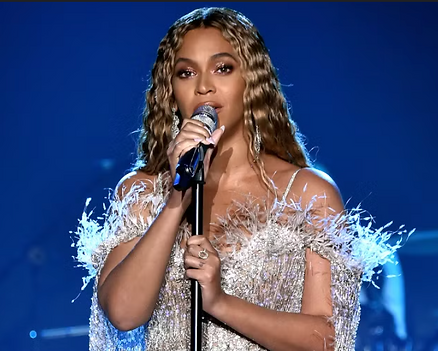
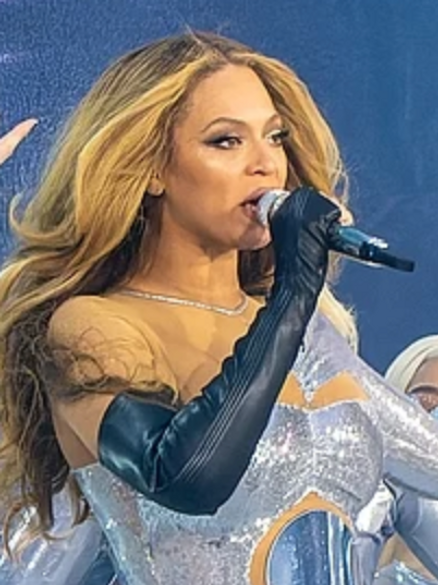
Beyoncé has influenced an entire generation of artists, including:
Beyoncé isn’t just an artist. She is a movement.
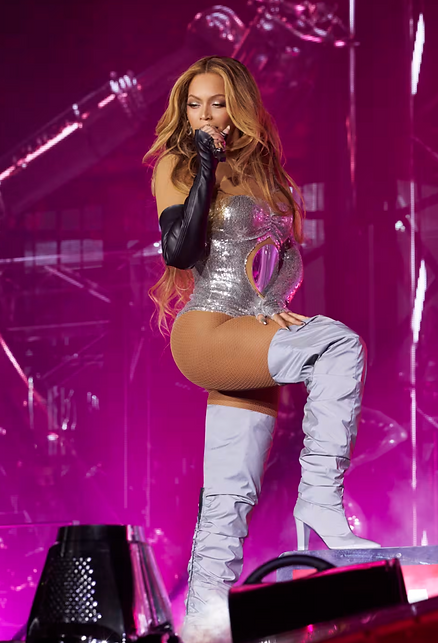
At this stage in her career, she’s not just a singer. She’s a director, producer, businesswoman, philanthropist, and mother.
And she’s not done yet.
Beyoncé’s legacy isn’t just about the past. It’s about what’s still to come.
Because when you’re Beyoncé, the best is always ahead.
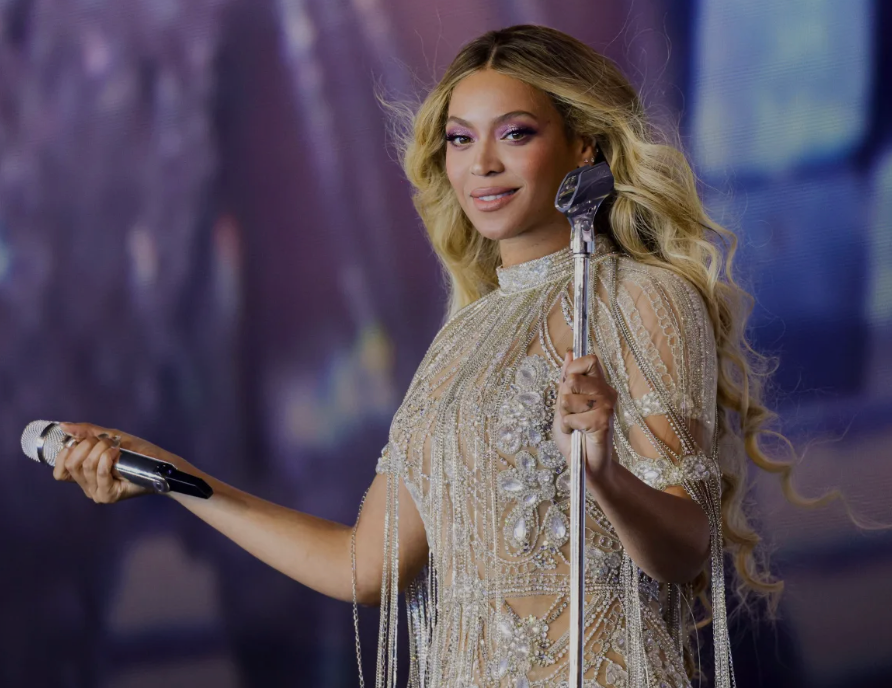
Beyoncé continues to captivate the world with her innovative artistry and dynamic performances. Here's what's next for the global icon:
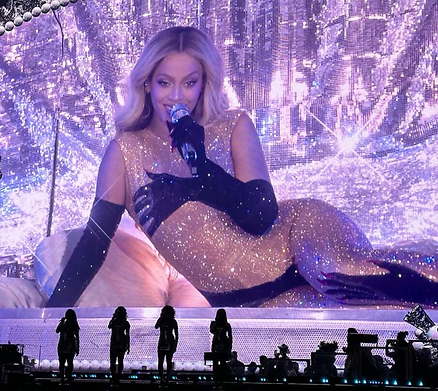
Following the success of her 2024 country-inspired album, Cowboy Carter, Beyoncé is set to embark on the Cowboy Carter Tour in 2025. The tour is scheduled to commence on April 28, 2025, at SoFi Stadium in Inglewood, California, and will cover major cities across North America and Europe throughout the summer.
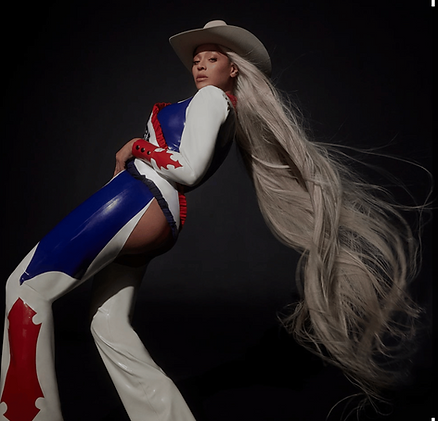
The tour will feature multiple nights in key cities, including:
Fans can anticipate a blend of country, rock, and soul performances, celebrating the Cowboy Carter album. The tour promises to be an unforgettable experience, showcasing Beyoncé's versatility and stage presence.
At the 67th Annual Grammy Awards, Beyoncé made history by becoming the first Black woman to win the Best Country Album award for Cowboy Carter. She also secured the coveted Album of the Year award, marking the first time a Black woman has won this category since Lauryn Hill in 1999.
Beyond her musical endeavors, Beyoncé has expanded her brand with several projects:
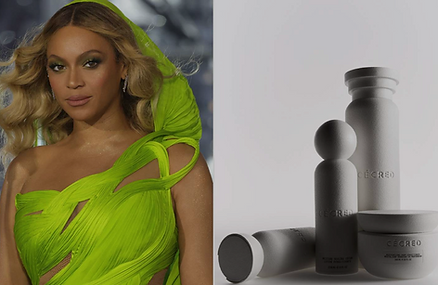
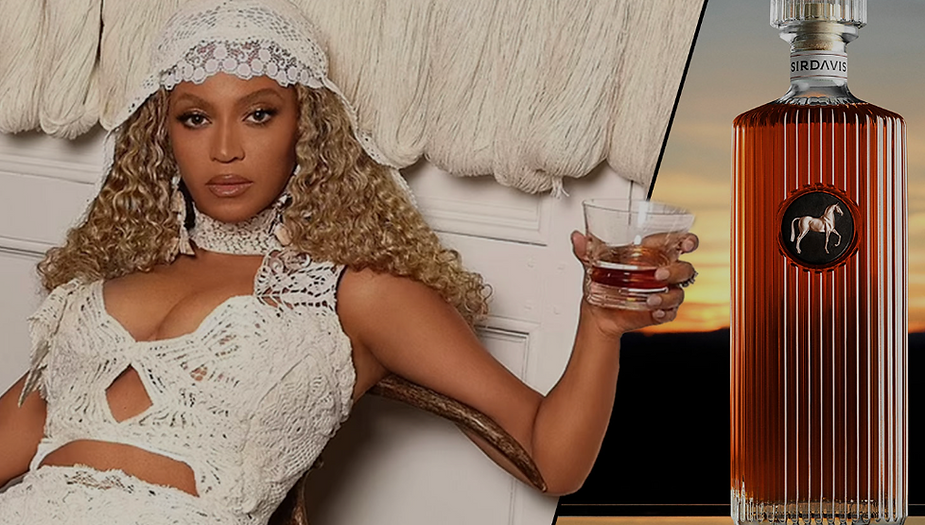
Additionally, Beyoncé reprised her role as Nala in Mufasa: The Lion King, a prequel to the 2019 remake, released in December 2024.
As she prepares for the upcoming tour, fans can look forward to Beyoncé's continued influence on music, culture, and business, solidifying her legacy as a multifaceted icon.
Beyoncé Announces 2025 Cowboy Carter Tour
-fotor-bg-remover-20251210165637.webp)


