-fotor-bg-remover-20251211141935.webp)
-fotor-bg-remover-20251211143525.webp)
Pink Floyd’s journey began in the vibrant underground scene of 1960s London, where they evolved from a group of university friends into one of the most groundbreaking bands in rock history.

Their early years were defined by psychedelic experimentation, musical innovation, and the tragic brilliance of their first leader, Syd Barrett.
The roots of Pink Floyd trace back to London’s Regent Street Polytechnic, where Roger Waters, Nick Mason, and Richard Wright met as architecture students. They began playing music together, cycling through different band names such as Sigma 6, The Abdabs, and The Tea Set.
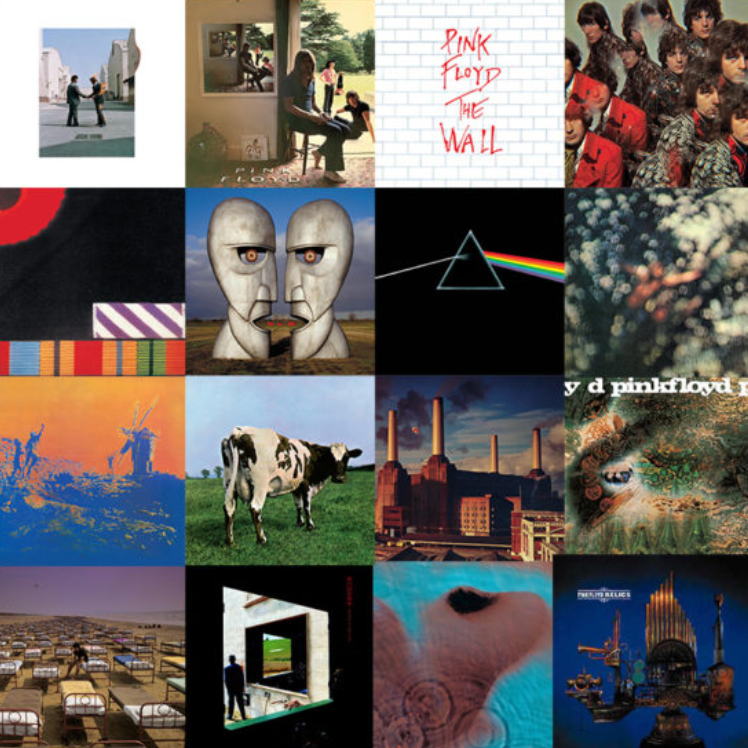
Everything changed when Syd Barrett, a charismatic young guitarist and songwriter from Cambridge, joined the band in 1965. It was Barrett who renamed the group Pink Floyd, combining the names of two blues musicians—Pink Anderson and Floyd Council.
With Barrett as their frontman, the band quickly became a leading force in London’s underground psychedelic scene.
His whimsical lyrics, surreal imagery, and innovative use of sound effects set them apart from other bands of the time.
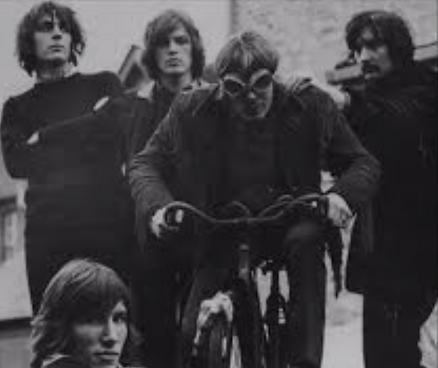
By 1966, Pink Floyd had become the house band at UFO Club, the epicenter of London’s psychedelic movement. Their improvised, experimental performances—often accompanied by trippy light shows—attracted a devoted cult following.

Under the management of Peter Jenner and Andrew King, Pink Floyd secured a deal with EMI in 1967 and released their debut single, "Arnold Layne"—a quirky song about a man stealing women’s clothes. Though banned by some radio stations, it became a hit.
Their second single, "See Emily Play," reached the UK Top 10, propelling the band into the mainstream.
Then came their first album, The Piper at the Gates of Dawn (1967)—an album drenched in cosmic themes, whimsical storytelling, and mind-bending soundscapes. Songs like "Astronomy Domine," "Interstellar Overdrive," and "Lucifer Sam" established them as leaders of the psychedelic rock movement.
Syd Barrett’s creative genius defined this era, but behind the scenes, he was already unraveling.
Syd Barrett was a visionary, but his mind became lost in the very psychedelia he helped create.
His heavy LSD use and fragile mental state led to erratic behavior. During live performances, he would sometimes stand motionless on stage, staring into space, playing a single chord for an entire song.
As his condition worsened, the band had to cover for him. During TV performances, Roger Waters and Richard Wright would mime his guitar parts. On tour, he was unpredictable—sometimes engaging, other times completely unresponsive.
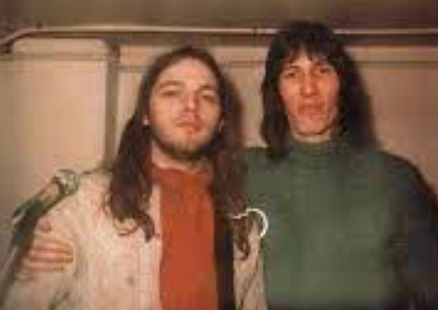
Pink Floyd, realizing they couldn’t continue with an unreliable frontman, invited David Gilmour—a childhood friend of Syd’s—to join the band in late 1967 as a backup guitarist and vocalist. The idea was that Gilmour would play while Barrett would remain as a non-performing songwriter.
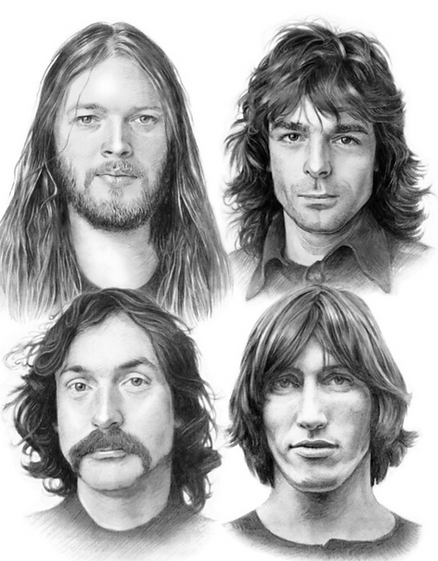
But by early 1968, it became clear that Syd could no longer function in the band. One day, on the way to a gig, someone asked, “Shall we pick up Syd?” The response was silence—they simply left him behind.
By April 1968, Syd Barrett was officially out of Pink Floyd.
After leaving Pink Floyd, Syd attempted a solo career, releasing two albums:
Both albums had flashes of his old brilliance but also exposed his mental fragility. His former bandmates, particularly David Gilmour, helped him finish the recordings. However, Syd soon withdrew from music entirely.
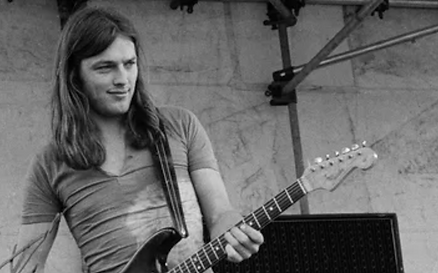
For the next three decades, he lived in complete isolation, moving back to his childhood home in Cambridge. He abandoned music and art, spending his days gardening and painting. Fans occasionally spotted him walking through town, but he had no interest in revisiting his past.
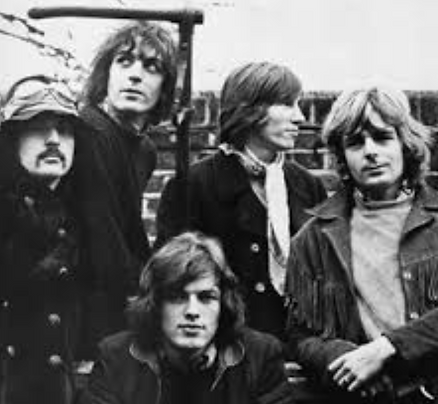
On July 7, 2006, Syd Barrett passed away from complications related to diabetes. He was 60 years old.
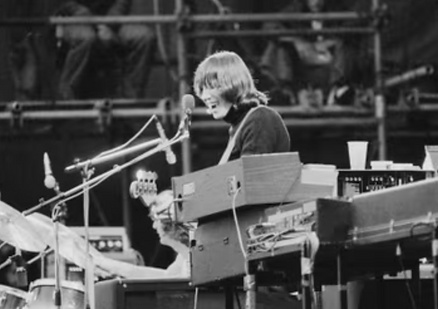
Even after his departure, Syd Barrett’s influence never left Pink Floyd.
Despite his tragic fate, Syd Barrett’s imagination gave birth to one of the greatest bands in history. His spirit lingers in every cosmic soundscape and poetic lyric Pink Floyd ever created.
Though he drifted into the shadows, his light never faded. 💫
By 1968, Pink Floyd had survived the unthinkable—losing their creative leader, Syd Barrett. But instead of fading away, they transformed, reinventing themselves into one of the most groundbreaking bands in rock history.
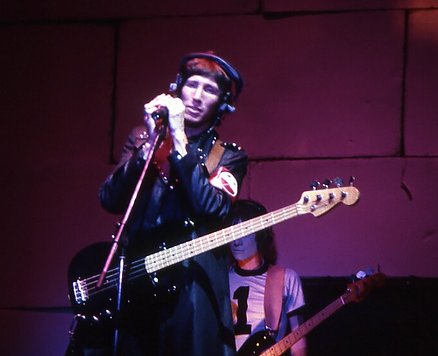
The period between Syd’s departure and the release of The Dark Side of the Moon (1968-1973) was one of experimentation, struggle, and ultimately, the birth of something legendary.
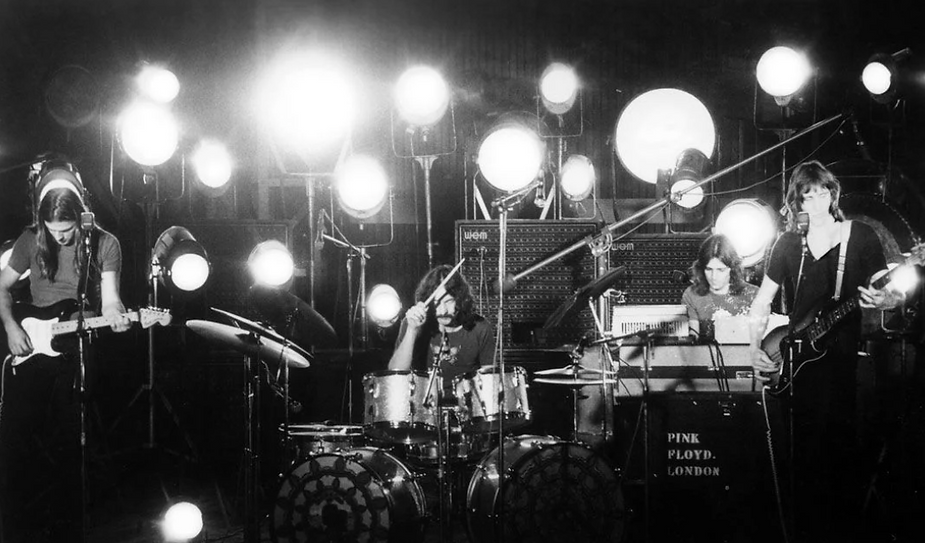
After Syd Barrett’s exit in April 1968, David Gilmour officially took over as the band’s lead guitarist and vocalist, alongside Roger Waters (bass), Nick Mason (drums), and Richard Wright (keyboards). However, the band was directionless at first, struggling to find their identity without Syd’s whimsical songwriting.
Their first post-Syd album, A Saucerful of Secrets (1968), was a mix of their past and future. It included Barrett’s last contribution, "Jugband Blues," but also showcased the beginnings of Pink Floyd’s signature space-rock sound, especially with the title track.
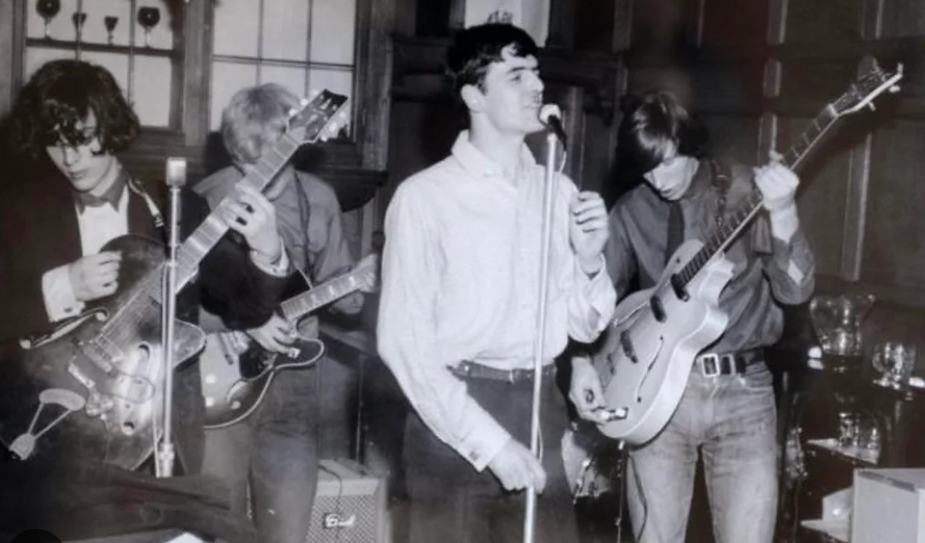
The next couple of years saw the band exploring experimental and avant-garde compositions:
At this point, Pink Floyd was popular in the UK and Europe but had not yet broken through in the U.S.. They were still considered an underground band, known mostly for their trippy live performances rather than hit songs.
Everything changed with Meddle (1971), an album that foreshadowed the greatness to come. The 23-minute epic "Echoes" was a turning point, blending ambient soundscapes, melodic guitar work, and deep introspective lyrics.
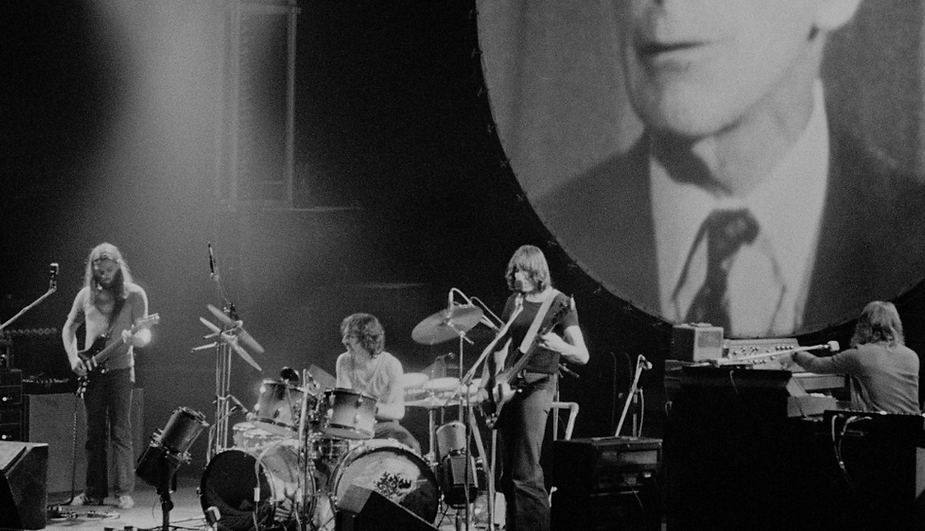
It was a sign that Roger Waters was taking on a bigger creative role, moving the band toward concept-driven storytelling.
At the same time, the band began incorporating themes of mental illness, existential dread, and the pressures of fame—ideas that would soon take center stage.
During this period, they also worked on soundtrack albums, such as Obscured by Clouds (1972), which helped them refine their ability to create atmospheric and cinematic music.

Meanwhile, their live shows became more ambitious, with elaborate light displays, quadrophonic sound systems, and longer, more immersive performances. They were setting the stage for something big.
By 1972, Roger Waters had a vision. He wanted to create an album that captured the struggles of modern life—time, greed, mental illness, war, and mortality.
The result was The Dark Side of the Moon, a concept album that would define Pink Floyd’s legacy.
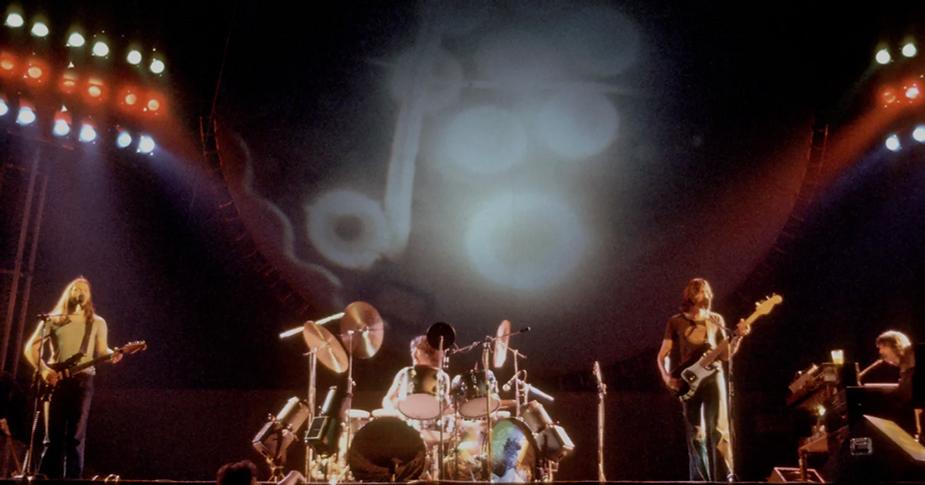
The band began performing early versions of the album under the working title "Eclipse" during their 1972 tour. Songs like "Time," "Money," and "Us and Them" took shape through live experimentation, evolving each night as they perfected the sound.
At Abbey Road Studios, with the help of engineer Alan Parsons, they crafted a masterpiece. The album featured innovative studio techniques:
When The Dark Side of the Moon was released on March 1, 1973, it was an instant phenomenon. Unlike anything else at the time, it became a cultural and musical landmark, staying on the Billboard charts for an unprecedented 15 years.
By the time The Dark Side of the Moon was released, Pink Floyd was no longer just a psychedelic band—they were rock visionaries. The album’s success launched them into global superstardom, allowing them to experiment even further on future albums like Wish You Were Here (1975) and The Wall (1979).
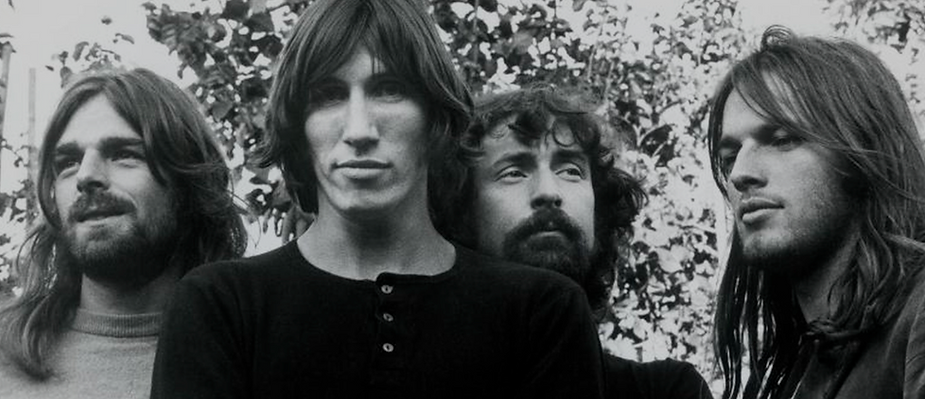
Though Syd Barrett was long gone from the band, his presence loomed over everything they created. Dark Side was heavily influenced by his tragic mental decline, and later songs like "Shine On You Crazy Diamond" (1975) were direct tributes to him.
Between Syd Barrett’s departure (1968) and The Dark Side of the Moon (1973), Pink Floyd went from an uncertain group of musicians to one of the most visionary bands of all time.
Syd Barrett may have started Pink Floyd’s journey, but by the early 1970s, the band had fully stepped into its own legend. And from that point forward, they were unstoppable. 🚀✨
Released on March 1, 1973, The Dark Side of the Moon became not only Pink Floyd’s magnum opus but also a defining moment in the evolution of rock music. Known for its concept album format, experimental sound, and intricate studio techniques, it transformed the music industry and its cultural impact is still felt today.
Here’s a complete look at the creation process, the cultural and musical influences behind the album, and its long-lasting effect on the world.
Before they even began recording the album, Pink Floyd was already experimenting with the ideas that would come to shape The Dark Side of the Moon.
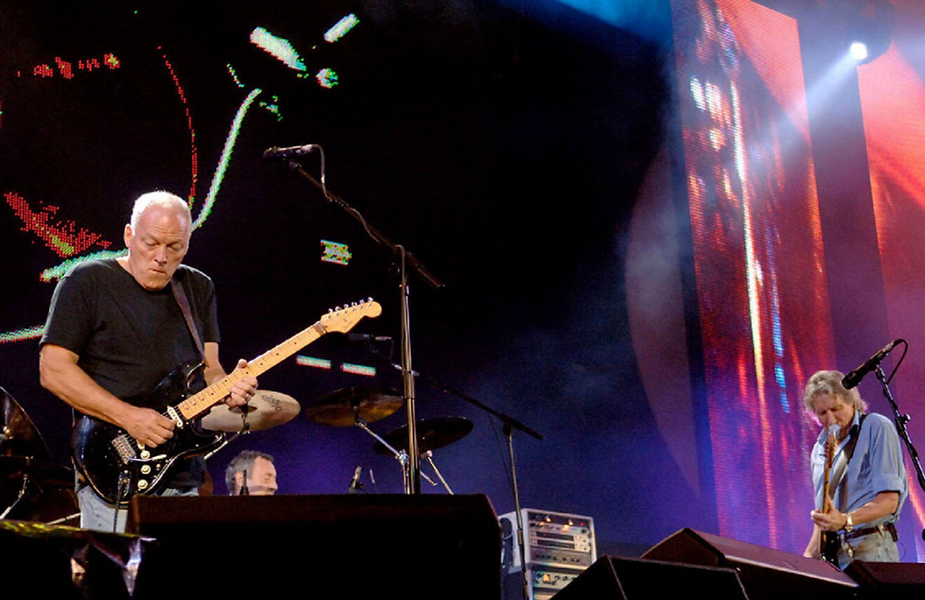
The band had undergone significant internal changes, and Roger Waters had emerged as the primary creative force. Waters was deeply interested in exploring human existence, mental illness, insanity, greed, time, and the pressures of modern life, themes that would become central to the album.
In 1971, Pink Floyd began working on the idea for The Dark Side of the Moon during their European tour.
The album was initially called "Eclipse", a title that reflected the concept of the human experience being overshadowed by time and inevitable death. The band began developing the themes of the album through live performances, where they tested early versions of key songs like "Money," "Time," "Us and Them," and "On the Run." The live shows helped them shape the sound, and the concept gradually took form.
In 1972, the band entered Abbey Road Studios in London to begin the recording process, with Alan Parsons serving as the engineer. This would prove to be the most meticulous and innovative recording process of their career. A few key aspects stand out in the making of The Dark Side of the Moon:
Pink Floyd was known for their experimentation with sound in previous albums, but The Dark Side of the Moon took it to new heights. Some of the groundbreaking techniques and instruments used include:
While Roger Waters spearheaded the concept and lyrics, the album’s themes were a collaborative effort. David Gilmour contributed his signature guitar solos, while Richard Wright and Nick Mason helped craft the mood with their keyboard and percussion contributions.
The album’s lyrics reflect a deep exploration of human struggle and mortality, with conceptual themes about the pressures of modern life, fame, insanity, death, and the loss of innocence. Some of the standout tracks and their meanings include:
In an effort to create a narrative thread throughout the album, Pink Floyd used spliced-together spoken-word interviews from roadies, friends, and members of the crew. These voices would pop up throughout the album, often at the start or end of songs, speaking about issues like money, time, or the pressures of fame. For example, the opening track includes the voice of a man discussing the stress of life, saying, "I’ve been mad for fucking years, absolutely years."
The effect of these voices was to immerse the listener in the themes of the album: they felt like part of a dialogue about the human experience, making it even more compelling.
The album’s cover was created by Storm Thorgerson and Hipgnosis, the design team responsible for many of Pink Floyd’s most iconic visuals.
The prism design, symbolizing the refraction of light into the visible spectrum, was chosen as a visual metaphor for the album’s exploration of light and dark. It also conveyed the concept of humanity’s journey through the spectrum of life.
The cover’s simplicity and boldness were striking, and it quickly became an iconic symbol. The use of a prism and rainbow reflected the scientific and cosmic themes of the album, while its clean design stood in stark contrast to the chaotic soundscapes within.
When The Dark Side of the Moon was released in March 1973, it was a revelation. It wasn’t just a collection of songs—it was a fully immersive concept album that connected with listeners on an emotional and intellectual level.
Upon its release:
The release of The Dark Side of the Moon didn’t just change Pink Floyd’s career—it redefined what a rock album could be. The album was a turning point in the 1970s, and its influence rippled through music and culture:
The album’s global influence is undeniable:
The Dark Side of the Moon is more than just an album—it’s a musical revolution. With its pioneering studio techniques, profound conceptual themes, and emotional depth, it forever altered the landscape of popular music. Pink Floyd not only shaped rock music but redefined the potential of what albums could be.
Its influence extends far beyond the music industry, reflecting a time in history when artists sought to push the boundaries of sound, art, and human experience.

The legacy of The Dark Side of the Moon is truly timeless, and its impact on both the music world and the culture at large remains as powerful as ever.
When The Dark Side of the Moon was released on March 1, 1973, few could have predicted the historic and unprecedented sales journey that it would embark on. Now, over 50 years later, the album continues to be a cultural and commercial powerhouse.
Let’s break down the sales history of this legendary album and understand how it went from a groundbreaking release to one of the best-selling albums of all time.
From the moment it dropped, The Dark Side of the Moon was an immediate success:
What truly set The Dark Side of the Moon apart from other albums was its longevity:

As the music industry shifted to the digital age in the late 1990s and 2000s, The Dark Side of the Moon faced a new wave of success in the streaming era. Here’s how it adapted:
The digital release helped the album reach younger audiences and revive interest in the classic record, even if listeners weren’t buying physical copies.
Released on November 30, 1979, The Wall is one of Pink Floyd’s most ambitious and conceptual albums—a rock opera that explores themes of alienation, isolation, and personal and societal breakdown.
The album’s deeply emotional and political subject matter, combined with its musical complexity, made it both a critical and commercial success, cementing its place in music history.
Let’s dive into the complete story of The Wall’s creation, its commercial success, and its lasting cultural impact.
By the late 1970s, Pink Floyd had reached global fame thanks to the massive success of The Dark Side of the Moon (1973) and Wish You Were Here (1975).
However, internal tensions were brewing within the band. Roger Waters, who had become the band’s principal lyricist and creative leader, was feeling increasingly alienated from the rest of the group, and his disillusionment with fame, the music industry, and the world at large was starting to come to the surface.
The concept for The Wall was initially inspired by Waters' growing sense of isolation and the band’s experiences with the pressures of fame and the music industry.
In particular, Waters’ experience with the band’s 1977 tour—where the band performed in front of large, impersonal crowds—triggered the idea of building a symbolic "wall" around the protagonist of the album, who reflects Waters' own feelings of emotional and social detachment.
The Wall is structured as a rock opera, telling the story of Pink, a character loosely based on Roger Waters himself, who struggles with emotional trauma, mental illness, and alienation.
The album delves into Pink’s childhood, his growing disillusionment with society, the loss of his father in World War II, his authoritarian school experiences, and his eventual descent into madness as he builds an emotional "wall" around himself to protect from the pain and trauma.
Themes explored in The Wall include:
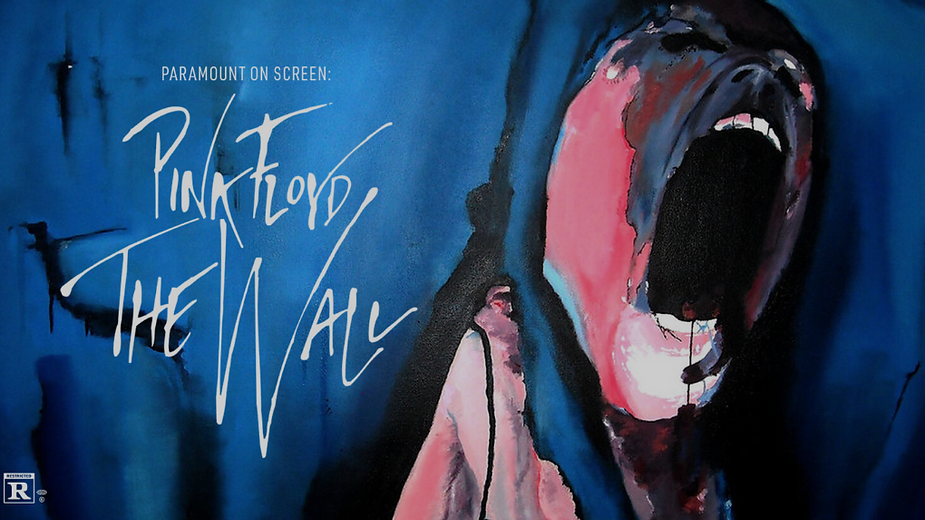
The story is told through a combination of narrative lyrics, musical motifs, and sound effects, creating a fully immersive experience.
Unlike their previous albums, The Wall was a massive undertaking that involved a larger-than-usual production team. Recording began in late 1978, and Pink Floyd worked on the album in multiple studios, including Super Bear Studios in France and Britannia Row Studios in London.
The band members were experiencing significant internal conflict during the recording. Roger Waters, who had essentially become the band’s primary force, dominated the creative process. The friction reached a peak when David Gilmour, the band's guitarist, became frustrated with Waters' control over the project and his increasing isolation from the band. Despite this tension, Gilmour’s contributions were crucial, especially with his iconic guitar solos.
The band had already begun working on songs during live performances, which later evolved into some of the most famous tracks on the album, such as "Comfortably Numb" and "Run Like Hell".
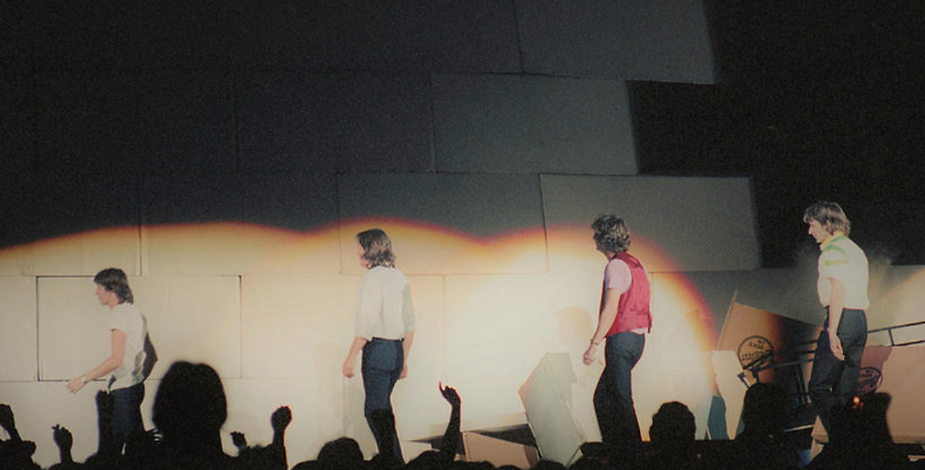
When The Wall was released in November 1979, it was an immediate commercial and critical success:
The album was also divided into two discs, giving it a sense of epic scale, which helped heighten its cinematic nature and left listeners with an immersive experience.
The album’s commercial performance was nothing short of extraordinary:
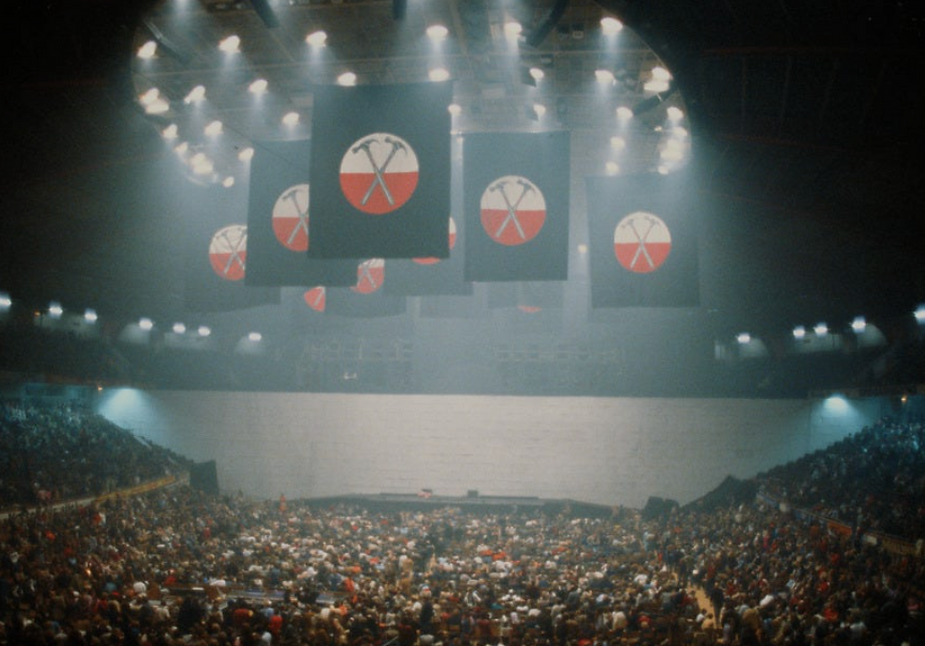
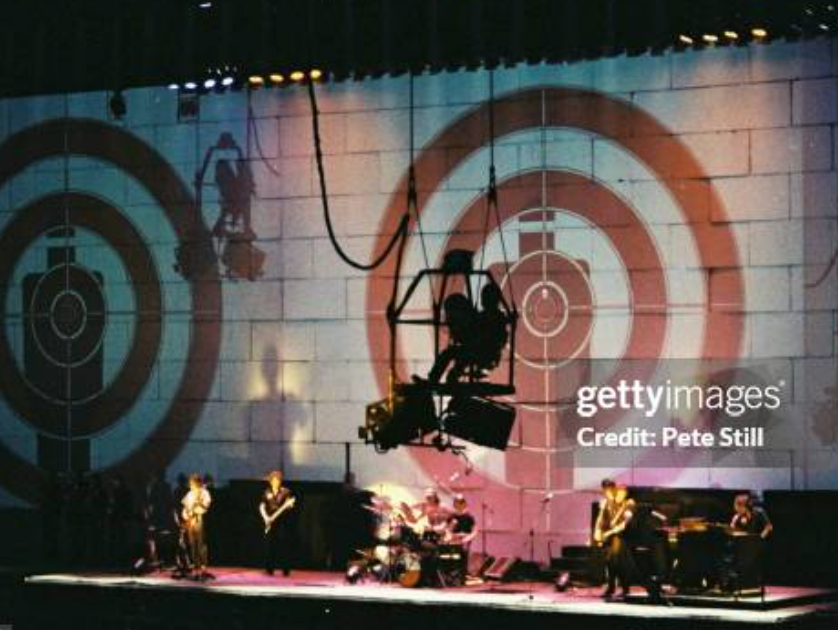
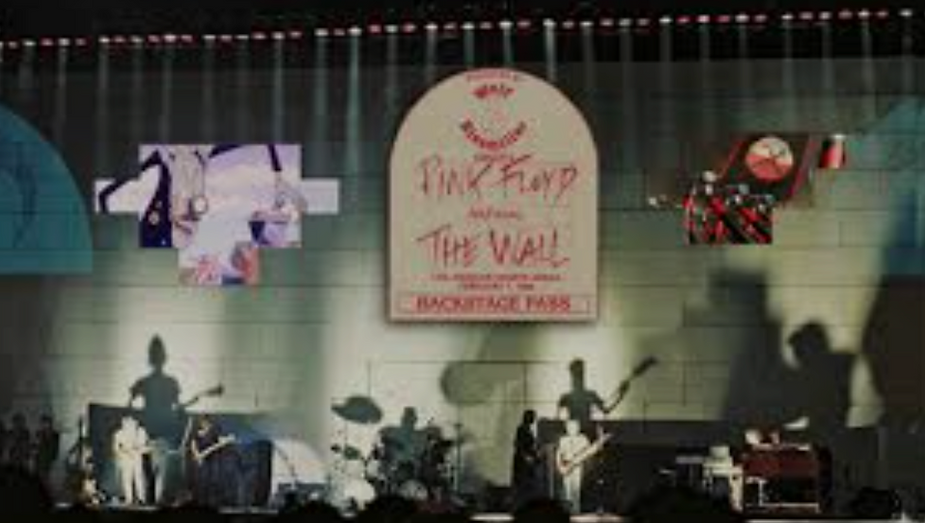
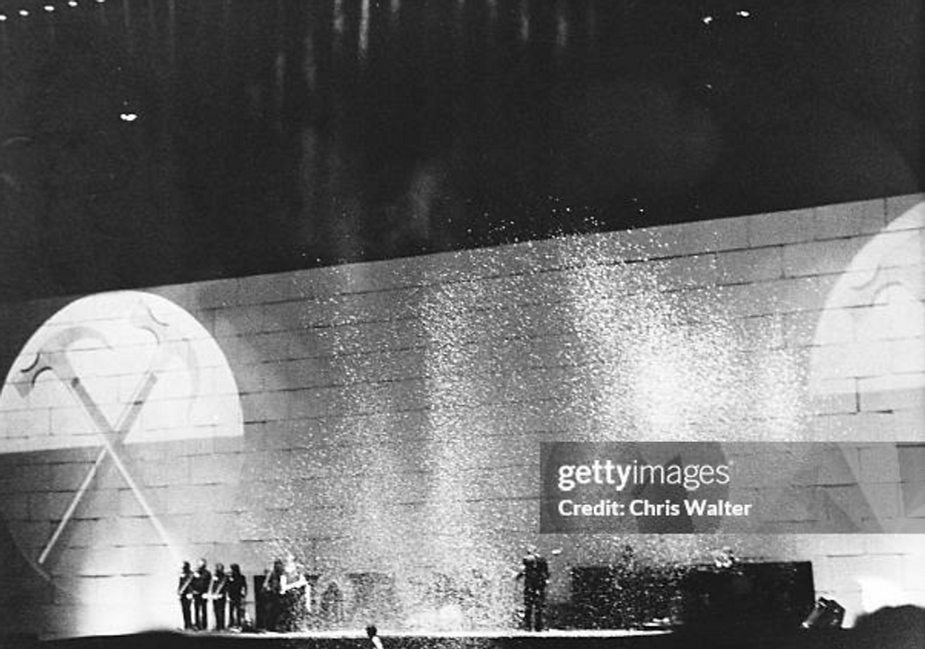
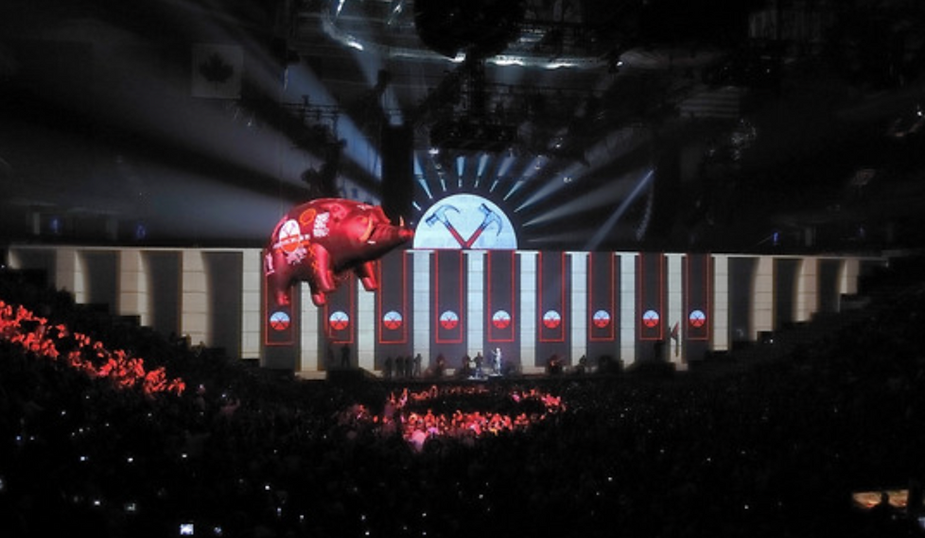
To support The Wall, Pink Floyd embarked on an elaborate and groundbreaking live tour that would become just as iconic as the album itself.
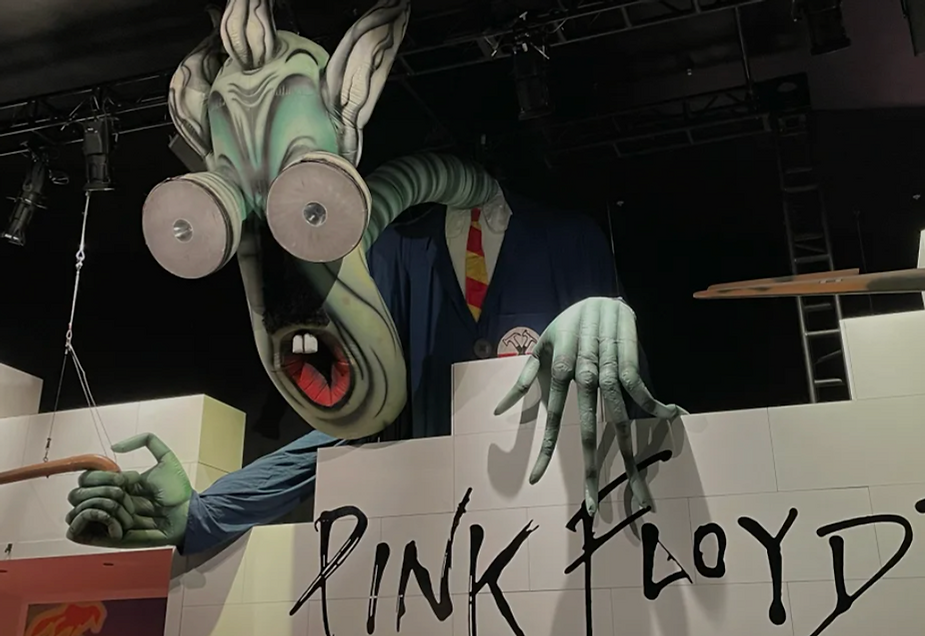
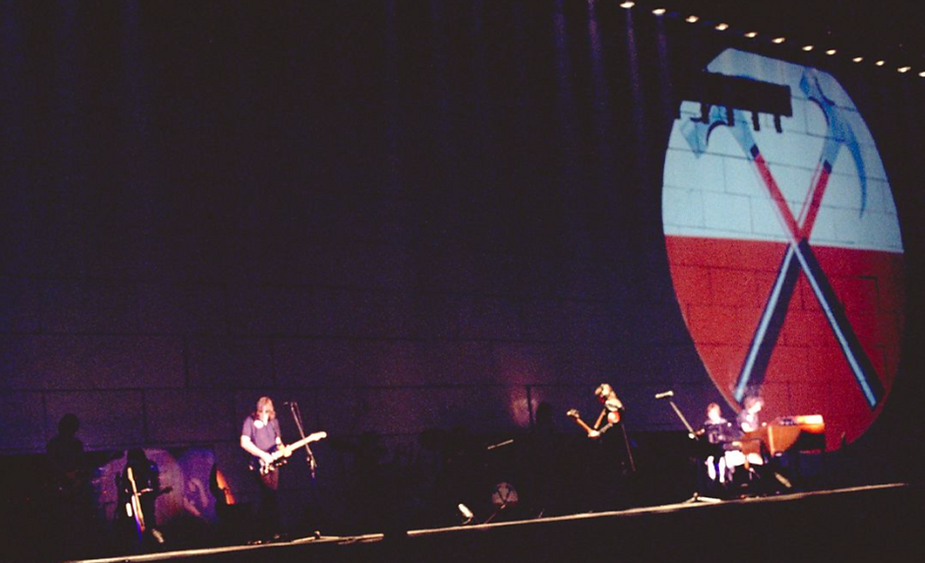
Despite internal conflicts and Waters’ eventual departure from Pink Floyd, the commercial success of The Wall solidified its place as one of the most influential and successful albums in rock history.
The Wall stands as one of Pink Floyd’s most iconic and commercially successful albums.
The album’s success was not just measured in sales, but also in its impact on music culture. With its bold conceptual scope, innovative production, and deeply personal themes, The Wall became a touchstone for future generations of musicians and fans alike.
It solidified Pink Floyd’s place as one of the most influential bands in rock history, and The Wall remains a powerful testament to the band’s ability to blend art, music, and theatricality in ways that have had a lasting effect on the world of rock music and beyond.
Pink Floyd’s journey through the post-Roger Waters era is one of resilience, transition, and continuing legacy, marked by internal tensions, new creative directions, and eventual reconciliation.
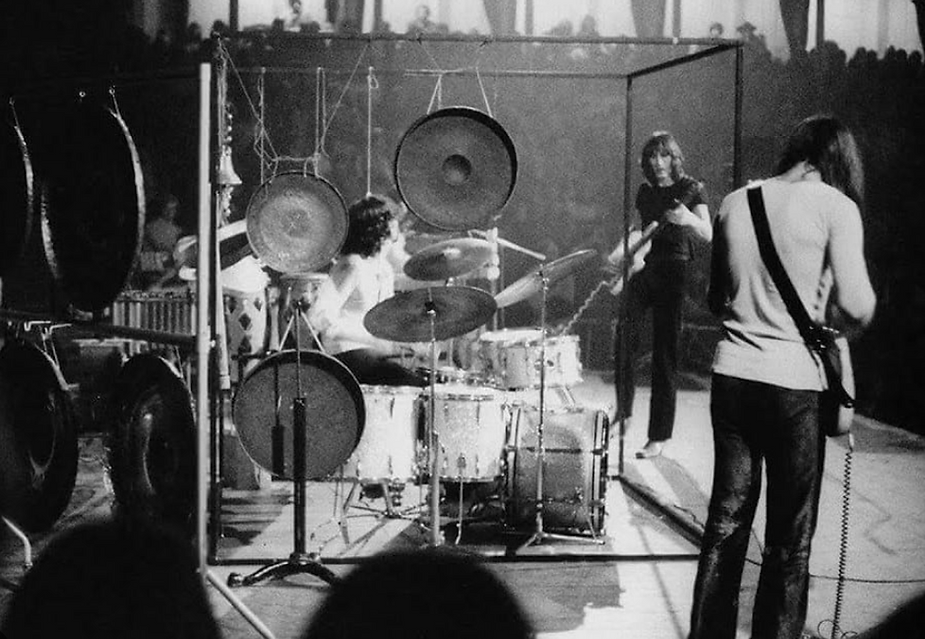
Let’s break down how Pink Floyd continued after Waters’ departure, the formation of new albums, and the ultimate loss of Richard Wright, leading to the band’s current status.
In the early 1980s, after the massive success of The Wall and its subsequent tour, Pink Floyd was at a crossroads.
The band had reached unprecedented heights of fame but had also suffered through intense internal conflicts. Most notably, Roger Waters was increasingly at odds with the rest of the band, especially David Gilmour, whose more melodic approach to music clashed with Waters' more conceptual and politically charged vision.
The tension reached its peak during the 1980-1981 tour, when Waters became disillusioned with the whole experience, feeling that the band had become more about the spectacle than about making music.
This sense of growing frustration led to Waters’ decision to leave the band in 1985, declaring that he felt Pink Floyd was no longer a functioning band.
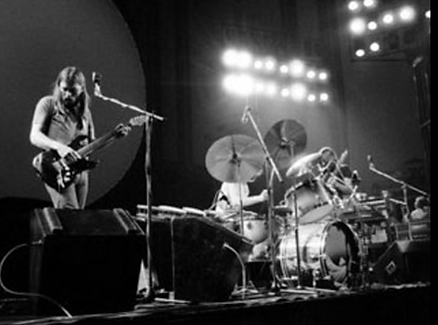
Waters believed that the band had run its course, and the final straw came when he rejected the idea of making another album with the band. As a result, Pink Floyd was left without its primary lyricist and conceptual leader, and Waters sought to pursue a solo career, releasing his first solo album, The Pros and Cons of Hitchhiking (1984).
Despite Waters' departure, David Gilmour and Nick Mason remained committed to Pink Floyd, determined to keep the band alive. Richard Wright, who had been dismissed during the The Wall era, was reinstated to contribute to the new music, and Pink Floyd began working on what would become their first post-Waters album.

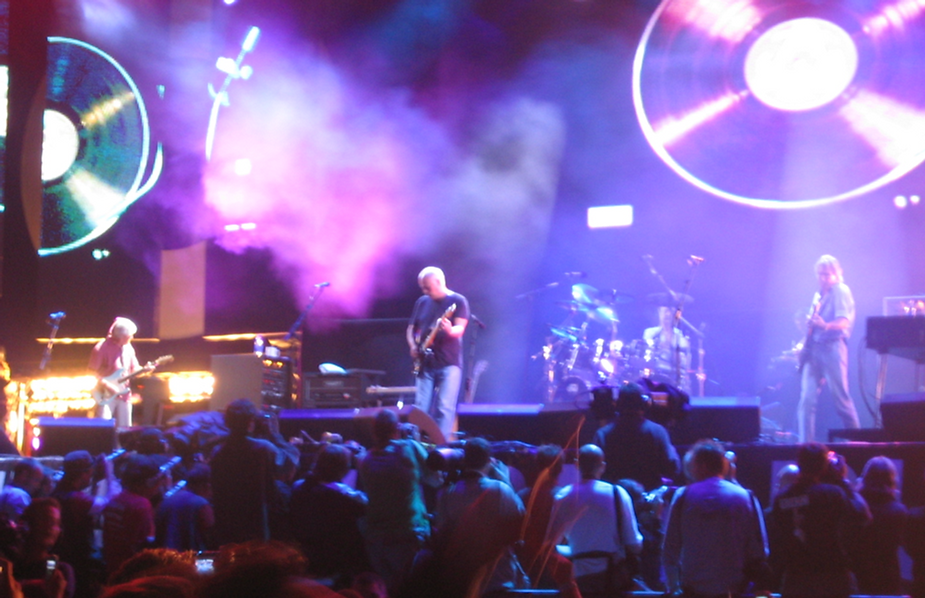
As Pink Floyd entered the early 1990s, the band found themselves at another crossroads, but this time, they approached it with greater unity.
Waters had already released several solo albums, but his relationship with the band had grown increasingly distant. The tensions between him and Gilmour, while still evident, had cooled somewhat, allowing the band to collaborate once again.

Despite the band’s successful reunion, Pink Floyd’s story took a heart-wrenching turn in 2008, when Richard Wright, the band’s iconic keyboardist, passed away from cancer at the age of 65.
Wright had been an integral part of Pink Floyd’s sound, contributing not only his keyboard skills but also his harmonious background vocals and a deeper sense of atmosphere to the band’s work.
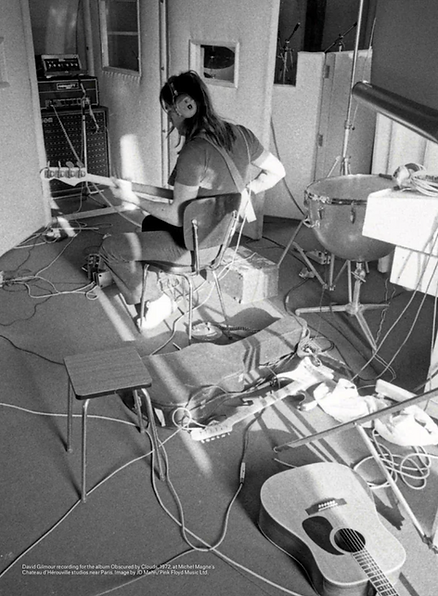
Since Richard Wright’s death, Pink Floyd has refrained from recording new material. The band has been largely focused on celebrating its legacy and maintaining the memory of their collective work. However, this doesn’t mean Pink Floyd is completely inactive.
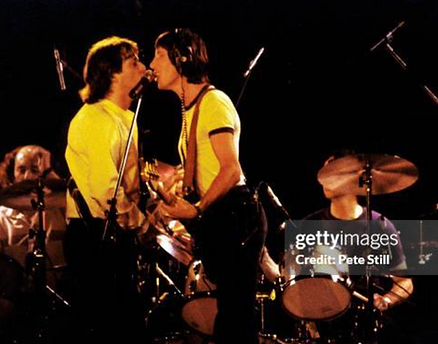
As of now, Pink Floyd exists as a living legacy rather than a functioning band. The surviving members of Pink Floyd, especially David Gilmour and Nick Mason, continue to honor the band’s history while pursuing solo projects:
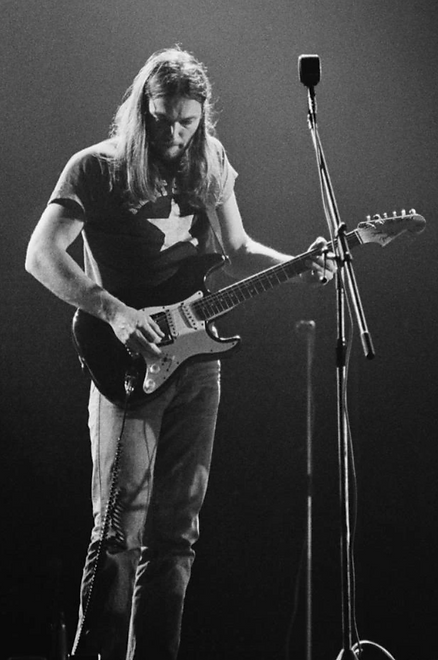
While the possibility of a full Pink Floyd reunion remains a dream for fans, the band’s legacy is firmly entrenched in rock history. They remain an iconic and influential band, revered for their groundbreaking contributions to music, their ability to evolve over time, and the lasting power of their albums, especially The Dark Side of the Moon and The Wall.
Despite the departure of Roger Waters, the death of Richard Wright, and various internal conflicts, Pink Floyd’s legacy endures. Their music continues to be celebrated worldwide, and their albums—particularly The Dark Side of the Moon, The Wall, Momentary Lapse of Reason, and The Division Bell—remain beloved milestones in the history of rock music. Pink Floyd may no longer function as a band, but their contribution to music and culture is everlasting.
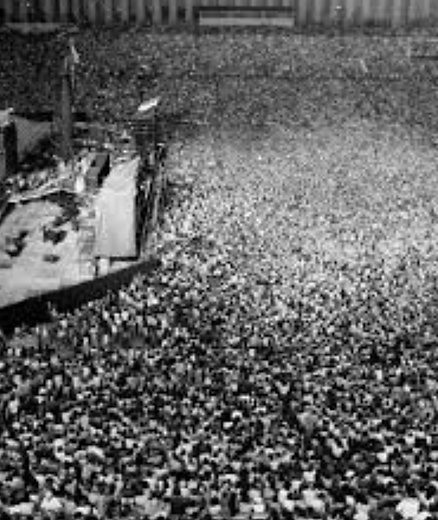
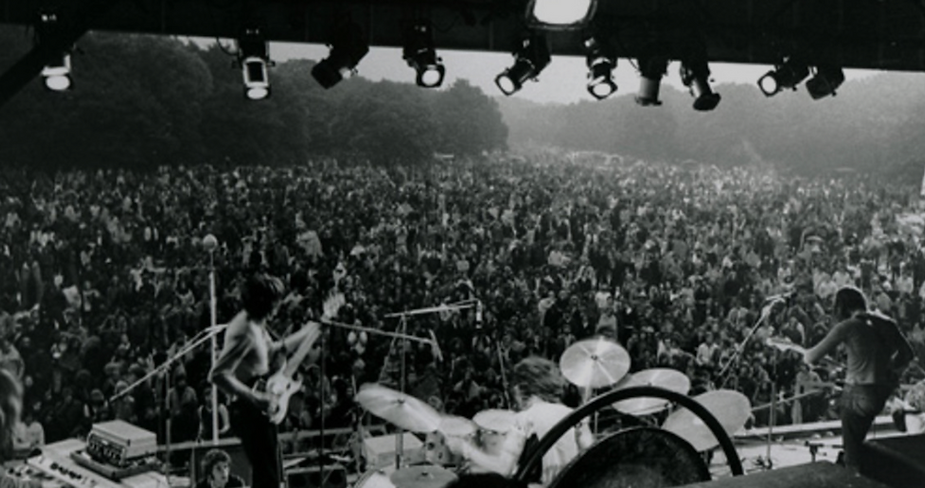
On July 2, 2005, the classic lineup of Pink Floyd—Roger Waters, David Gilmour, Nick Mason, and Richard Wright—reunited for the first time in 24 years at Live 8, a massive global charity concert organized by Bob Geldof. The event, held in Hyde Park, London, was part of a worldwide series of concerts aimed at raising awareness and urging leaders of the G8 summit to take action against global poverty, particularly in Africa.
Though the Festival 8 performance was a highlight in the Pink Floyd universe, it did not spark a full-blown reunion tour or any new projects with all the original members of Pink Floyd. However, it was one of the last major public appearances by the surviving members of Pink Floyd performing together in such a way. For many, it provided a sense of closure regarding the fractious history between Roger Waters and the rest of the band.

Since the Festival 8 reunion, the members of Pink Floyd have continued their solo endeavors, with Waters focusing on his solo career and his own tours, while Gilmour and Mason have continued working on their individual projects.

However, the Festival 8 performance remains one of the most memorable moments in Pink Floyd's long and storied history—a rare instance of a legendary band briefly coming together, honoring their past, and celebrating their enduring musical legacy.
-fotor-bg-remover-20251210165637.webp)


