-fotor-bg-remover-20251211141935.webp)
-fotor-bg-remover-20251211143525.webp)
In the late 1960s, a group of musicians from the South came together to create something the world had never heard before—a fusion of blues, rock, jazz, and country that would become Southern rock.
At the heart of it all were two brothers: Duane and Gregg Allman.
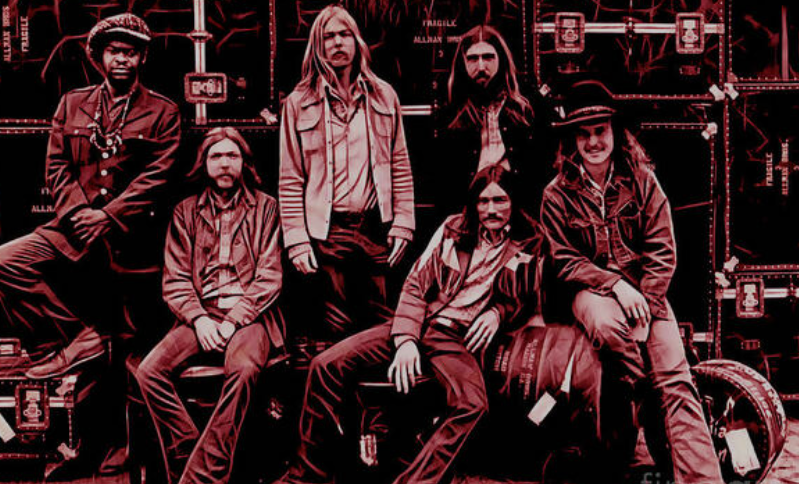
Duane and Gregg Allman were born in Nashville, Tennessee, and raised in Daytona Beach, Florida.
Music was in their blood, and by their teenage years, they were already playing in bands together, most notably The Allman Joys and later The Hour Glass. But it wasn’t until Duane’s obsession with the blues—and his discovery of the slide guitar—that he found his signature sound.
In 1968, Duane gained a reputation as a session guitarist at FAME Studios in Muscle Shoals, Alabama, where he played with legends like Aretha Franklin and Wilson Pickett. His fiery playing on Pickett’s cover of "Hey Jude" caught the attention of record execs, but Duane had a bigger vision—he wanted to form a band.
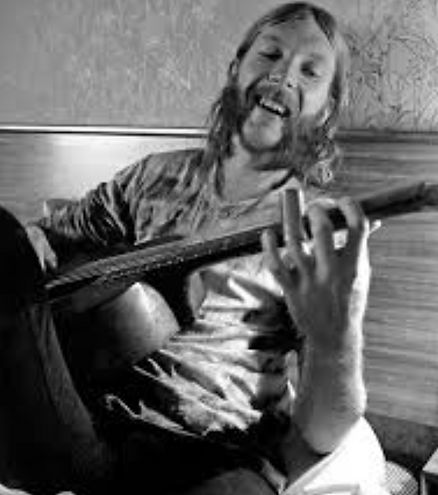
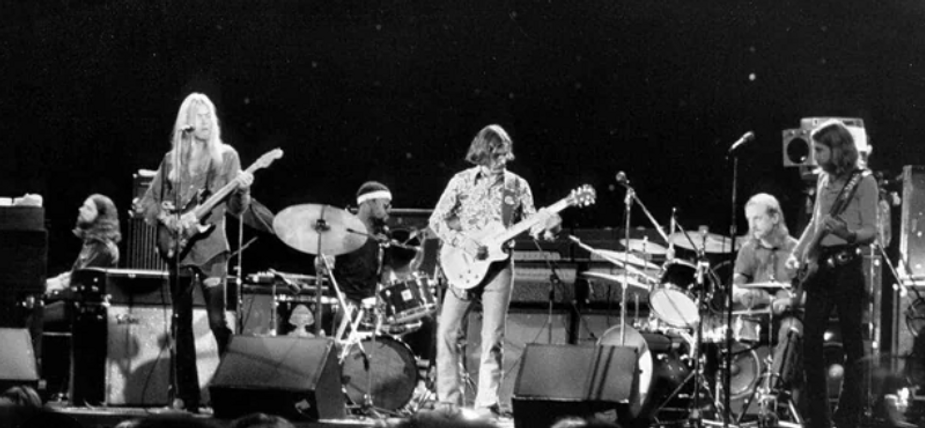
In 1969, Duane called up his younger brother Gregg, who was struggling to make it as a solo artist in Los Angeles. Together, they formed The Allman Brothers Band, recruiting:
With two lead guitarists and two drummers, the band had a raw, improvisational energy that set them apart from every other rock group of the time.
They weren’t just a blues band. They weren’t just a rock band. They were something entirely new.
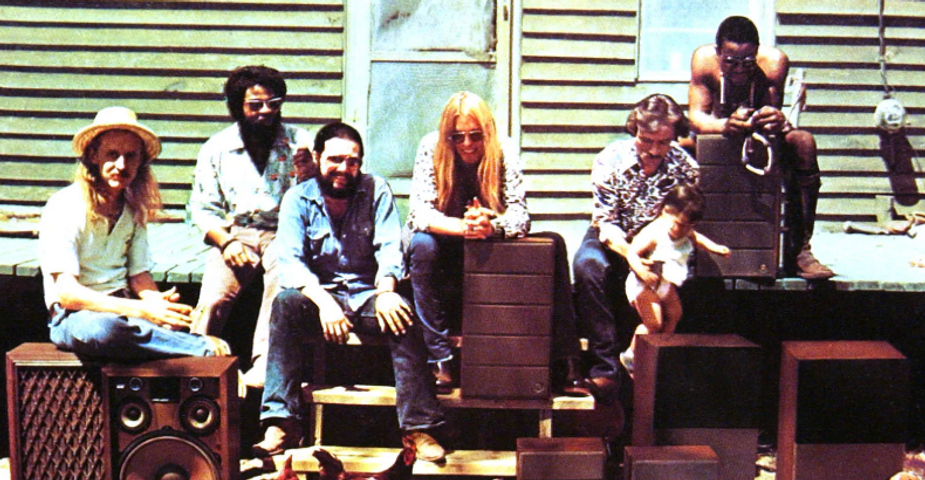
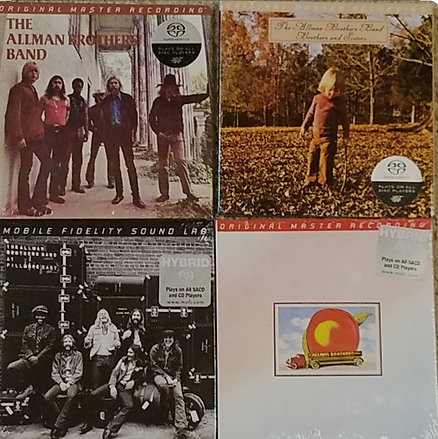
The band’s self-titled debut album, The Allman Brothers Band (1969), didn’t make waves commercially, but their intense live performances started building them a loyal following. Their second album, Idlewild South (1970), featured "Midnight Rider" and "Revival," proving they could write hits while maintaining their jam-band spirit.
But it was 1971’s At Fillmore East that made them legends. Recorded live at New York’s famed Fillmore East theater, the album showcased their mind-blowing improvisation, Duane’s slide guitar mastery, and the band’s ability to stretch songs into powerful, extended jams. Tracks like "Whipping Post" and "In Memory of Elizabeth Reed" turned them into one of the most respected rock bands in the world.
By late 1971, the Allman Brothers Band was on the verge of superstardom. But tragedy struck before they could reach their full potential.

On the afternoon of October 29, 1971, Duane Allman was riding his Harley-Davidson motorcycle through Macon, Georgia, when he came up behind a PEACH truck carrying a flatbed crane. The truck suddenly stopped short, and Duane swerved to avoid hitting it. He lost control, and his motorcycle slammed into the back of the truck, flipping over.

Though he initially survived the crash, Duane suffered massive internal injuries. He was rushed to the hospital, where doctors fought to save him. For several hours, there was hope—but ultimately, he passed away at age 24.
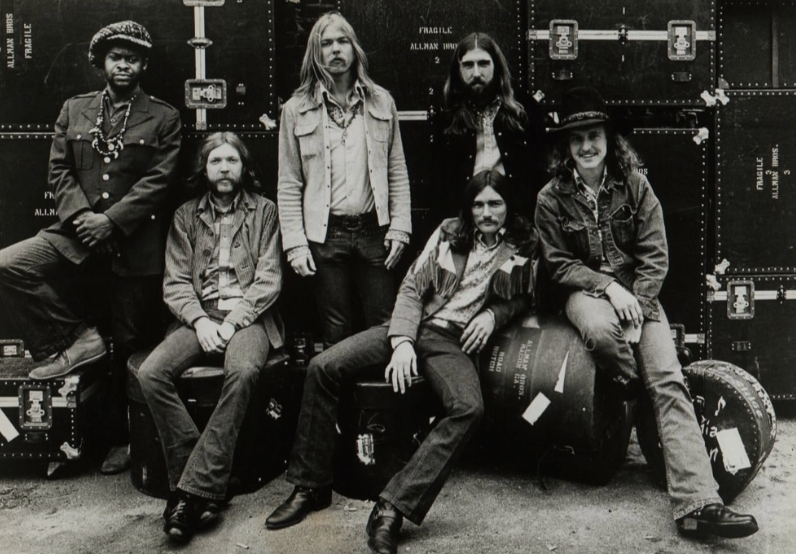
The music world was shattered. Duane Allman was not only one of the greatest guitarists of his generation, but he had also been the heart and soul of the Allman Brothers Band.
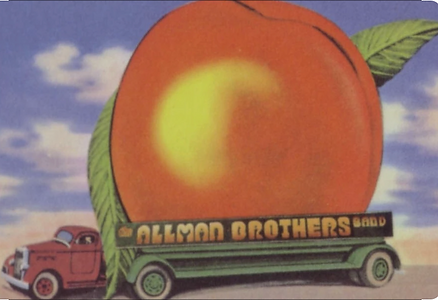
The band was devastated, but they refused to stop. In 1972, they released Eat a Peach, a mix of live recordings and new songs they had been working on before Duane’s passing. The album was both a tribute and a farewell, with songs like "Melissa" carrying a haunting beauty in the wake of his death.
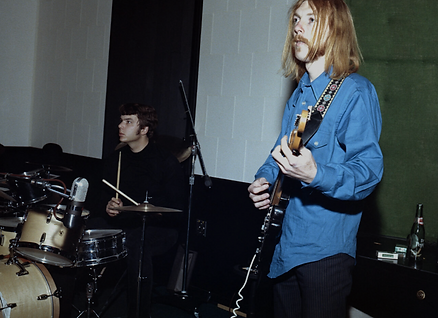
But just one year later, tragedy struck again when bassist Berry Oakley died in a motorcycle accident just three blocks from where Duane had crashed.
Despite these losses, the Allman Brothers Band continued on, becoming one of the most influential rock bands in history. But no matter how much time passed, Duane’s presence was never forgotten.
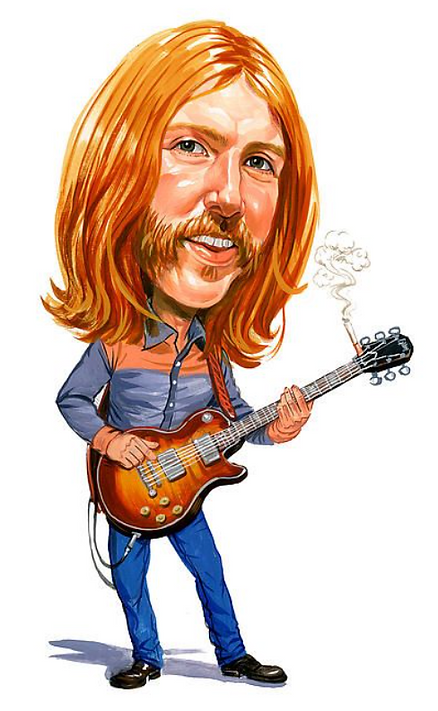
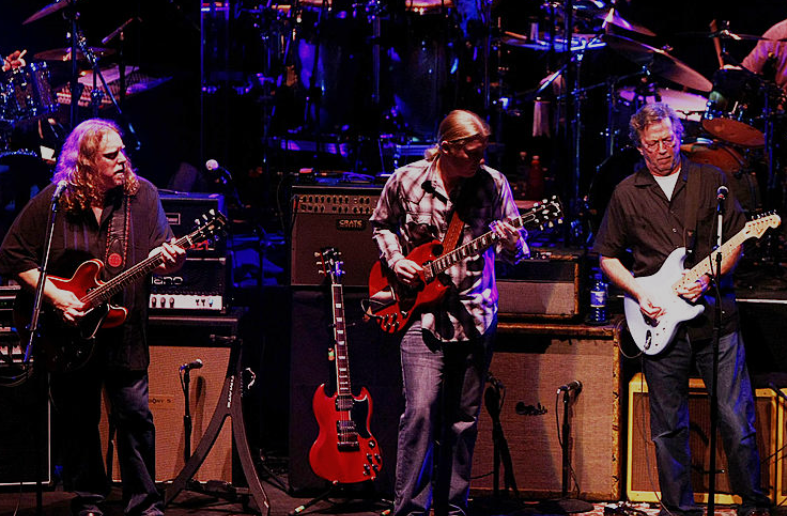
Duane Allman’s guitar playing changed music forever. His slide guitar technique, blues-infused solos, and ability to blend rock and jazz set a new standard for musicianship. His influence can be heard in Eric Clapton, Derek Trucks, Warren Haynes, and countless others.
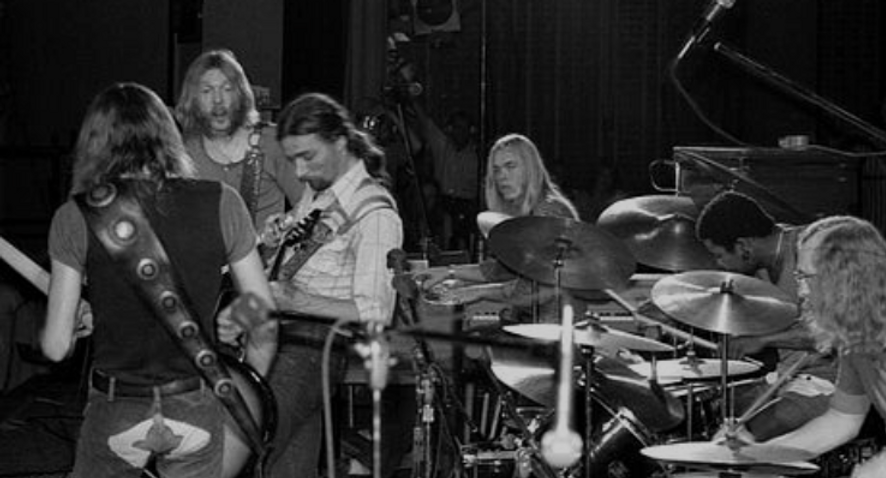
Though he was only 24 years old when he died, his impact on rock and blues music is immeasurable. And as long as people are still listening to the Allman Brothers Band, the road will truly go on forever.
When Duane Allman died in a motorcycle crash on October 29, 1971, the Allman Brothers Band faced a devastating question: Could they continue without their leader, their driving force, and the man whose vision had shaped their sound?
The answer came in the form of their 1972 album, Eat a Peach—a farewell, a tribute, and a declaration that the band would press on.
After Duane’s death, the band was shattered but determined to finish what they had started. They returned to the studio and completed Eat a Peach, which featured:
The album became a huge success, reaching #4 on the Billboard charts and solidifying the Allman Brothers as more than just Duane’s band—they were a force in their own right.
But tragedy struck again.
On November 11, 1972, just one year and 13 days after Duane’s accident, bassist Berry Oakley crashed his motorcycle just three blocks from where Duane had died. He initially refused medical treatment, but hours later, he was rushed to the hospital and died from brain swelling due to internal injuries. He was only 24, the same age as Duane when he passed.

Despite these heartbreaking losses, the band pushed forward once again. They brought in bassist Lamar Williams and began recording what would become their biggest commercial success, Brothers and Sisters (1973).
This album saw the emergence of Dickey Betts as the band’s new musical leader, and it introduced two of their most iconic songs:
With Brothers and Sisters, the Allman Brothers became one of the biggest bands in the world, headlining massive festivals and even playing for over 600,000 fans at the Summer Jam at Watkins Glen in 1973, alongside The Grateful Dead and The Band.
At the height of their success, internal tensions began tearing the band apart.
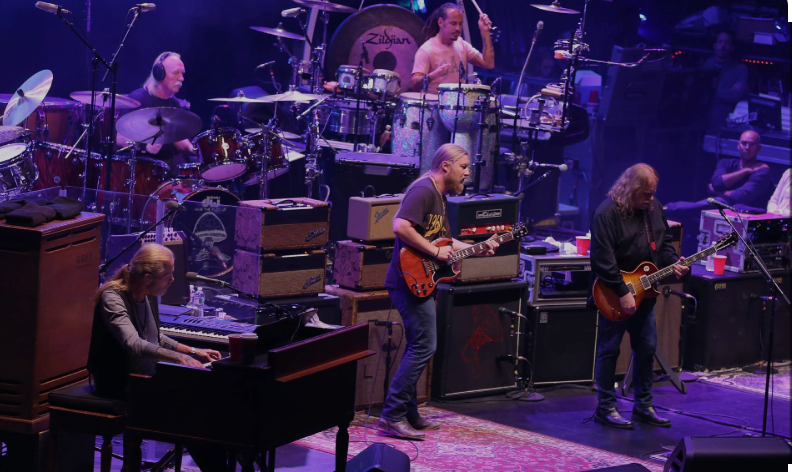
Despite this, they released Win, Lose or Draw (1975), which had some solid moments but lacked the fire of their earlier work. The band's legendary improvisational spark was fading under the weight of success, drugs, and egos.
By 1976, tensions exploded when Gregg Allman testified against his road manager, Scooter Herring, in a drug trial to avoid prison time. The rest of the band saw this as a betrayal—especially Dickey Betts, who vowed never to play with Gregg again.
As a result, the Allman Brothers Band broke up in 1976, seemingly for good.
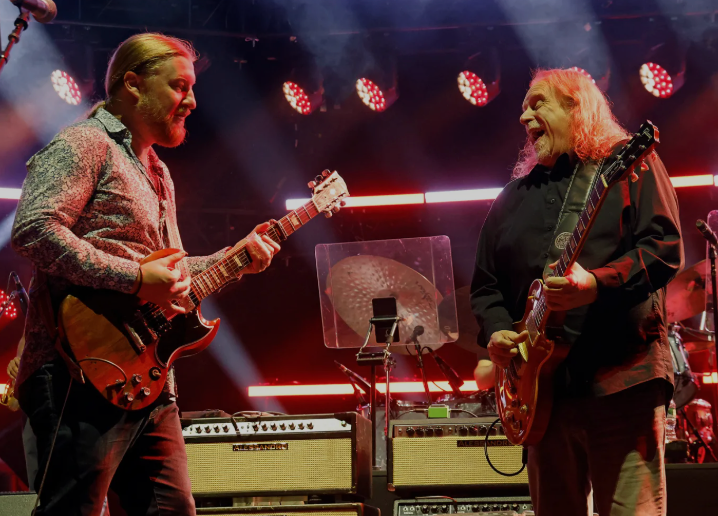
The dream seemed over.
But by 1978, Gregg and Dickey had reconciled (somewhat), and the Allman Brothers Band reunited with a new lineup.
They released Enlightened Rogues (1979), which had flashes of their old magic, especially on "Crazy Love" and "Can’t Take It With You." But the music scene had changed, and the band wasn’t the same.
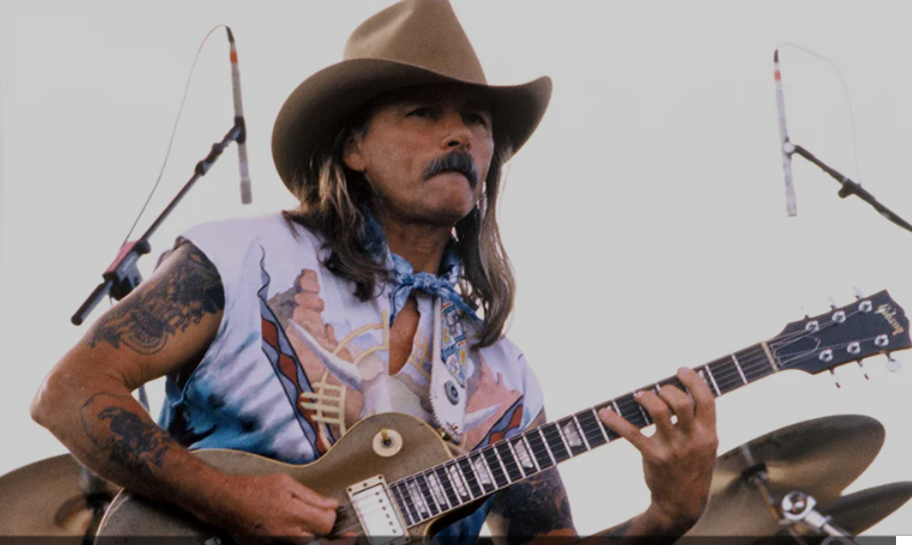
By the end of the 1970s, the Allman Brothers Band broke up again, closing a turbulent but legendary chapter in rock history.
The 1970s were the decade that defined the Allman Brothers Band, filled with:
✔ Genius – At Fillmore East and Brothers and Sisters became timeless classics.✔ Tragedy – Duane and Berry’s deaths left a permanent void.✔ Success – The band reached superstardom.✔ Self-Destruction – Drugs, egos, and legal troubles tore them apart.
But even as the band fell apart, their music endured. And the road, as they always said, went on forever.
The Allman Brothers would rise again in the 1980s and beyond, but the fire of the original lineup—the magic of Duane, Berry, Gregg, Dickey, Butch, and Jaimoe—remains one of the greatest legacies in rock history.

After a decade of brilliance, tragedy, and self-destruction, the Allman Brothers Band entered the 1980s as a fractured version of what they once were. The band had already broken up twice in the late ‘70s, and their future was uncertain. But as they had proven before, the road always had another turn—though this time, it would be a rough ride.
By 1980, the Allman Brothers Band was no longer a cohesive unit. The internal battles between Gregg Allman and Dickey Betts, the core of the group, had reached their breaking point.
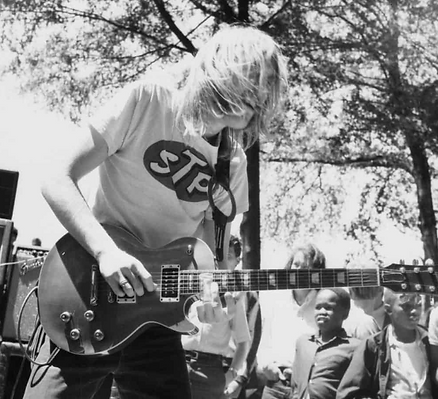
The band tried one last push with their 1980 album Reach for the Sky, which had a more commercial rock sound but failed to capture their classic spirit. By the time they released Brothers of the Road in 1981, it was clear they were no longer the powerhouse they once were.
The single "Straight from the Heart" actually became a minor hit, but it sounded like a far cry from the band that had once given the world "Whipping Post" and "Jessica."
By 1982, the Allman Brothers Band officially broke up again. This time, it seemed permanent.
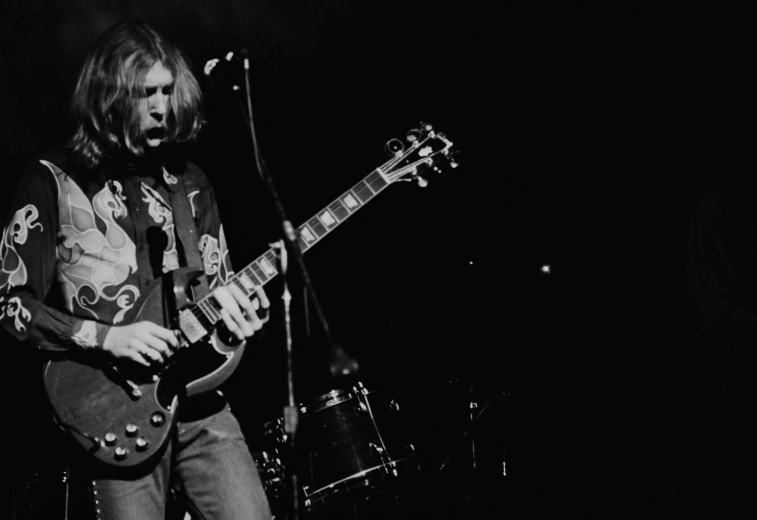
For the first time since 1969, there was no Allman Brothers Band. Instead, the members scattered into side projects, solo careers, and, for some, deep personal struggles.
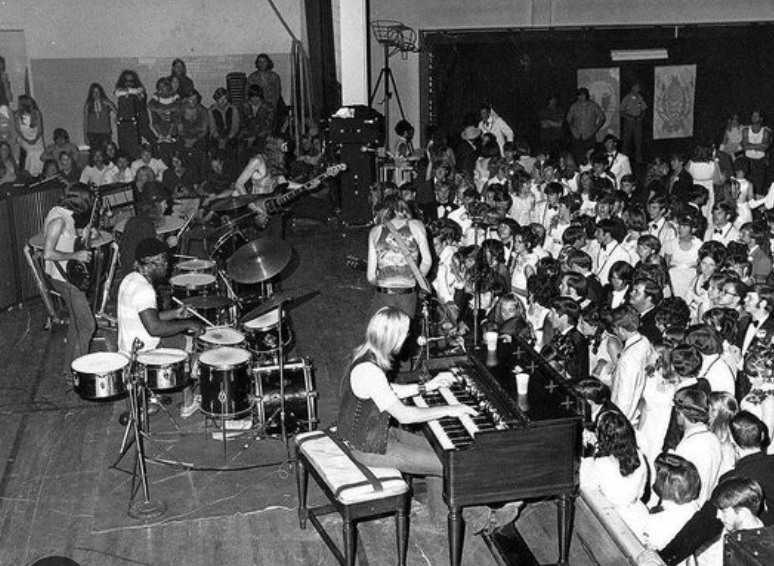
For most of the mid-1980s, the Allman Brothers’ legacy seemed to be fading into the past, overshadowed by new rock giants like Van Halen, Guns N’ Roses, and Metallica.
But the seeds of a comeback were already being planted.
By 1986, Gregg Allman had finally gotten clean after years of substance abuse, and his career was on an upswing thanks to I’m No Angel. At the same time, Dickey Betts was still touring with Great Southern, keeping the Allman sound alive.
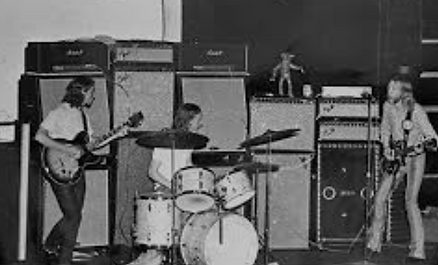
It wasn’t long before the two former bandmates started talking again. There was still bad blood, but enough time had passed for them to recognize that the magic they had created together was too important to let die.
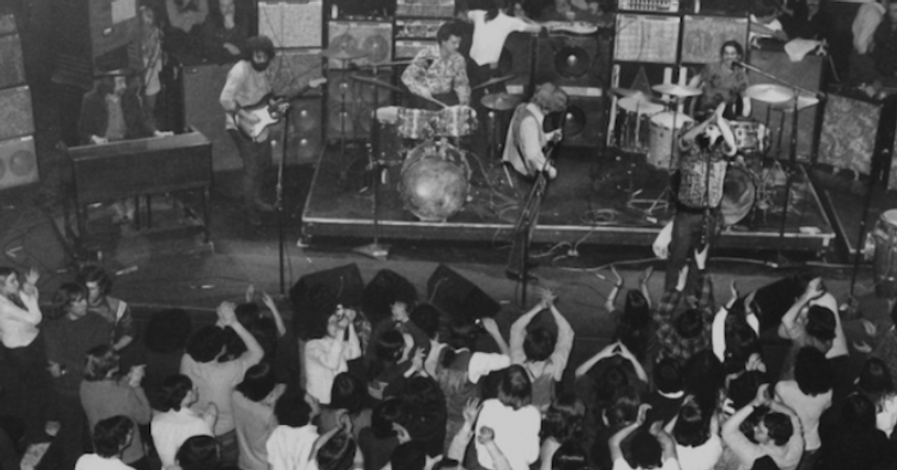
By 1989, after almost a decade apart, the Allman Brothers Band officially reunited to celebrate their 20th anniversary.
The lineup included:
With Warren Haynes and Allen Woody, the band had found fresh energy. Haynes, in particular, was a rising star in the blues-rock scene, and his powerful guitar work alongside Betts rekindled the legendary dual-guitar attack that had once defined the band.
In 1989, they embarked on a highly successful reunion tour, proving to the world that the Allman Brothers Band was still alive.
The 1980s had been a decade of decline, addiction, and broken relationships, but as the decade came to a close, the band stood on the edge of an incredible resurgence.
The Allman Brothers wouldn’t just return in the 1990s—they would reclaim their place as one of rock’s most legendary bands.
And once again, the road went on forever.
After a tumultuous 1980s, the 1990s marked a rebirth for the Allman Brothers Band. Their 20th-anniversary reunion in 1989 had proven that the band was still a force, and with fresh talent in the lineup, they were ready to reclaim their legacy.
But the decade would also bring major lineup changes, internal conflicts, and a final split between two of the band’s biggest personalities—Gregg Allman and Dickey Betts.
With their new lineup featuring:
The band entered the studio and recorded their first new album in nearly a decade, Seven Turns (1990). The record was a critical and commercial success, proving the Allman Brothers Band was back for real.
Key songs from Seven Turns:
In 1991, they followed up with Shades of Two Worlds, another strong album that included:
During this time, they fired Johnny Neel, returning to a single keyboard setup with Gregg.
But tragedy was lurking just around the corner.
The early ‘90s saw the band continuing to tour heavily, building momentum as one of the most respected live bands in the world. But 1993 brought another major lineup change when bassist Allen Woody left the band.
Woody, along with Warren Haynes, left to form Gov’t Mule, a power trio that would become one of the most respected blues-rock bands of the modern era.
To replace him, the Allman Brothers brought in Oteil Burbridge, a young, jazz-influenced bassist who would stay with the band for the rest of their career.
At this point, the core lineup became:
Their 1994 album, Where It All Begins, was the last studio album to feature Dickey Betts. The record included:
The Allman Brothers were experiencing a new golden age, selling out shows and attracting a younger generation of fans.
Their live performances during the mid-'90s were some of their best in decades, with Warren Haynes proving himself to be one of the most electrifying guitarists to ever play in the band.
But despite their success, tensions were rising—particularly between Gregg Allman and Dickey Betts.
By the late ‘90s, the Allman Brothers Band was facing new challenges:
In 1999, after years of internal fighting, the band made a shocking decision—they fired Dickey Betts.
The last founding guitarist was gone, and for many fans, this marked the end of an era.
After Betts' departure, the Allman Brothers brought in Derek Trucks, Butch Trucks’ nephew, an insanely talented slide guitarist who had already made a name for himself as a prodigy. Trucks' slide guitar style was the closest thing to Duane Allman the band had ever heard since his passing.
By the end of the 1990s, the Allman Brothers Band had gone through their most successful period since the early ‘70s, but they had also seen some of their biggest changes.
✔ Warren Haynes and Allen Woody left to form Gov’t Mule.✔ Oteil Burbridge and Marc Quiñones brought new life to the rhythm section.✔ Dickey Betts was fired after 30 years.✔ Derek Trucks joined, bringing back the Duane-inspired slide guitar sound.
They had survived decades of change, tragedy, and reinvention, but with a new century ahead, their journey wasn’t over yet.
The 2000s would see one of their greatest lineups yet, but also the band’s final farewell.
By the time the 2000s arrived, the Allman Brothers Band had once again reinvented itself. After firing Dickey Betts in 1999, they were at a crossroads—losing the last original guitarist who had carried the band's legacy forward.
But instead of fading away, the 2000s saw one of the band’s strongest and most respected lineups, bringing them to new heights and ensuring their place as one of the greatest live bands of all time.
This would be their last major era, but it was one filled with some of their best performances, new energy, and a powerful farewell.
With Dickey Betts gone, the Allman Brothers needed a new guitarist. But instead of just replacing Betts with another Southern rock veteran, they went in a new direction—bringing in a young slide guitar prodigy who was already making waves in the blues world:
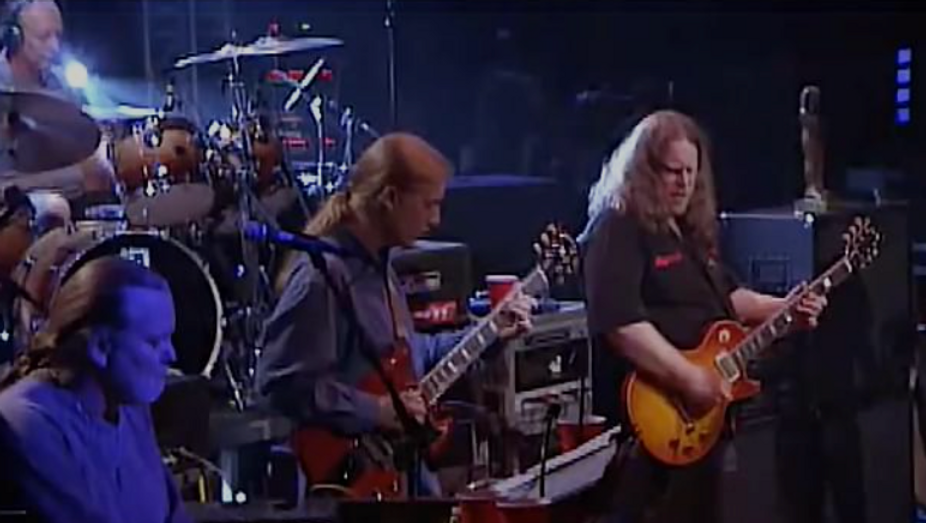
To round out the twin-guitar attack, they brought back Warren Haynes, who had left in 1997 to focus on Gov’t Mule. Now, with Haynes and Trucks playing together, the Allman Brothers had their strongest guitar duo in decades.
The official 2000s lineup was:✔ Gregg Allman (vocals, keyboards)✔ Warren Haynes (guitar, vocals)✔ Derek Trucks (guitar, slide guitar)✔ Oteil Burbridge (bass)✔ Butch Trucks (drums)✔ Jaimoe (drums, percussion)✔ Marc Quiñones (percussion)
This seven-piece lineup would define the final era of the Allman Brothers Band.
In 2003, the band released their last studio album, Hittin’ the Note. It was their first album without Dickey Betts, but it proved they were still at the top of their game.
Key songs from Hittin’ the Note:🎵 "Firing Line" – A hard-driving Southern rock song with Warren and Derek dueling on guitars.🎵 "Desdemona" – A bluesy, jazz-infused jam that showcased the new lineup’s strengths.🎵 "Instrumental Illness" – A Grammy-nominated track that highlighted Derek Trucks’ fluid slide playing and Warren Haynes’ fiery solos.
Despite being their final studio album, Hittin’ the Note was widely praised as one of their best releases in decades, proving that even after 30+ years, the Allman Brothers could still deliver incredible music.
Though they stopped releasing new studio albums, the Allman Brothers became known as one of the greatest live bands of all time during the 2000s.
Their annual residency at The Beacon Theatre in New York City became legendary. Every March, the band would play multiple nights at the Beacon, performing long, improvisational sets that mixed classics with deep cuts.
🔹 In 2009, they played 15 nights at the Beacon to celebrate their 40th anniversary, with guests like Eric Clapton joining them on stage.
Their live performances from this era are considered some of the best in their entire history, with Warren Haynes and Derek Trucks pushing each other to new heights.
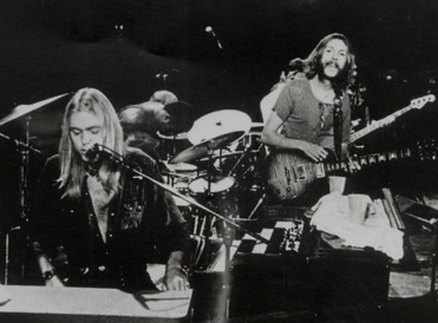
In 2008, tragedy struck when drummer Butch Trucks’ son, Duane Trucks, died unexpectedly. This deeply affected Butch, and though he continued playing, the loss weighed on him.
By 2009, the band began hinting that their time
was coming to an end.
At their 40th Anniversary Shows at the Beacon Theatre, they paid tribute to Duane Allman, bringing out Eric Clapton to perform "Layla", a song Duane had played on. The shows were emotional and felt like a farewell to the original era of the band.
That same year, Gregg Allman was diagnosed with Hepatitis C, and in 2010, he underwent a liver transplant.
While the band would continue for a few more years, it was clear that the road was winding down.
In October 2014, after 45 years of music, loss, and rebirth, the Allman Brothers Band played their final show at the Beacon Theatre in New York City.
The Allman Brothers Band was officially over.
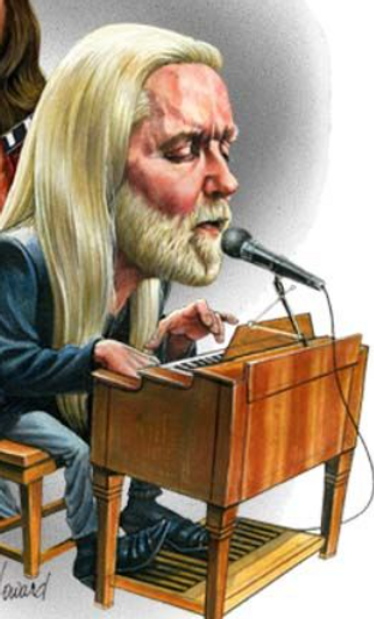
The 2000s cemented the Allman Brothers’ legacy as one of the greatest live bands in rock history.
✔ Derek Trucks and Warren Haynes brought fresh energy and virtuosity.✔ Their live shows at the Beacon Theatre became legendary.✔ Their final album, Hittin’ the Note, was a strong sendoff.✔ They gave one of the most emotional farewell performances ever in 2014.
Though the band is gone, their music will live forever.
The road truly went on forever, but the ride finally came to an end.
Dickey Betts, a founding member of the Allman Brothers Band, passed away on April 18, 2024, at his home in Osprey, Florida, at the age of 80. He had been battling cancer for over a year and also suffered from chronic obstructive pulmonary disease (COPD). His manager of 20 years, David Spero, confirmed that Betts was surrounded by his family and passed peacefully, without apparent pain.
Born on December 12, 1943, in West Palm Beach, Florida, Betts was a pivotal figure in the Allman Brothers Band, contributing as a guitarist, singer, and songwriter. He was instrumental in shaping the band's sound, co-writing and performing on many of their iconic tracks.
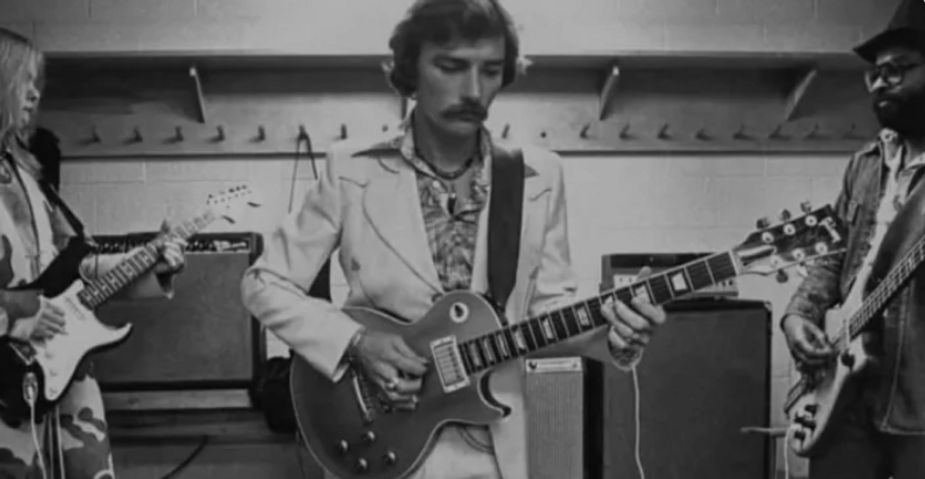
In August 2018, Betts suffered a mild stroke, leading to the cancellation of tour dates with his band. The following month, he underwent successful brain surgery after an accident at his home. Despite these health challenges, Betts remained resilient, continuing to influence and inspire musicians until his passing.
His death marks the end of an era for Southern rock, but his musical legacy endures through his contributions to the genre and the countless artists he inspired.
The Allman Brothers Band left behind a monumental legacy that reshaped rock, blues, and jam-band music forever. Their impact extends far beyond their recordings—they pioneered a new sound, inspired countless musicians, and created a culture that continues to thrive.
✔ The Founders of Southern Rock → The Allman Brothers Band fused blues, jazz, country, and psychedelic rock into something entirely new. Their dual-lead guitar harmonies, extended jams, and raw emotion set them apart from every other band of their time. Without them, there would be no Lynyrd Skynyrd, no Marshall Tucker Band, no Gov’t Mule—the entire Southern rock movement was born from their sound.
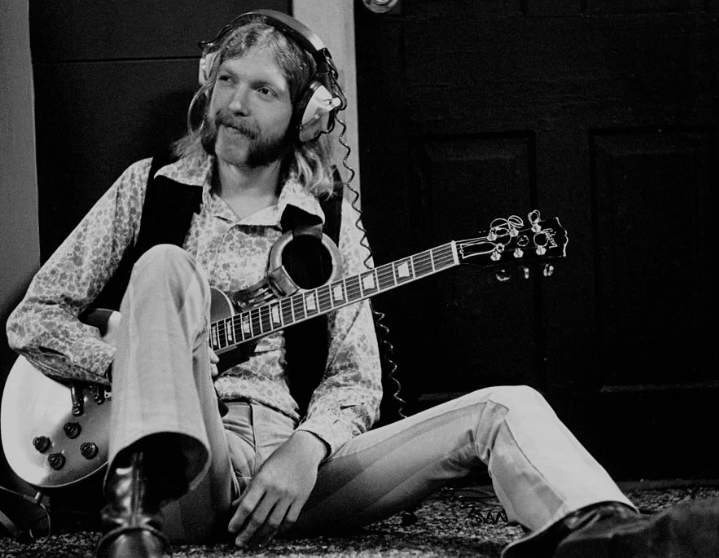
✔ Masters of Improvisation → The Allman Brothers weren’t just a rock band—they were a jam band before jam bands existed. Their concerts were never the same twice.
Songs could stretch into 20-minute explorations, blending jazz-like spontaneity with blues-based grit. They set the stage for later jam bands like Phish, Widespread Panic, and the Tedeschi Trucks Band.
✔ Brotherhood and Resilience → The band endured unimaginable loss—from Duane Allman’s death in 1971 to Berry Oakley’s death a year later, followed by lineup changes, internal struggles, and decades of personal hardships. But through it all, they never let the music die. Their ability to rebuild and carry on defined their story just as much as their songs.
✔ The Beacon Theatre Legacy → Their legendary Beacon Theatre residencies in New York City became a defining feature of their later years, proving that even after 40+ years, they were still at the top of their game.
The Allman Brothers Band’s influence spans generations and genres. Their music inspired:
🎸 Southern Rock Bands → Lynyrd Skynyrd, The Marshall Tucker Band, ZZ Top, The Black Crowes.
🎸 Jam Bands & Improvisational Rock → Phish, Gov’t Mule, Widespread Panic, Tedeschi Trucks Band.
🎸 Blues & Slide Guitarists → Derek Trucks, Warren Haynes, Bonnie Raitt, Eric Clapton, Joe Bonamassa.
🎸 Modern Rock Artists → John Mayer, Blackberry Smoke, My Morning Jacket, The Marcus King Band.
Their bluesy, improvisational, and deeply emotional approach to music continues to shape rock, blues, and live performance culture today.
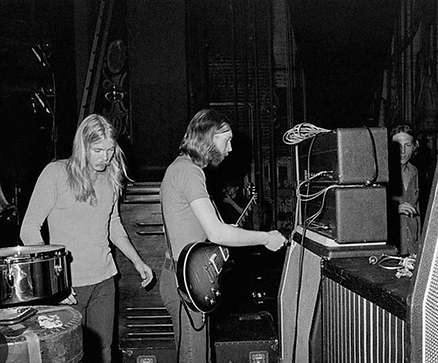
✔ Derek Trucks & The Tedeschi Trucks Band → Arguably the closest thing to the Allman Brothers Band today, Derek Trucks (nephew of Butch Trucks) carries on their spirit through his own band, blending blues, soul, and extended jams in a way that mirrors Duane Allman’s original vision.
✔ Gov’t Mule & Warren Haynes → A direct descendant of the Allman Brothers, Warren Haynes’ Gov’t Mule keeps the Southern rock jam tradition alive.
✔ Phish, Widespread Panic & The Jam Scene → The Allman Brothers’ approach to live improvisation inspired the modern jam band movement.
✔ The Beacon Theatre Shows → Even though the band is gone, their annual Beacon Theatre residency remains legendary, and tribute concerts honoring their music continue.
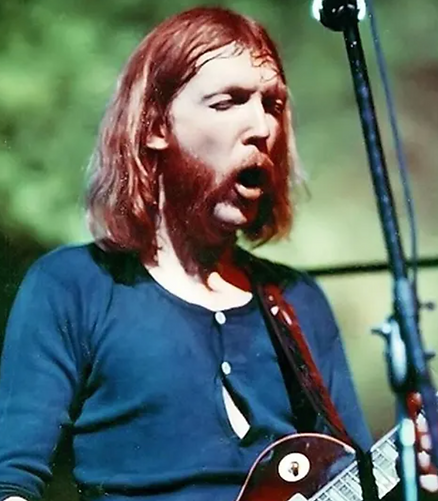
✔ Iconic Songs That Will Never Die →🎵 Whipping Post – One of the greatest live songs of all time.🎵 Midnight Rider – A rock anthem of rebellion and resilience.🎵 Jessica – A timeless instrumental masterpiece.🎵 Melissa – A song that continues to touch souls worldwide.
The Allman Brothers Band didn’t just emerge out of nowhere—they were shaped by a deep well of musical influences, drawing from blues, jazz, country, and psychedelic rock. Their connection to the Grateful Dead and the San Francisco music scene of the '60s was also a key part of their story.
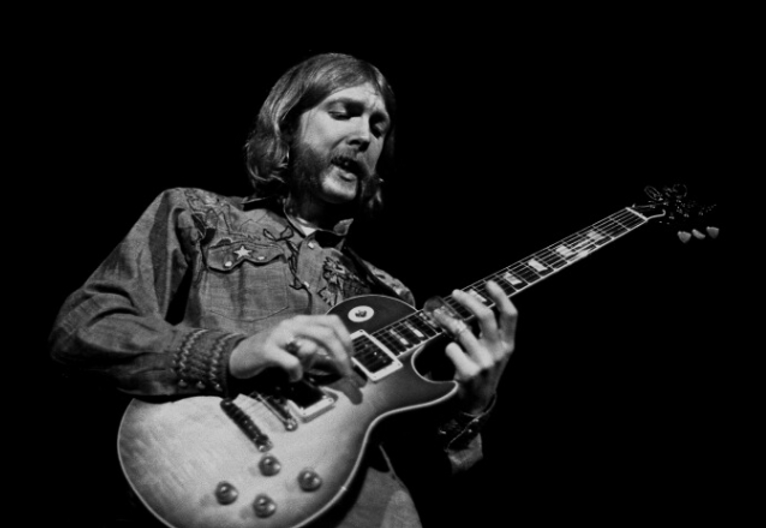
The Allman Brothers were Southern rock pioneers, but their sound was built on a foundation of blues, jazz, and improvisation. Here are the key artists who shaped their music:
🎸 Blues Legends (Their Foundation)
🎵 Jazz Greats (Their Improvisational Spirit)
🤘 Rock & Psychedelia (Their Experimental Edge)
🎶 Southern & Country Influences
The Allman Brothers Band and the Grateful Dead had a deep mutual respect and a shared approach to improvisation and live performance. While they had distinct sounds—the Dead leaned more into folk, psychedelia, and spacey jams, while the Allmans were blues-driven and intense—their connection was undeniable.
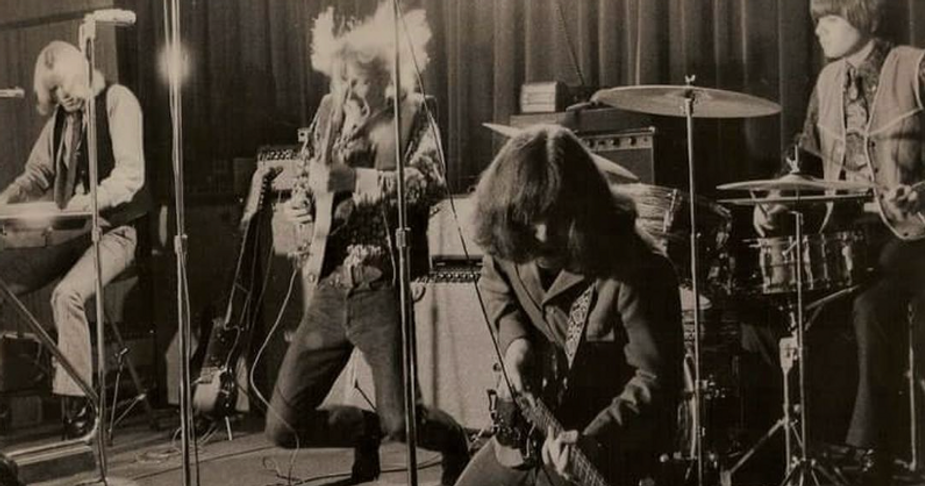
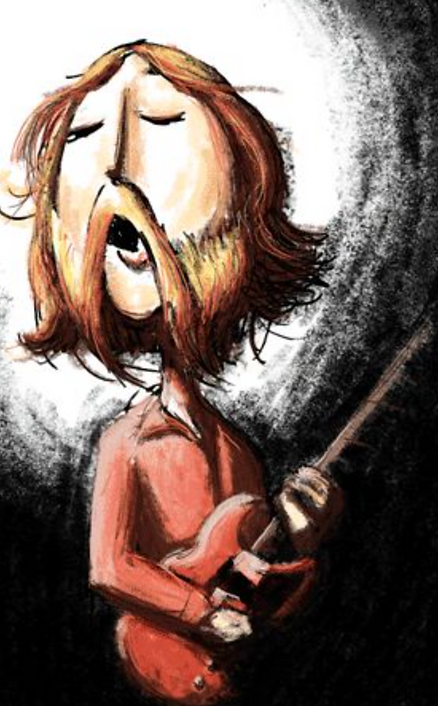
While the Allman Brothers were based in the South, they were spiritually connected to the San Francisco psychedelic scene, which included:
🎶 Jefferson Airplane – Like the Allmans, they were pioneers of psychedelic improvisation.
🎵 Quicksilver Messenger Service – Their dual-lead guitar style mirrored what Duane and Dickey Betts developed.
🎸 Big Brother & The Holding Company (Janis Joplin’s band) – The raw, bluesy energy of Janis’ vocals paralleled Gregg Allman’s powerful singing.
🎤 Santana – Latin percussion elements and jam-heavy structures had similarities to the Allman Brothers' fusion of blues and jazz.
🔥 The Jam Band Movement
🎤 The Allman Betts Band
🎼 Dead & Company (feat. John Mayer)
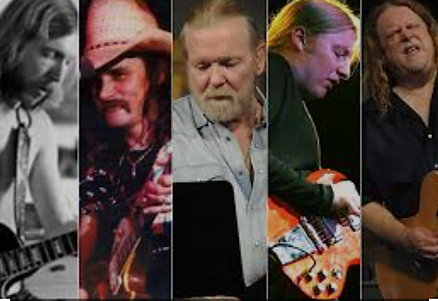
The Allman Brothers Band and the Grateful Dead were two of the most important forces in live music history.
Their improvisational approach, commitment to raw, emotional expression, and refusal to conform to commercial music trends cemented them as legends.
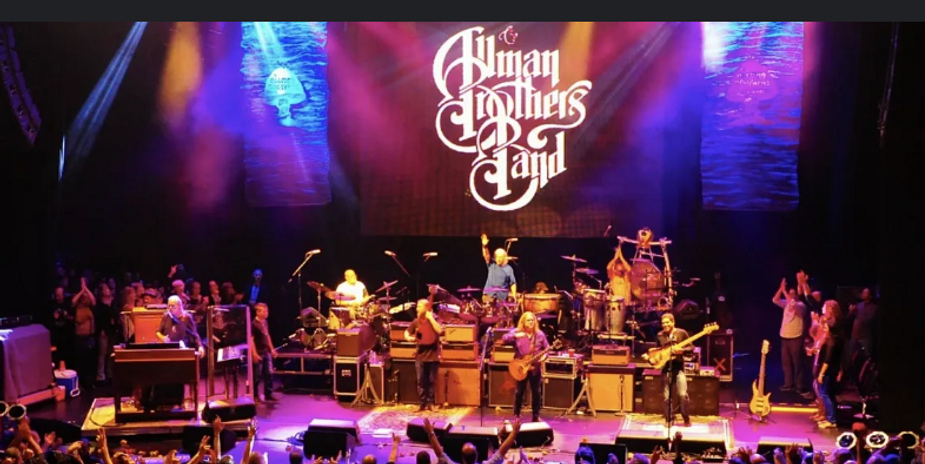
Without them, the jam band scene wouldn’t exist. Their music lives on in every extended jam, every slide guitar solo, and every audience that closes their eyes and gets lost in the sound.
🚀 The road goes on forever, and the music never stops. 🎶
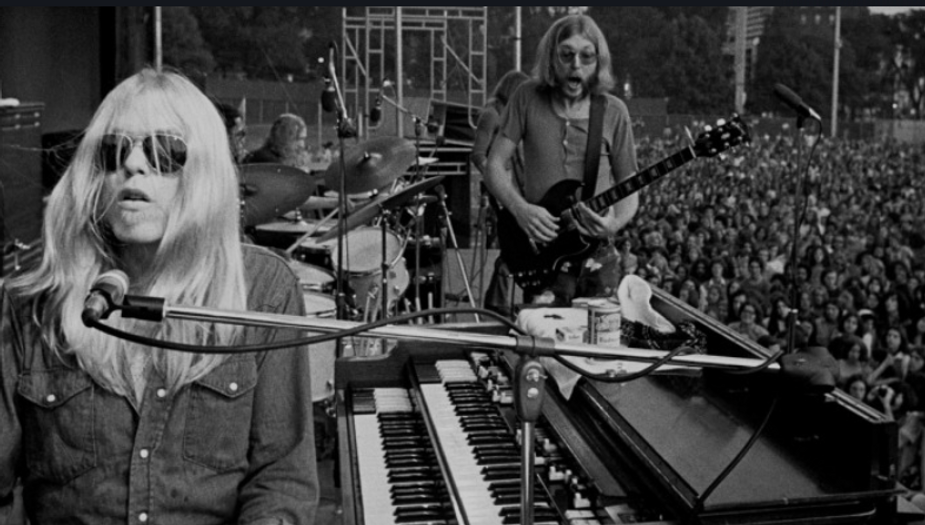
Though Gregg Allman, Duane Allman, Butch Trucks, Berry Oakley, and now Dickey Betts have passed, their music will never die. The Allman Brothers Band revolutionized rock and roll, creating something so powerful that it continues to shape artists and move audiences today.
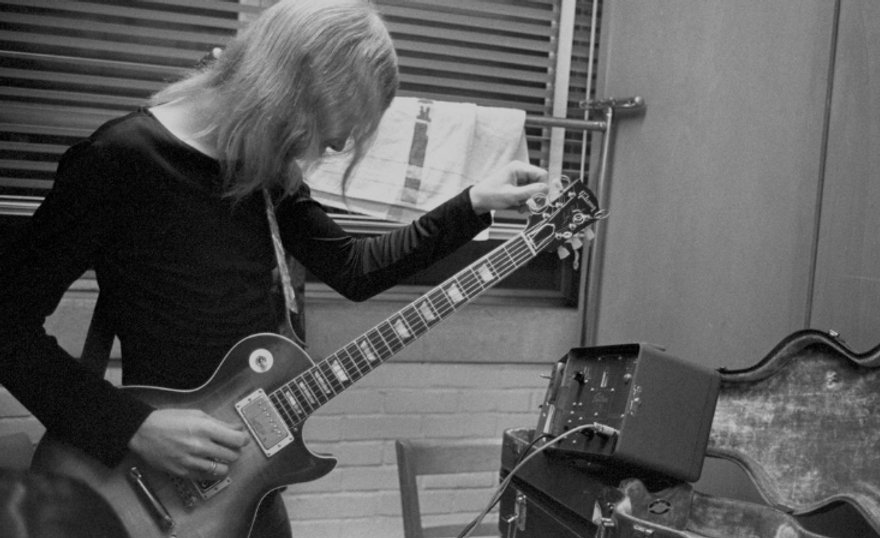
The road goes on forever, and so does their influence. 🚀🎸
-fotor-bg-remover-20251210165637.webp)


