-fotor-bg-remover-20251211141935.webp)
-fotor-bg-remover-20251211143525.webp)
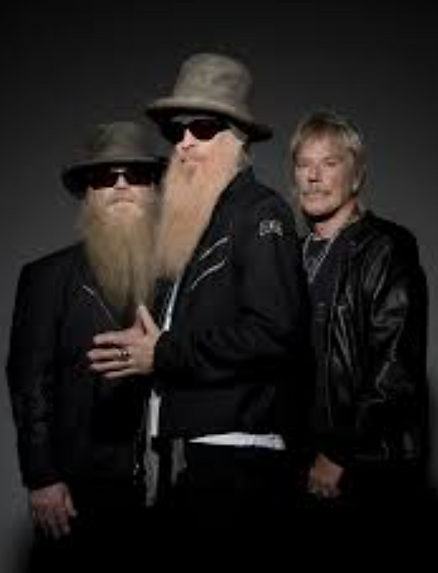
ZZ Top’s story is one of grit, blues, and rock ‘n’ roll swagger, forged deep in the heart of Texas. Here’s how they went from their early upbringings to breaking into the music scene.
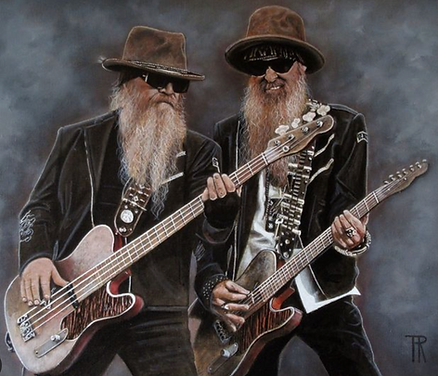
Born in Houston, Texas, in 1949, Billy Gibbons grew up in a musically rich household. His father, Fred Gibbons, was an orchestra conductor and concert pianist who worked in Hollywood, exposing Billy to a wide range of music from an early age.
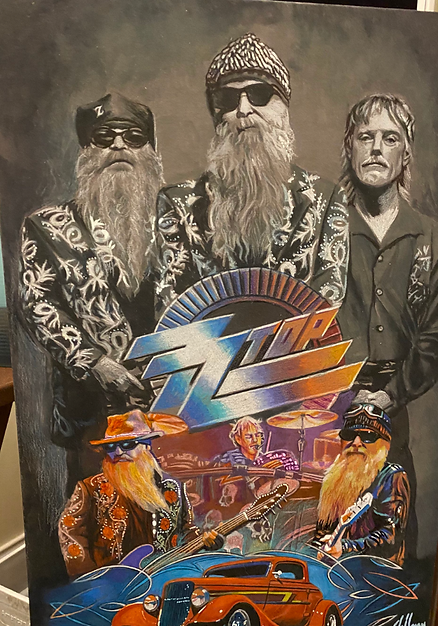
At age 13, Billy got his first electric guitar—a Gibson Melody Maker—after being inspired by Elvis Presley and B.B. King. He soon formed his first band, The Saints, and later moved on to psychedelic rock with a group called The Moving Sidewalks, who even opened for Jimi Hendrix during his 1968 tour.
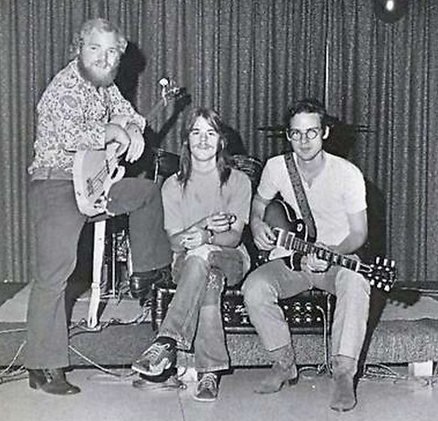
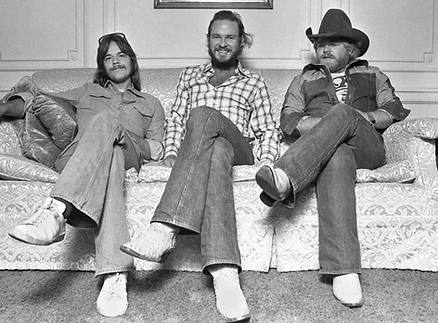
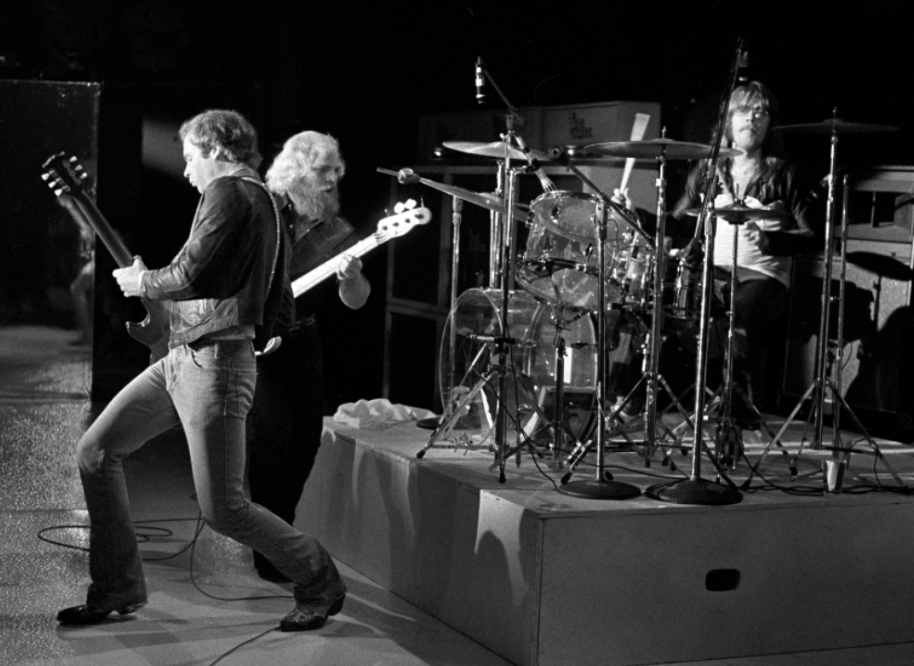
Both Dusty Hill and Frank Beard hailed from Dallas, Texas. Dusty, born in 1949, and his older brother, Rocky Hill, were immersed in blues music from an early age. Dusty played cello before switching to bass, and he and Rocky performed together in a blues band called American Blues. Frank Beard, born in 1949, was also part of the Dallas music scene and played in American Blues for a time.
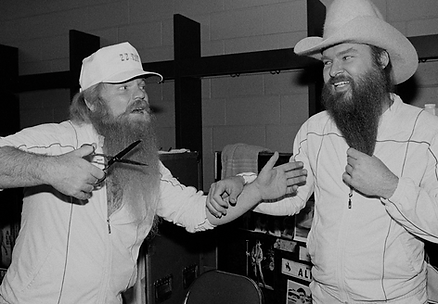
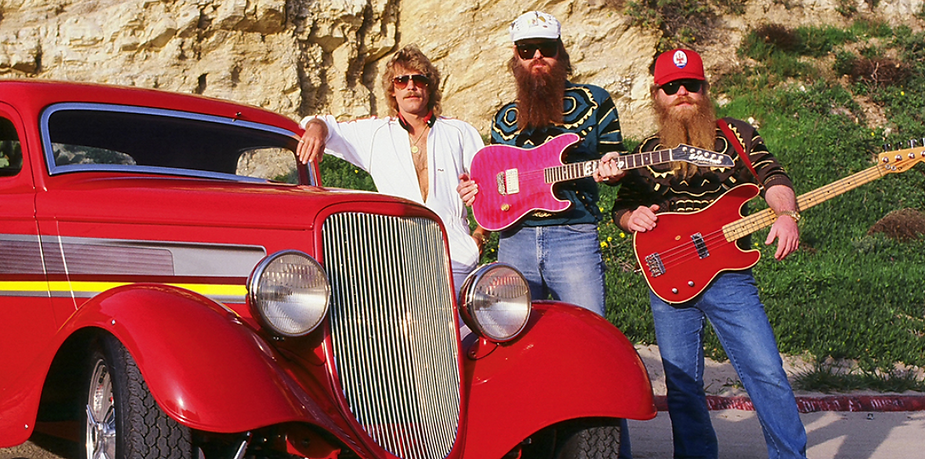
By the late 1960s, the Texas blues-rock scene was thriving. Billy Gibbons, looking to start a new band after The Moving Sidewalks, joined forces with Frank Beard, who introduced him to Dusty Hill.
The three musicians had a deep love for blues, boogie, and rock, and they quickly bonded over their shared influences, including Lightnin’ Hopkins, Muddy Waters, and Howlin’ Wolf.
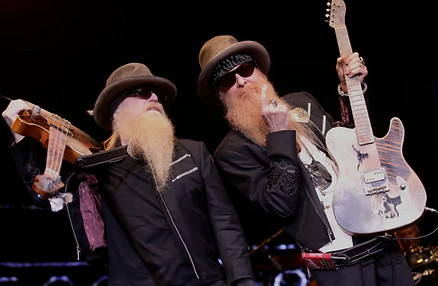
Gibbons came up with the name ZZ Top, inspired by blues musicians like B.B. King and Z.Z. Hill. The idea was to combine the initials "ZZ" with "Top," as in the "top" of the music world.
ZZ Top played small gigs across Texas, developing their signature tight, bluesy groove. Their big break came when they signed with London Records in 1970.
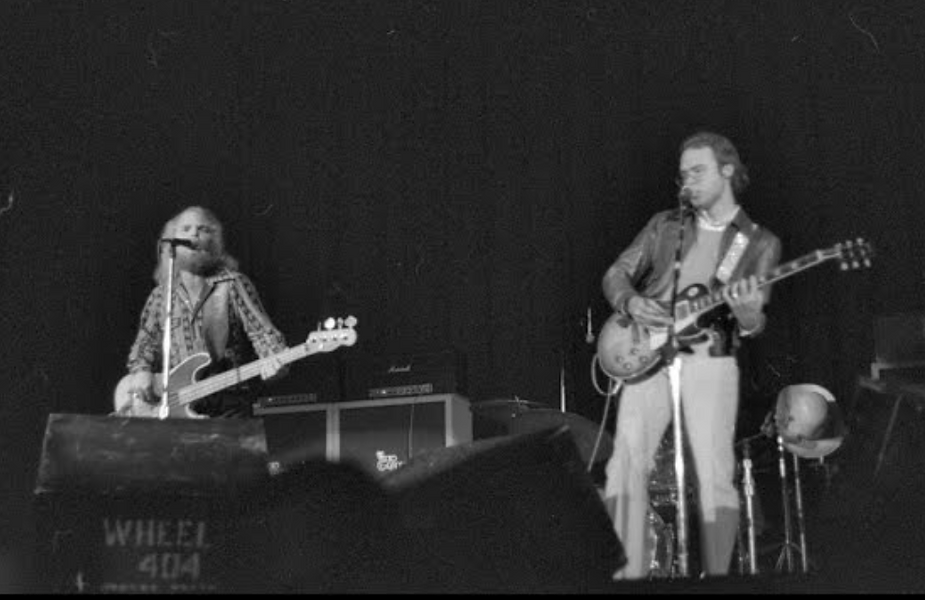
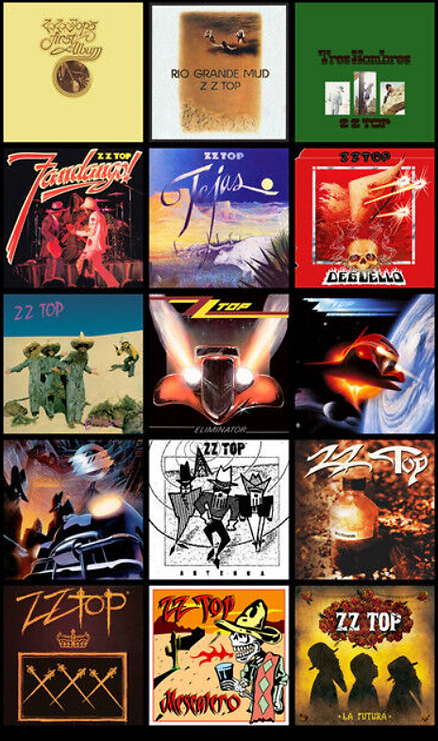
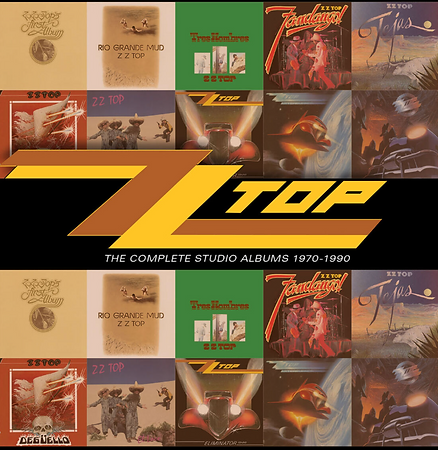
Their self-titled debut album, ZZ Top's First Album (1971), featured gritty blues-rock tracks like “(Somebody Else Been) Shaking Your Tree.” While it wasn’t a massive hit, it set the stage for their sound.
Their second album, Rio Grande Mud (1972), gained more traction,
featuring "Francine" and "Just Got Paid," the latter becoming a staple in their live shows.
However, it was their third album, "Tres Hombres" (1973), that launched them into mainstream success. The album featured "La Grange," a song inspired by a Texas brothel, with its infectious boogie riff becoming one of rock’s most iconic licks.
From there, ZZ Top’s career skyrocketed, cementing them as Texas rock legends with a blend of blues, humor, and a distinct visual style that would evolve into their bearded, hot-rod-driven 1980s image.
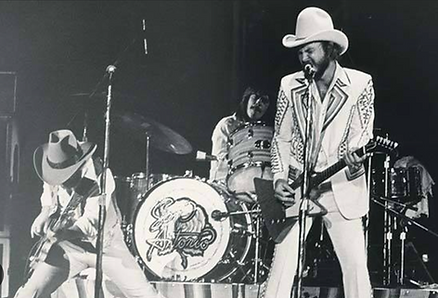
By the late 1970s, ZZ Top had already made a name for themselves as a hard-touring, blues-infused rock band with a distinct Texas swagger.
They followed up their breakthrough album Tres Hombres (1973) with a string of successful records:
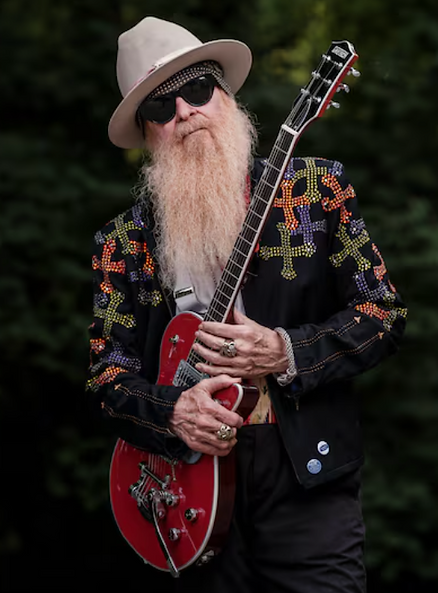
Though the band had built a dedicated fanbase, they were feeling the strain of constant touring. After releasing Degüello in 1979—featuring "Cheap Sunglasses" and their first cover, "I Thank You"—ZZ Top did something unexpected: they disappeared for nearly three years.
During their break, Gibbons and Hill both grew their now-famous chest-length beards (while ironically, their drummer, Frank Beard, remained mostly clean-shaven). More importantly, they returned with a fresh sound that would redefine their career.
1981 – El LocoThis album hinted at their upcoming shift, introducing new sonic textures. While it still had blues roots, songs like "Tube Snake Boogie" and "Pearl Necklace" incorporated a slicker, more modern production style.
Then came the game-changer.
ZZ Top fully embraced synthesizers, drum machines, and a new wave of sleek production without losing their blues-rock core.
Inspired by new wave acts like Depeche Mode and the electronic-driven sounds of the early '80s, Billy Gibbons experimented with technology while still delivering his signature bluesy guitar licks.
The result? A multi-platinum blockbuster.
These songs didn’t just become radio hits—they dominated MTV.
ZZ Top became as much a visual phenomenon as a musical one.
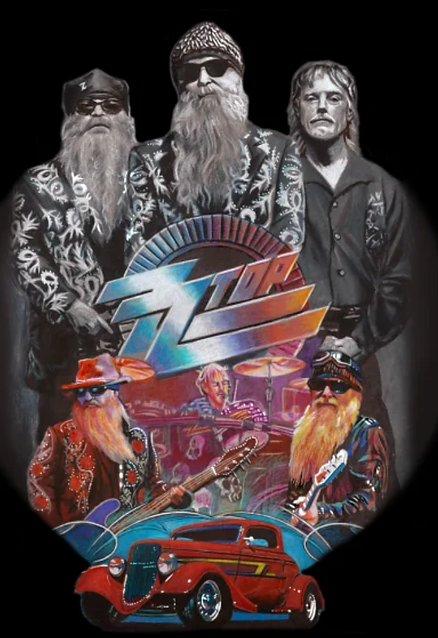
Their music videos—featuring hot rods (especially the red 1933 Ford coupe from the Eliminator album cover), beautiful women, and their effortless cool—were in heavy rotation. This catapulted them to rock superstardom.
Eliminator sold over 10 million copies in the U.S. alone, making ZZ Top one of the biggest bands of the decade.
Following up Eliminator, ZZ Top pushed their futuristic blues-rock even further. Afterburner leaned even more into synthesizers but still delivered massive hits:
This album solidified ZZ Top as a global rock juggernaut, taking their Texas-blues roots and blending them seamlessly with 1980s production.
ZZ Top had evolved from a Texas blues-rock trio into a pop culture powerhouse. They weren’t just rock stars; they were icons. Their beards, sunglasses, hot rods, and signature blues-meets-tech sound defined an era.

By the time the ‘90s rolled around, ZZ Top had already conquered the ‘80s with their mix of blues, synths, and MTV-fueled superstardom.
However, music was shifting—grunge and alternative rock were taking over, and the flashy, synthesized sounds of the previous decade were falling out of favor.
Rather than clinging to their ‘80s formula, ZZ Top pivoted back to their bluesy roots while keeping their arena-rock polish.
Recycler (1990) still had a bit of the electronic edge from Eliminator and Afterburner, but it leaned harder into blues. Songs like:
While the album wasn’t as massive as its predecessors, it marked the end of ZZ Top’s heavy reliance on synths and drum machines.
After being with Warner Bros. for nearly two decades, ZZ Top signed with RCA Records and released Antenna in 1994.
This album was a full return to gritty, guitar-driven blues-rock while still keeping their signature groove.
Key tracks:
Though it didn’t match their ‘80s commercial highs, Antenna went platinum, proving ZZ Top still had a dedicated fanbase.
ZZ Top stripped things back even further with Rhythmeen, an album soaked in raw blues tones and heavier riffs. It was their grungiest, most down-and-dirty record in years.
Their 30th-anniversary album, XXX, mixed studio tracks with live cuts, capturing the energy of their legendary concerts.
ZZ Top continued their blues-rock resurgence with Mescalero, blending their signature Texas boogie with Spanish influences and heavy, fuzzed-out guitars.
ZZ Top was officially recognized as one of rock’s all-time greats when they were inducted into the Rock & Roll Hall of Fame by Keith Richards of The Rolling Stones.
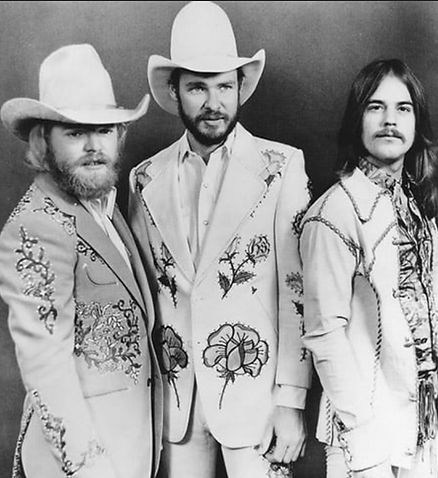
Even after half a century, ZZ Top is still touring and making music, carrying on their legacy as one of rock’s most iconic power trios. Their blend of Texas blues, humor, and unmatched cool has ensured they remain legends.
On July 28, 2021, Dusty Hill, the legendary bassist and co-vocalist of ZZ Top, passed away in his sleep at his home in Houston, Texas. He was 72 years old. The official cause of death was not publicly disclosed, but he had been struggling with hip problems and other health issues in his later years.
Just days before his passing, Dusty had been experiencing hip pain that forced him to take a break from ZZ Top’s tour.
On July 23, 2021, ZZ Top announced that Dusty was leaving the tour temporarily to recover, with their longtime guitar tech Elwood Francis filling in on bass. This was meant to be a short-term solution, but sadly, Dusty passed away before he could return.
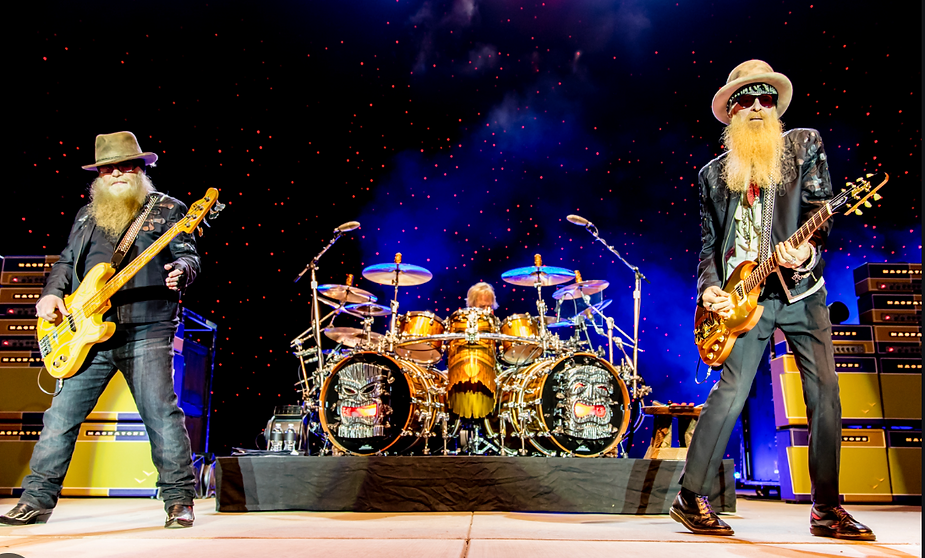
Despite his passing, ZZ Top did not disband—because that’s what Dusty wanted. According to Billy Gibbons, Dusty personally told him:
"The show must go on. Let Elwood play my parts. Don’t break up the band."
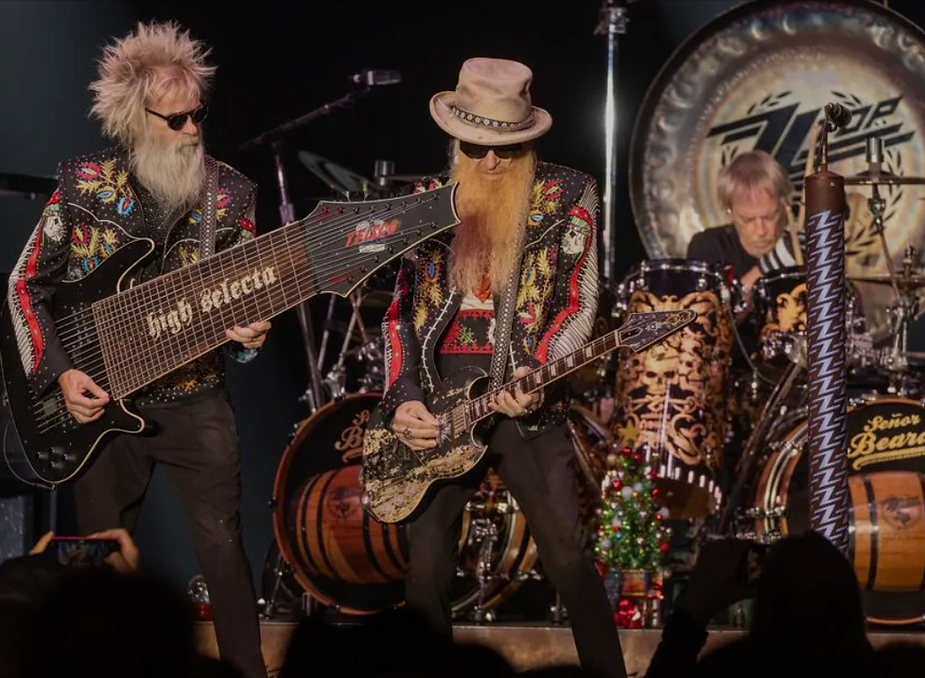
Dusty’s dedication to ZZ Top was so deep that he handpicked his replacement before he passed. Elwood Francis, who had worked with the band for over two decades as a guitar tech, officially stepped in as ZZ Top’s new bassist.
Elwood quickly proved to be a natural fit, bringing his own energy to the band while respecting Dusty’s legacy. The band continued their tour just two days after Dusty’s death, honoring his wishes.
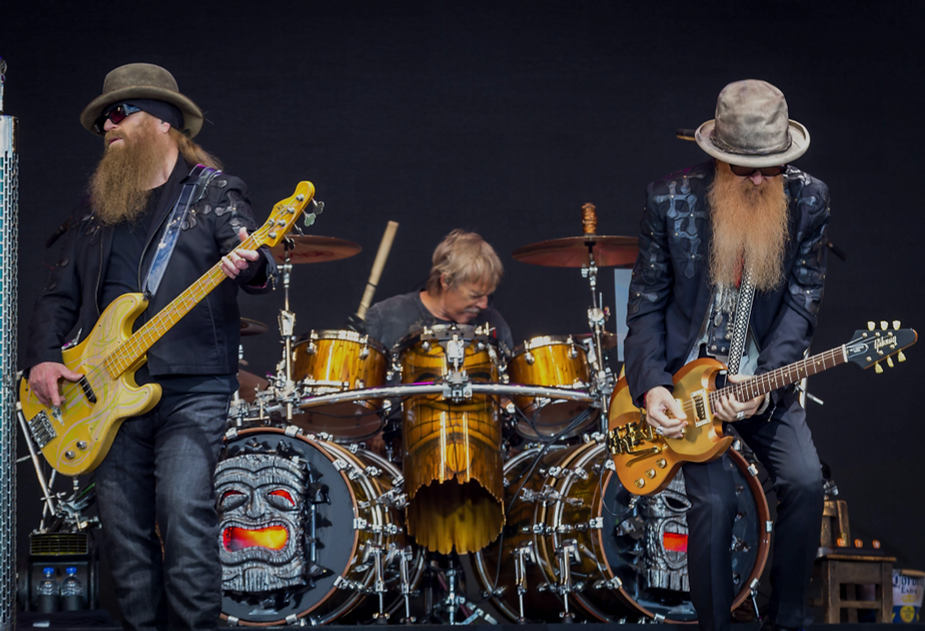
One notable thing about Elwood’s presence? His giant, 17-string bass. While it started as a joke, it became an unexpected part of ZZ Top’s new era.
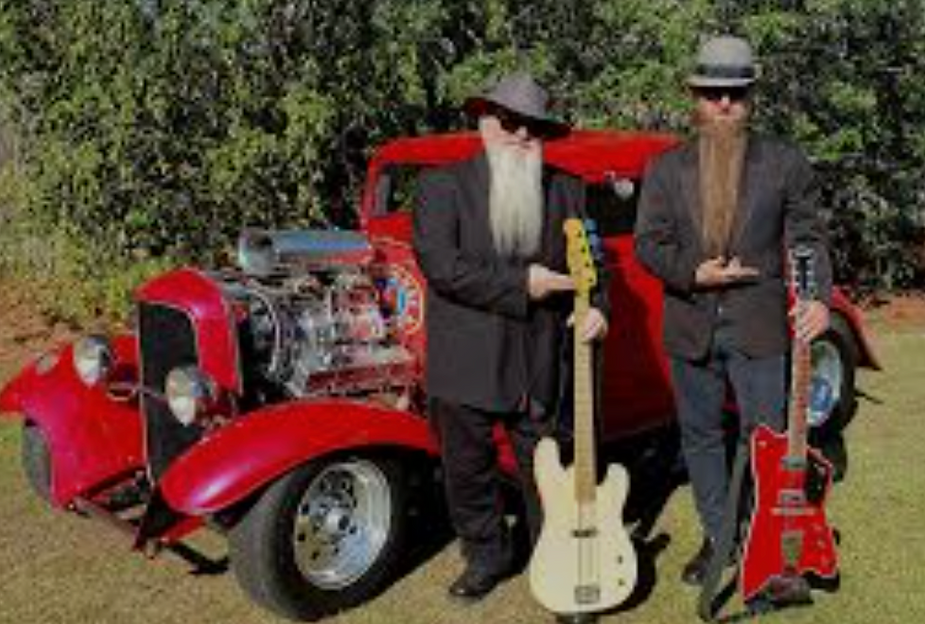
While Billy Gibbons was the face and guitar hero of ZZ Top, Dusty Hill’s bass playing and harmonized vocals were a key part of their swampy, bluesy, locked-in groove. He had a simple but powerful "less is more" approach, holding down the rhythm with Frank Beard to create the band’s signature tight-but-loose feel.
Though Gibbons sang lead on most songs, Dusty’s rougher, high-energy voice was featured on some of ZZ Top’s biggest hits:
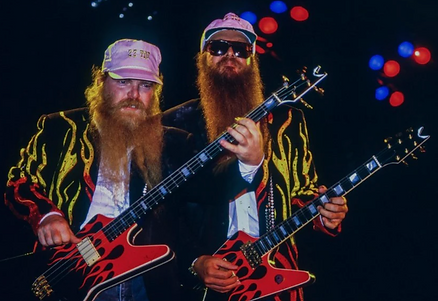
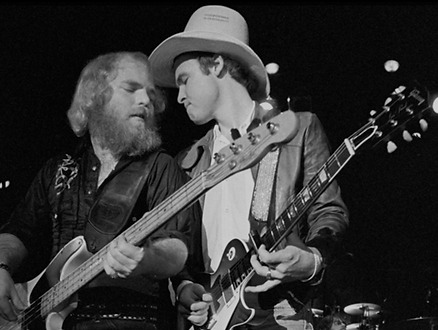
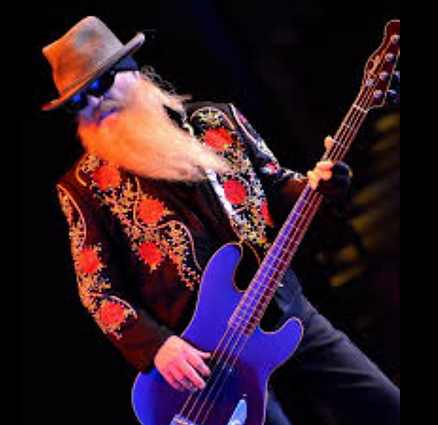
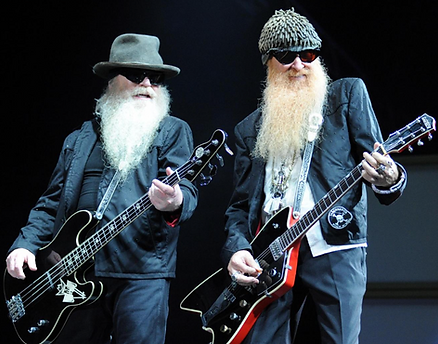
Dusty Hill helped cement ZZ Top’s timeless, instantly recognizable look—the long beards, dark sunglasses, and sharp suits that made them one of the most visually iconic bands in rock history.
Unlike many rock legends, Dusty never sought the spotlight. He preferred a low-key life, often doing normal things like grocery shopping by himself in Texas, where he was just another local guy.
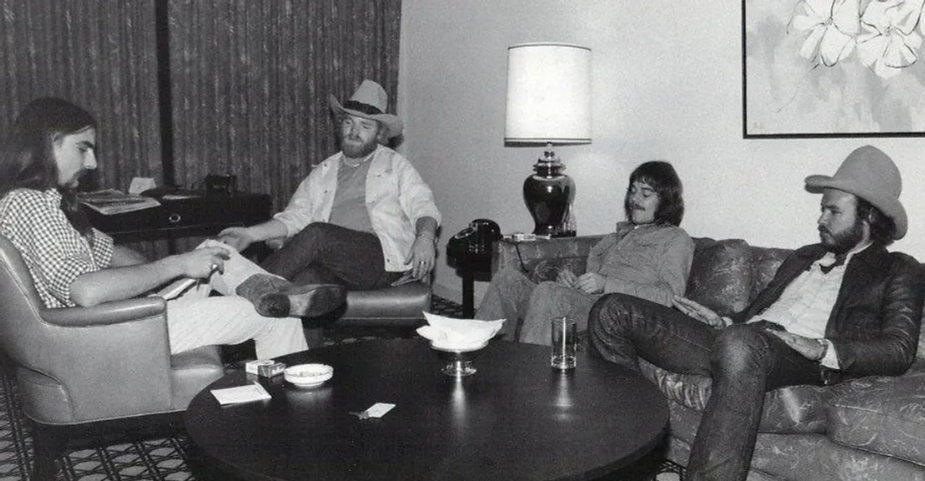
The band continues to tour and even released a new album, Raw (2022), featuring some of Dusty’s final recordings.
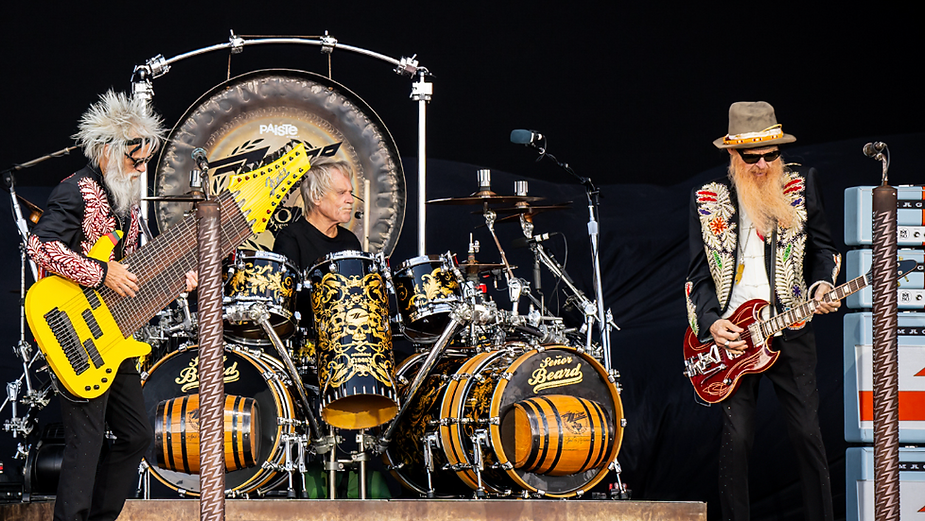
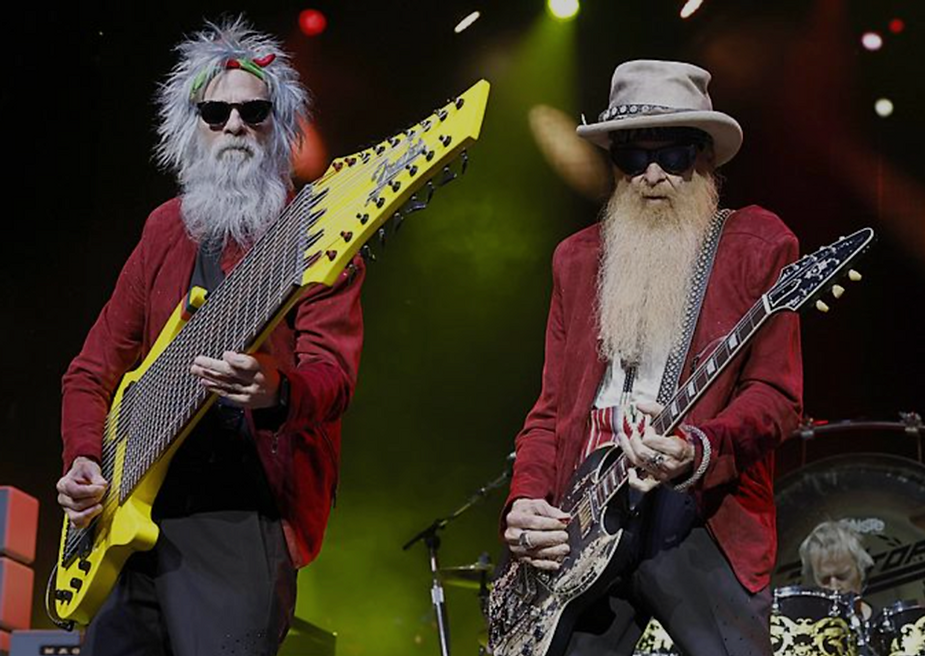
Dusty Hill was more than just ZZ Top’s bassist—he was an essential part of their soul, humor, and rhythm. Though he’s gone, his legacy lives on in the boogie, blues, and badassery of ZZ Top’s music.
ZZ Top didn’t just play music—they became a cultural phenomenon, influencing generations of musicians, filmmakers, and even fashion. Their unique blend of Texas blues, rock, and humor made them stand out, while their MTV-era reinvention helped bridge classic blues-based rock with the pop and digital age.
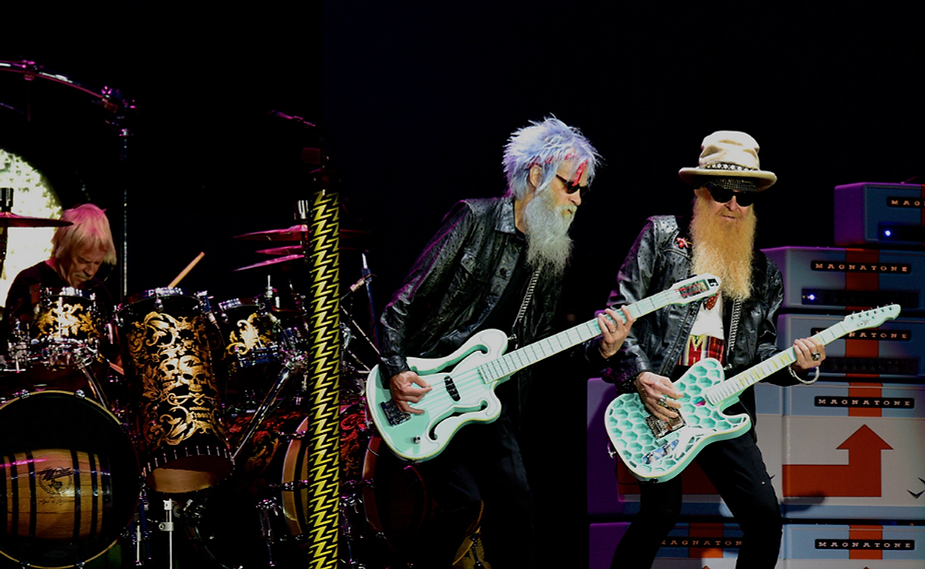
ZZ Top’s biggest contribution was how they modernized blues without losing its raw essence.
ZZ Top wasn’t the first blues-rock band, but they were one of the first to master MTV.
ZZ Top had one of the most recognizable images in rock history—long beards, sunglasses, and tailored suits.
They mastered branding before branding was a thing in rock music.
ZZ Top’s mix of blues, rock, humor, and visual style influenced countless bands across multiple genres:
ZZ Top didn’t just invent their sound—they were part of a long tradition of Texas blues and American blues music.
ZZ Top’s early music was heavily inspired by Mississippi Delta blues legends like:
Texas has always had its own blues identity, and ZZ Top was shaped by legends like:
ZZ Top mixed blues, rock, and boogie into something uniquely Texan. They weren’t just about 12-bar blues; they added:
ZZ Top did what many blues-rock artists failed to do—they kept blues relevant for younger generations. While many blues-based rock acts faded in the late ‘70s, ZZ Top evolved and made sure blues stayed on the charts and in pop culture.
ZZ Top’s legacy is twofold:
They helped bring Texas blues to the mainstream and kept it alive through the decades.
They weren’t just musicians—they were pop culture icons, bridging blues, rock, and the digital age with their unique blend of humor, coolness, and Texas grit.
Their music still rocks arenas, soundtracks movies, and influences musicians today. With their beards, cars, and badassery, ZZ Top will forever be one of America’s greatest rock & blues bands.
ZZ Top wasn’t just a rock band—they became a cultural institution, influencing music, fashion, film, and even advertising in ways that no other band quite has. They blended Texas blues, humor, storytelling, and rock swagger into something completely unique. Their ability to evolve, stay relevant, and still be unmistakably “ZZ Top” is a feat that no one has duplicated.
ZZ Top mastered music videos at a time when most blues-rock bands were fading into obscurity. Their videos were more than just performances—they were mini-movies, full of humor, style, and a sense of mystery.
These videos defined the early days of MTV, helping turn the music channel into a pop culture powerhouse. Bands like Van Halen, Aerosmith, and Bon Jovi followed their lead in using high-production-value videos to create an iconic brand.
ZZ Top’s image is as legendary as their music. The long beards, sunglasses, tailored suits, and hot rods made them one of the most recognizable bands in the world.
Few bands have had a look so instantly recognizable—The Rolling Stones have their lips logo, but ZZ Top had the beards, the shades, and the swagger.
ZZ Top wasn’t just a music act; they became a Hollywood staple, appearing in films, TV shows, and commercials.
ZZ Top wasn’t just a band—they became characters woven into pop culture, making them more than just rock stars.
ZZ Top’s music, image, and attitude influenced a wide range of artists across multiple genres.
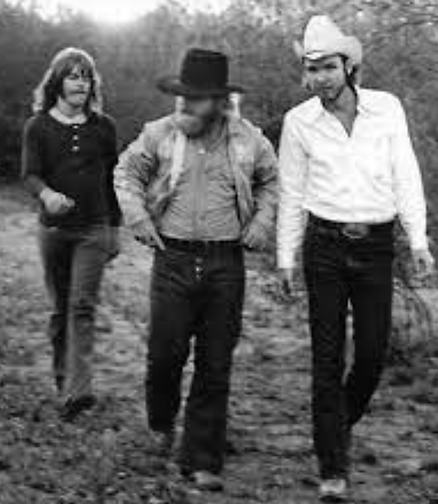
ZZ Top’s songs have been used in countless commercials, sports events, and ads, making them one of the most recognizable sounds in advertising history.
ZZ Top’s unique mix of blues, rock, humor, and pop culture awareness is something no other band has been able to fully replicate.
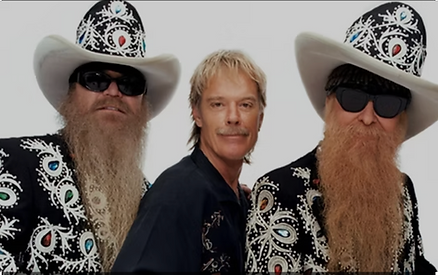
Even after over 50 years, their music, image, and humor remain timeless. While bands will always try to mix blues, rock, and attitude, no one will ever be able to duplicate the magic of ZZ Top.
ZZ Top wasn’t just a legendary band—they were pop culture icons who transcended music and became part of movies, TV, fashion, sports, and advertising.
Their cool factor, humor, and unmistakable look made them one of the most recognizable bands in history.
ZZ Top’s rise in the 1980s MTV era was one of the most unexpected and brilliant reinventions in rock history.
They made blues-rock cool for the video generation, crafting cinematic, stylish, and humorous videos that captured the imagination of millions.
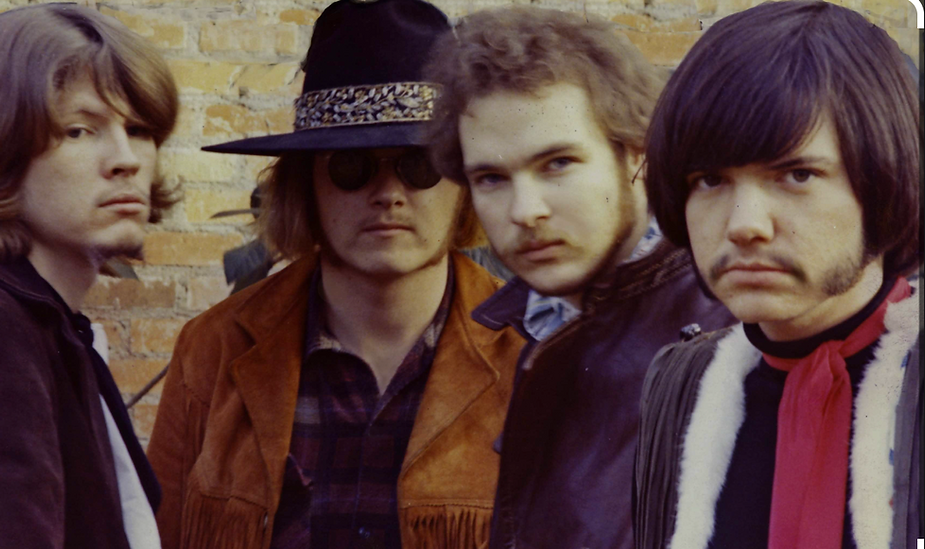
👉 These videos didn’t just promote their music—they became iconic, with ZZ Top setting a new standard for rock music videos.
ZZ Top made a legendary cameo in Back to the Future Part III, playing an Old West version of themselves.

👉 It’s one of the coolest and most unexpected rock star cameos in movie history.
ZZ Top made a cameo in The Simpsons episode Sunday Cruddy Sunday (Season 10).
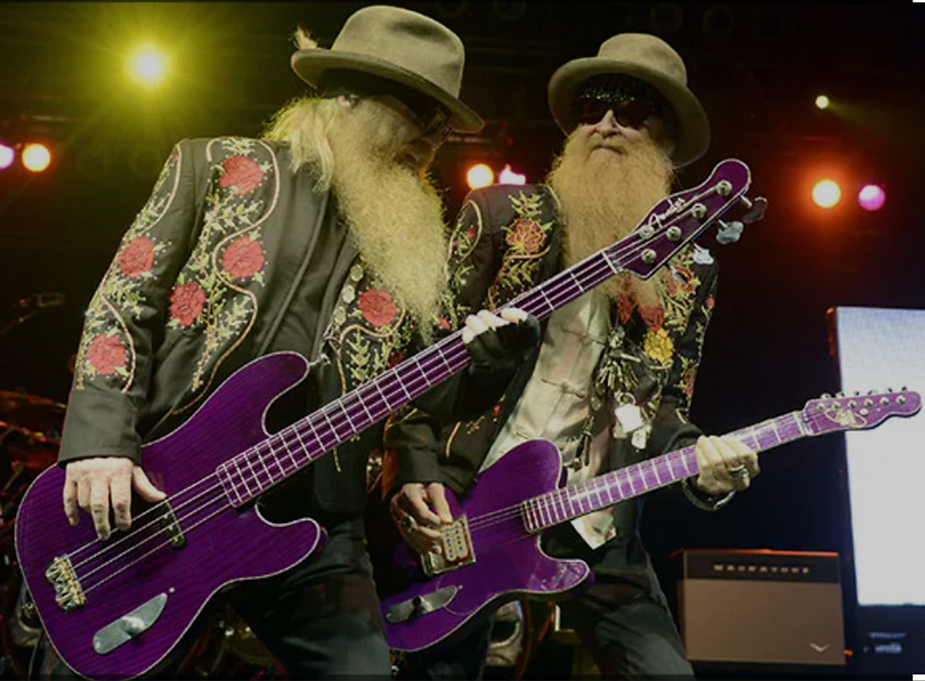
👉 Few bands have an animated version of themselves in such a legendary series.
Billy Gibbons was featured in multiple episodes of King of the Hill as Hank Hill’s cousin Dusty Hill (named after ZZ Top’s bassist).
👉 It was the perfect match—ZZ Top and Texas humor in an animated classic.
Billy Gibbons had a recurring role in the crime drama Bones as a fictional version of himself—playing the father of Angela Montenegro.
👉 This was one of the rare cases where a rock star played himself but became a fan-favorite character in a long-running show.
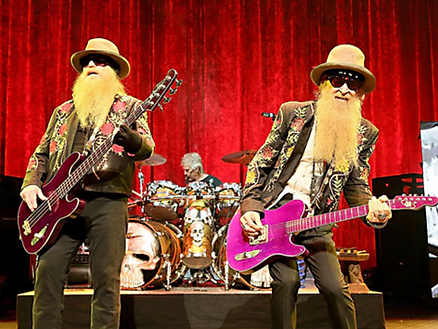
ZZ Top’s music was everywhere in sports, commercials, and entertainment.
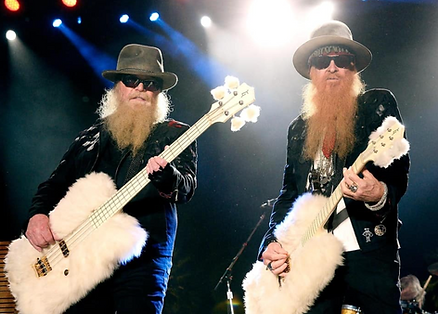
👉 ZZ Top wasn’t just a rock band—they were part of America’s DNA.
Dusty Hill’s passing in July 2021 was a heartbreaking moment for fans and the band itself. He wasn’t just the bassist—he was one-third of a perfect chemistry that lasted over 50 years.
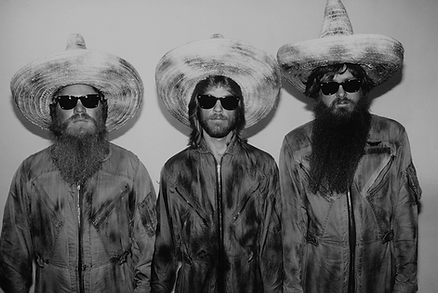
Yes—but the ZZ Top magic remains because:
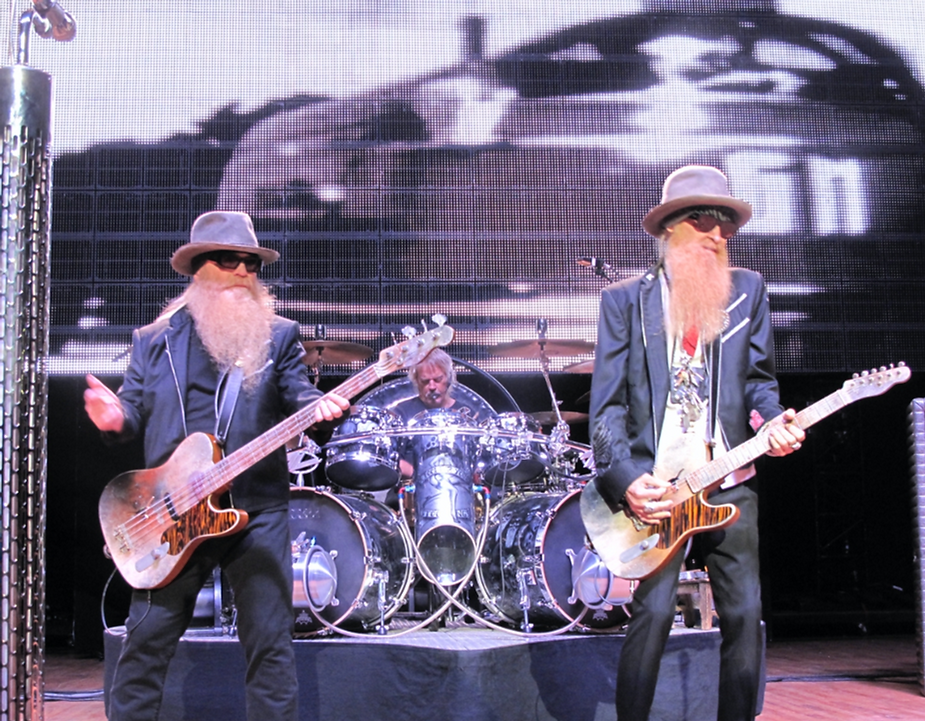
👉 No one will ever replace Dusty, but the bearded legacy continues in a way he would have wanted.
ZZ Top’s impact goes beyond music. They became a brand, a cultural institution, and a symbol of timeless cool.

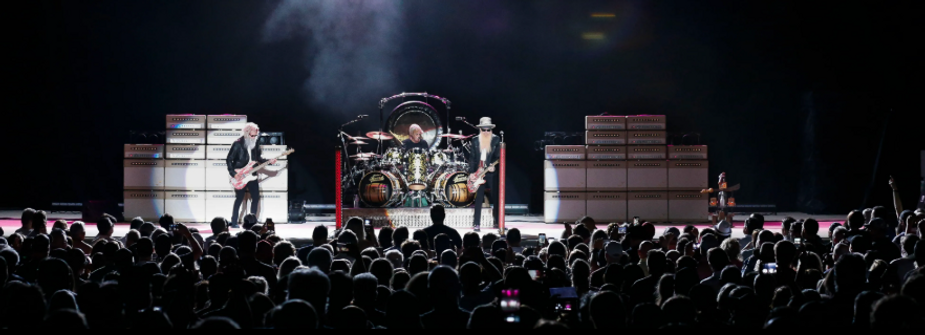
👉 ZZ Top isn’t just a band—they are an American legend.
-fotor-bg-remover-20251210165637.webp)


