-fotor-bg-remover-20251211141935.webp)
-fotor-bg-remover-20251211143525.webp)
In the heart of Memphis, Tennessee, where gospel, blues, and country music blended into something entirely new, a small, unassuming record label

would go on to define Southern soul music and rival even the mighty Motown. This was Stax Records, a company born out of passion, grit, and an unshakable love for raw, unfiltered soul music.
But before the label became legendary, it was just a dream shared by two unlikely partners—a country music-loving white banker and his classically trained musician sister—who had no idea they were about to change music history forever.
The story of Stax begins in 1957, when Jim Stewart, a country fiddle player and banker, started a small recording venture called Satellite Records in his wife’s uncle’s garage in Memphis. At first, the label focused on country and rockabilly, but Stewart soon realized that the real energy of Memphis wasn’t in country—it was in soul and R&B.
In 1959, Jim’s sister, Estelle Axton, joined the business, helping finance it by mortgaging her home. Together, they purchased a small movie theater at 926 E. McLemore Avenue, converting it into a recording studio. The former theater’s sloped floor created an odd acoustic environment that, by chance, gave their recordings a distinctive rich, deep, and raw sound.
But there was a problem. Another label was already using the name "Satellite," so in 1961, they rebranded as Stax Records, combining the first two letters of their last names: Stewart and Axton.
With a new name and a unique sound, Stax was ready to make history.
Every great label needs great artists. While Stax would go on to discover and define some of the biggest names in soul music, three key artists laid the foundation and put Stax on the map in the early years.
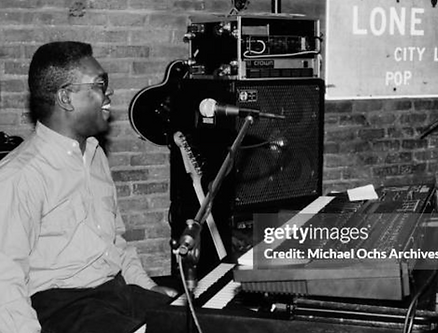
In 1960, Stax’s first major signing was Rufus Thomas, a Memphis radio DJ and blues singer, and his daughter, Carla Thomas.
Carla Thomas would go on to become the "Queen of Memphis Soul," and Rufus, with his deep-rooted showmanship and humor, became a guiding figure in shaping Stax’s identity.
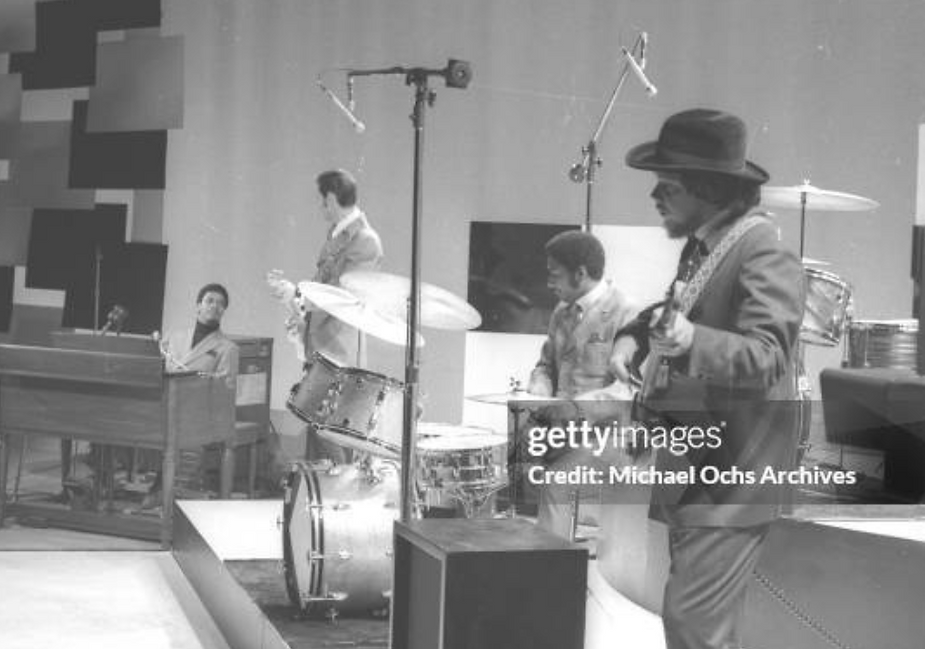
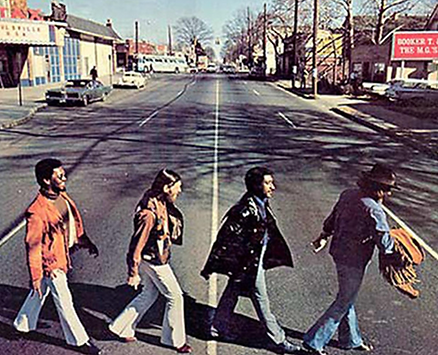
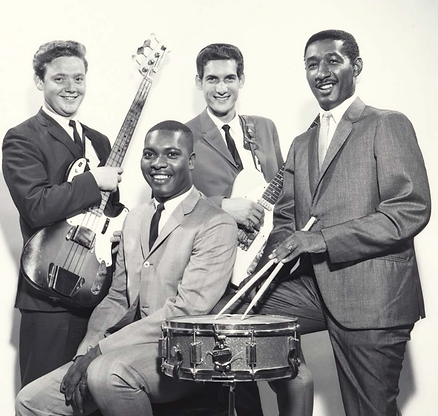
Stax wasn’t just about great singers—it was about a sound, and that sound wouldn’t have existed without Booker T. & The M.G.'s.
Beyond their own hits, Booker T. & The M.G.’s became the backbone of Stax, shaping the label’s distinctive raw, funky, and deeply Southern soul sound.
No artist would come to embody Stax more than Otis Redding. His arrival in 1962 was almost accidental—he was just a driver for guitarist Johnny Jenkins, who had a recording session at Stax. When Jenkins struggled in the studio, Otis was given a last-minute chance to record a song.
Otis Redding wasn’t just a singer—he was a force of nature. And thanks to him, Stax Records went from being a regional label to a global phenomenon.
With Carla Thomas, Booker T. & The M.G.’s, and Otis Redding leading the way, Stax Records cemented itself as a powerhouse of soul music.
The label’s artists weren’t just making records—they were creating a movement, blending gospel roots, blues grit, and pure emotion into something entirely new.
As the 1960s progressed, Stax continued to grow, signing legendary artists like Sam & Dave, Isaac Hayes, The Staple Singers, and Wilson Pickett, expanding their influence, and rivaling Motown’s polished pop soul with their gritty, deeply Southern sound.
But it all started with a dream, a garage, and three trailblazing acts that proved Memphis wasn’t just a city of blues—it was the home of soul.
By 1963, Stax Records had firmly planted its roots in Memphis, Tennessee, and was quickly becoming one of the most influential record labels in American music. What had started as a small family-run label was now rivaling Motown, creating a raw, deeply emotional sound that embodied the Southern soul movement.
But Stax wasn’t just a record label—it was a cultural force. It gave voice to the Black experience in America, became a beacon of creativity during the Civil Rights Movement, and built a musical empire that would shape the future of R&B, funk, and even hip-hop.
This is the story of Stax’s golden years, from its meteoric rise in the 1960s to its struggles and reinvention in the 1970s.
At first, Stax was a small, independent label with limited national distribution. In 1961, to expand its reach, Stax struck a deal with Atlantic Records, which agreed to distribute Stax releases in exchange for rights to the master recordings. It seemed like a good deal at the time, but it would later become one of the biggest mistakes in Stax history.
By 1964, Stax’s biggest artist was without a doubt Otis Redding. His gritty yet tender voice, combined with the raw energy of Stax’s house band, Booker T. & The M.G.’s, defined the Stax sound.
His death was a devastating blow to Stax, but his music immortalized the label and gave it a global audience.
As Otis Redding rose to superstardom, Stax continued signing new talent, shaping the raw, horn-driven, church-infused soul music that set them apart from Motown’s slicker, pop-oriented sound.
One of Stax’s most successful acts was Sam & Dave, whose high-energy, gospel-infused duets became defining records of the 1960s.

Behind the scenes, Isaac Hayes had been writing and producing some of Stax’s biggest hits (including many for Sam & Dave). But by 1969, he stepped out as a solo artist with his breakthrough album "Hot Buttered Soul."
Everything seemed to be going right for Stax—until 1968, when the label faced its biggest crisis yet.
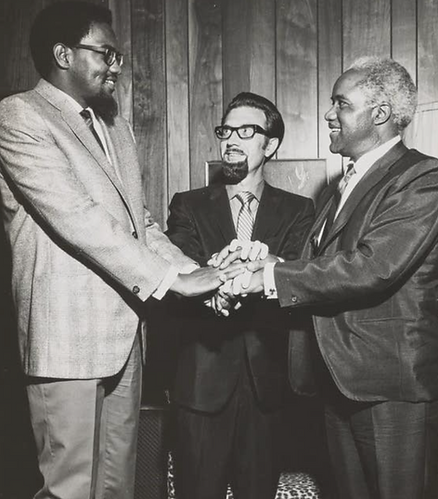
When Stax’s distribution deal with Atlantic Records ended in 1968, co-founder Jim Stewart expected to regain full control of the label. But there was a horrible clause in the contract that he hadn’t fully realized: Atlantic owned the rights to all Stax master recordings up until 1968.
To make matters worse, in April 1968, Martin Luther King Jr. was assassinated in Memphis, just blocks from Stax. The city was in turmoil, and Stax, which had always been a symbol of Black excellence and racial unity, found itself struggling to survive.
Despite the setbacks, Stax refused to die. Under new leadership from Al Bell, the label launched a bold new campaign in 1969: "We’re rebuilding Stax, one record at a time."
One of the biggest successes of this era was The Staple Singers, a gospel-soul group led by Roebuck "Pops" Staples and featuring Mavis Staples, whose powerful, deep vocals defined the 1970s soul revolution.

In 1972, Stax organized Wattstax, a historic concert in Los Angeles, often called "the Black Woodstock."
Despite its resurgence, financial troubles began creeping in by the mid-1970s. Stax expanded too quickly, and Al Bell took on too much debt. The label was struggling to pay its artists, and by 1975, Stax was collapsing under financial pressure.
In 1976, Stax officially went bankrupt, marking the end of an era.
Though Stax closed its doors in the 1970s, its music never died.
It gave the world Otis Redding, Isaac Hayes, Booker T. & The M.G.’s, Sam & Dave, The Staple Singers, and countless other artists who changed music forever.
Stax Records was more than just a record label—it was a cultural movement, a beacon of Black excellence, and a sonic revolution that forever altered the landscape of music.

The label’s impact transcended generations, influencing not only the soul and R&B of its time but also shaping the rise of funk, hip-hop, neo-soul, and modern-day music production.
Here’s how Stax’s legacy continues to live on:
The raw, unfiltered, deeply emotional sound of Stax was built on live instrumentation, tight rhythm sections, punchy horn arrangements, and gritty, heartfelt vocals. Unlike Motown’s polished, radio-friendly pop-soul, Stax music felt alive, urgent, and deeply connected to gospel and blues traditions.
🎶 Who It Inspired:

Stax’s house musicians, particularly Booker T. & The M.G.'s and The Bar-Kays, laid the groundwork for the funk explosion of the 1970s. Isaac Hayes and The Bar-Kays' heavy bass grooves, wah-wah guitars, and syncopated rhythms became the blueprint for funk, later shaping hip-hop’s DNA.
🎤 Hip-Hop and Sampling:Hip-hop owes much of its production style to Stax Records. Many of its iconic tracks have been sampled across decades:
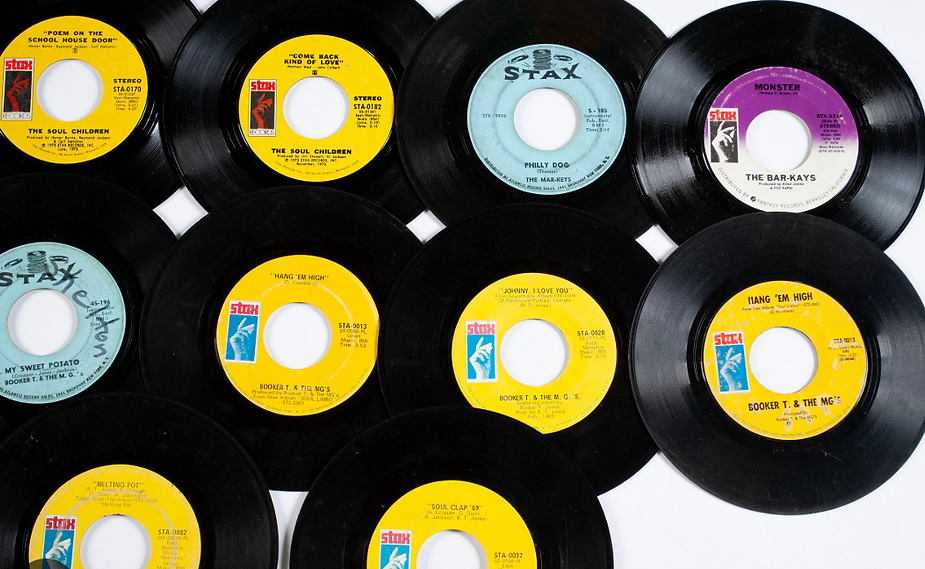
🔥 Who Stax Helped Inspire in Hip-Hop & Funk:

During the Civil Rights Movement, Stax was more than a music label—it was a voice for Black America. It was one of the few integrated studios in the South, with white and Black musicians working side by side in a time of segregation.

🏛 Cultural Impact:
📢 Who Stax Inspired in Activism & Music:
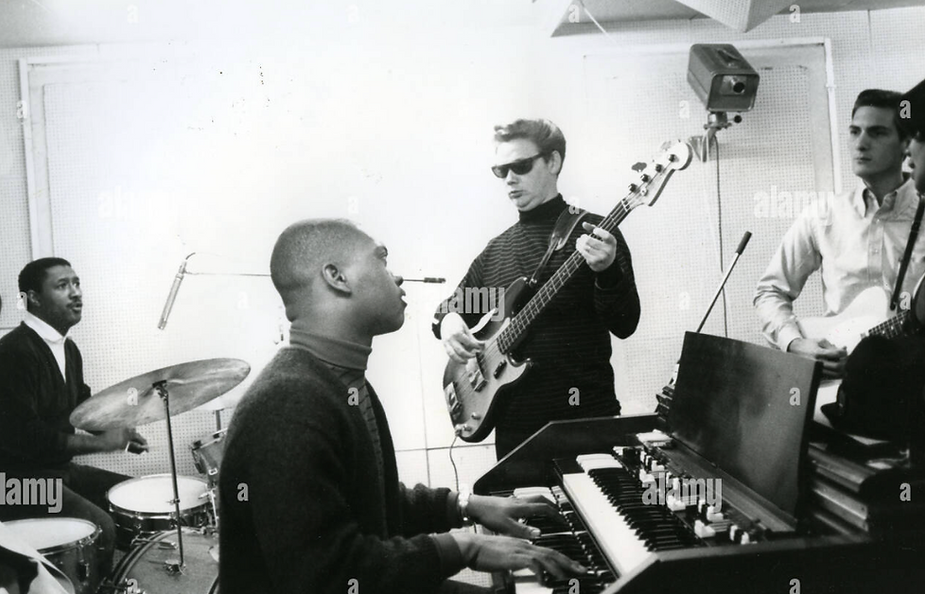
Stax proved that a Black-owned, independent label could rival major corporations like Motown and Atlantic Records. This set a blueprint for future indie labels:
🏆 Labels That Followed Stax’s Blueprint:
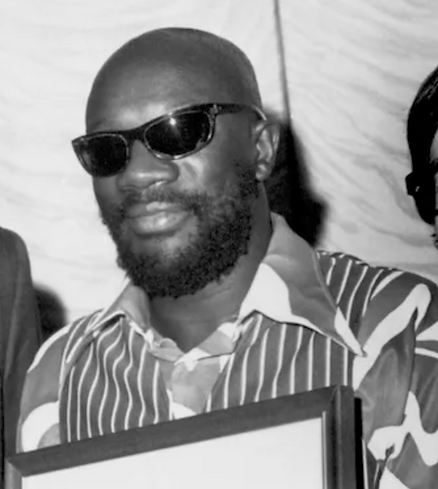
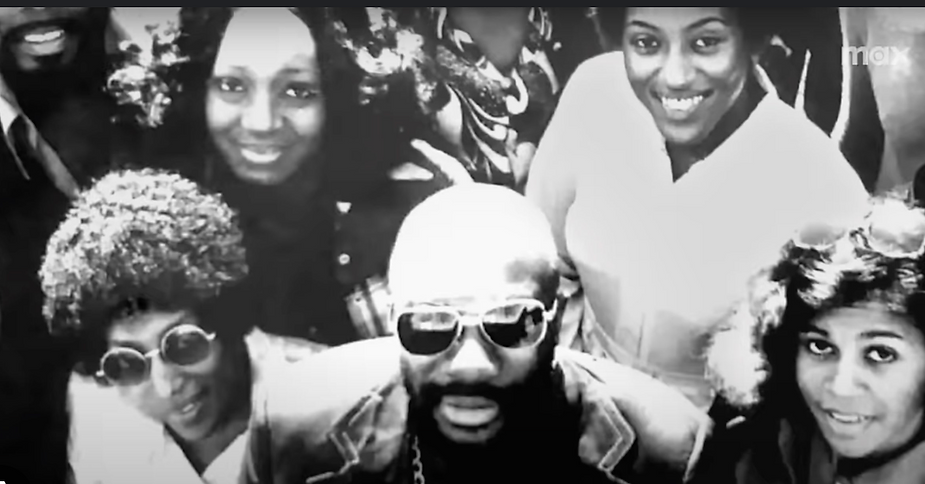
Though Stax collapsed in 1975, its influence never faded. In 2003, Stax was revived as a label under Concord Music Group, bringing back the soulful legacy with new artists.
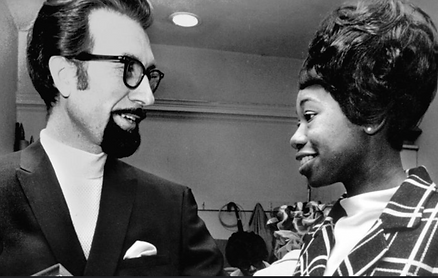
🎤 Modern Artists Who Work with the Stax Legacy:


Stax wasn’t just about music—it was about freedom, creativity, and breaking barriers. It empowered Black musicians, revolutionized sound, and laid the foundation for hip-hop, funk, and neo-soul.
Even though the original Stax shut down, its legacy lives in every hip-hop beat that samples its records, every soul singer who belts from the heart, and every independent artist who refuses to compromise their vision.
-fotor-bg-remover-20251210165637.webp)


