-fotor-bg-remover-20251211141935.webp)
-fotor-bg-remover-20251211143525.webp)
Sam Cooke, often called the "King of Soul," was born on January 22, 1931, in Clarksdale, Mississippi.
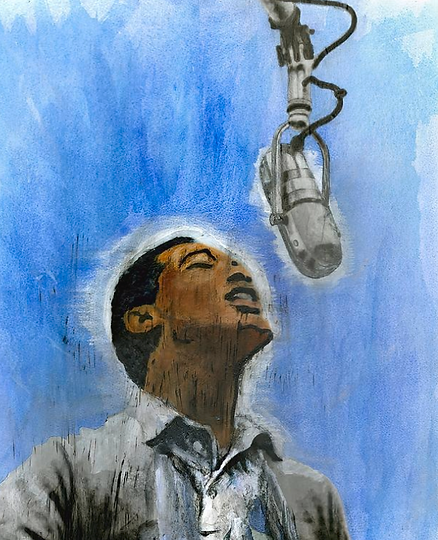
He was the fifth of eight children in a deeply religious family. His father, the Rev. Charles Cook, was a Baptist minister, and his mother, Annie Mae, nurtured their children with love and faith. From a young age, Sam’s life revolved around church, music, and community—a foundation that would shape his destiny.
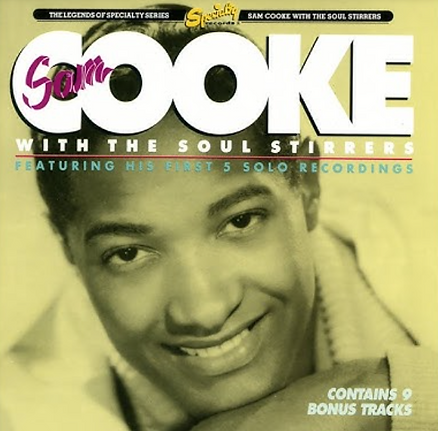
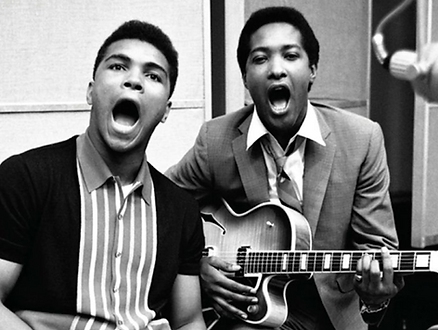
His musical journey began in church, where he sang in the family gospel group, The Singing Children, alongside his siblings. His voice stood out even then—smooth, powerful, and filled with emotion.
As a teenager, Sam joined a rising gospel group called The Highway QCs, following in the footsteps of his idol, R.H. Harris of the Soul Stirrers.
Sam quickly became the lead singer, bringing a fresh, youthful energy to the group. His smooth delivery and emotional depth made people stop and listen.
During this time, he was influenced by:
By the early 1950s, Sam Cooke was already a star in the gospel world—but his journey was just beginning.
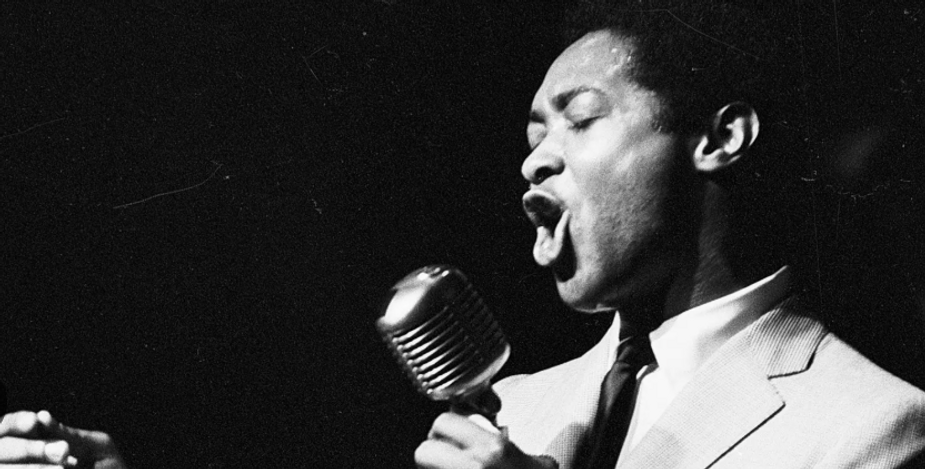
By the early 1950s, Sam Cooke was already a gospel sensation, but he had bigger dreams. He wanted to bring the emotion and passion of gospel music into mainstream pop and R&B.
This was a bold move—many in the gospel community saw crossing over into secular music as controversial. But Sam believed in his vision and took a risk that would change music forever.
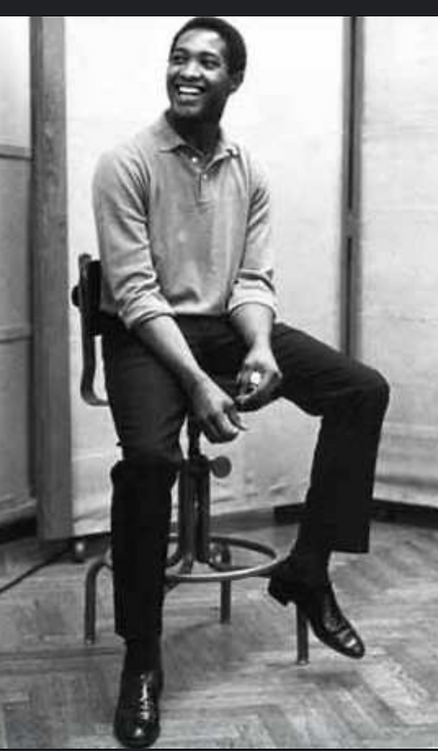
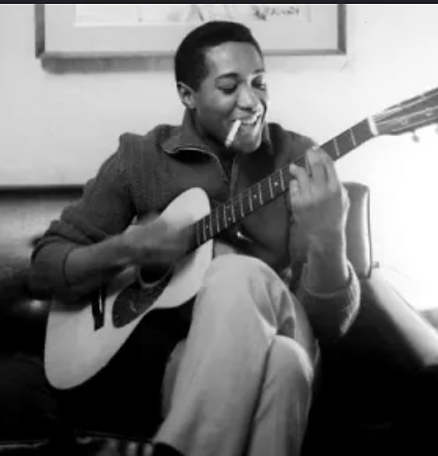
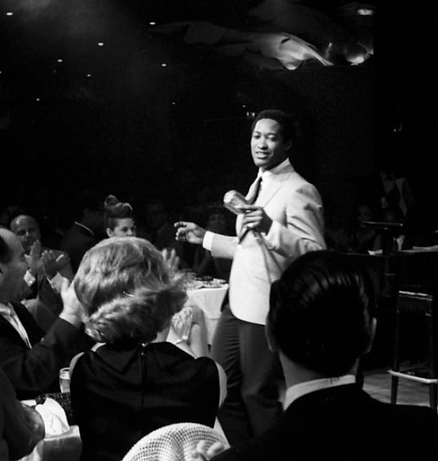
But Sam knew he wanted more. He wanted to sing about love, life, and everyday struggles, not just religious themes.
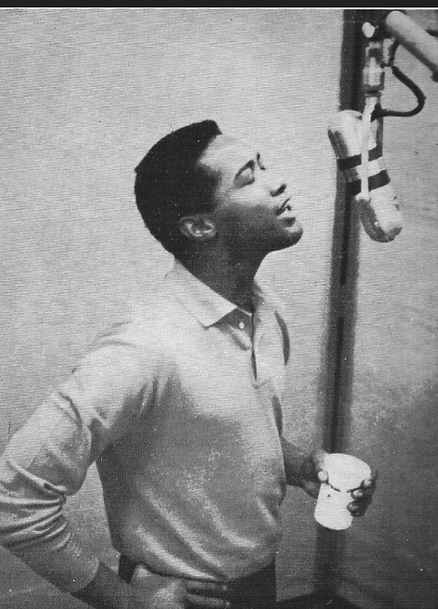
Then came his big break.
In 1957, he met Bumps Blackwell, a producer who had worked with Little Richard. Blackwell saw Sam’s potential and helped him craft a sound that blended gospel, pop, and R&B—a brand-new genre that would later be called soul music.
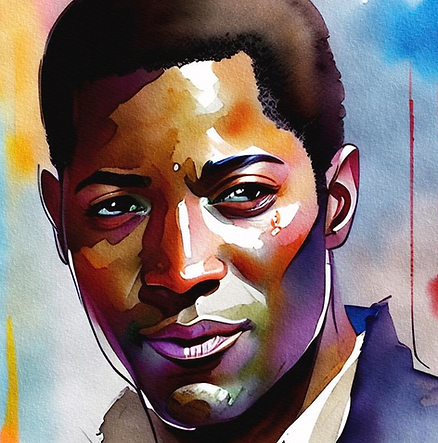
With this hit, Sam officially transitioned from gospel to mainstream success—but he was just getting started.
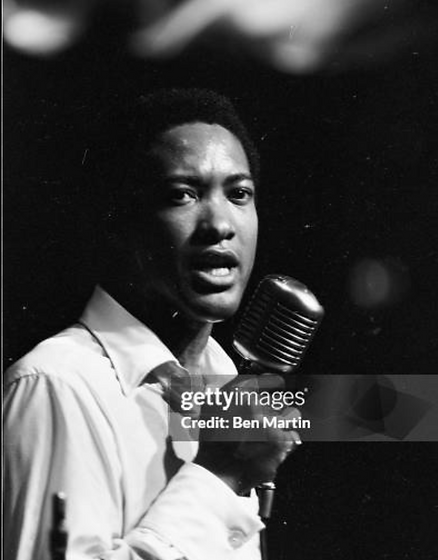
After "You Send Me", Sam kept the momentum going, writing and recording hit after hit, including:
🔥 "Only Sixteen" (1959) – A tender song about young love, reaching the Top 40.
🔥 "Wonderful World" (1960) – A feel-good anthem with the famous lyric "Don’t know much about history..."
🔥 "Chain Gang" (1960) – Inspired by witnessing a real prison chain gang, the song hit #2 on the charts.
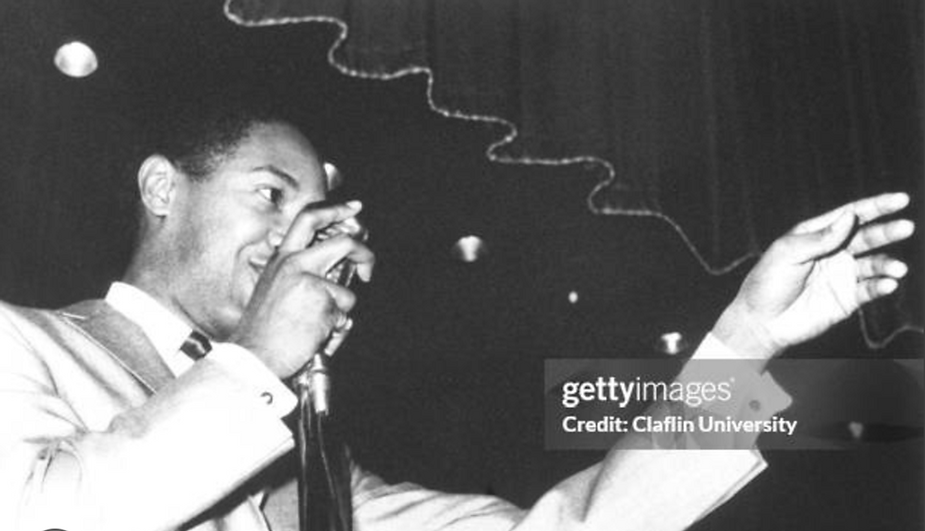
🔥 "Cupid" (1961) – A timeless love song that remains a classic.
🔥 "Twistin’ the Night Away" (1962) – A dance hit that captured the energy of the early ‘60s.
🔥 "Bring It on Home to Me" (1962) – One of the most influential soul ballads ever recorded.
🔥 "Another Saturday Night" (1963) – A fun, upbeat song about weekend loneliness.
Unlike many R&B singers of the time, Sam Cooke had:✔ Complete control over his music – He wrote and produced most of his hits.
✔ A unique sound – He blended gospel’s emotional depth with pop’s catchy melodies, creating what we now call soul music.
✔ A business mindset – He didn’t just make music; he understood the industry and took charge of his own career.
Sam Cooke’s rise to fame was nothing short of meteoric, but his story wasn’t just about making music—it was also about using his platform for change and fighting for artist rights.
By the early 1960s, Sam Cooke had solidified his status as one of the most influential musicians in history, but his path would soon take him in new and unexpected directions.
In addition to his musical success, Sam became increasingly involved in the civil rights movement.
As a successful Black artist, he understood the power of his platform. The era was charged with racial tensions—the 1960s civil rights struggles were at the forefront of American politics.
Sam’s involvement in the movement wasn’t just limited to words. In 1963, he was part of a benefit concert for the NAACP, raising funds for the cause. More importantly, his music began to take on a more socially conscious tone, including his anthemic song, “A Change Is Gonna Come”.
Despite this, Sam Cooke’s growing influence was met with opposition from some in the music industry.
He had become a business mogul—starting his own record label, SAR Records, in 1961, and producing artists like The Valentinos (which included his brother, Bobby Womack).
In doing so, he became a strong advocate for artist rights, something that was rarely seen in a time when record labels often took advantage of Black artists.
Tragically, Sam Cooke’s life was cut short at the age of 33.
On December 11, 1964, he was shot and killed by Bertha Franklin, the manager of a Los Angeles motel.
The official story was that Sam had tried to break into a room after an altercation with a woman named Hilda Barnes, whom he had been spending time with.
Franklin claimed self-defense, but the circumstances surrounding Cooke’s death have remained a topic of controversy.
Many believe that his death may have been connected to deeper issues related to his business dealings or the racial tensions he was confronting.
His untimely death stunned the music world and the civil rights community. But Sam Cooke’s impact was too profound to be extinguished by his passing.
Though his life was cut short, Sam Cooke’s musical legacy and his influence on soul music remain unrivaled.
His blend of gospel, pop, and R&B gave birth to a new genre—soul music—that would inspire generations of artists, including Marvin Gaye, Otis Redding, Al Green, Aretha Franklin, and even modern-day stars like Alicia Keys and John Legend.
Sam was also one of the first Black artists to truly take control of his music, from his recordings to his distribution and rights, paving the way for future Black artists to follow in his footsteps.
His mix of spirituality, romanticism, and social awareness set the blueprint for soul music.
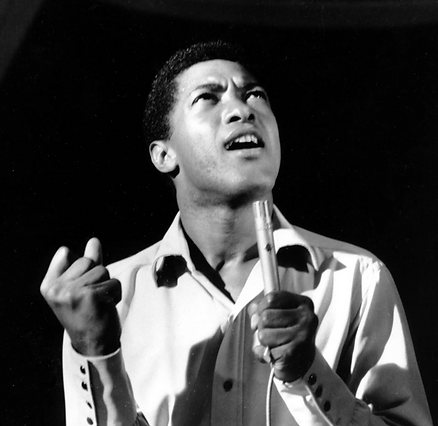
Beyond his own hits, Sam Cooke's business acumen and commitment to Black empowerment in the music industry changed the trajectory for future Black artists.
Though Sam Cooke's life ended too soon, his words and music still resonate:
💡 “Don’t know much about history, don’t know much biology…” – Wonderful World
💡 “A change is gonna come. Oh, yes it will.” – A Change Is Gonna Come
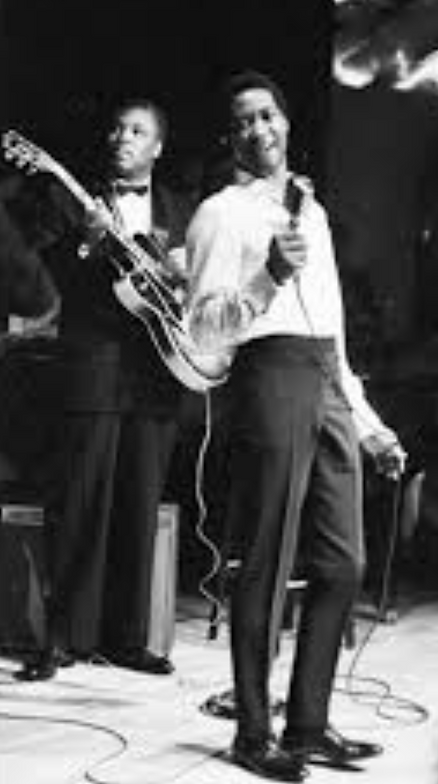
💡 “I was born by the river in a little tent, and just like that river, I’ve been running ever since.” – A Change Is Gonna Come
💡 “I believe that the world is here for the taking, and that my whole purpose is to help people along.”
Sam Cooke’s impact continues to be felt in the music industry, in activism, and in the hearts of those who heard his voice.
His legacy, both musically and socially, remains a beacon for artists and activists alike, inspiring change, love, and the pursuit of justice.
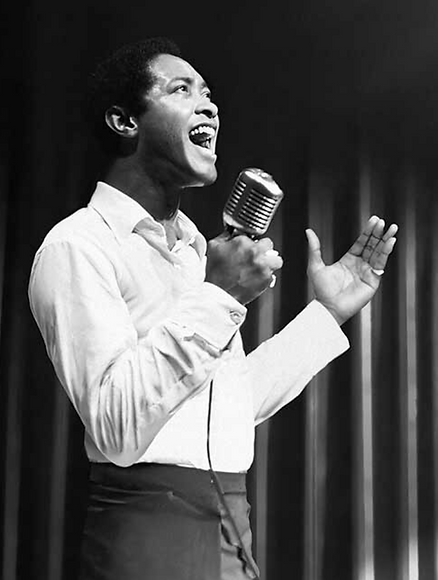
Sam Cooke’s influence on music, culture, and social change is nothing short of monumental. His voice, his vision, and his efforts to change the music industry for Black artists have cemented his place as one of the most important figures in 20th-century music.
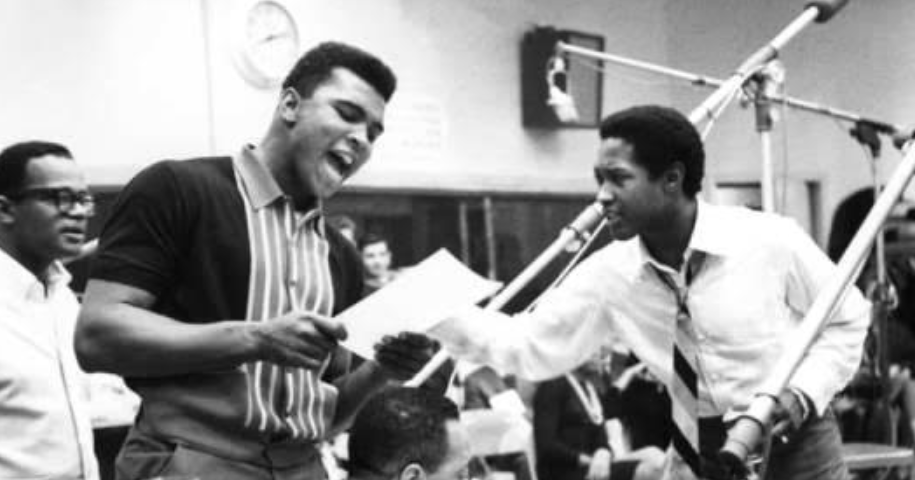
His legacy lives on not just through his timeless hits but through the doors he opened for future generations of artists, musicians, and social activists.
Cooke is often credited with creating modern soul music by blending the gospel-based vocal style he mastered as a child with the rhythms and sounds of rhythm and blues.
His ability to merge gospel's emotional depth with pop's accessibility resulted in a groundbreaking sound that would define the soul genre for years to come.
Here’s how Sam Cooke influenced the music world:
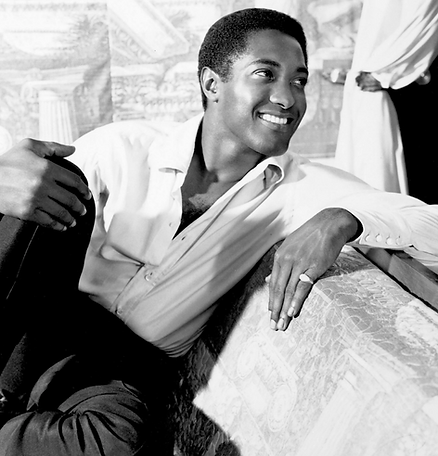
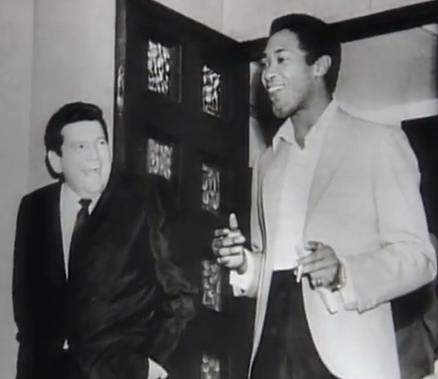
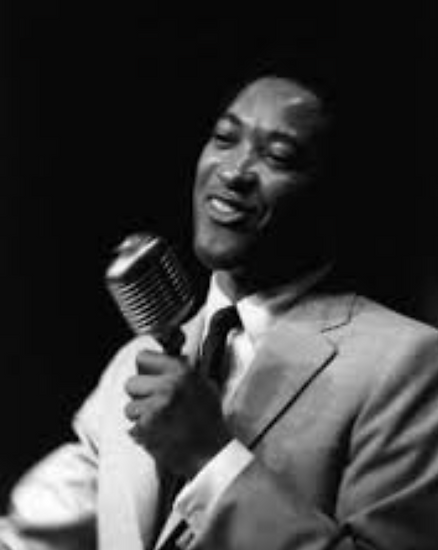
Sam Cooke’s impact on subsequent generations of musicians is far-reaching. He shaped the soul, R&B, and pop genres and directly influenced a diverse group of artists across various genres:
Marvin Gaye called Sam Cooke his biggest inspiration, especially when it came to blending social consciousness with romantic ballads. Marvin’s own "What's Going On" (1971), with its socially aware lyrics and smooth vocals, echoes Sam’s ability to address the times through music.
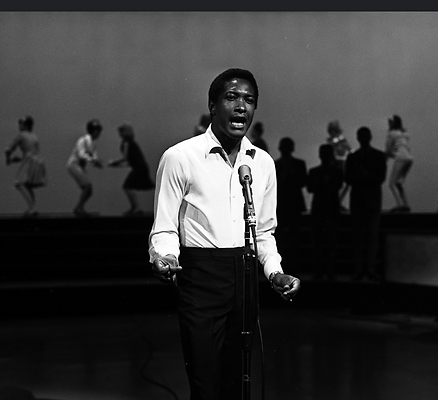
Otis Redding was heavily influenced by Sam Cooke’s ability to blend emotion and soul with pop sensibility. "Sittin’ On The Dock of the Bay" is often seen as Redding’s response to Sam Cooke’s mastery of gospel-tinged soul ballads like "Bring It On Home to Me."
Aretha Franklin, the Queen of Soul, admired Sam for his ability to bring gospel intensity into secular music. Sam Cooke’s "You Send Me" is said to have been a major influence on her vocal style and phrasing, helping shape her iconic sound. Aretha also shared his belief in artist empowerment and fought for control over her own career, just as Sam did.
Stevie Wonder admired Sam’s melodic skill and ability to create songs that were both emotionally charged and commercially successful. Like Sam, Stevie would go on to infuse his own music with socially conscious messages while keeping it accessible to the mainstream.
Bobby Womack, who was signed by Sam Cooke to his SAR Records label, often spoke about the way Sam mentored him and helped him become a successful artist. Sam’s influence on Bobby was not only musical but also professional—Sam’s sense of business acumen and empowerment for Black artists was something Womack carried throughout his own career.
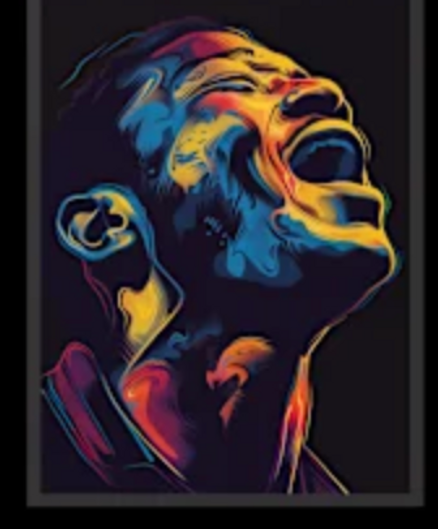
Today, Sam Cooke’s influence can be seen in the work of John Legend, Alicia Keys, Leon Bridges, and Michael Kiwanuka, who all draw from his soulful style and his commitment to social consciousness in their music.
Sam Cooke’s impact wasn’t just musical—it was also social and political. During the 1960s, he became a vocal advocate for civil rights, using his music and platform to address issues of racial inequality and injustice.
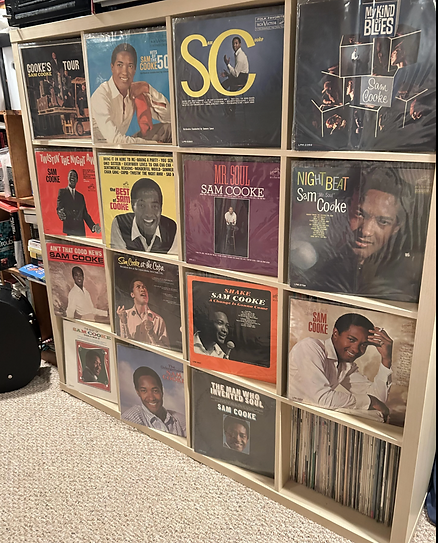
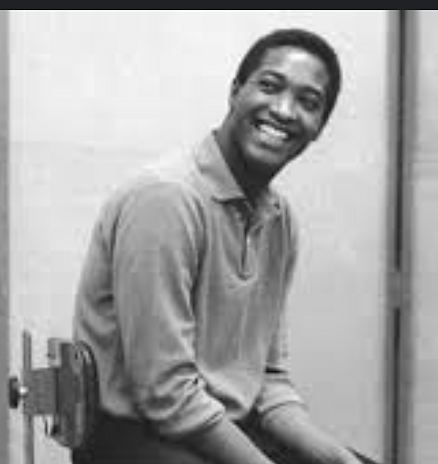
Sam Cooke’s legacy is about much more than his music; it’s about his vision of what it meant to be an artist, entrepreneur, and activist. He set the stage for future Black musicians to have the same artistic freedom, control over their careers, and cultural impact that he achieved.
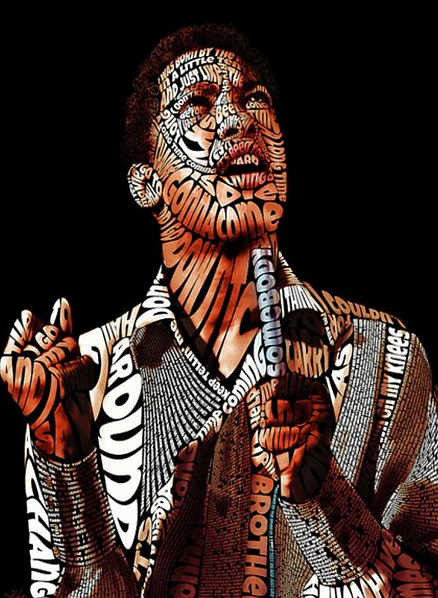
His songs continue to resonate with audiences today, his business model continues to inspire artists, and his vision for social change remains relevant. Sam Cooke's combination of gospel roots, smooth pop appeal, and passionate social awareness created a new genre of music and a new pathway for Black artists to succeed.
Sam Cooke wasn’t just the "King of Soul"—he was a pioneer who shaped modern music, created a blueprint for Black artist empowerment, and used his voice for social change, leaving a legacy that continues to inspire generations.
-fotor-bg-remover-20251210165637.webp)


