-fotor-bg-remover-20251211141935.webp)
-fotor-bg-remover-20251211143525.webp)
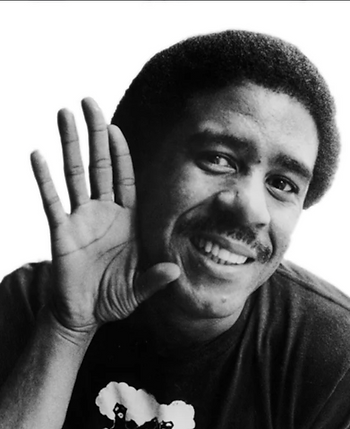
Richard Pryor: The Unfiltered Truth and Legacy of a Comedy Legend
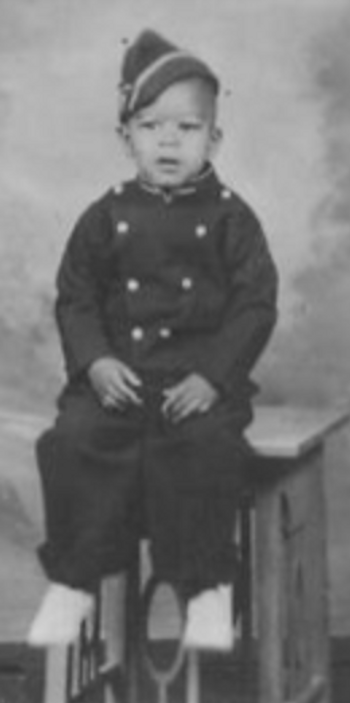
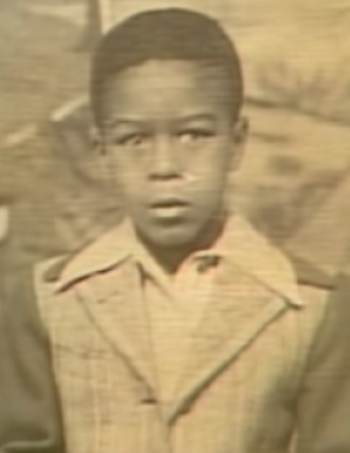
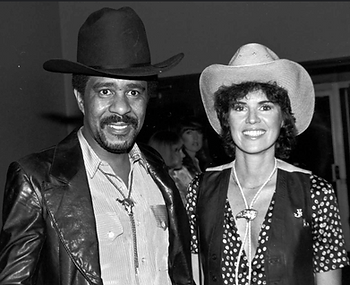
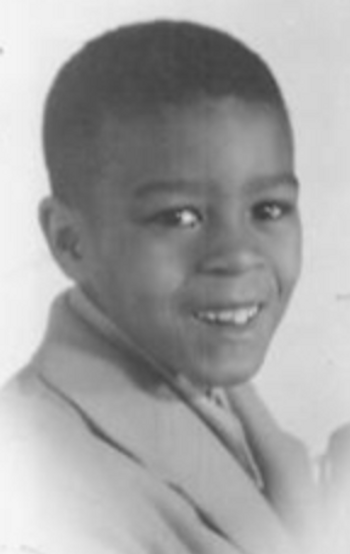
Richard Franklin Lennox Thomas Pryor III was born on December 1, 1940, in Peoria, Illinois. His upbringing was anything but conventional—raised in his grandmother’s brothel, he witnessed the harsh realities of life from a young age.
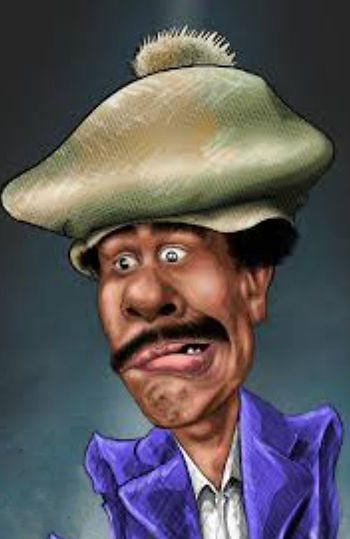
His father was an abusive alcoholic, and his mother, a prostitute, left him at an early age. Despite these struggles, young Richard found solace in humor, using comedy as both a shield and an escape from his turbulent surroundings.
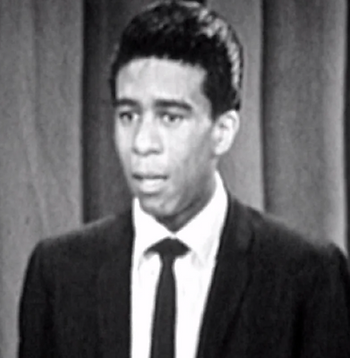
Pryor idolized Bill Cosby in his early years, admiring Cosby’s clean-cut, observational comedy style. Wanting to emulate Cosby’s success, Pryor began performing stand-up in the late 1950s, honing his craft in small clubs.
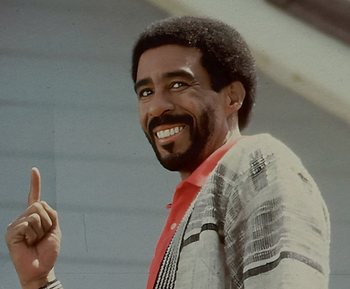
His early act was relatively tame, resembling Cosby’s polished delivery, and earned him modest success. However, this imitation phase wouldn’t last long.
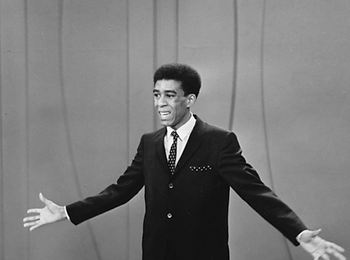
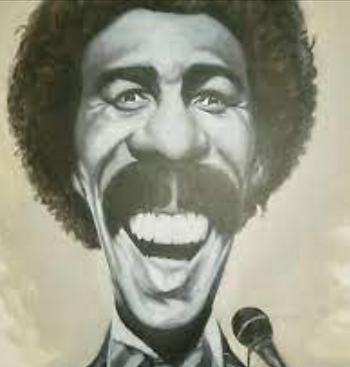
In the mid-1960s, Pryor landed a gig in Las Vegas, performing at the Strip’s top clubs. However, he struggled with the pressure of maintaining a clean, mainstream act. One night in 1967, mid-performance at the Aladdin Hotel, Pryor had an epiphany—he was living a lie.
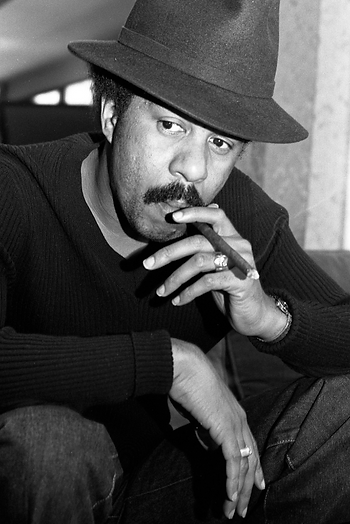
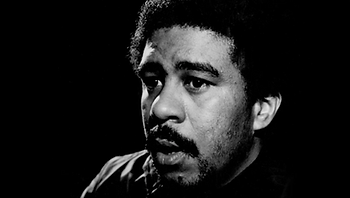
He abruptly walked offstage, disillusioned with the sanitized version of himself he had been portraying.
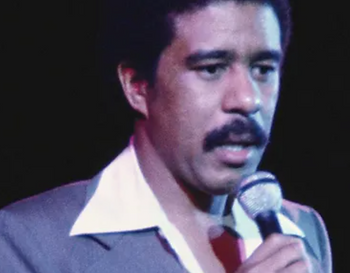
Pryor retreated to Berkeley, California, immersing himself in the counterculture movement and surrounding himself with radical thinkers, musicians, and writers. This period of self-discovery transformed him.
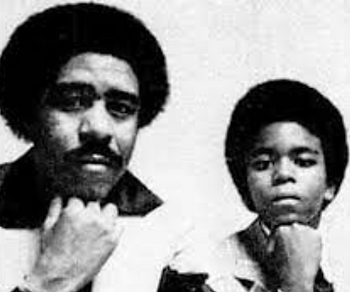
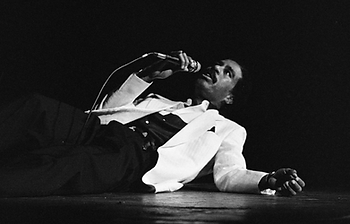
He shed his Cosby-like persona and embraced his true voice—raw, unfiltered, and unapologetically honest. He began telling stories about race, poverty, drugs, sex, and his own troubled past, using humor as a means to dissect the realities of life in Black America.
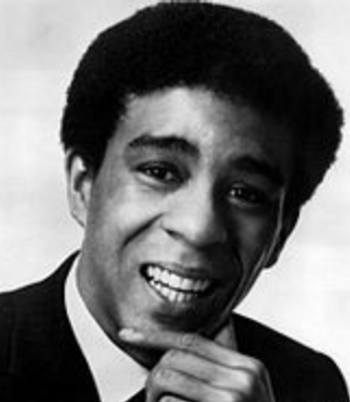
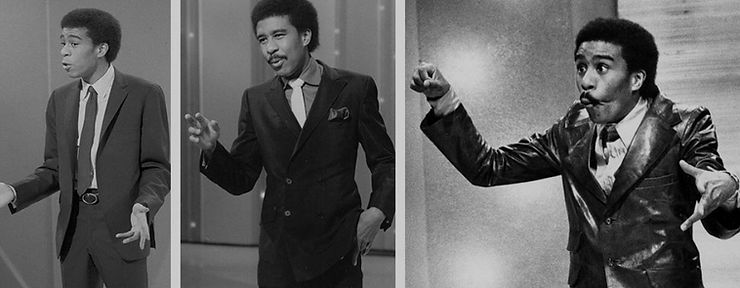
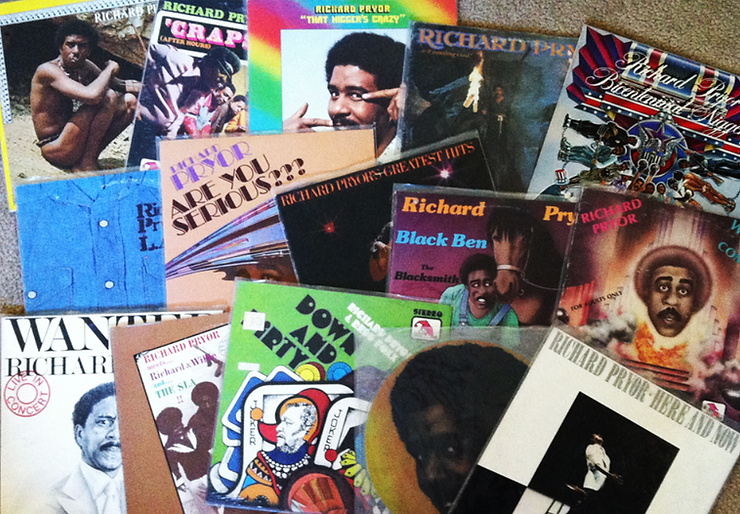
By the early 1970s, Pryor had re-emerged as a comedic force unlike any other. His groundbreaking albums, including That Nr’s Crazy (1974), Is It Something I Said? (1975), and Bicentennial Nr (1976), showcased his fearless storytelling, biting social commentary, and impeccable character work. His stand-up routines were revolutionary—he spoke about police brutality, systemic racism, and his own personal demons with a mix of brutal honesty and gut-busting humor.
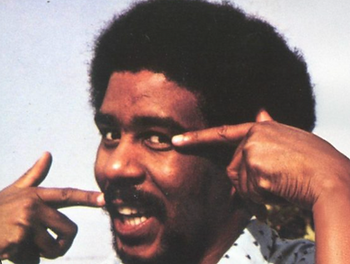
He wasn’t just funny; he was a truth-teller. His ability to shift between hilarious and heartbreaking moments made him stand out. He didn’t just tell jokes—he painted vivid pictures of life’s absurdities and injustices, making audiences both laugh and reflect.

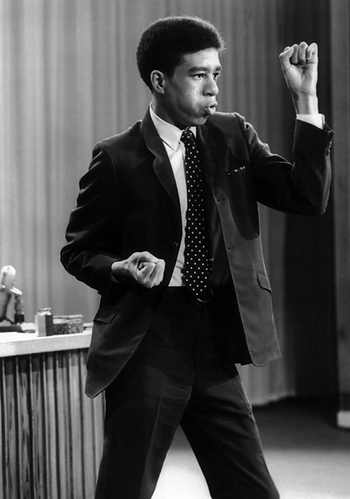
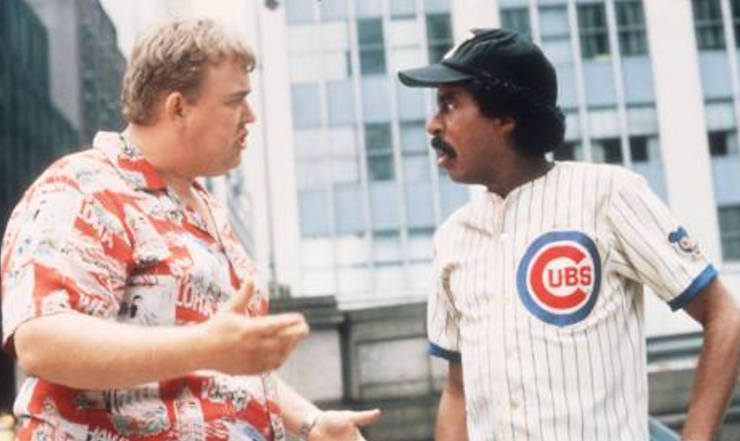
Pryor’s comedic genius soon translated to Hollywood. He wrote for The Flip Wilson Show and Sanford and Son, and his big-screen career took off with roles in films like Lady Sings the Blues (1972) and Car Wash (1976).
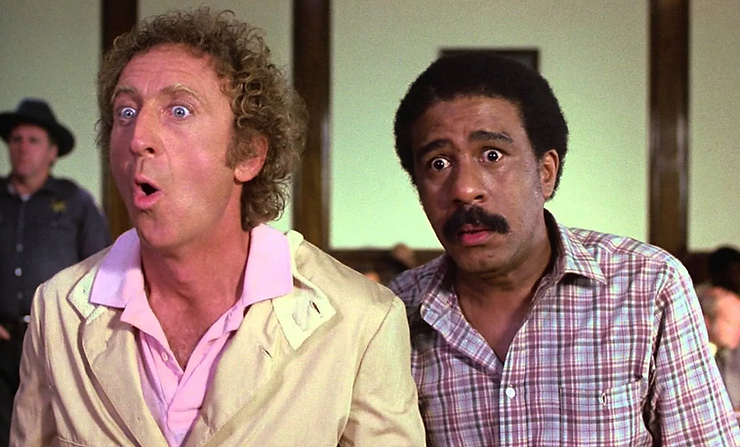
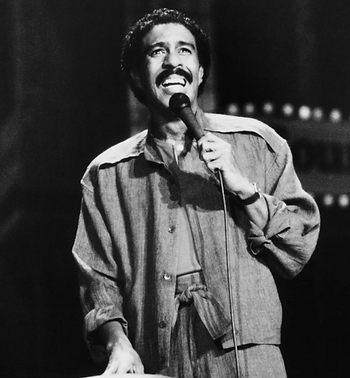
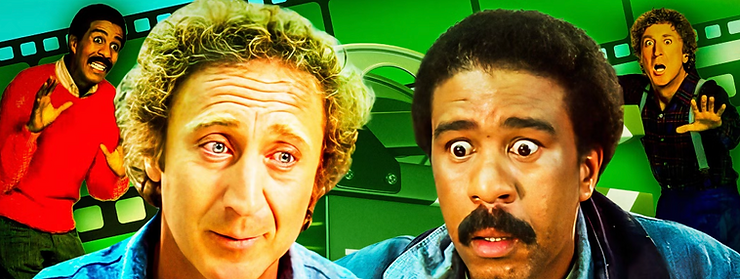
However, it was his collaborations with Gene Wilder that became legendary. Films like Silver Streak (1976), Stir Crazy (1980), and See No Evil, Hear No Evil (1989) showcased the perfect comedic chemistry between the two, blending Pryor’s unfiltered energy with Wilder’s deadpan delivery.
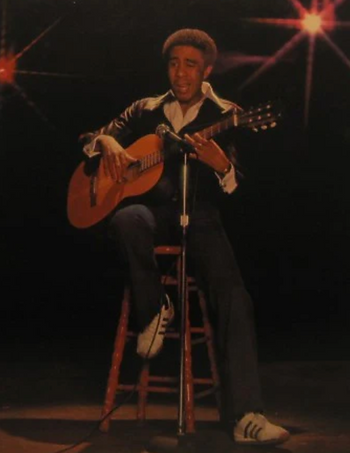
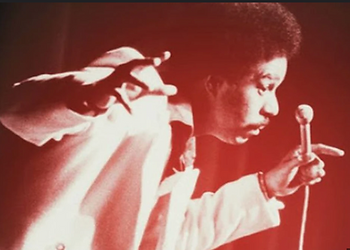
Beyond Wilder, Pryor worked with Eddie Murphy, Richard Brooks, and other comedic greats. Murphy openly credits Pryor as one of his biggest inspirations, even casting him in Harlem Nights (1989) alongside Redd Foxx.
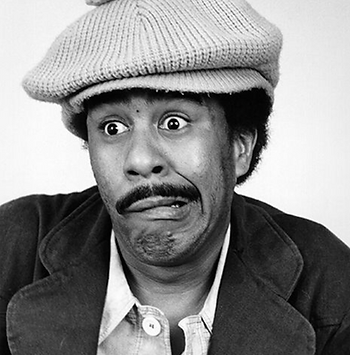
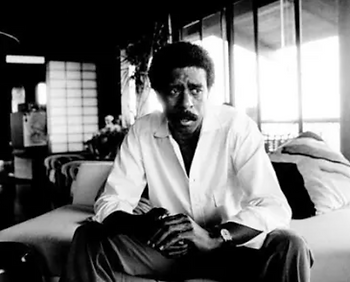
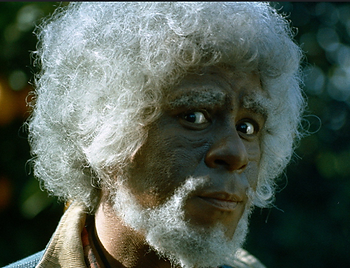
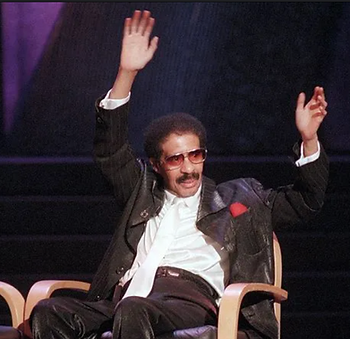
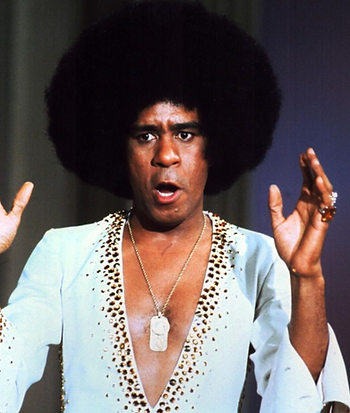
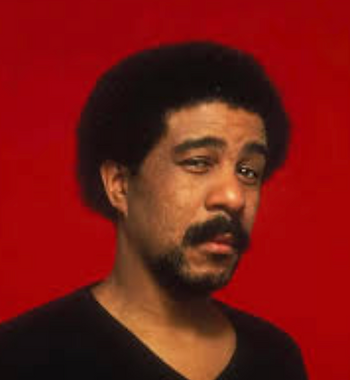
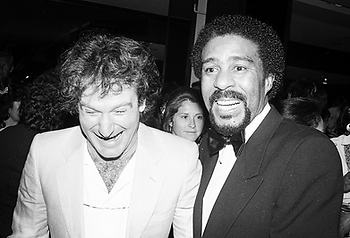
Despite his immense success, Pryor’s personal life was plagued with chaos. He battled drug addiction for years, indulging in cocaine and alcohol, which led to erratic behavior and multiple failed marriages.
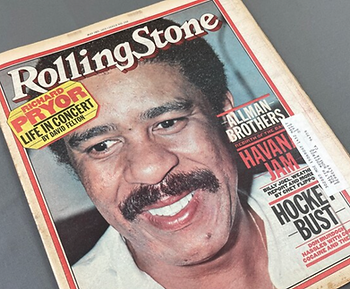
In 1980, during a drug-fueled binge, Pryor famously set himself on fire while freebasing cocaine, suffering severe burns across his body. Rather than shy away from the incident, he later turned it into one of his most iconic stand-up bits, proving his ability to find humor even in his darkest moments.
In the late 1980s, Pryor’s health began deteriorating.
He was diagnosed with multiple sclerosis, which gradually weakened his body. Despite his declining health, he continued to make appearances, even starring in Jo Jo Dancer, Your Life Is Calling (1986), a semi-autobiographical film. By the 1990s, his performances became rare, and he spent his final years largely out of the public eye.
On December 10, 2005, Pryor passed away at the age of 65 due to a heart attack. His death marked the end of an era, but his influence remains as strong as ever.
Richard Pryor didn’t just tell jokes—he revolutionized comedy.
He paved the way for future generations of comedians who embraced authenticity, from Eddie Murphy and Chris Rock to Dave Chappelle and Kevin Hart. His storytelling style became the blueprint for modern stand-up.
The short answer? No. Pryor was a once-in-a-lifetime talent.
His legacy will forever live on, not just in the comedy world but in the hearts of anyone who has ever laughed at life’s chaos and found hope in humor.
-fotor-bg-remover-20251210165637.webp)


