-fotor-bg-remover-20251211141935.webp)
-fotor-bg-remover-20251211143525.webp)
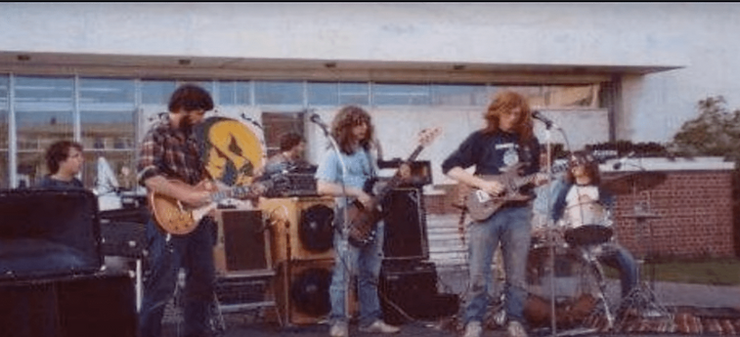
In 1983, a group of students at the University of Vermont, driven by their love for music and experimentation, formed a band.
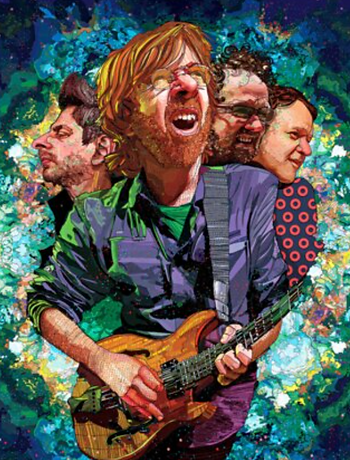
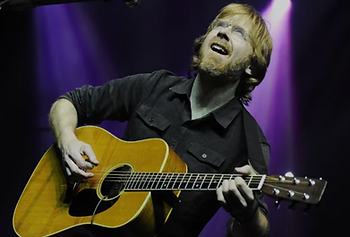
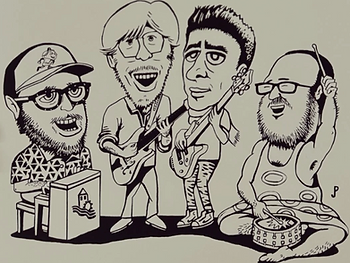
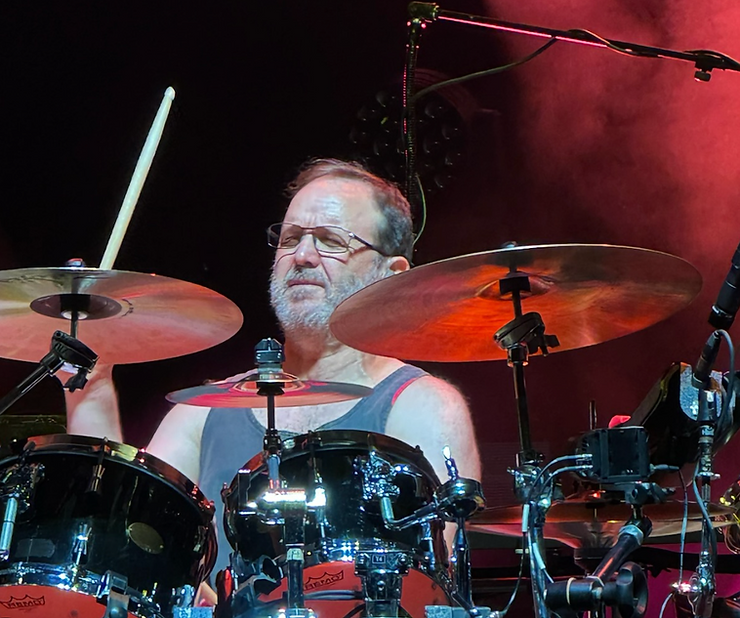
Trey Anastasio (guitar), Mike Gordon (bass), Jon Fishman (drums), and Jeff Holdsworth (guitar) came together and began playing a mix of classic rock covers.
Their very first performance took place on December 2, 1983, in a UVM dorm lounge, and while they were still honing their skills, they unknowingly started a journey that would change the music world forever.
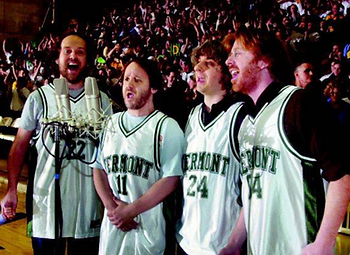
In 1985, Page McConnell (keyboards) joined the group, completing what would become Phish's iconic lineup.
The band, now fully realized, began moving away from cover songs and focusing more on original material. This year also marked the departure of Jeff Holdsworth, and with it, a clearer direction for the band, as they began to explore their unique, jam-heavy sound.
By 1986, Phish had become a fixture in the Burlington music scene, playing regular gigs at Nectar’s, a local club that would become legendary for its connection to the band.
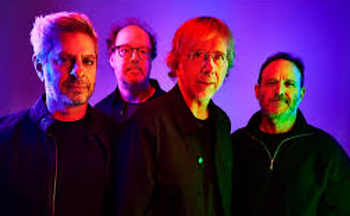
Their live performances, which featured extended jams, quirky antics, and plenty of improvisation, were drawing in more fans. Living together in a house on King Street in Burlington, Phish members worked tirelessly to craft their sound, blending elements of rock, jazz, funk, and bluegrass.
In 1988, Phish recorded their first album, “Junta”, though it wouldn’t officially hit shelves until 1989.
The album was a mix of intricate arrangements, tight musicianship, and playful lyrics — all hallmarks of what Phish would become known for. Self-recorded and self-released on cassette, Junta featured tracks like “You Enjoy Myself,” “Fee,” and “Fluffhead,” songs that would later become staples of their live shows.
The album’s release, though relatively small at first, was the spark that began to catch fire within the Phish fan community.
Unlike most bands of their time, Phish focused on building a community through live shows and fan engagement, rather than pursuing traditional commercial success.
They allowed fans to record their performances, fostering an exchange of live tapes that became a key part of their grassroots growth.
The band’s dedication to their fans, combined with their reputation for incredible live shows, led to Phish becoming one of the most beloved jam bands in the world. Junta was just the beginning — Phish had set their sights on something much bigger: a musical revolution led by live improvisation and a fiercely loyal fanbase.
Trey’s Concept: The Story of Gamehendge
Phish’s early creative energy extended beyond their music — it also flowed into storytelling. The band's most ambitious conceptual work is Gamehendge, a fictional world created by Trey Anastasio.

The story, which would become a cornerstone of their early live shows, is a mix of adventure, philosophy, and dystopia, complete with its own characters, plot, and allegory.
The Birth of Gamehendge (1987-1988)The concept of Gamehendge began to take shape in 1987, when Trey was inspired by the writings of J.R.R. Tolkien and other fantasy fiction, as well as his own musings on themes of power, control, and knowledge.
The story is centered around a fictional land called Gamehendge, where an all-powerful character named The Man Who Steals the Water controls the land’s most vital resource: water. The story’s hero, Icculus, is a wise figure who holds the knowledge to restore balance to the land.
However, he is captured by The Man Who Steals the Water, leaving the fate of Gamehendge hanging in the balance.
Gamehendge's Musical Integration (1988-1990)Trey began writing songs that would serve as part of the Gamehendge narrative, including what would become some of Phish’s most iconic songs.
Many of these songs were performed live, but the full story of Gamehendge wasn’t initially revealed all at once. Here are some of the key songs and their integration into the story:
“The Man Who Steals the Water”: The villain of Gamehendge, The Man Who Steals the Water, was the primary antagonist of the tale. Trey wrote this song about his oppressive rule over the land, symbolizing control and scarcity.
“Icculus”: A song about the wise figure who knows the secrets of Gamehendge but is captured by the villain. In the narrative, the fate of Icculus holds the key to saving the world.
“Fluffhead”: A song that, while abstract, is part of the Gamehendge saga. It includes references to the characters and concepts from the story, particularly surrounding the idea of a mystical, almost supernatural journey.
“Colonel Forbin’s Ascent” and “The Lizards”: These songs began to form the heart of the Gamehendge tale. In “Colonel Forbin’s Ascent,” the protagonist embarks on an adventure to seek Icculus, encountering various challenges along the way. "The Lizards" is a pivotal part of the plot, where the journey takes a turn into a mystical realm and reveals more about the world of Gamehendge.
“The Sloth”: This song plays a small but integral part in the Gamehendge narrative, touching on themes of power and frustration.
The Early Integration into Their Live Shows (1988-1990)Starting in 1988, Phish began incorporating these songs into their live performances. However, rather than playing them in a straightforward sequence, the band would slowly reveal pieces of the Gamehendge storyline, often telling it in an improv-heavy, live jam environment. Trey would introduce characters, expand on plotlines, and sometimes even narrate parts of the story to the audience.
The Gamehendge Saga Takes Shape (1990)By 1990, the band started to play an almost complete version of the Gamehendge saga at their live shows, weaving together songs like “Colonel Forbin’s Ascent” and “The Lizards” to form a cohesive narrative.
The integration of Gamehendge into their repertoire helped to shape Phish’s live performance identity, showcasing their ability to blend music with storytelling in a way that engaged their audience.
The most famous performance of Gamehendge took place in 1991 at a show in Burlington, Vermont. Phish performed a nearly complete version of the Gamehendge narrative, which was later dubbed “The Gamehendge Saga.”
This set would go on to become a fan-favorite and a key moment in Phish's live performance history.
Gamehendge's Legacy
Though Phish moved away from performing the full Gamehendge narrative as they grew and developed, elements of it remained embedded in their music and live shows.
The songs from Gamehendge became staples in their repertoire, and references to the story would pop up in their performances for years to come.
The concept of Gamehendge also influenced the band's approach to improvisation, showing their ability to expand and evolve a musical theme into a larger narrative.
Trey himself would often reference Gamehendge in interviews, acknowledging it as an early form of creative expression that shaped Phish’s identity and set them apart from other bands.
Even as the band’s style evolved, the spirit of Gamehendge — a blend of whimsical fantasy and deep philosophical questions — remained a part of Phish's ethos.
Today, the songs from Gamehendge still have a special place in the hearts of Phish fans, often being performed in select live shows and even making their way into the occasional live setlist in different arrangements.
The 1990s were a defining decade for Phish, marked by significant growth, experimentation, and their eventual rise to fame. Their albums from this period, along with their constant touring and innovative live shows, played a key role in transforming Phish from a cult favorite to one of the most popular and influential jam bands in the world.
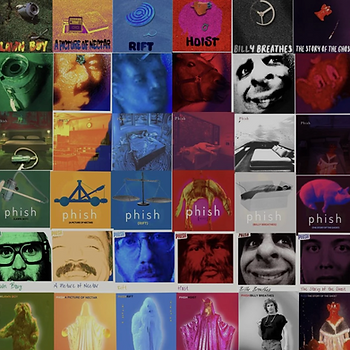
Phish’s second studio album, Lawn Boy, was released in 1990 and represents a major step forward in their evolution. The album’s quirky, diverse sound showed their commitment to blending elements of rock, jazz, funk, bluegrass, and even classical music.
Unlike Junta, which was primarily a product of their early jam-band roots, Lawn Boy showcased a more refined songwriting approach, though still filled with playful, whimsical tracks.
Notable tracks:
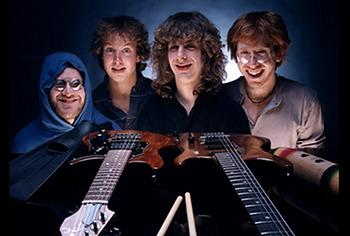
Lawn Boy helped further cement the band’s reputation for musical innovation and dynamic live performances, although they were still not a mainstream success.
Released in 1992, A Picture of Nectar marked another leap in Phish's musical development, embracing both tighter arrangements and more experimental jams.
The album was a critical step in bringing Phish to a broader audience, showcasing the band's ability to blend quirky humor, complex musicianship, and a mix of genres.
It also began to solidify their identity as a band that could perform intricate compositions while allowing space for improvisation.
Notable tracks:
Picture of Nectar continued to grow their fanbase, especially as the band began to tour extensively, creating a larger and more dedicated following across the U.S.
Rift, released in 1993, was Phish’s first album to be released on a major label (Elektra Records). The album’s ambitious and darker tone was a departure from their earlier, more playful works. It featured some of the most complex and tightly composed material Phish had ever written, with a focus on concept and continuity.
Rift received more mainstream attention, though it still maintained the band's identity as a progressive and experimental act.
Notable tracks:
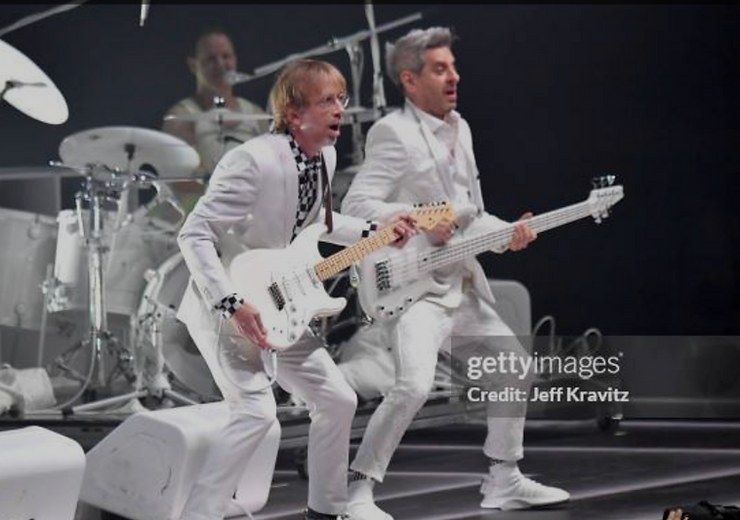
Rift was the album that showed Phish was serious about their craft and willing to evolve into a more mature and complex band. It also represented their continued experimentation with longer-form, multi-part compositions.
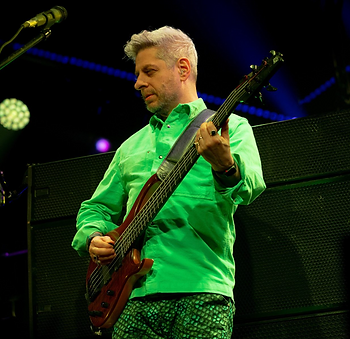
Released in 1994, Hoist marked a shift towards a more polished, accessible sound while still maintaining Phish’s unique blend of genres and experimental style.
The album featured contributions from a number of guest musicians, which gave it a slightly different feel from their previous albums.
Hoist was another step towards broader commercial success, and its more radio-friendly approach helped Phish gain more attention in the mainstream.
Notable tracks:
While Hoist didn’t make Phish a mainstream chart-topping band, it showed that they were developing a style that could appeal to both longtime fans and new listeners.
Their live shows, now growing in size and reputation, continued to draw in larger crowds.
As Phish moved into the mid-90s, their growing popularity was fueled by their relentless touring schedule and their connection with fans.
They were no longer just a cult act — their fanbase was expanding exponentially. Phish was becoming known for their legendary live shows, where improvisation and unpredictability were the core of their performances.
The band had an incredibly tight-knit community of fans who traded concert tapes, giving Phish a grassroots, word-of-mouth popularity.
Live albums like "A Live One" (1995), recorded during the 1994-1995 tour, helped capture the band’s energy and talent for improvisation, showcasing their live performances to a wider audience.
By the mid-90s, Phish was consistently playing larger venues and festivals, and their shows were becoming events in and of themselves. The band’s free-spirited, irreverent style, combined with their deep musical chops, made them stand out in the music scene.
In 1996, they performed the first of what would become their infamous multi-day Big Cypress Festival (held in Florida), which drew tens of thousands of fans and became a milestone in Phish’s legacy.
Their 1996 album “Billy Breathes” marked their commercial peak of the decade, as it was released to widespread acclaim and helped them gain attention from a more mainstream audience, despite still holding strong to their roots in improvisational rock.
The 90s were the decade that transformed Phish from an obscure band with a passionate following into one of the most popular live acts in the world.
With albums like Rift, Hoist, and Billy Breathes, along with their constant touring and legendary live shows, Phish set the stage for their rise to fame.
The band's fusion of genres, devotion to musical freedom, and ability to engage with fans in a way few bands had ever done helped them carve out a unique place in rock history.
Their influence grew, and by the end of the decade, Phish was firmly cemented as a staple of the jam band genre, revered for their musical integrity, their loyal following, and their ability to continuously evolve and challenge the norms of rock music.
Phish's journey from the Baker's Dozen to their epic collaborations with legends like Roger Waters, and their iconic shows at Madison Square Garden, Las Vegas Sphere, and beyond, marks a new era for the band, where their creative ambition, musical prowess, and legacy continue to grow.
This chapter is filled with landmark performances, extraordinary live experiences, and an ever-expanding fanbase. Let’s break down this incredible journey:
One of the most innovative and ambitious runs in Phish's history, the Baker's Dozen was a series of 13 shows at Madison Square Garden in New York City during the summer of 2017. The concept was a throwback to the tradition of performing themed "musical costumes" (like their iconic Halloween shows) but with a twist — every single show in the run was different, with a unique theme or surprise element.
The Baker's Dozen was more than just a concert run; it was an experiment in musical exploration, taking Phish's already unique approach to live shows and pushing it to its limits. It received critical acclaim and showcased their creativity, proving that the band’s energy and musicality were as vibrant as ever.
Phish’s tradition of playing musical "costumes" on Halloween continued through the 2010s and 2020s.
This tradition began in 1994 when Phish performed the "White Album" by The Beatles, and it has since become one of their most anticipated events.
The musical costume concept involves Phish performing an entire album from another artist, often with their own spin on it. Over the years, these "musical costumes" have included some incredibly ambitious performances, including:
These shows became events in themselves, with the band often reinterpreting the original album through their unique style, blending Phish’s experimental jams with the essence of the original material. This tradition became part of Phish’s legacy, marking a constant evolution of their artistry and ability to push boundaries.
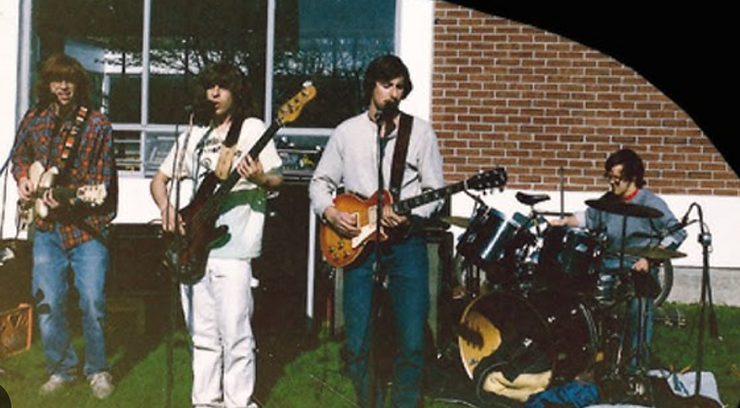
In 2016, Phish teamed up with Roger Waters, the legendary Pink Floyd bassist and conceptual mastermind, for an extraordinary performance of "The Wall". This marked a monumental moment in Phish's career, as the band, known for their own improvisational approach to music, collaborated with a rock legend known for his meticulous vision and theatrical performances.
One of Phish's most iconic moments of the 2020s came in 2021 when the band performed Pink Floyd's "The Dark Side of the Moon" in full during a show at The Gorge Amphitheatre in Washington State.
Phish’s tribute to one of the most legendary albums in rock history was another milestone in their tradition of musical costumes, but this time, they approached it with a reverence that paid homage to Pink Floyd’s masterpiece.
This moment cemented Phish’s place as a band that not only could tackle their own expansive catalog but also engage with rock history in new and exciting ways.
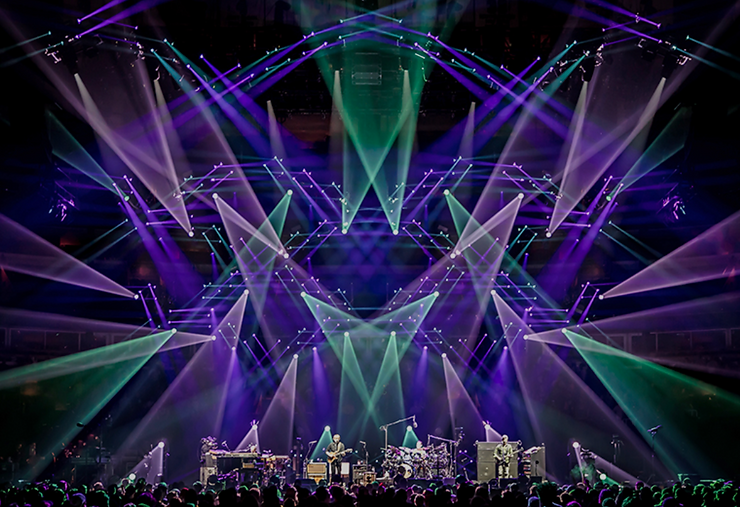
Throughout the 2000s and 2010s, Phish solidified their connection with Madison Square Garden in New York City, one of the most iconic venues in the world.
The Garden became a central hub for their most ambitious performances, with the band regularly selling out multi-night runs, each filled with surprises and memorable moments.
Phish’s MSG performances have earned the band a place in the venue's history, with comparisons often made to the Grateful Dead’s legendary shows at the Garden.
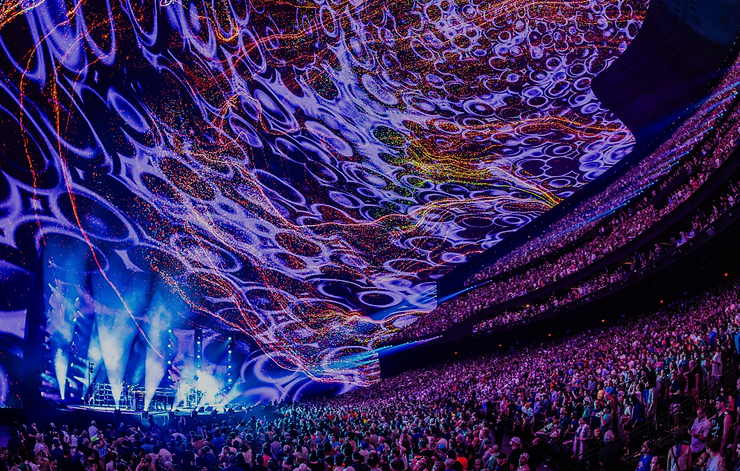
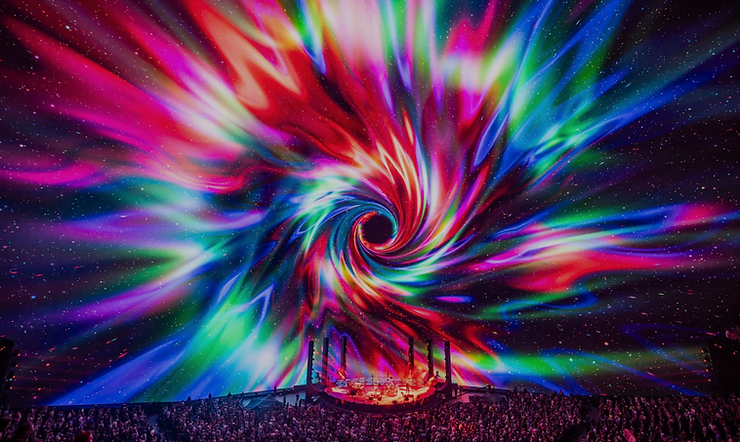
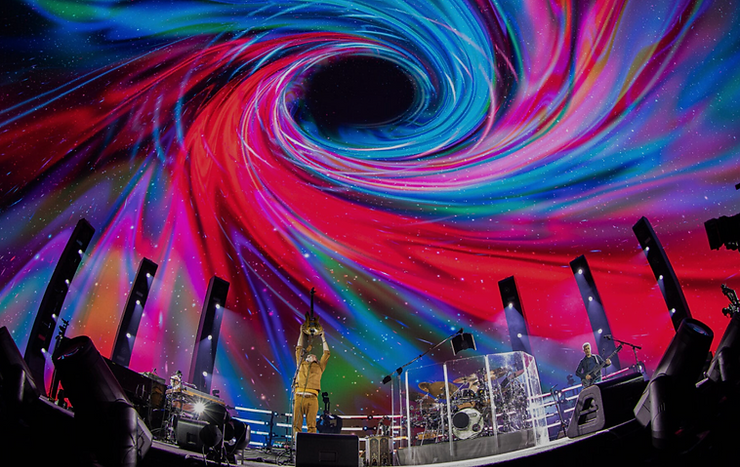
In 2022, Phish became one of the first bands to perform at the MSG Sphere in Las Vegas, an incredible new venue that blends advanced technology and immersive live experiences. This venue features a state-of-the-art sound system and an unprecedented visual experience, making it the perfect setting for Phish to continue pushing the envelope in terms of live shows.
notable guests from various genres who have performed with the Phish across their career. Here are some of the most prominent and surprising musical collaborations Phish has had over the years, spanning rock, jazz, folk, and more:
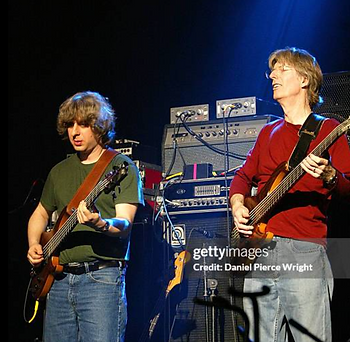
As Phish enters the mid-2020s, their legacy as one of the most influential live acts of all time is undeniable. With over 40 years of music, countless tours, and an ever-expanding catalog of albums, they have set the standard for improvisational music and fan interaction. Their commitment to constantly evolving their sound, collaborating with musical legends, and exploring new forms of live performance ensures their place in the future of rock music.
As Phish’s legacy continues to grow, the future holds limitless possibilities for a band that has always been about more than just music — it’s about creating shared experiences that transcend the stage and become part of the cultural fabric.
Phish’s rise from the underground to one of the most iconic live acts in rock history has been driven by their unique sound, relentless innovation, and ability to merge influences from multiple genres.
Their impact on music, culture, and the live performance industry is undeniable. Let’s break down who influenced Phish, who they influenced, and what their Rock and Roll Hall of Fame nomination means after all these years.
Phish’s sound is an amalgamation of a wide range of influences, which allowed them to create something entirely original. While their music is difficult to pin down to one genre, they draw from:

As Phish became one of the most iconic live bands in the world, their influence on music, especially in the jam band and live performance scenes, became immense.
Phish’s ability to blend rock, jazz, funk, bluegrass, and psychedelia has even influenced mainstream artists. Bands like Red Hot Chili Peppers and Dave Matthews Band were inspired by Phish’s fluid, improvisational approach to live performance. The jam band ethos also became central to the rise of indie rock in the late ‘90s and early 2000s.
Phish’s uniqueness lies in several key aspects:
While many bands claim to improvise, Phish lives and breathes improvisation. The foundation of their music is spontaneity. Each show is different, with setlists rarely repeated and jams often veering into uncharted territory. This unpredictability creates a sense of magic and excitement that keeps their fans coming back for more. Phish’s ability to communicate musically on stage, responding to each other in real-time, is a hallmark of their sound.
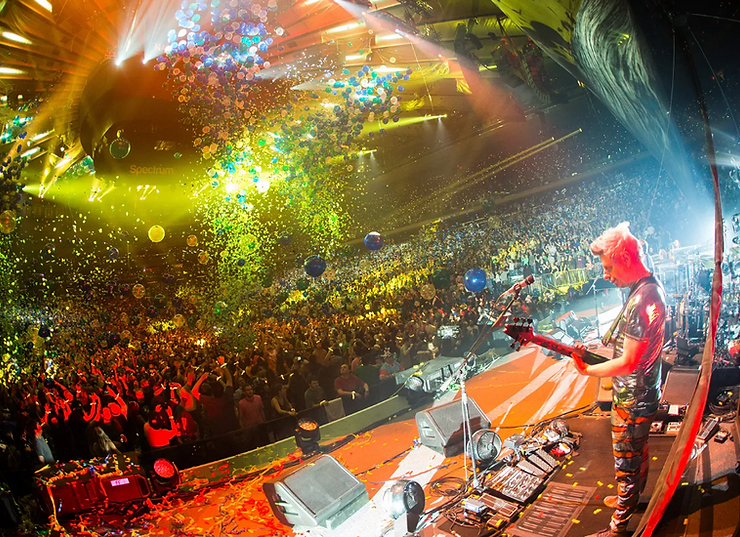
Phish’s fan culture is one of the most unique aspects of their identity. The band has always viewed their fanbase as an essential part of their experience. They created the model for "fan-controlled" concerts, where fans could swap bootlegs, share experiences, and participate in a larger musical community. Their loyal following, sometimes referred to as the "Phish Phamily", is a testament to their personal connection with their audience.
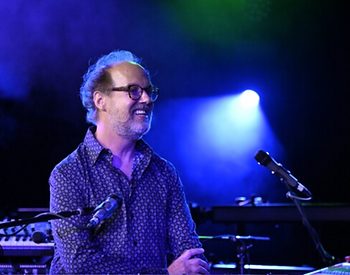
Phish is not confined to a specific genre. Their music blends rock, jazz, funk, bluegrass, country, and psychedelia in ways that few bands manage to pull off. They’re equally comfortable playing a bluegrass jam as they are exploring spacey, ambient soundscapes. Their willingness to experiment and break the rules of conventional music has kept them fresh and relevant.
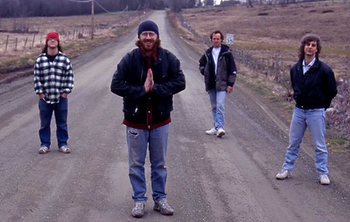
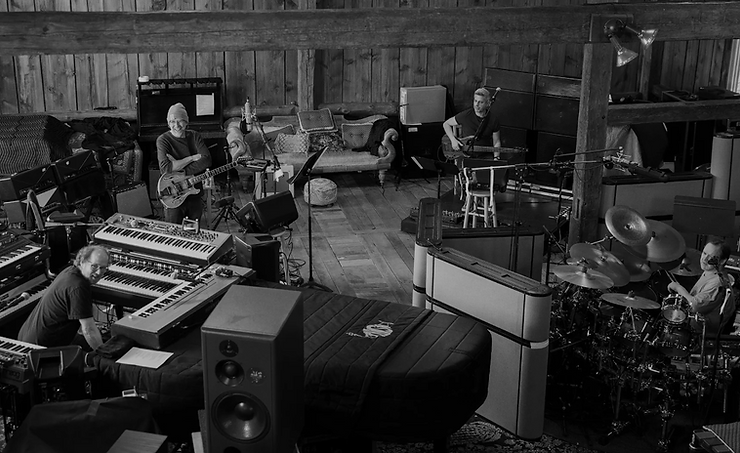
Phish’s nomination to the Rock and Roll Hall of Fame is a recognition of their influence, impact, and longevity in the music world. After more than 40 years, their place in rock history is now being cemented. While Phish may not have achieved the same commercial success as other Hall of Fame inductees, they have become legends in their own right — a band whose influence on live performance, improvisation, and music culture is undeniable.
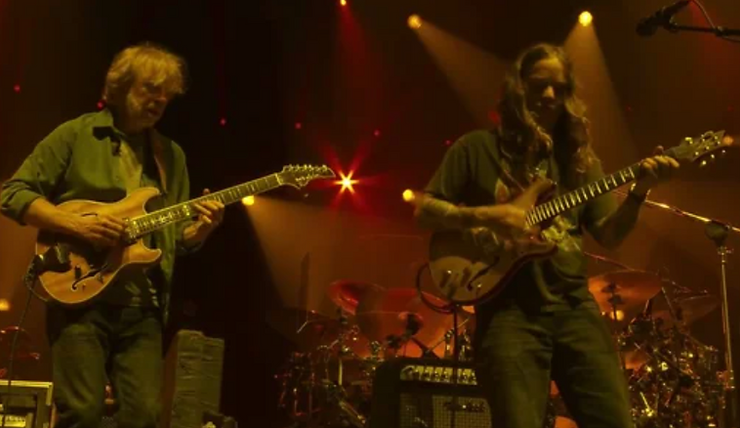
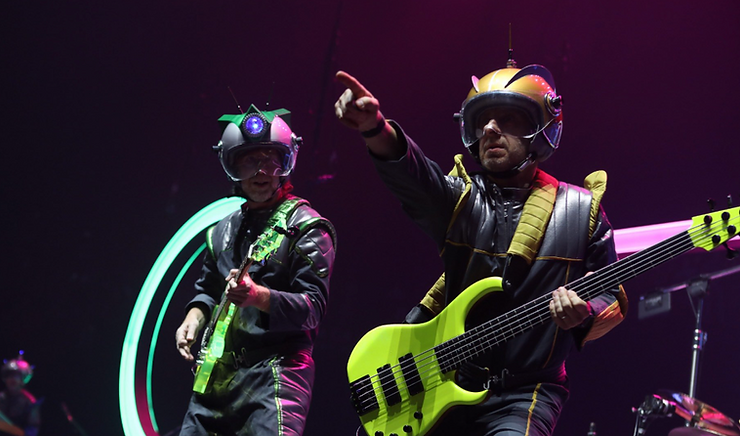
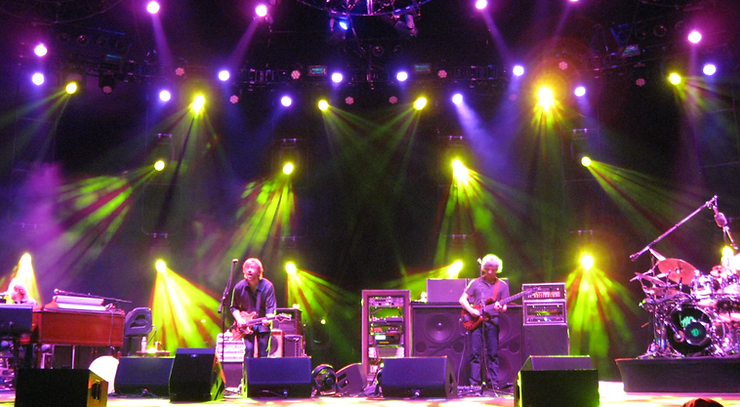
Phish’s Hall of Fame nod isn’t just a win for the band; it’s a recognition of the power of music to shape culture, connect people, and create lasting legacies. After all these years, Phish has become a symbol of what’s possible when a band dares to follow its own path and push musical boundaries.
-fotor-bg-remover-20251210165637.webp)


