-fotor-bg-remover-20251211141935.webp)
-fotor-bg-remover-20251211143525.webp)
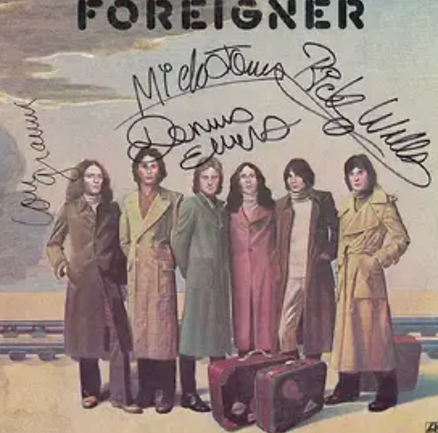
Foreigner was formed in 1976 by British guitarist Mick Jones, along with ex-King Crimson multi-instrumentalist Ian McDonald and American vocalist Lou Gramm. The band's name reflected the fact that the lineup consisted of both British and American members, making someone in the group a “foreigner” no matter where they played.
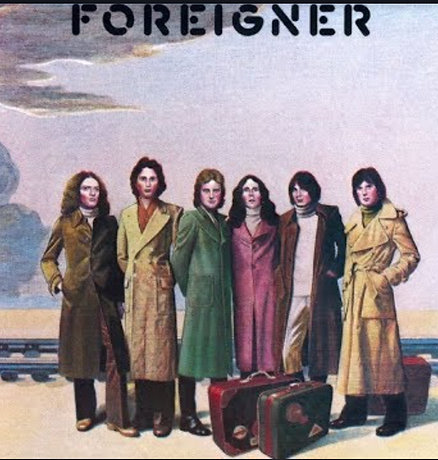
Their self-titled debut album, Foreigner, was released in March 1977 and became a massive success. Produced by John Sinclair and Gary Lyons, it featured a blend of hard rock, pop sensibilities, and progressive influences, setting the tone for their signature sound.
The album was a massive commercial success, going 5× Platinum in the U.S. and solidifying them as one of the most exciting new rock bands of the late '70s.
Building on their success, Foreigner released Double Vision in June 1978. The album refined their arena rock sound, with bigger hooks, slicker production, and more emphasis on radio-friendly tracks.
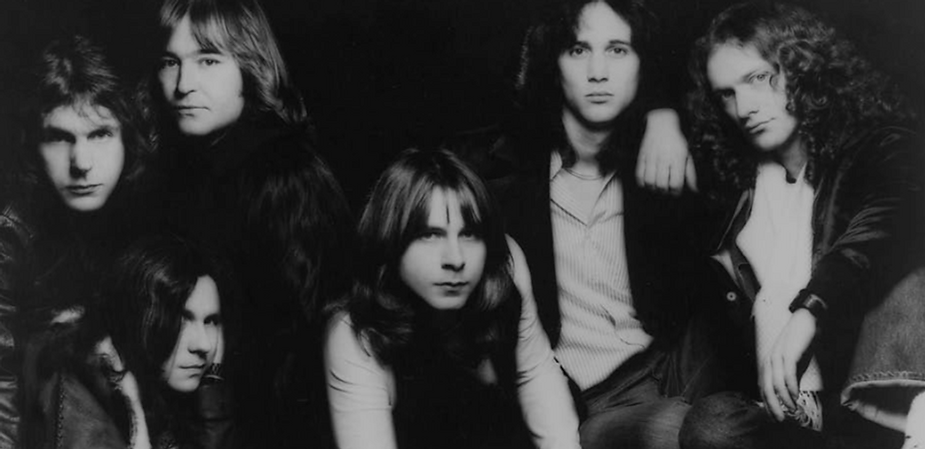
Double Vision became an even bigger success, reaching 7× Platinum in the U.S. and cementing Foreigner as one of the biggest rock bands of the era.
With these first two records, Foreigner defined late '70s rock, blending hard rock, pop, and progressive elements. Their knack for catchy melodies and anthemic choruses bridged the gap between rock purists and mainstream audiences, setting the stage for their domination in the '80s.
After the massive success of their first two albums, Foreigner was on a trajectory to become one of the biggest rock bands of the late '70s and early '80s. Their ability to mix hard rock energy with pop-friendly hooks made them radio favorites.
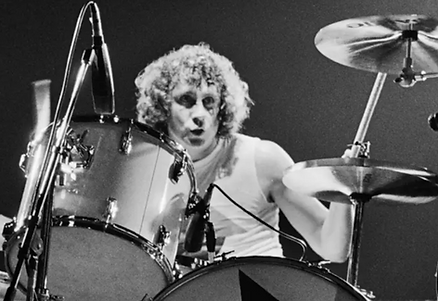
The next two albums—Head Games (1979) and 4 (1981)—cemented their place at the top of the charts, bringing them mainstream, radio-dominating success.
By 1979, tensions were brewing within the band regarding their musical direction. Mick Jones wanted tighter, more commercial rock songs, while Ian McDonald and Al Greenwood leaned toward a progressive sound. Ultimately, Jones took more creative control, and this shift led to Head Games.
This album was grittier, more polished, and more pop-oriented, with a blend of hard-hitting rock and melodic hooks that fit perfectly into FM radio playlists.
Although Head Games wasn’t as well-received critically as its predecessors, it was still a commercial success, going 5× Platinum and keeping Foreigner’s momentum strong.
4 was the album that transformed Foreigner into pop-rock superstars. By this point, McDonald and Greenwood had left, making Mick Jones the undisputed leader of the band. He streamlined their sound, bringing in producer Mutt Lange (who later worked with AC/DC and Def Leppard) to create an arena-ready, radio-perfect album.
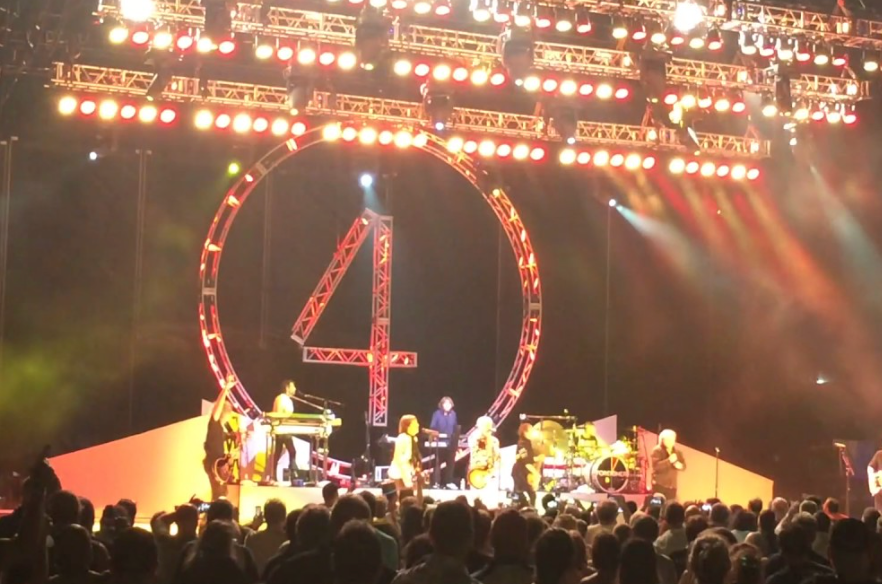
With 4, Foreigner fully embraced a pop-rock sound, leaning into synths, polished production, and massive choruses that appealed to both rock and pop audiences. The album was a runaway success, going 6× Platinum and spending 10 weeks at #1 on the Billboard 200.
By the early ‘80s, Foreigner had mastered the formula for radio hits. Here’s how they dominated:
✅ Perfect Songwriting Balance – Their music had enough rock grit for FM rock stations but was catchy enough for pop radio.
✅ Power Ballads – "Waiting for a Girl Like You" pioneered the ’80s rock ballad trend, influencing bands like Journey and Bon Jovi.
✅ Polished Production – Working with Mutt Lange gave their songs a radio-friendly, high-energy sound.
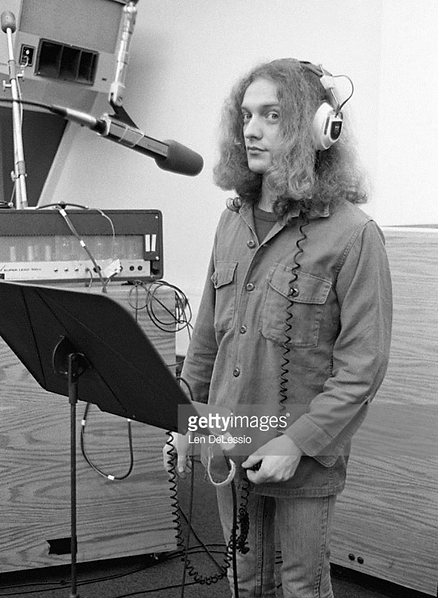
✅ Crossover Appeal – Their music wasn’t just for rock fans—pop stations, MTV, and even soft rock stations played Foreigner.
By this point, Foreigner wasn’t just a rock band—they were pop icons, dominating the radio and influencing the next wave of pop-rock acts.
By 1981, Foreigner had already established themselves as a rock powerhouse, but 4 was the album that took them from being a great rock band to a radio-dominating pop-rock phenomenon. It wasn’t just a success—it was a game-changer that did things no other rock band had done at the time.
Unlike most rock bands that stuck to their original formula, Foreigner completely reshaped their sound for 4. Mick Jones wanted to move away from the progressive elements of their early albums and focus on crafting perfect rock-pop anthems. To achieve this, he made bold moves:
While many rock bands of the era stuck to either hard rock or pop ballads, 4 seamlessly blended rock, pop, and even R&B influences, making it appealing to multiple radio formats. This genre crossover was almost unheard of at the time.
This mix meant Foreigner wasn’t just played on rock stations—they were all over Top 40 pop, soft rock, and even R&B-influenced stations.
Most rock bands had to choose between staying hard rock or fully embracing pop (Styx, REO Speedwagon, Journey all softened their sound to get radio hits). Foreigner did something unique:
✅ They conquered pop radio without losing their rock edge.
✅ They kept their hard-hitting guitars but added pop-perfect hooks.
✅ They made rock acceptable to mainstream pop audiences while still satisfying rock fans.
This was a balancing act few bands could pull off—while others had radio success, Foreigner dominated all formats at once.
Foreigner’s 4 set the template for the entire ‘80s pop-rock movement. After 4’s success, every major rock band tried to emulate their balance of hard rock, pop, and emotional ballads. You can see their influence in bands like:

✅ Multi-Platinum Success – Over 7× Platinum in the U.S., making it one of the best-selling albums of the decade.✅ Radio Domination – Songs from 4 stayed in rotation for decades, becoming classic rock and pop radio staples.✅ Changed the Rock-Pop Balance – No other band at the time mixed hard rock, pop, and R&B elements as smoothly as Foreigner did on 4.
💥 Fused Rock, Pop, and R&B Saxophone in a Single Album💥 Topped Rock and Pop Charts at the Same Time Without Losing Their Identity💥 Pioneered the ‘80s Power Ballad Formula Before It Became a Trend💥 Brought a New Production Style That Influenced an Entire Decade of Rock
With 4, Foreigner didn’t just have a hit album—they changed the entire landscape of rock radio.
Before Foreigner, love ballads in rock were often considered soft, overly sentimental. Think of early ‘70s rock ballads—they leaned toward folk (Bread, America) or sappy piano-driven tunes (Barry Manilow, Air Supply).
But then Foreigner changed everything.
With "Waiting for a Girl Like You" (1981, 4) and "I Want to Know What Love Is" (*1984, Agent Provocateur), they transformed power ballads into something cinematic, emotional, and universally cool—the kind of songs that made teenage boys secretly admit to feeling things.
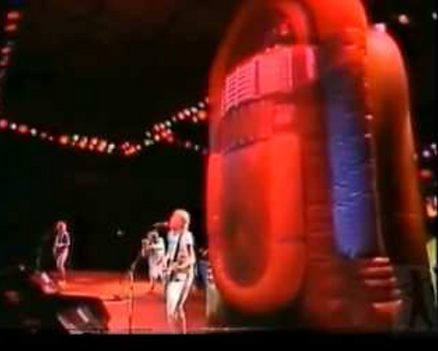
Here’s how they did it:
Most ballads before them were either mushy or completely stripped-down love songs. Foreigner kept things moody, atmospheric, and larger-than-life.
🎸 "Waiting for a Girl Like You" – Unlike typical ballads, it opens with deep synth pads and a slow, pulsing beat. It’s almost hypnotic, not syrupy. Then, Lou Gramm’s soulful, aching voice builds, with a slow-burn intensity.
🎸 "I Want to Know What Love Is" – It doesn’t start as a love song—it feels like an epic, spiritual search for meaning. It’s not just "I love you"—it’s "I’ve been hurt, I’ve been lost, and now I need love to make sense of everything."
The key was mood—Foreigner made these songs brooding and introspective, so they resonated with guys who didn’t want to admit they liked ballads.
Most love ballads at the time were fairy tale-like (everything is great, love is wonderful). Foreigner, on the other hand, tapped into real longing, loneliness, and uncertainty—things every teenage boy could relate to.

💔 "Waiting for a Girl Like You" – It’s not just about love—it’s about waiting for something real after disappointment. A universal feeling.💔 "I Want to Know What Love Is" – This song is about pain and emotional walls before finding love, making it feel more personal and raw.
Instead of just singing to a girl, Foreigner sang about the inner struggle of love, which made it resonate deeper.
Most ballads at the time were simple piano-and-strings love songs. Foreigner went full blockbuster movie soundtrack mode with:
🔥 Massive synths & orchestration – "Waiting for a Girl Like You" was one of the first rock ballads to use deep, atmospheric synth pads, creating a dreamlike effect.
🔥 Choirs & Gospel Influence – "I Want to Know What Love Is" wasn’t just a ballad—it built up to an earth-shaking gospel climax, making it sound grand and spiritual instead of sappy.
🔥 Slow, dramatic builds – Instead of just jumping into a chorus, these songs built tension, making the release of emotion even stronger.
They made love sound like a life-or-death situation, not just another romance song.
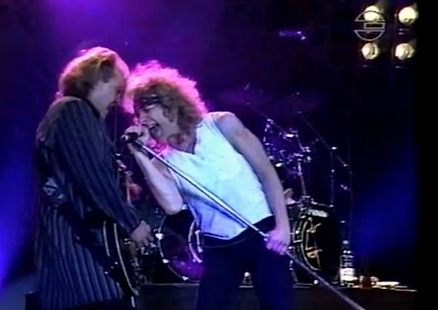
Lou Gramm wasn’t just singing—he was pleading, yearning, and delivering real emotion.
This was huge for male listeners—Foreigner’s ballads didn’t make guys feel soft. They made them feel like warriors of love.
Every teenage boy in the ‘80s had that one moment where a Foreigner ballad played at a school dance, and he had to make his move.
Foreigner didn’t just write ballads—
they created the soundtrack to young love in the ‘80s.
After Foreigner, every major rock band followed their lead:
🎸 Journey ("Faithfully", "Open Arms") – More synth-heavy and dramatic, following Foreigner’s blueprint.🎸 Bon Jovi ("I’ll Be There for You", "Bed of Roses") – Adding that big, emotional power ballad moment to their hard rock sound.🎸 Def Leppard ("Love Bites") – Mutt Lange brought Foreigner’s 4-style balladry into the hair metal era.🎸 Aerosmith ("Angel", later "I Don’t Want to Miss a Thing") – They leaned into Foreigner’s cinematic, emotional storytelling.
Foreigner didn’t make just another love song—they made songs that:
✅ Felt real – Not fairy tale love, but the deep, raw, emotional kind.
✅ Had cinematic production – You didn’t just hear it, you felt like you were in a movie.
✅ Had rock credibility – They didn’t go soft; they kept the grit and power in their vocals and delivery.
✅ Made guys feel something without embarrassment – You weren’t just a softie; you were a passionate, intense romantic hero.
Foreigner did what no other rock band had done before—they took the power ballad from cheesy to legendary. Their songs weren’t just about love—they were about emotion, longing, and epic, cinematic romance. That’s why they weren’t just played at school dances—they became the soundtrack of every teenager’s most unforgettable moments.
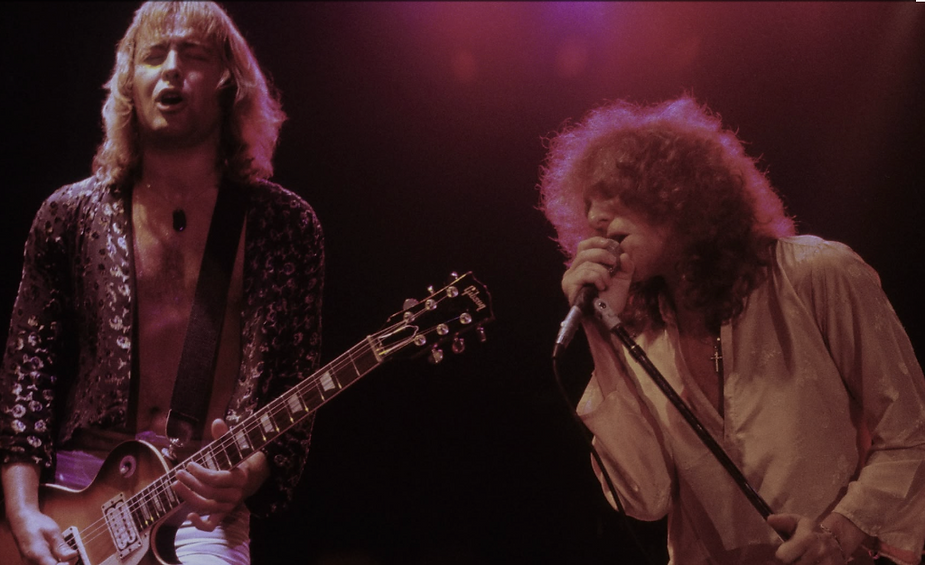
After 4 made Foreigner one of the biggest bands in the world, their journey took dramatic turns—from continued success to internal struggles, Lou Gramm’s departure and return, and a new era of Foreigner that still tours today.
Here’s the story of what happened after 4 (1981) up to the present:
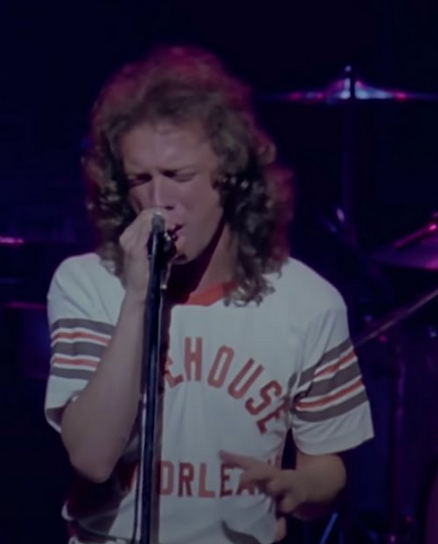
🎤 Lou Gramm’s Performance: His soaring, emotional delivery made this one of the most iconic ballads in rock history. But behind the scenes, tensions between Gramm and Mick Jones were growing.
This creative battle set the stage for Gramm’s first major departure.
👉 1991 – Unusual Heat
Realizing this, Mick Jones knew the band needed a reunion.

In 1997, Lou Gramm was diagnosed with a brain tumor (a benign one, but it still required serious surgery).
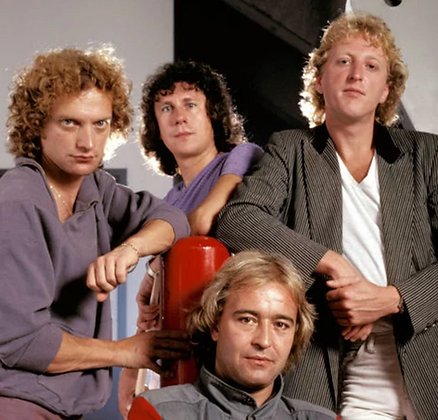
After leaving Foreigner for good, Gramm pursued solo work and spiritual healing, focusing on Christian rock and giving motivational speeches about overcoming his health struggles.
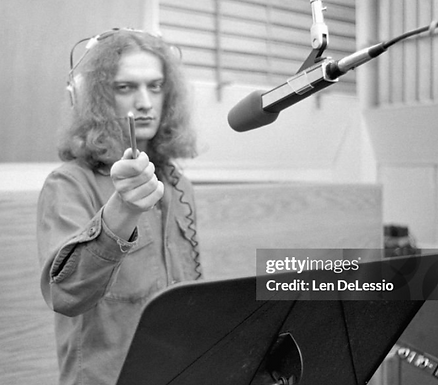
👉 Why Kelly Hansen Worked:Unlike other replacement singers, Hansen didn’t try to imitate Gramm exactly—instead, he kept the energy, power, and soul of Foreigner’s sound alive while bringing his own charisma.
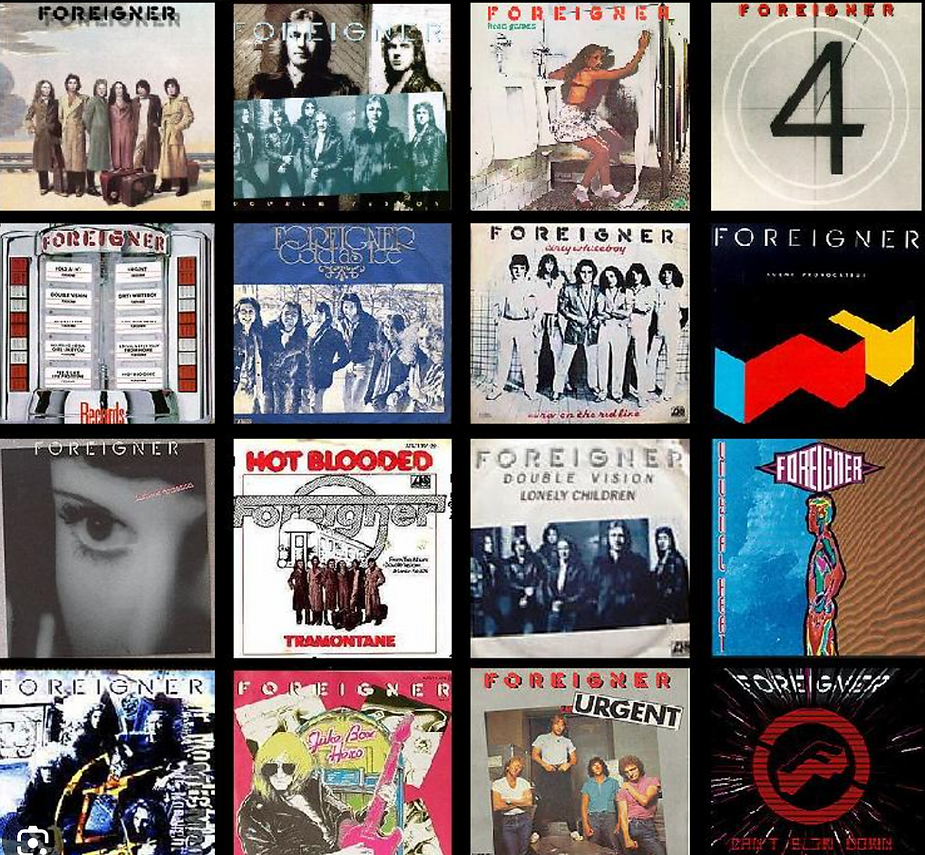

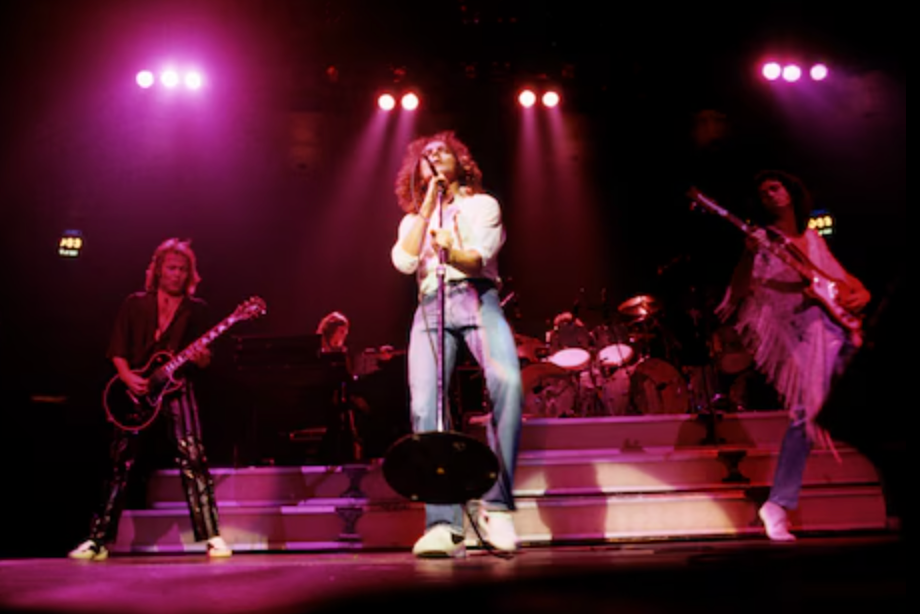
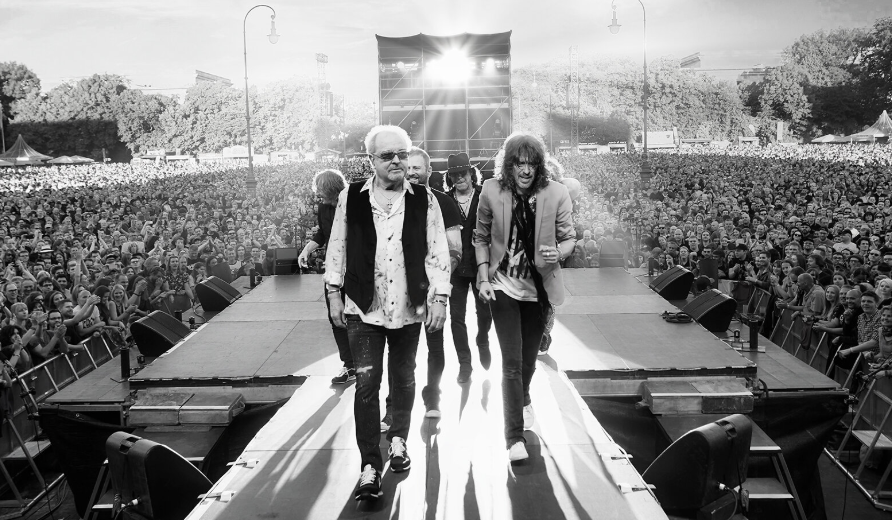
👉 Despite no longer being a "true original lineup," Foreigner still sells out shows worldwide. Their music remains a staple of classic rock radio, proving that their songs are timeless.
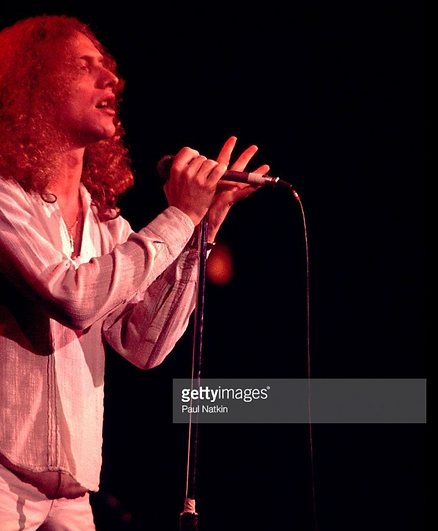
💬 Today, Lou Gramm is retired from full-time touring but still makes occasional live appearances.
🎤 His voice, affected by his past health struggles, isn’t what it once was, but he still performs in a lower register for fans.
🙏 He is active in Christian music, does interviews, and enjoys his legacy as one of rock’s greatest voices.

✅ They dominated rock and pop radio from the late ‘70s through the ‘80s.✅ They defined the power ballad without making it cheesy.✅ They overcame lineup changes, health struggles, and changing music trends—and still tour today.✅ Even without Lou Gramm, their music remains legendary, played on rock radio and streaming services worldwide.

👉 Despite ups and downs, Foreigner still fills arenas, proving that their songs are truly timeless.
-fotor-bg-remover-20251210165637.webp)


