-fotor-bg-remover-20251211141935.webp)
-fotor-bg-remover-20251211143525.webp)
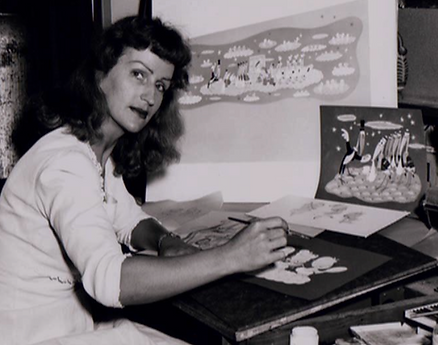
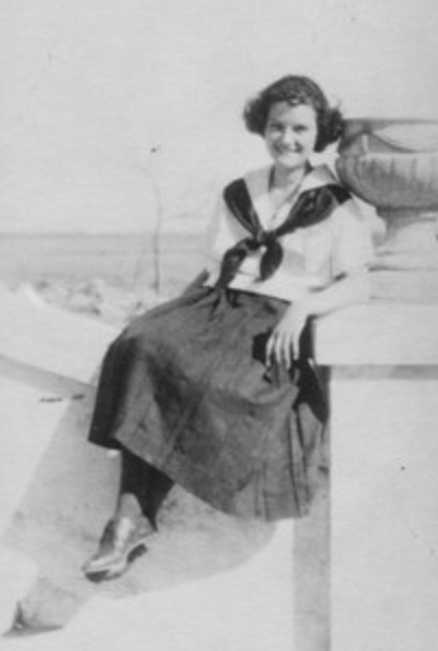
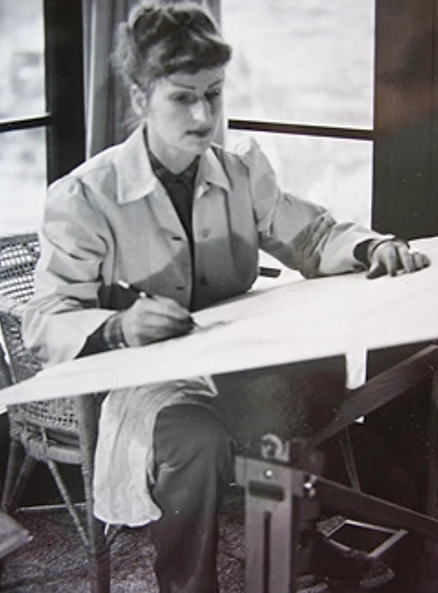
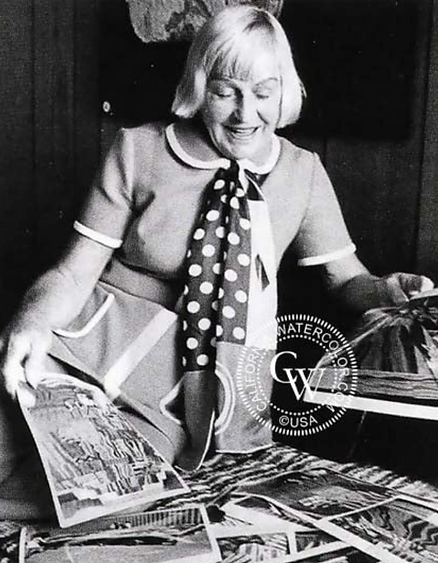
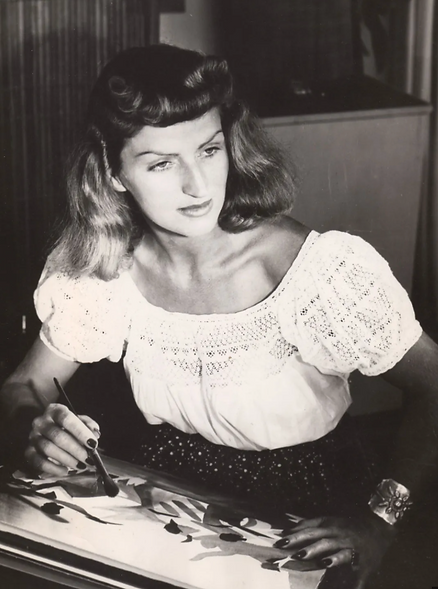
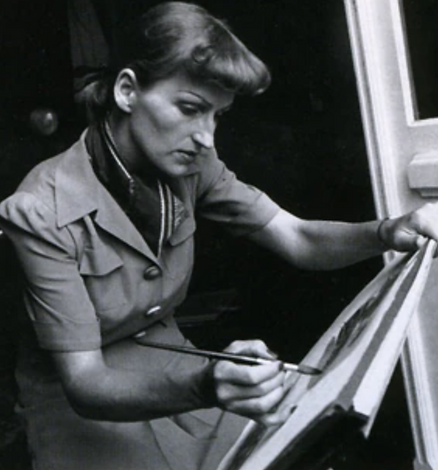
Mary Browne Robinson was born on October 21, 1911, in McAlester, Oklahoma. Life in the early 20th century was not easy, and her family soon moved to Texas and later California, where she spent most of her childhood.
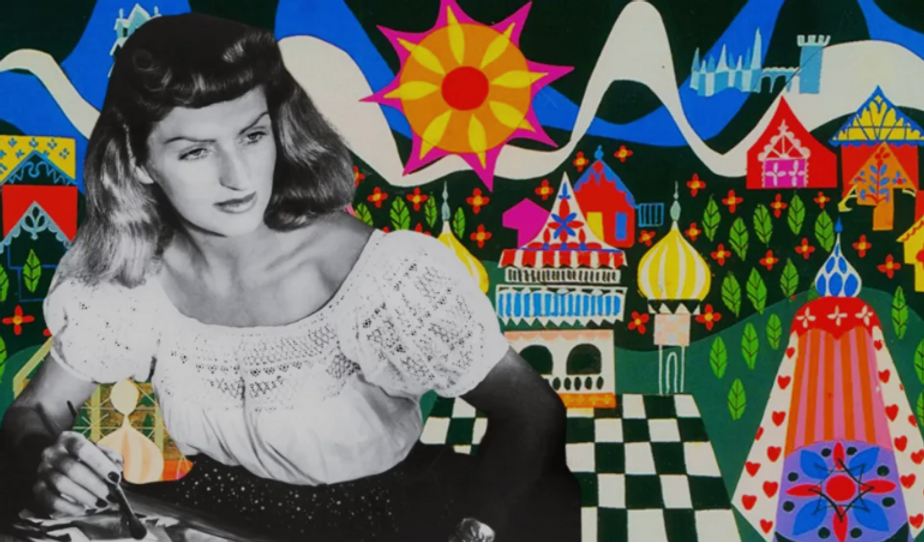
Even as a young girl, Mary had a natural talent for art, drawing and painting whenever she could. But opportunities for young women in the arts were scarce, and her family struggled financially.
Despite these challenges, Mary’s artistic spark could not be dimmed. She pursued her passion with determination, eventually earning a scholarship to the Chouinard Art Institute in Los Angeles (now CalArts), one of the most prestigious art schools of the time.
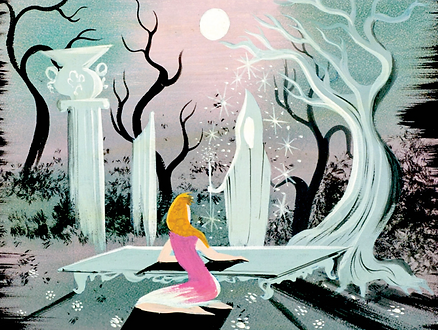
At Chouinard, Mary trained in classical techniques but was drawn to modern art movements like Cubism and Fauvism, which used bold colors and abstract shapes. These influences would later define her unique artistic style.
It was also at Chouinard that she met Lee Everett Blair, a fellow artist. The two married in 1934 and became deeply involved in California’s art scene.
Mary initially worked as a fine artist, but the Great Depression made it difficult to sustain a career in painting alone. She and Lee turned to commercial work, illustrating books and advertisements.
By the late 1930s, Hollywood’s animation industry was booming, and Walt Disney Studios was at the forefront. Lee Blair had already started working at Disney, and in 1940, Mary joined him—though not as an immediate star. She started as an art designer for Ub Iwerks’ animation studio, which was closely connected to Disney.
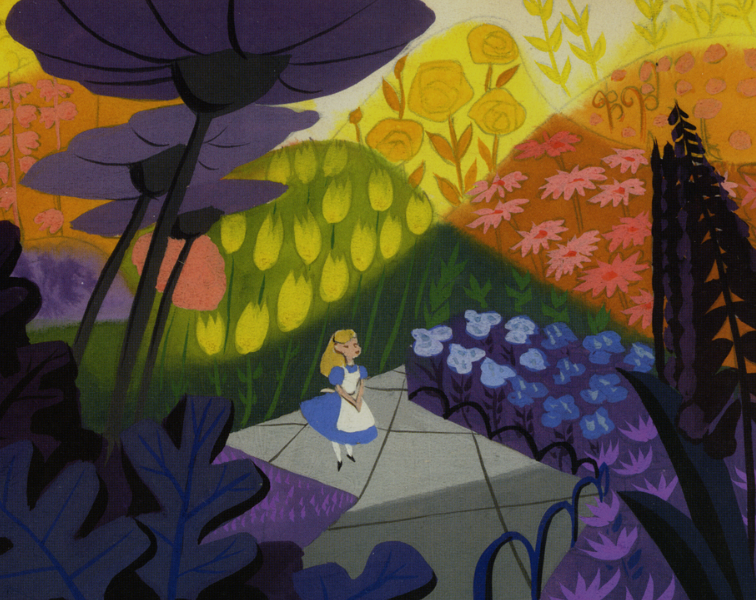
At first, Mary worked on more traditional animation projects like Dumbo and Lady and the Tramp, but she felt confined by the industry’s strict artistic conventions. She longed for something more expressive.
In 1941, Mary’s big break arrived—not in a studio, but on an adventure. Walt Disney invited her and a group of artists, including her husband, on a research trip to South America as part of the U.S. government’s Good Neighbor Program. This was meant to strengthen ties with Latin American countries during World War II, and Disney planned to create films inspired by the region (Saludos Amigos and The Three Caballeros).
During this trip, something awakened in Mary. She was mesmerized by the vibrant, saturated colors of the landscapes, the geometric patterns of indigenous textiles, and the whimsical energy of the local culture. Her sketchbooks exploded with bold hues, flattened perspectives, and imaginative designs—a completely fresh take on animation design.

When she returned to the U.S., she showed Walt Disney her work. He was astonished by her ability to capture mood and magic through color alone. From that moment on, she was no longer just another artist at Disney—she became one of his most trusted designers.
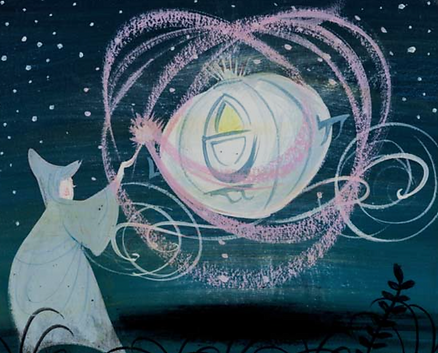
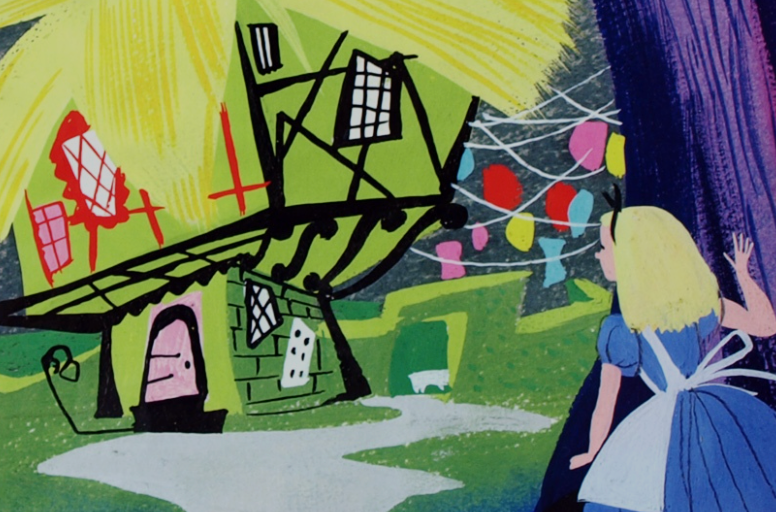
Mary Blair’s career took off. She became the color stylist and concept artist for some of Disney’s most iconic films, including:
Though her work was often adapted by the animation teams rather than appearing exactly as she painted it, her influence was undeniable. She changed the way Disney used color and design, elevating animation into an expressive art form.
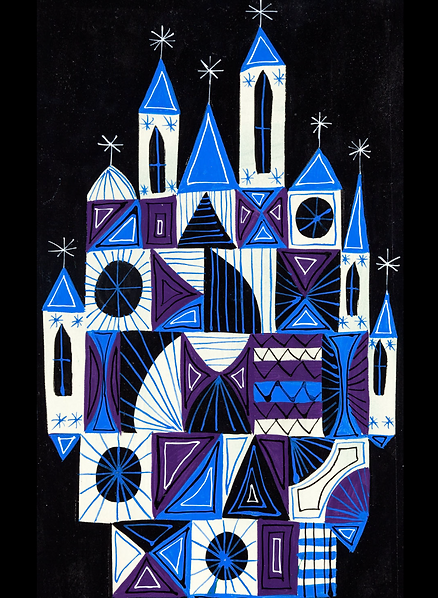
Mary Blair had come a long way from her small-town beginnings, breaking barriers as one of the few women in a male-dominated industry. She didn’t just design; she reimagined.
Her career was just beginning to reach its peak, and soon, her artistry would extend beyond film—leaving a legacy that would inspire generations.
And it all began with a young girl who dared to dream in color. 🌈
By the early 1960s, Mary Blair had already left Walt Disney Studios as a full-time artist. Though she had played a major role in shaping the look of Cinderella, Alice in Wonderland, and Peter Pan, she had moved on to work as a freelance illustrator and designer. But her influence had not been forgotten—especially by Walt Disney himself.
In 1963, Walt was approached to create a special attraction for the 1964-65 New York World’s Fair. The project? A boat ride that celebrated global unity through the voices of children. Originally called Children of the World, the attraction was meant to represent peace and harmony among different cultures. Disney needed someone with a unique artistic vision—someone who could bring joy, color, and imagination to the experience.
Walt knew exactly who to call: Mary Blair.
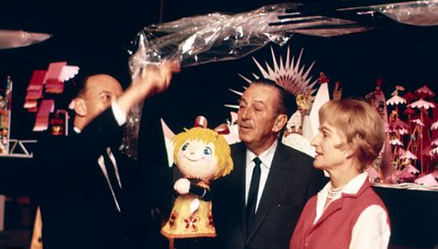
Mary was brought in as the artistic director of the attraction, and her signature style—bold colors, playful shapes, and geometric patterns—became the heart of It’s a Small World.
Instead of using realistic depictions of different cultures, she created a stylized, dreamlike version of the world, filled with whimsical architecture, oversized flowers, and childlike wonder.
She wanted the ride to feel like stepping into an illustrated storybook, where every turn brought a new discovery.
Her designs featured:
Every doll, costume, and backdrop was influenced by Mary’s artistic direction. Her ability to blend simplicity with sophistication gave the ride a warm, inviting atmosphere.
The costumes of the children—though stylized—were deeply inspired by traditional clothing from around the world, ensuring a sense of authenticity within her fantastical vision.
One of Mary’s most stunning contributions was the large, intricate murals that filled the attraction’s entrance and exit areas. These murals reflected her signature color-blocking style, featuring abstract sunbursts, stylized animals, and patterns that felt both folk-inspired and futuristic.
With Mary’s artistic vision leading the way, legendary Disney Imagineers like Marc Davis, Alice Davis, and Rolly Crump helped bring the attraction to life. Meanwhile, the Sherman Brothers composed the now-famous theme song, ensuring that It’s a Small World would leave a lasting emotional imprint on guests.
When the attraction debuted at the 1964-65 New York World’s Fair, it was an instant hit. The boat ride through a world of singing children captured hearts, reinforcing a message of unity during a time of global tension. After the fair, the ride was moved to Disneyland in 1966, where it became one of the park’s most beloved and enduring attractions.
Mary Blair’s colorful, joyful style remains the defining visual identity of It’s a Small World. Though she passed away in 1978, her artistic fingerprints are still visible in every version of the ride across Disney theme parks worldwide.
Her influence didn’t stop there—her use of color, bold shapes, and whimsical storytelling continue to inspire generations of artists, animators, and Imagineers. Today, visitors still sail through her vision, experiencing a world filled with hope, harmony, and endless imagination.
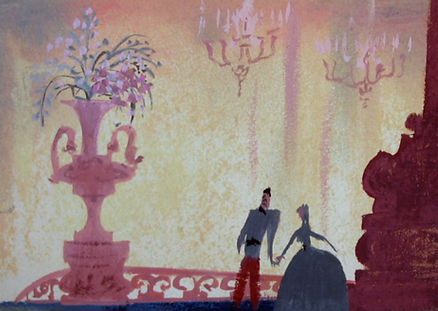
And it all started with one woman’s dream to paint the world in color. 🌎✨🎨✨
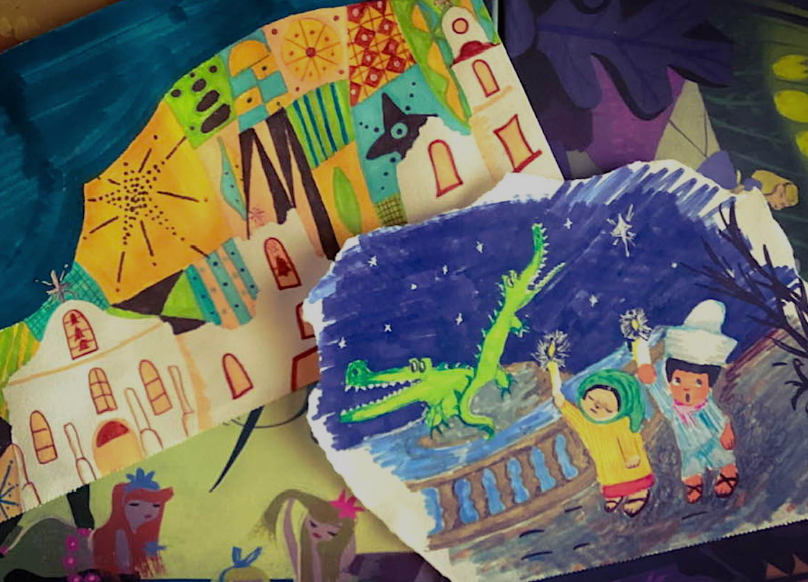
Mary Blair wasn’t just another artist at Disney—she was a visionary who completely transformed the studio’s approach to color and design. While many artists focused on realism and traditional animation techniques, Mary did something no one else dared to do:
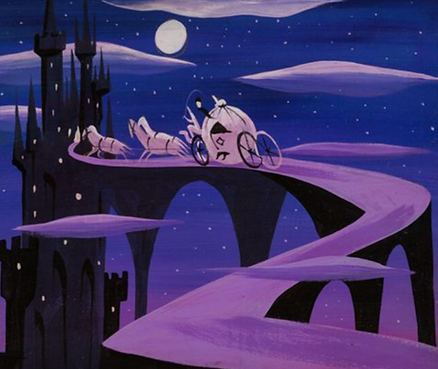
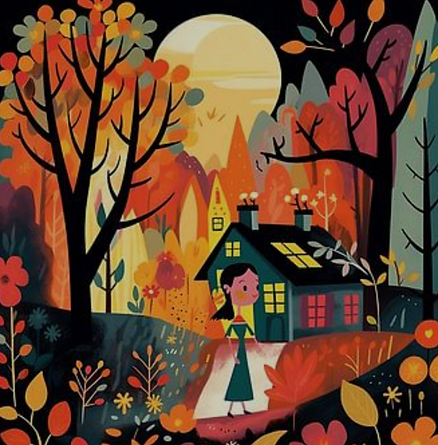
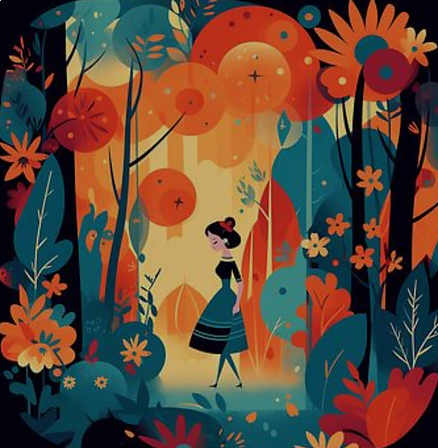
She Brought Modern Art into Disney Animation – At a time when Disney was known for soft, naturalistic color palettes, Mary introduced bold, high-contrast colors, geometric shapes, and stylized designs influenced by modern art movements like Cubism and Fauvism. Instead of blending colors in realistic ways, she used unexpected contrasts—like deep blues against warm oranges or intense pinks against muted greens—to create a sense of whimsy and emotion that had never been seen in animation before.
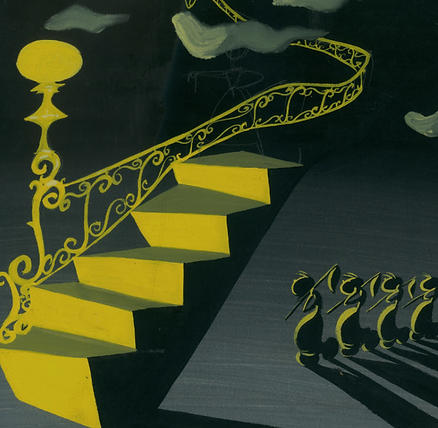
She Became Walt Disney’s Most Trusted Color Stylist – Unlike other concept artists, whose work often got adapted or toned down for final production, Walt Disney fully embraced Mary’s vision. He personally championed her work, trusting her eye for color and design more than anyone else’s.

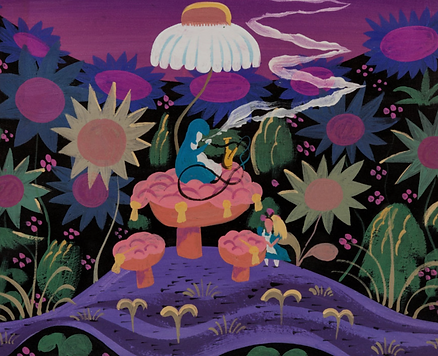
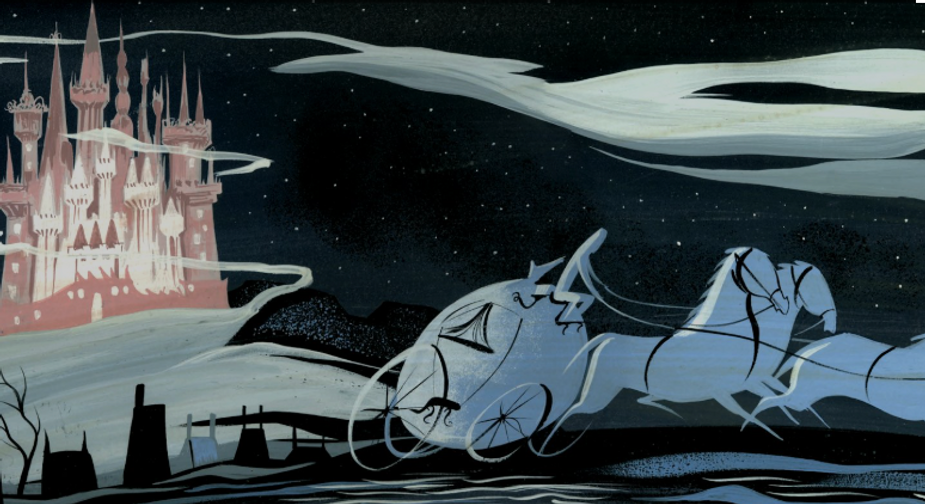
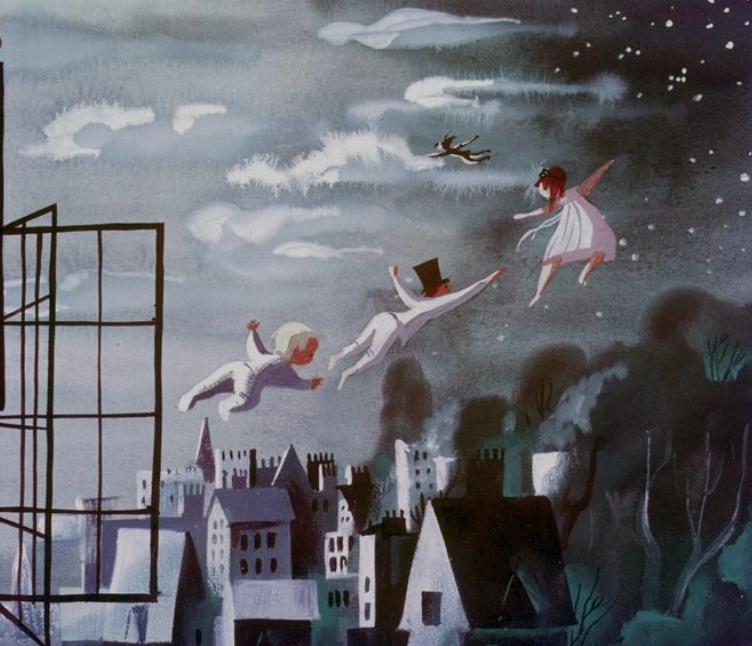
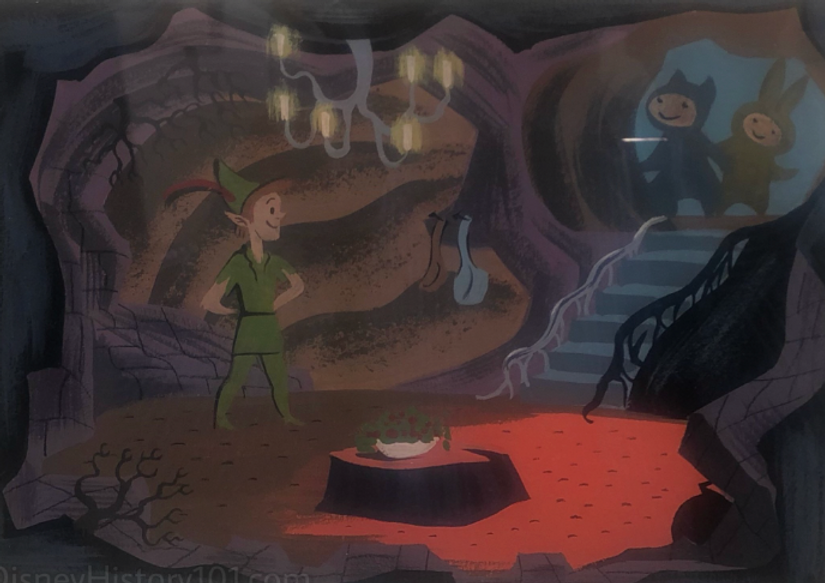
She Influenced the Entire Look of Disney’s Golden Age Films – Though she never animated a single frame, her color and design choices shaped the visual identity of Cinderella (1950), Alice in Wonderland (1951), and Peter Pan (1953). These films looked different from anything Disney had done before—and that was because of Mary Blair.
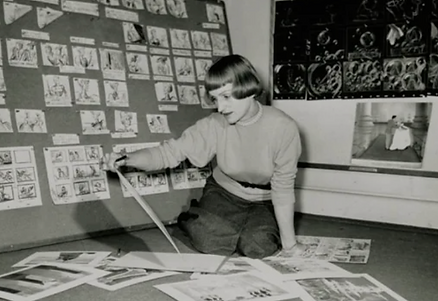
She Designed It’s a Small World, Creating an Immersive Disney Experience – While many Disney artists worked on films, Mary was one of the few to leave a lasting mark on Disney theme parks. Her art direction for It’s a Small World gave Disney one of its most iconic and beloved attractions, setting a new standard for how color, music, and visual storytelling could be used in theme park design.
Mary Blair left Disney in the mid-1950s to pursue a career as a freelance illustrator and designer. But her departure didn’t mark the end of her influence—it expanded it.
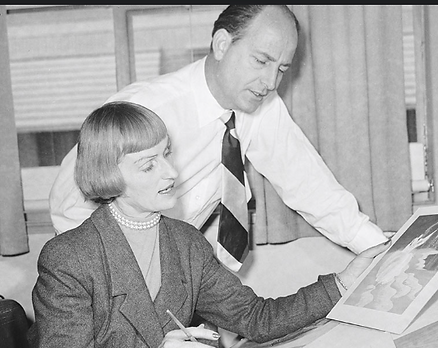
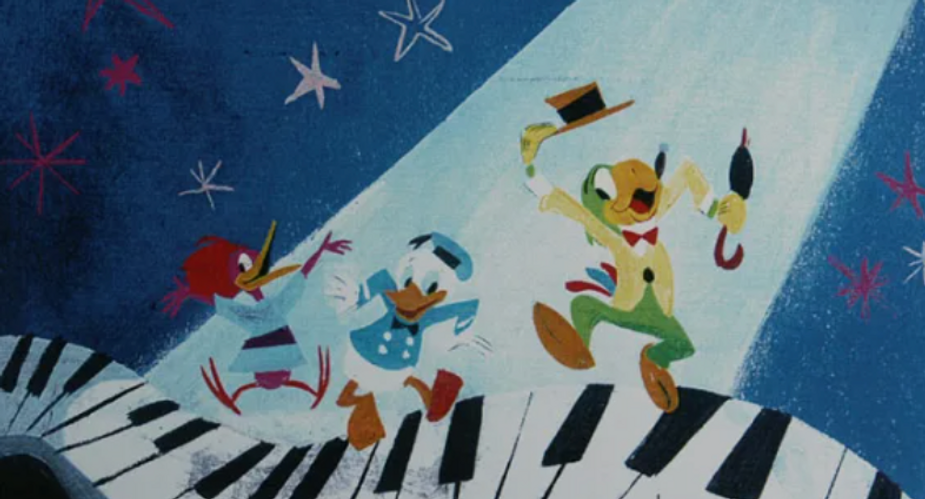
Mary Blair passed away in 1978, but her influence never faded—in fact, it has only grown stronger over time.
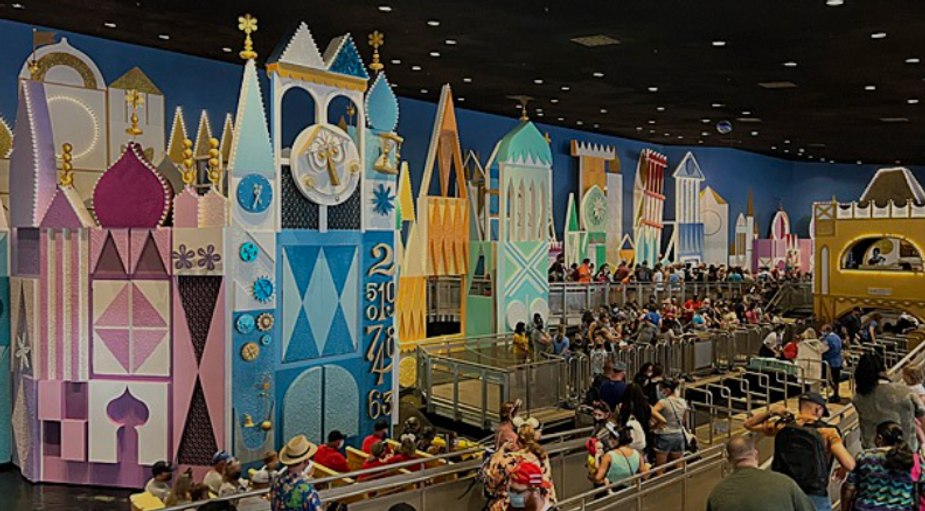

Mary’s influences came from fine art, travel, and the world around her:
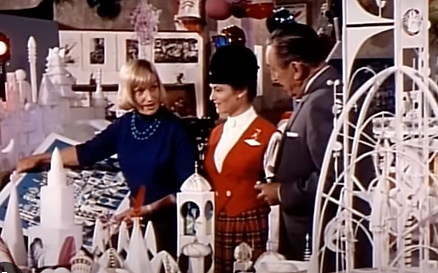
Mary’s distinctive artistic voice continues to inspire generations of creatives:
Mary Blair did more than create beautiful images—she changed the way Disney told stories through color, shape, and imagination. Her fearlessness in creativity continues to inspire, proving that sometimes, the boldest artists are the ones who see the world in a different palette. 🎨✨
Mary Blair wasn’t just another artist at Disney. She was a revolutionary force—someone who redefined animation, theme park design, and storytelling in ways that no other visual artist before or after her has accomplished. While many artists contributed to Disney’s legacy, Mary reshaped the very foundation of how color, design, and imagination work together in visual storytelling.
Here’s what she did that no other artist has done—or ever will in quite the same way:
Before Mary Blair, Disney films followed soft, painterly realism, inspired by European fairytales and classical art. But when Mary arrived, she introduced something bold, unexpected, and modern—a color-driven, stylized aesthetic that had never been seen in animation before.
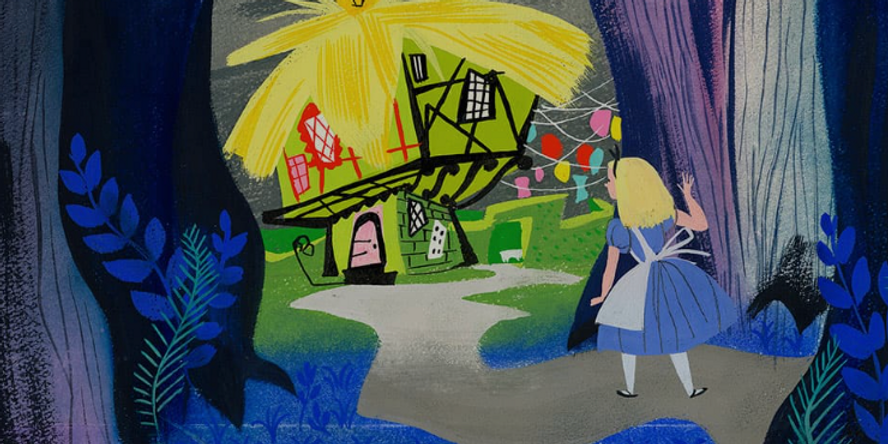
🔹 She used color to evoke emotion, not just realism – Deep blues for Cinderella’s loneliness, vibrant pinks and purples for Alice’s dreamlike Wonderland, fiery reds and golds for Peter Pan’s Neverland.

🔹 She broke the rules of perspective and form – Flattened shapes, exaggerated proportions, and abstracted landscapes replaced traditional realism, making Disney films feel like living paintings.
🔹 She made modern art mainstream – At a time when artists like Picasso and Matisse were considered “too avant-garde,” Mary Blair brought their influence into family-friendly animation, exposing millions to modernism without them even realizing it.
No artist before or after has ever single-handedly transformed Disney’s artistic identity the way she did.
Mary was one of the only artists Walt Disney personally championed. He had a legendary eye for talent, but no other visual artist had the kind of direct influence on his creative vision the way she did.
🔹 Walt fought to keep her bold ideas intact – Even when animators hesitated to translate her daring color choices and abstract designs into final films, Walt insisted on keeping her vision at the core.
🔹 She was given complete artistic control over It’s a Small World – Unlike other Disney artists who worked under supervision, Mary was given full reign over one of the most important theme park projects in Disney history.
No other artist had this level of creative trust and direct influence over Walt himself.
Most visual artists specialize in one medium—painting, animation, graphic design, or architecture. Mary did something no one else had ever done:
🔹 She changed animation by pioneering color-styling and concept design that shaped the look of entire films, not just single frames.
🔹 She changed theme park design by making It’s a Small World the first Disney attraction to feel like a living painting—a seamless fusion of movement, music, and art.

🔹 She changed children’s book illustration with her uniquely stylized, modern approach that continues to influence illustrators today.
Few artists in history—if any—have ever mastered and redefined multiple creative fields the way she did.
At a time when women were mostly relegated to ink-and-paint departments, Mary was one of the only female artists at Disney to shape the visual direction of major films.
🔹 She was a creative leader in a male-dominated industry – Decades before female art directors became common in animation, Mary was leading visual development for billion-dollar Disney classics.
🔹 She didn’t just work at Disney—she changed it – Many female artists contributed to Disney, but no other woman redefined the company’s artistic identity the way she did.
🔹 She proved that a woman’s artistic vision could be at the forefront of storytelling – Today, women like Jennifer Lee (Frozen) and Domee Shi (Turning Red) stand on her shoulders.
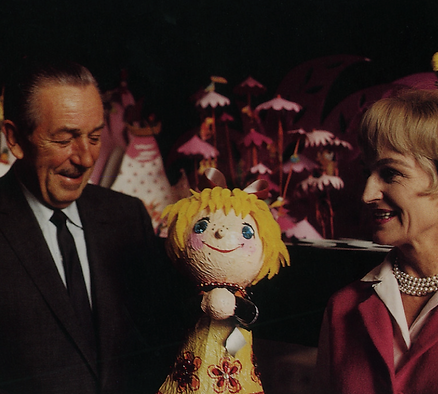
She was not just an artist—she was a trailblazer.
Many artists can imitate styles from past Disney films, but no one can truly replicate Mary Blair.
🔹 Her color palettes were completely original – No one before or after has been able to balance childlike whimsy with sophisticated color theory the way she did.

🔹 Her ability to combine folk art, modernism, and fantasy was unmatched – She blended Picasso, Latin American folk traditions, and fairy tales into something that felt effortless and magical.
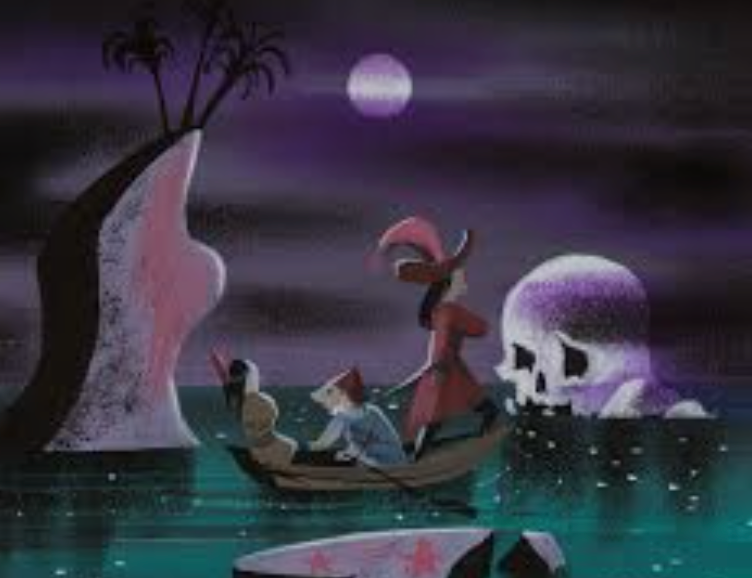
🔹 Her work was timeless yet futuristic – Even today, her designs feel ahead of their time, influencing everything from fashion to interior design.
Disney continues to honor her legacy, but her specific artistic touch can never be recreated.
Even today, Mary Blair’s impact can be felt everywhere:
🎨 Her influence lives on in Disney and Pixar – Films like Encanto, Frozen, and Coco all use bold, story-driven color palettes inspired by Mary’s work.
🎡 Her vision still defines Disney theme parks – It’s a Small World remains one of the most iconic rides in Disney history, unchanged in its fundamental design because her work was already perfect.
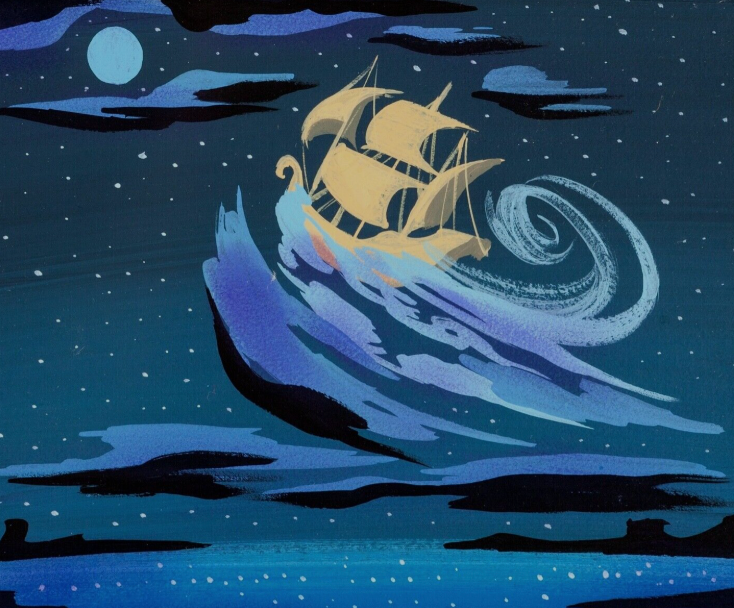
📚 She shaped children’s book illustration for generations – Her style has inspired countless illustrators who continue to push the boundaries of color and form.
👩🎨 She made animation a space for female artistic leadership – Without Mary, we might not have the same respect for women’s voices in animation and visual storytelling.
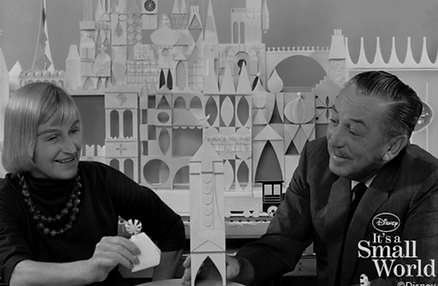
Mary Blair passed away on July 26, 1978, at the age of 66 due to a cerebral hemorrhage (stroke). Though her death was sudden, her artistic legacy has only grown stronger over time. Today, she is celebrated as one of the most influential artists in Disney history, with her work continuing to inspire animators, illustrators, and designers worldwide.
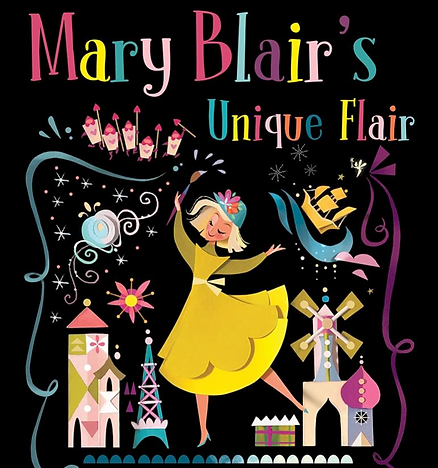
Mary Blair was a once-in-a-lifetime artist. While many artists have shaped Disney, none have single-handedly transformed its visual identity, influenced multiple creative industries, and pioneered an entirely new way of storytelling through color.
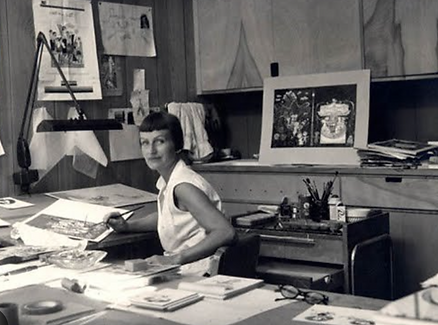
Her impact is not just in what she created, but in how she forever changed the way people experience art, animation, and storytelling.
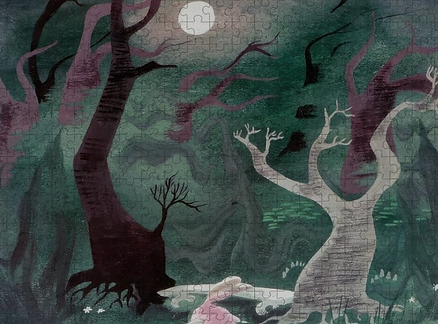
There may be other great artists, but there will never be another Mary Blair. 🌈✨
-fotor-bg-remover-20251210165637.webp)


