-fotor-bg-remover-20251211141935.webp)
-fotor-bg-remover-20251211143525.webp)
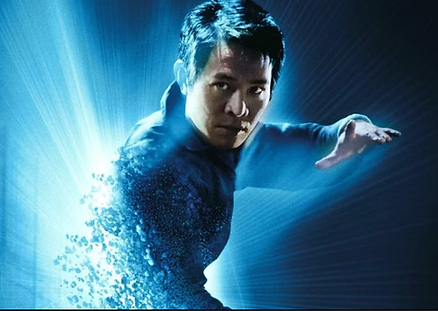
Jet Li, born Li Lianjie on April 26, 1963, in Beijing, China, was the youngest of five siblings. His father passed away when he was just two years old, leaving his mother to raise the family. As a child, Jet was quiet and disciplined, traits that would serve him well in his martial arts career.
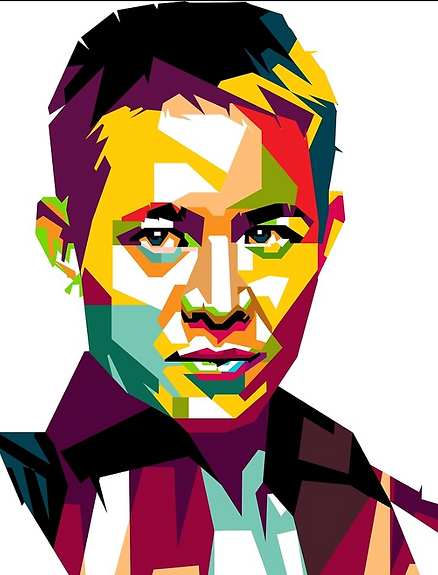
At the age of eight, he was discovered during a summer school program that introduced children to Wushu (Chinese martial arts). His exceptional talent caught the attention of coaches, and he was recruited into the Beijing Wushu Team, a prestigious national program.
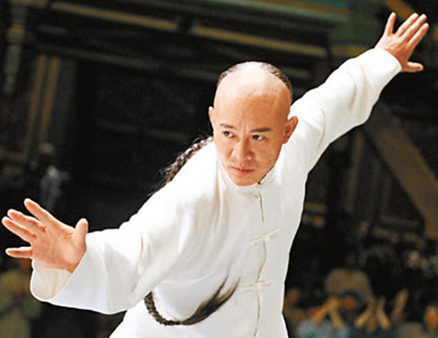
Under the rigorous training of legendary coach Wu Bin, Jet Li honed his martial arts skills and quickly rose through the ranks. Between the ages of nine and seventeen, he won five consecutive gold medals at the Chinese National Wushu Championships, defeating competitors much older than him.
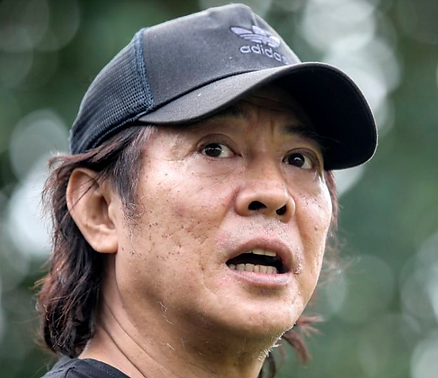
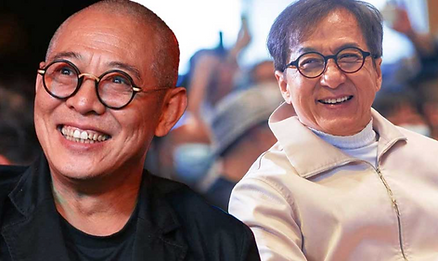
His abilities were so impressive that he was selected to perform for U.S. President Richard Nixon in 1974. When Nixon jokingly asked if Jet Li would like to be his bodyguard when he grew up, Li responded, “I don’t want to protect any one person. When I grow up, I want to defend my one billion Chinese countrymen!”
At 18, Jet Li retired from competitive Wushu due to injuries and shifted his focus to film. His big break came in 1982 with Shaolin Temple, a film that introduced authentic martial arts to Chinese cinema. The film became a massive hit, inspiring a resurgence of Shaolin martial arts schools across China.
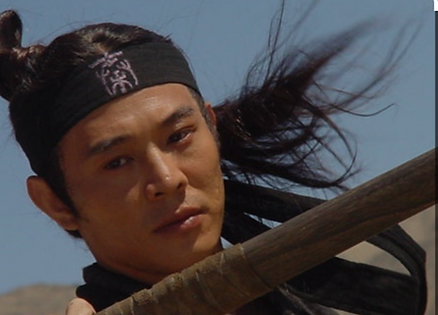
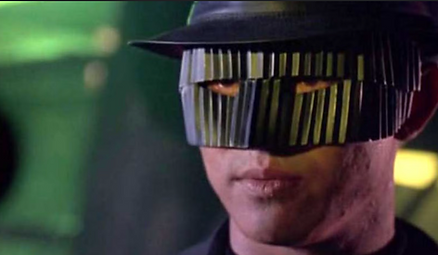
Following this success, Jet Li starred in several sequels, solidifying his status as a martial arts icon:
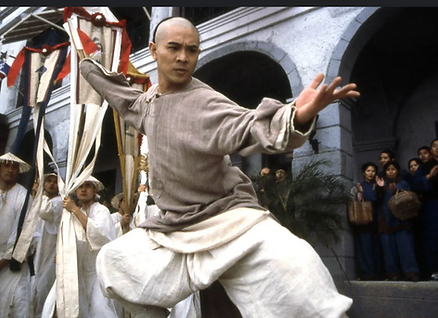
By the late 1980s, Jet Li had become one of the most celebrated martial arts stars in China, drawing comparisons to Bruce Lee. However, his greatest successes were yet to come.
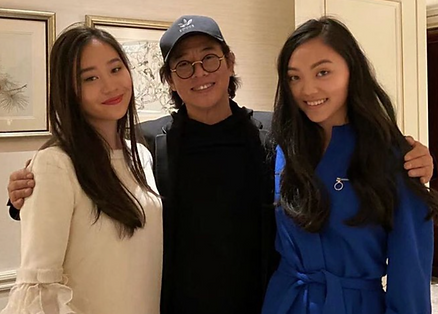
Jet Li’s most iconic role came in 1991 when he was cast as Wong Fei-hung in Once Upon a Time in China. This historical martial arts epic redefined the genre, blending action with deep philosophical and nationalist themes.

Jet Li’s portrayal of the legendary folk hero showcased his grace, power, and charisma.
The series included:
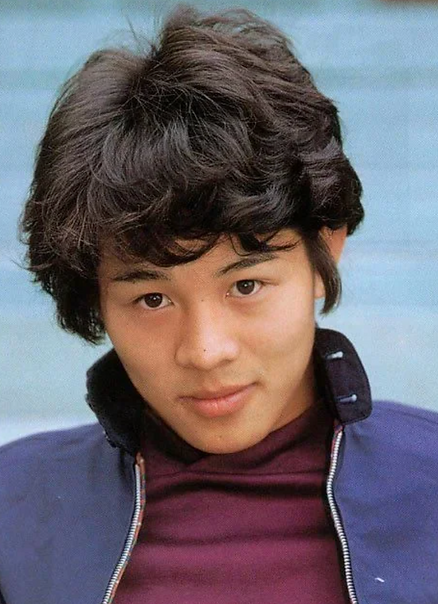
During this time, he also starred in:
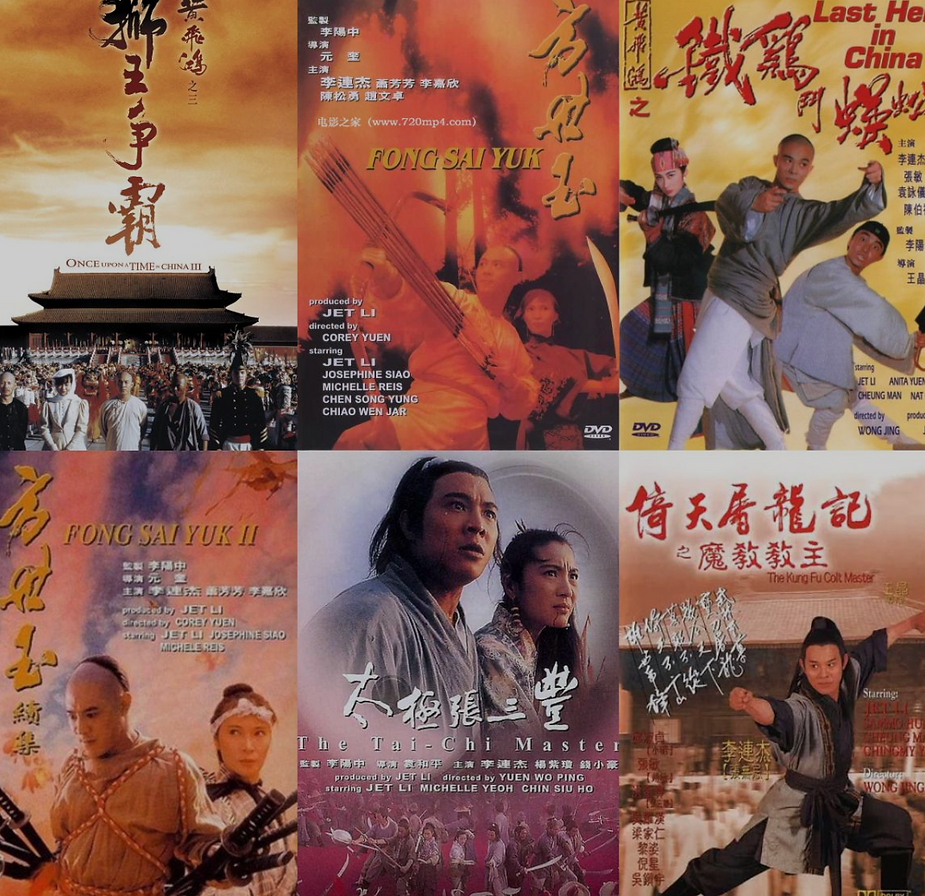
Jet Li made his Hollywood debut in Lethal Weapon 4 (1998), playing the silent but deadly villain Wah Sing Ku. This marked the first time Western audiences saw his martial arts mastery, and he stole every scene he was in.
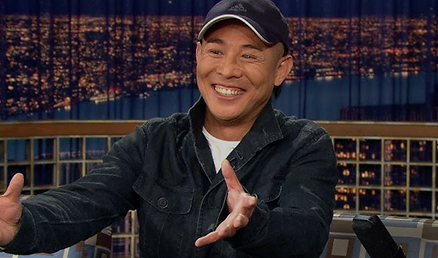
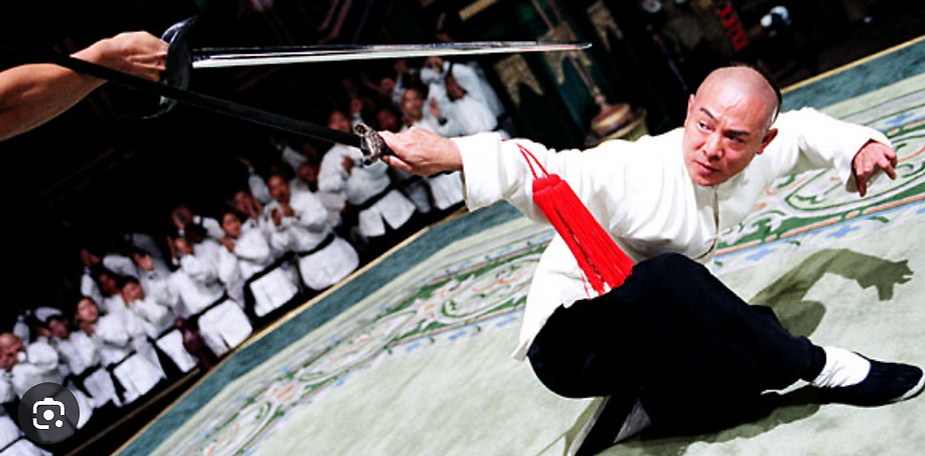
This performance led to his first leading role in a Hollywood film:
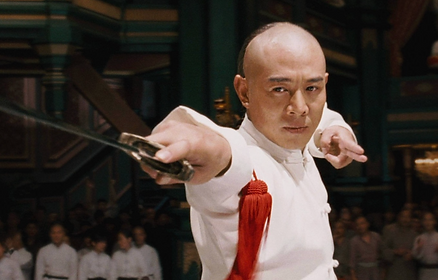
He followed it up with:
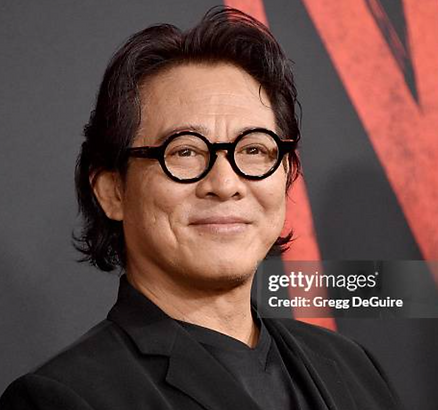
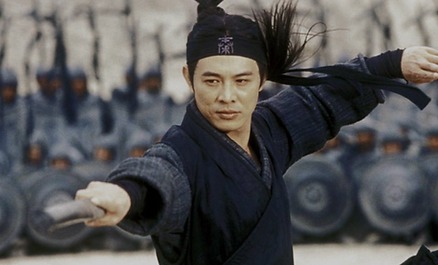
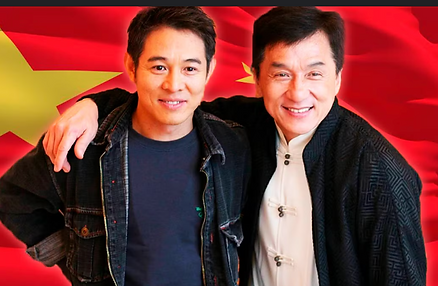
For years, fans had dreamed of a movie where Jet Li and Jackie Chan would face off. That finally happened in The Forbidden Kingdom (2008), where they played two legendary figures from Chinese mythology. Their fight scene together is considered one of the greatest in martial arts cinema.
In the 2010s, Jet Li joined Sylvester Stallone’s The Expendables franchise, fighting alongside Arnold Schwarzenegger, Bruce Willis, Jason Statham, and Dolph Lundgren. He appeared in The Expendables (2010), The Expendables 2 (2012), and The Expendables 3 (2014), though his screen time was limited due to health issues.
Around this time, Jet Li stepped away from action films due to his struggle with hyperthyroidism, which caused weight loss, fatigue, and heart issues.
His later roles include:
Jet Li’s impact on martial arts cinema is immeasurable. He bridged the gap between traditional Chinese films and Hollywood, paving the way for future generations of martial artists like Donnie Yen and Tony Jaa. His films emphasized not just action, but also philosophy, discipline, and honor.
Beyond cinema, Jet Li is a dedicated philanthropist. In 2007, he founded The One Foundation, focusing on disaster relief, poverty reduction, and education. He has also promoted Tai Chi, meditation, and Chinese medicine, advocating for holistic health.
Jet Li is one of a kind. While martial arts stars like Donnie Yen, Iko Uwais, and Tony Jaa have continued the tradition, none have matched his combination of authenticity, skill, and star power. His ability to mix grace, power, and storytelling in his fight choreography remains unmatched.
Whether through his films, his martial arts philosophy, or his humanitarian work, Jet Li’s legacy will live on forever.
-fotor-bg-remover-20251210165637.webp)


