-fotor-bg-remover-20251211141935.webp)
-fotor-bg-remover-20251211143525.webp)
Jay-Z, born Shawn Corey Carter on December 4, 1969, is more than just a rapper—he’s a billionaire entrepreneur, music mogul, and cultural icon. His journey from a tough childhood in Brooklyn to becoming one of the most influential figures in hip-hop and business is a story of resilience, talent, and strategic thinking.
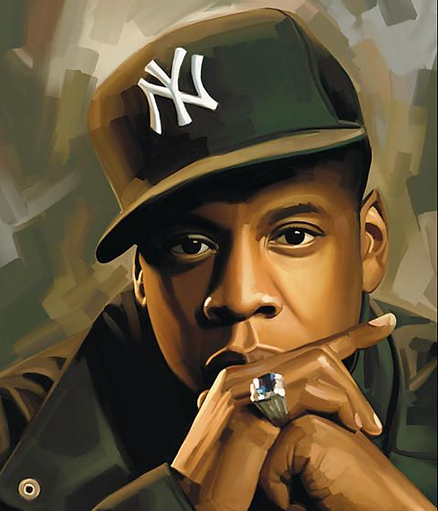
Jay-Z grew up in the Marcy Houses, a public housing complex in Brooklyn, New York, known for its high crime rates and poverty. His father, Adnis Reeves, abandoned the family when Shawn was just 11 years old, leaving his mother, Gloria Carter, to raise him and his three siblings alone.
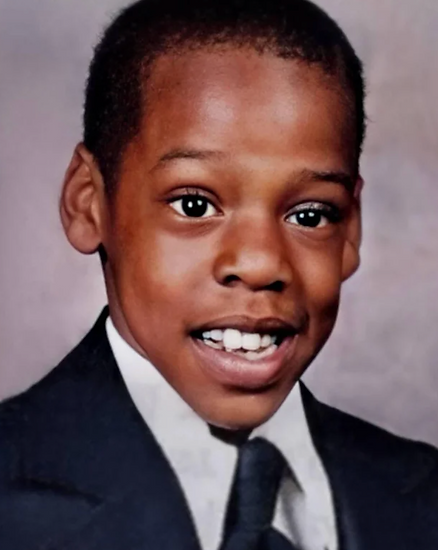
As a child, young Shawn showed an early love for music. His mother would later recall how he used to wake up his siblings by drumming beats on the kitchen table. She even bought him a boom box, which helped fuel his passion for hip-hop.
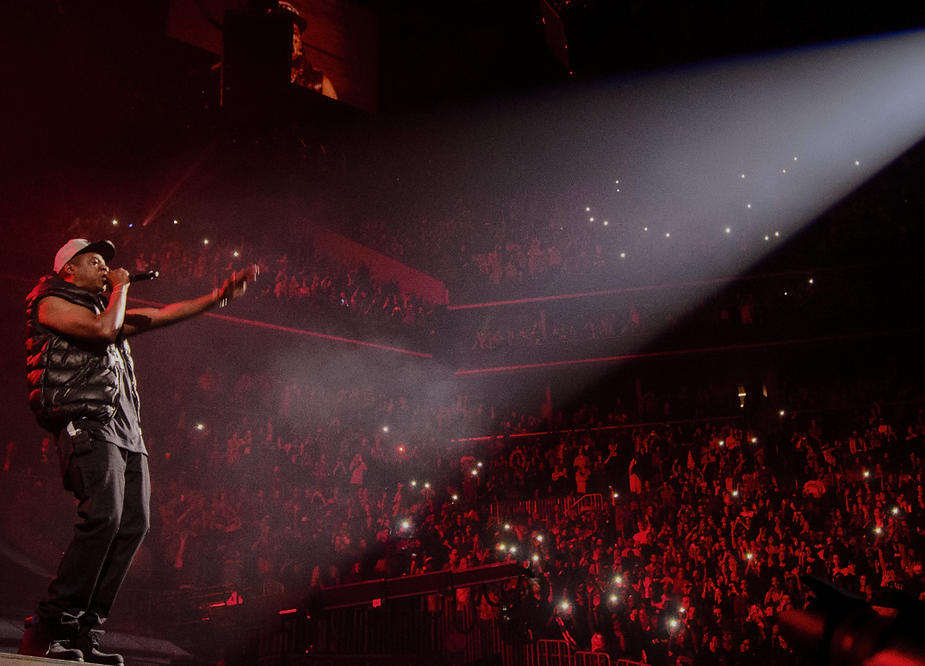
But growing up in the Marcy Projects wasn’t easy. The 1980s crack epidemic hit New York hard, and Jay-Z found himself drawn into street life. He attended Eli Whitney High School in Brooklyn but never graduated, instead turning to hustling as a way to make money. He later admitted to selling crack cocaine, a reality that shaped both his worldview and his music.
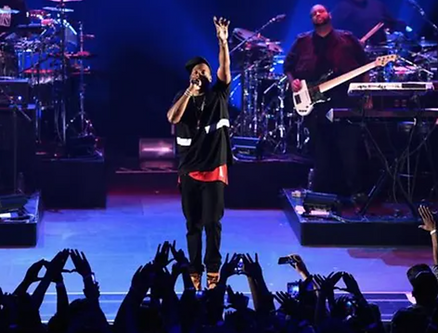
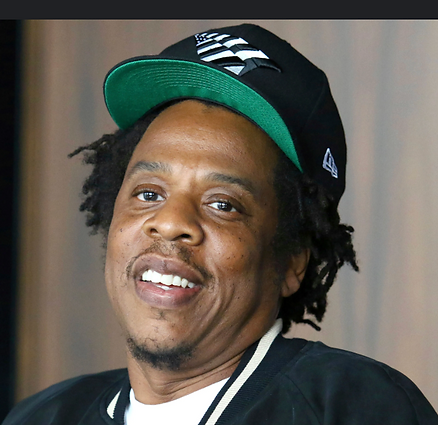
While hustling on the streets, Jay-Z continued to develop his lyrical skills. He was known for freestyling effortlessly, often writing rhymes in his head instead of on paper. He attended George Westinghouse Career and Technical Education High School, where he crossed paths with future rap legends like The Notorious B.I.G. and Busta Rhymes.
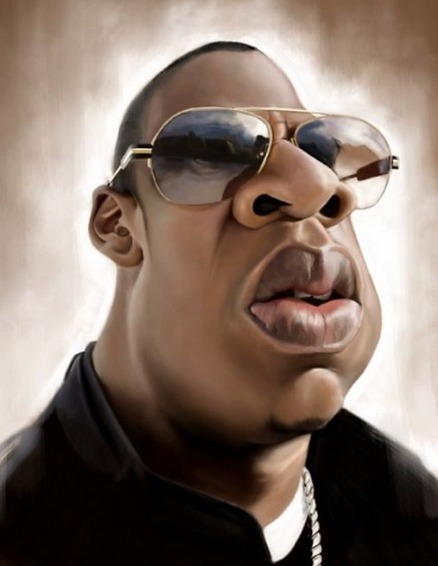
One of his early influences was Jaz-O, a Brooklyn rapper who took young Shawn under his wing. In 1989, Jay-Z made his first recorded appearance on Jaz-O’s song “Hawaiian Sophie”, but it didn’t bring him major success. Throughout the early ‘90s, Jay-Z struggled to secure a record deal. Unlike other rappers, he didn’t have industry connections, and labels weren’t willing to take a chance on him.
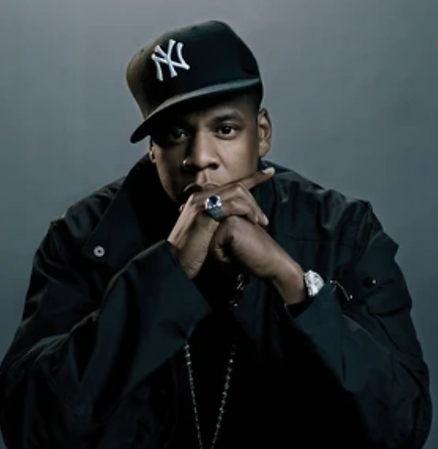
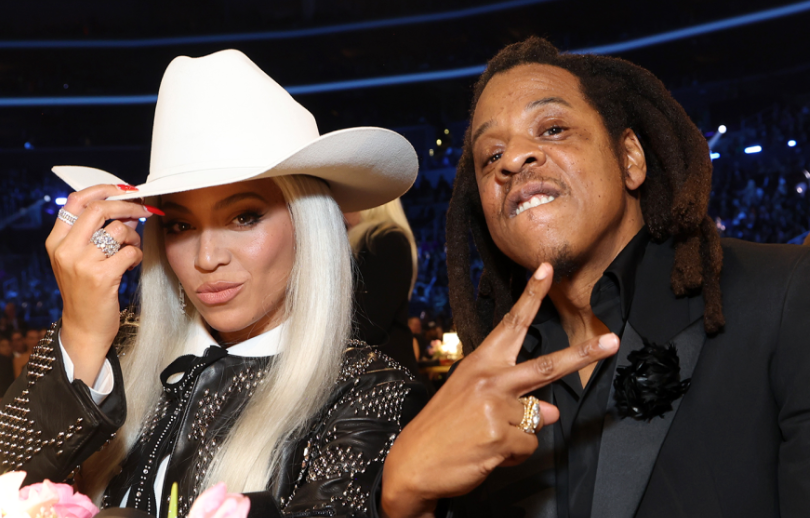
Rather than waiting for a record label to sign him, Jay-Z took control of his career. In 1995, he partnered with Damon Dash and Kareem "Biggs" Burke to launch Roc-A-Fella Records, an independent label. They used their own money to produce and distribute Jay-Z’s debut album, "Reasonable Doubt", which was released on June 25, 1996.
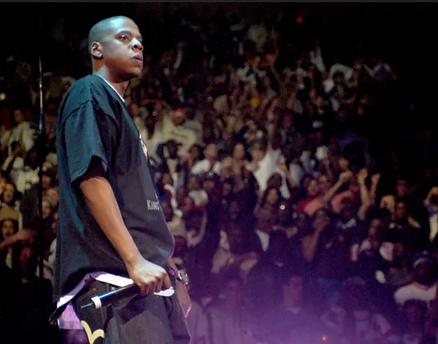
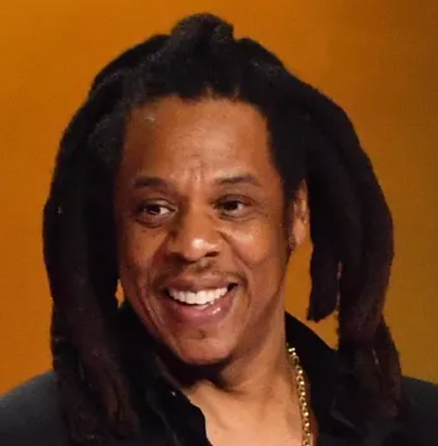
Although the album didn’t sell millions at first, it was critically acclaimed, with tracks like "Dead Presidents II," "Can’t Knock the Hustle," and "Brooklyn’s Finest" (featuring Biggie Smalls). The album is now considered one of the greatest hip-hop records of all time, setting the foundation for Jay-Z’s career.
After the success of "Reasonable Doubt," Jay-Z signed a distribution deal with Def Jam Records, giving him more reach while maintaining control over his music. He quickly capitalized on the momentum, releasing a string of successful albums:
By 2001, Jay-Z was already one of the biggest names in hip-hop, but "The Blueprint" solidified his legacy. Released on September 11, 2001, it featured production from a then-up-and-coming producer named Kanye West, who crafted soulful beats for songs like "Izzo (H.O.V.A.)" and "Heart of the City."
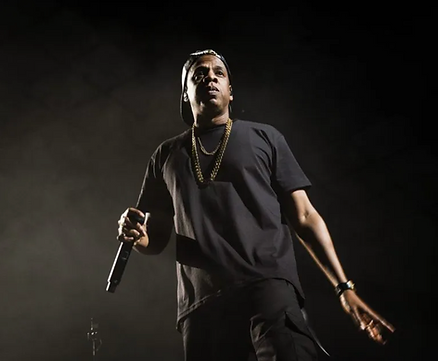
The album also featured "Takeover," a legendary diss track aimed at Nas, sparking one of hip-hop’s most famous rivalries.
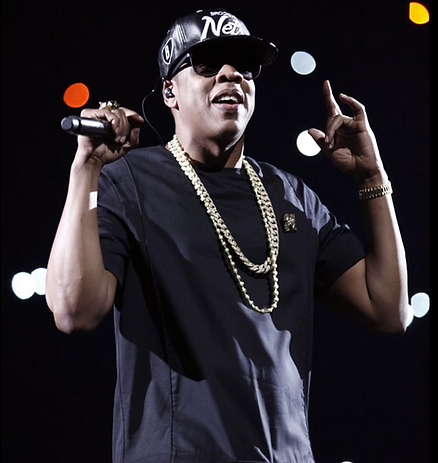
Jay-Z shocked fans in 2003 when he announced he was retiring from rap. He released "The Black Album", which was meant to be his final project, featuring classic songs like "99 Problems", "Dirt Off Your Shoulder", and "Encore."
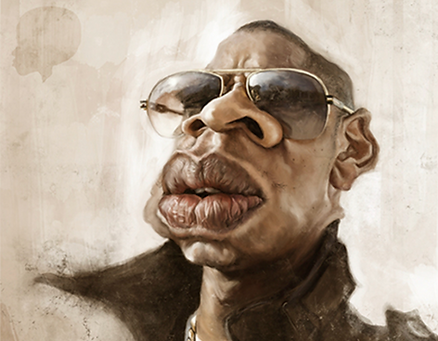
However, Jay-Z wasn’t done. Instead of walking away, he transitioned into the business side of music. In 2004, he became the President of Def Jam Records, overseeing artists like Rihanna, Kanye West, and Ne-Yo.
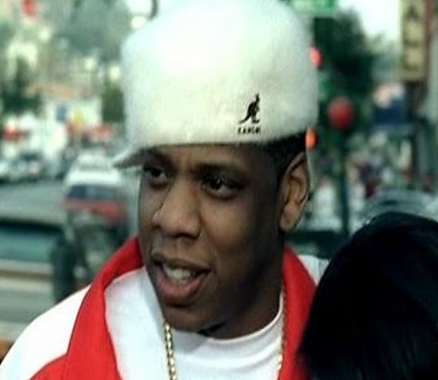
Jay-Z's business acumen became just as legendary as his rap career. Some of his biggest moves include:
In 2008, Jay-Z married Beyoncé, one of the most successful artists of all time. The power couple has since become a cultural phenomenon, collaborating on music like "Drunk in Love," "Crazy in Love," and their joint album "Everything Is Love" (2018).
They have three children: Blue Ivy Carter (born 2012), and twins Rumi & Sir (born 2017).
In 2019, Jay-Z became hip-hop’s first billionaire, with an empire spanning music, business, and activism. He’s been vocal about social justice, supporting movements like Black Lives Matter and criminal justice reform.
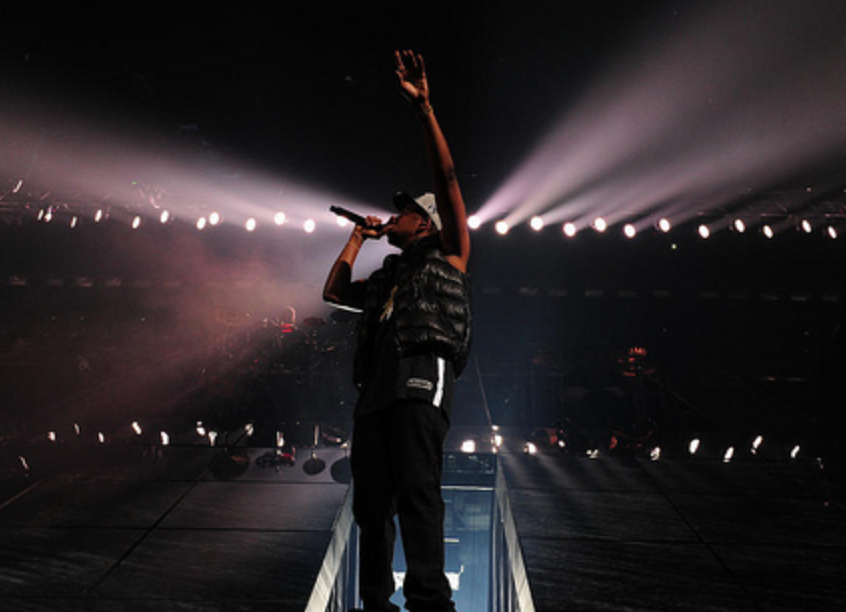
His influence extends beyond music—he’s redefined what it means to be a rapper-turned-mogul, showing that hip-hop artists can build multi-generational wealth and power.
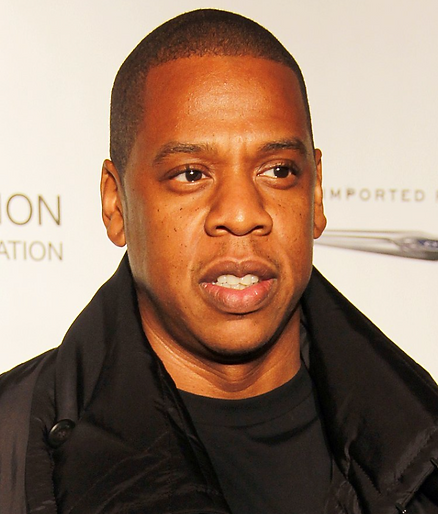
Jay-Z’s story is the ultimate rags-to-riches tale. From a young hustler in Brooklyn to a global icon, he has continuously reinvented himself, proving that talent, intelligence, and determination can break barriers.
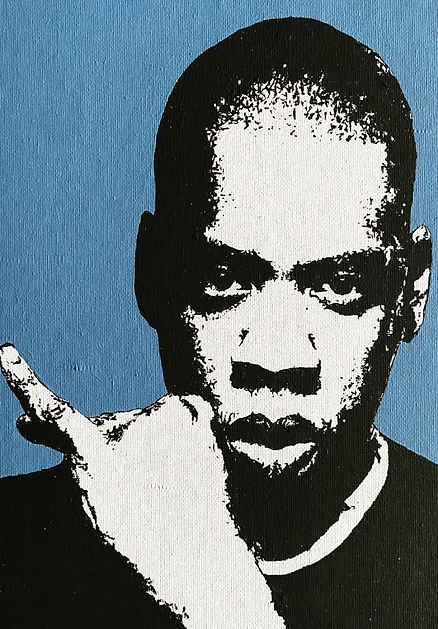
As he once said:"I'm not a businessman, I'm a business, man!"
Jay-Z’s style, business moves, and overall impact didn’t come out of nowhere—he was shaped by the legends before him and, in turn, has influenced an entire generation of artists, entrepreneurs, and cultural icons.
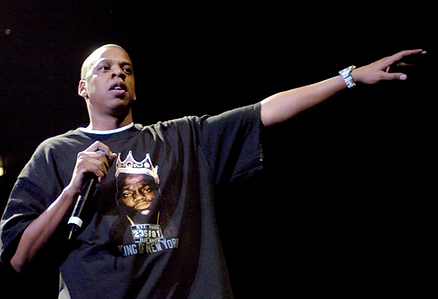
One of Jay-Z’s closest friends and biggest influences was The Notorious B.I.G.. Both Brooklyn natives, they came up in the rap game at the same time and had a deep respect for each other’s craft.
Jaz-O was one of Jay-Z’s first mentors in hip-hop. An underground Brooklyn rapper, Jaz-O took young Shawn Carter under his wing and even gave him the nickname "Jay-Z" (derived from Jaz-O’s name and their shared love for the J/Z subway lines in Brooklyn).
Rakim, one-half of Eric B. & Rakim, is one of the most influential lyricists in hip-hop history, and Jay-Z has cited him as a key influence.
Although they had one of the most famous rap beefs in history (Jay-Z vs. Nas, "Ether" vs. "Takeover"), Jay-Z was undeniably influenced by Nas’s storytelling ability and poetic lyricism.
Brooklyn legend Big Daddy Kane was one of the first rappers to combine swagger, wordplay, and smooth delivery—something Jay-Z adopted early in his career.
Known for his incredible storytelling and humor, Slick Rick influenced Jay-Z’s ability to craft vivid, narrative-driven lyrics.
Just as he was shaped by hip-hop’s greats, Jay-Z has gone on to influence multiple generations of artists, entrepreneurs, and cultural figures.
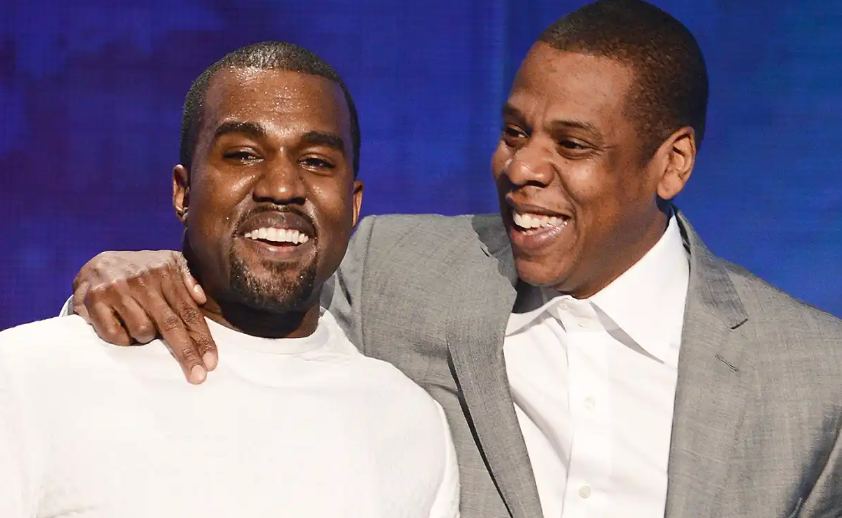
One of Jay-Z’s biggest protégés, Kanye West, went from being Jay-Z’s producer to one of the most influential artists of all time.
Despite some rocky moments in their friendship, Kanye has repeatedly called Jay-Z one of his biggest inspirations.
Jay-Z personally signed J. Cole to Roc Nation in 2009, making him one of the first artists on the label.
Drake has always idolized Jay-Z and has frequently referenced him in his music.
Jay-Z played a huge role in launching Rihanna’s career when he signed her to Def Jam in 2005.
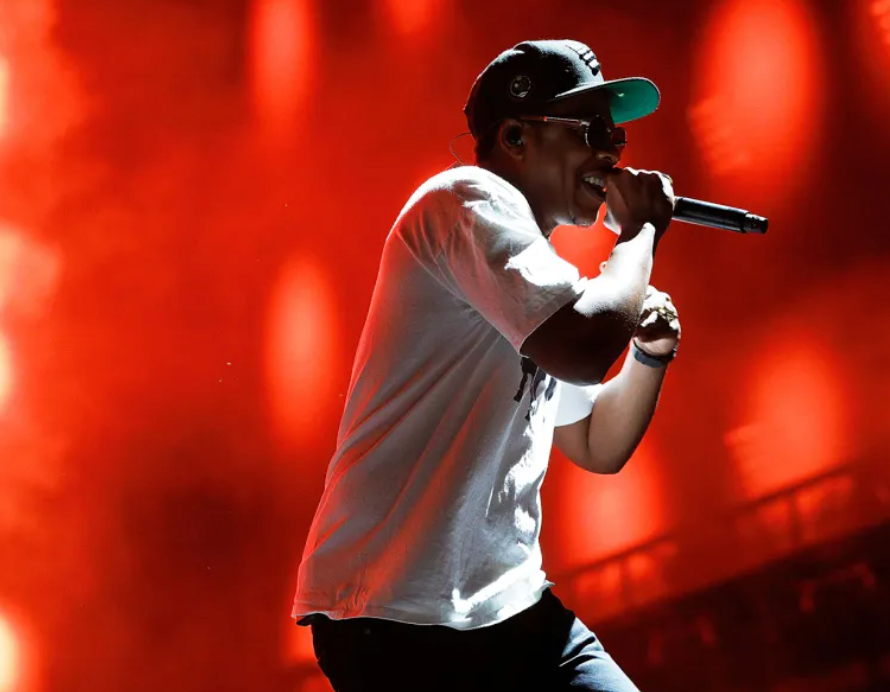
Jay-Z has been a mentor to Meek Mill, both musically and in business.
Before his tragic passing, Nipsey Hussle cited Jay-Z as his biggest inspiration.
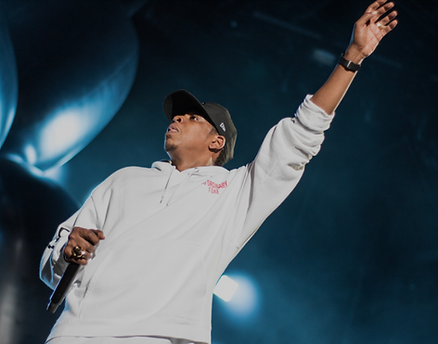
Jay-Z’s influence extends far beyond hip-hop.
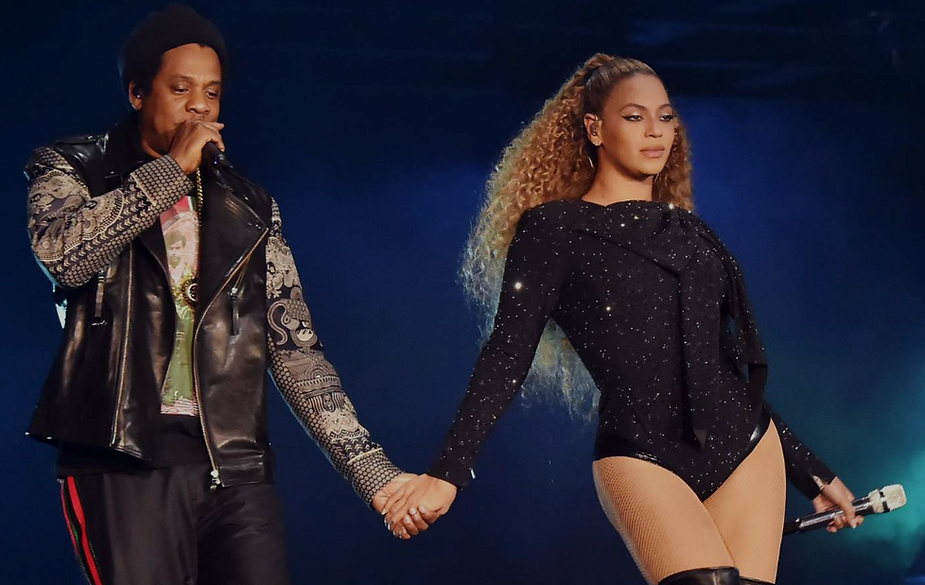
Jay-Z went from being influenced by rap legends like Biggie, Rakim, and Big Daddy Kane to becoming one of the most influential artists in history. His impact on hip-hop, business, and culture is undeniable, and he continues to inspire new generations of musicians, entrepreneurs, and dreamers.
As Jay-Z once said:"Legacy, legacy, legacy, BLACK EXCELLENCE, baby, you gon’ let 'em see!"
Jay-Z isn’t just a rapper—he’s a visionary, business mogul, and cultural architect. While many artists achieve fame, few transcend music to build a lasting empire. Jay-Z redefined hip-hop’s role in business, ownership, and influence, making moves no other rapper has done or is likely to replicate.
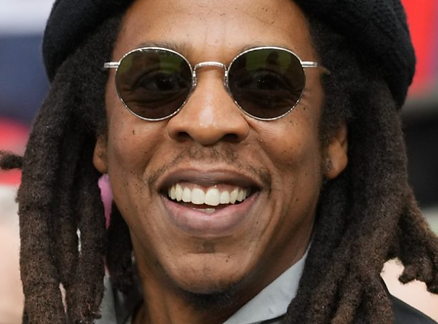
💡 “Financial freedom is my only hope. F** livin’ rich and dyin’ broke.”* – Jay-Z, The Story of O.J.
💡 “We don’t have to be billionaires. We can be thousandaires. But we have to take care of our own.” – Jay-Z
💡 “I’m overcharging n**** for what they did to the Cold Crush.”* – Jay-Z, Izzo (H.O.V.A.)
💡 “I’m not a businessman, I’m a business, man!” – Jay-Z, Diamonds from Sierra Leone (Remix)
💡 “Rosa Parks sat so Martin Luther could walk, Martin Luther walked so Barack Obama could run, Barack Obama ran so all the children could fly.” – Jay-Z
💡 “You could be anywhere in the world right now, but you’re here with me. I appreciate that.” – Jay-Z, Encore
Jay-Z rewrote the rules for rappers, proving that hip-hop isn’t just about music—it’s about ownership, wealth-building, and cultural influence. His legacy isn’t just his albums—it’s the doors he opened for future generations.
💡 He turned rap into a vehicle for generational wealth and proved that hip-hop’s power extends far beyond the studio.
📌 “A wise man told me don’t argue with fools. Cause people from a distance can’t tell who is who.” – Takeover
📌 “You can want success all you want, but to get it, you can’t falter. You can’t slip, you can’t sleep. One eye open, for real, and forever.”
📌 “We hustle out of a sense of hopelessness. Sort of a desperation. Through that desperation, we become addicted.” – Can I Live
📌 “I believe excellence is being able to perform at a high level over and over again.”
📌 “Everybody look at you strange, say you changed. Like you work that hard to stay the same.” – Momma Loves Me
Jay-Z did what no other rapper did—he built an empire, became hip-hop’s first billionaire, fought for ownership, and left a legacy bigger than music.
💡 He didn’t just make rap history. He made history, period.
-fotor-bg-remover-20251210165637.webp)


