-fotor-bg-remover-20251211141935.webp)
-fotor-bg-remover-20251211143525.webp)
Drake’s journey from a Toronto kid to a rising hip-hop star is one of persistence, talent, and strategic moves.
Here’s how he went from humble beginnings to his first major recognition in the music industry.
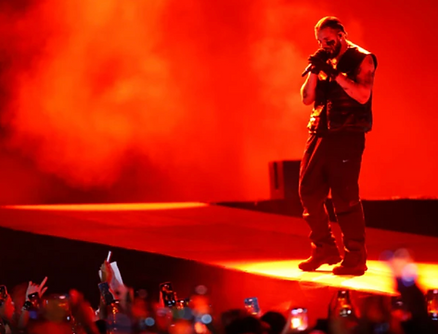
Aubrey Drake Graham was born on October 24, 1986, in Toronto, Canada. His father, Dennis Graham, was a drummer who worked with Jerry Lee Lewis, while his mother, Sandi Graham, was a Canadian teacher.
Drake was raised primarily by his mother after his parents divorced when he was five.
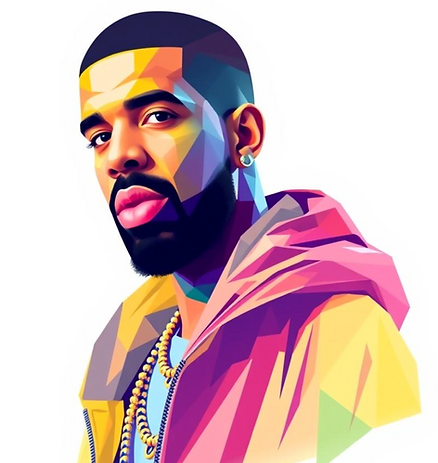
Growing up in Forest Hill, a middle-class neighborhood in Toronto, Drake had a mix of privilege and struggle—his mother worked hard to support him, but they weren’t wealthy.
Drake’s first real break wasn’t in music—it was acting. At just 15, he landed a role on Degrassi: The Next Generation, playing Jimmy Brooks, a basketball player who becomes wheelchair-bound after a school shooting.
The show was a hit, and Drake stayed on for seven seasons (2001-2008).
Though Degrassi gave him financial stability, Drake always had his heart set on music. He began writing and recording songs in his downtime, drawing influence from Jay-Z, Lil Wayne, and Kanye West.
While still acting, Drake was recording and releasing mixtapes independently, hustling to build a name in hip-hop.
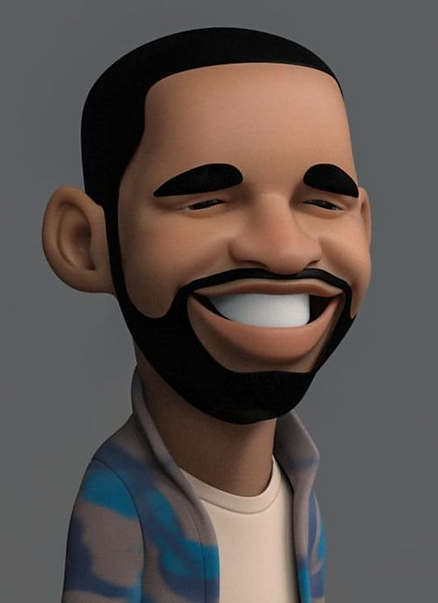
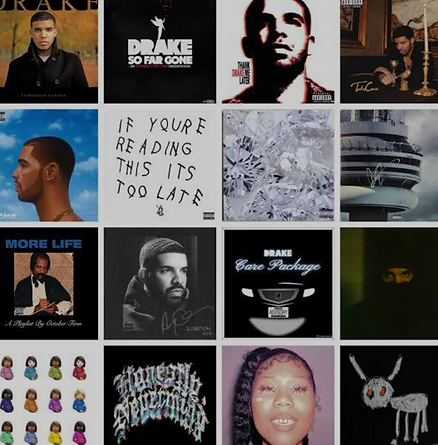
Drake’s third mixtape, "So Far Gone" (2009), was a game-changer. It blended hip-hop, R&B, and introspective lyricism, showing the world a new kind of rapper—one who could rap and sing effortlessly.
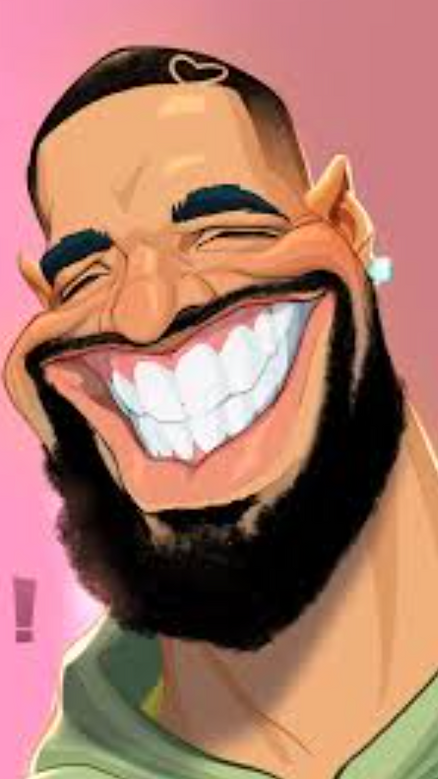
🔥 Key moments from this era:
At this point, Drake wasn’t signed yet—but the industry was watching closely.
After a major label bidding war, Drake signed with Lil Wayne’s Young Money Entertainment in June 2009.
This move officially launched his career, and from that moment, he was no longer just an actor-turned-rapper—he was hip-hop’s next big thing.
His first studio album, "Thank Me Later" (2010), debuted at #1 on the Billboard 200, marking the start of Drake’s takeover of the rap game.
This early phase of his career showed that Drake’s success wasn’t overnight—it was years of building momentum, making smart connections, and perfecting his craft. From a child actor in Canada to a global rap superstar, his rise was both unconventional and groundbreaking.
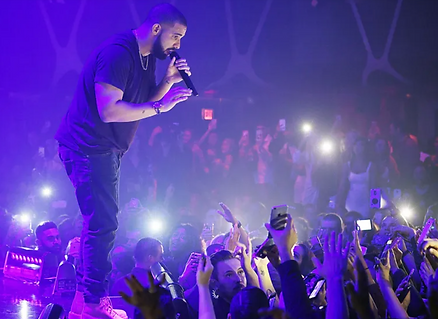
The 2000s were Drake’s grind years, where he went from an unknown Canadian actor to an independent rap sensation, laying the foundation for his massive success in the 2010s.
Before he was a rap superstar, Aubrey Drake Graham was best known for his role as Jimmy Brooks on Degrassi: The Next Generation. He joined the show in 2001 at age 15 and played Jimmy, a talented basketball player who became paralyzed after a school shooting.
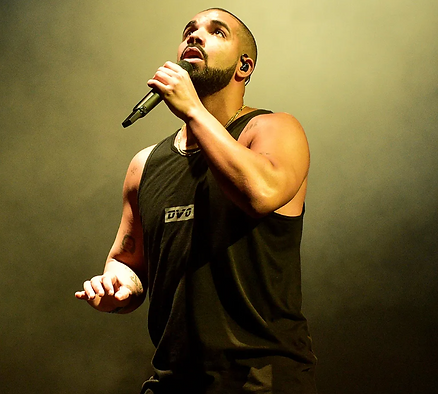
While filming Degrassi, Drake started making music on the side, writing raps and recording in studios during breaks.
At 19, Drake dropped his first mixtape, "Room for Improvement" (2006). It was heavily inspired by Jay-Z, Kanye West, and Little Brother, showcasing a more lyrical and soulful rap style.
Drake’s second mixtape, "Comeback Season" (2007), was a major step forward. It featured the single "Replacement Girl" (feat. Trey Songz), which became the first music video from an unsigned Canadian rapper to air on BET’s 106 & Park.
🔥 Key Moments from This Era:
At this point, Drake had built an underground buzz, but he was still unsigned and working without major backing.
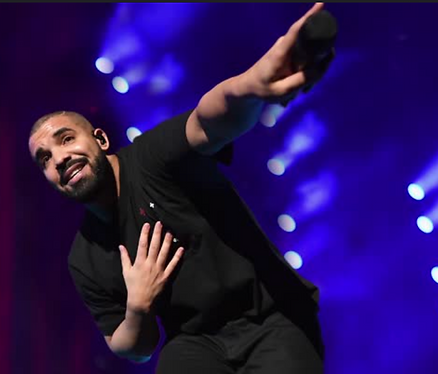
In 2008, Drake was cut from Degrassi, meaning he lost his stable TV income. He had to go all-in on music without a Plan B.
Then came "So Far Gone" (2009)—the mixtape that made him a superstar before he even had a record deal.
🔥 Key Tracks & Moments:
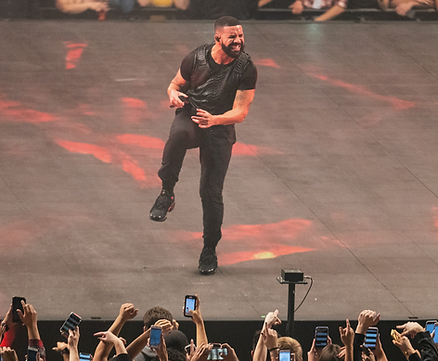
The Industry Takes Notice:
By the end of the decade, Drake signed with Young Money (June 2009), officially launching his career as a major-label artist. His first album, "Thank Me Later" (2010), would make him a superstar—but the 2000s were all about the grind, the setbacks, and the breakthrough.
By the time Drake entered the 2010s, he had already made history as an independent artist, but now it was time to dominate the mainstream. Over the next decade, he wouldn’t just become a rap superstar—he would redefine the sound of hip-hop and pop music.
🔥 Key Songs:
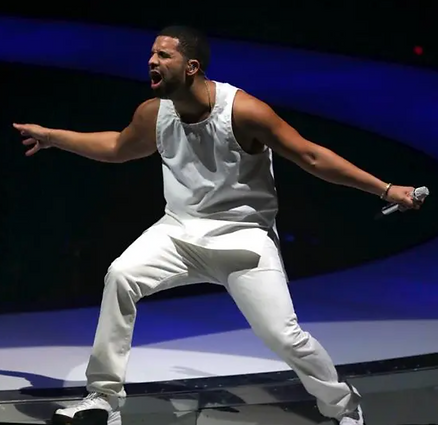
Drake’s debut album, "Thank Me Later", dropped in June 2010 and debuted at #1 on the Billboard 200. Unlike most rappers, who focus on hard-hitting street anthems, Drake leaned into vulnerability, blending introspective raps with emotional R&B singing.
Drake wasn't the first rapper to sing, but he made it cool and commercially viable in a way no one else had before. His sound was deeply inspired by:
✅ Kanye West’s 808s & Heartbreak (melodic, introspective rap)
✅ Ja Rule & 50 Cent’s early R&B-influenced hooks
✅ Pharrell & The Neptunes’ futuristic production
💡 Impact: This was the first time a rapper-singer hybrid reached superstar status without needing an R&B feature for melodies.
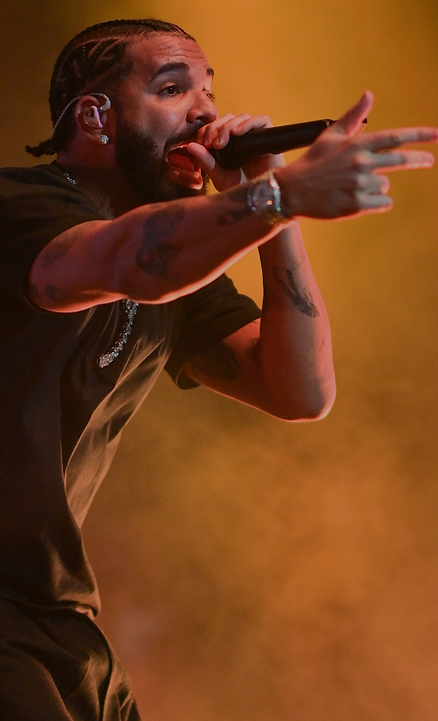
🔥 Key Songs:
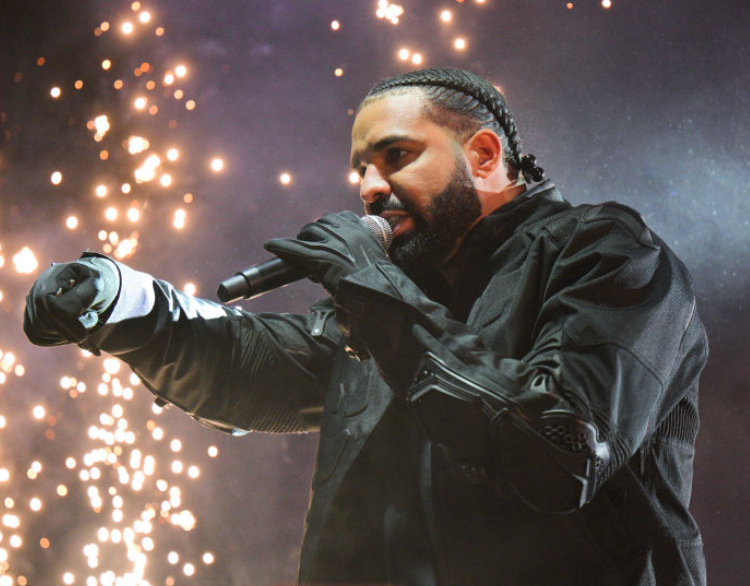
"Take Care" (2011) became Drake’s defining album, creating an entire subgenre of hip-hop that blurred the lines between rap, R&B, and atmospheric beats.
💡 Impact:
✅ Cemented "emo rap" and "melodic rap" as major forces in hip-hop.
✅ Showed that vulnerability and emotional depth could be as powerful as tough-guy raps.
✅ Made Toronto a global music hub, paving the way for The Weeknd, PartyNextDoor, and more.
"Take Care" won the Grammy for Best Rap Album and is often considered Drake’s best project.
🔥 Key Songs:

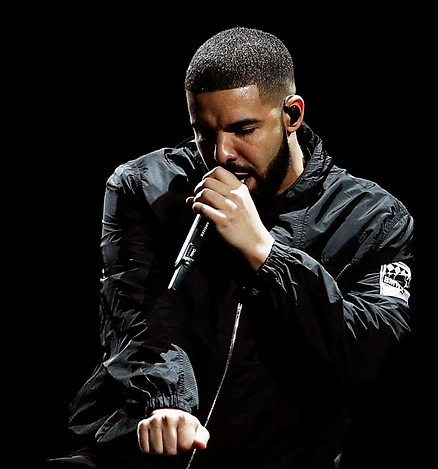
After proving he could be vulnerable and emotional, Drake turned up the confidence with "Nothing Was the Same".
💡 Impact:
✅ Showed that Drake could dominate rap & pop at the same time.
✅ Proved he could sing full R&B songs without needing a rapper persona.
✅ Continued setting trends in modern hip-hop production & songwriting.
🔥 Key Songs:
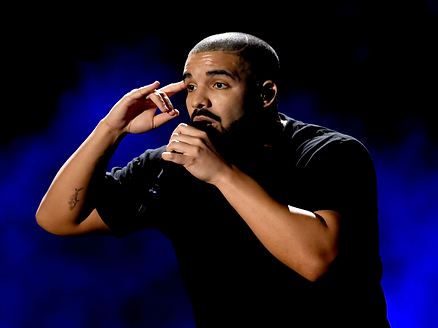
In 2015, Drake surprised the world by dropping a dark, aggressive mixtape called If You’re Reading This It’s Too Late.
💡 Impact:
✅ Helped popularize the "mixtape as an album" model in streaming.
✅ Influenced a new wave of dark, moody trap beats in hip-hop.
🔥 Key Songs:
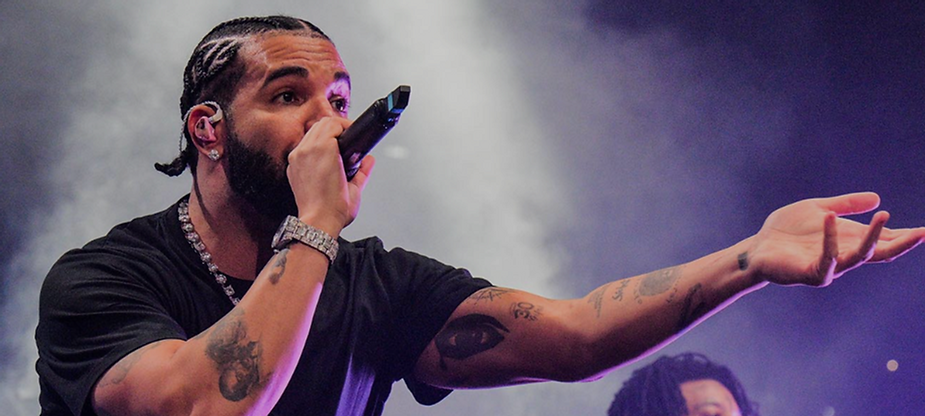
Drake took his melodic rap-singing fusion to another level with Views, embracing Afrobeats, Dancehall, and R&B vibes.
💡 Impact:
✅ Introduced Afrobeats & Dancehall into mainstream pop & hip-hop.
✅ Showed that streaming was the new king of the music industry.
✅ Created a new lane for “Emo Rap” & melodic storytelling
in hip-hop.
✅ Proved that vulnerability could sell just as well as braggadocio.
✅ Made Toronto a global music capital.
✅ Showed that a rapper can sing without needing an alter ego.
Drake’s impact on hip-hop & pop music is undeniable
Drake has dominated hip-hop, pop, R&B, dancehall, Afrobeats, UK drill, house, and even reggaeton—so what could possibly be next? As he moves into the next phase of his career, there are a few clear paths he might take, from business mogul to legendary rap icon to experimental artist pushing new genres.
Over the years, Drake has been a master of reinvention, but 2025 might push him in new sonic directions:
🎵 R&B & Soul Project – With albums like Take Care and Certified Lover Boy, Drake has proven his smooth, melodic side. Could he release a full-blown R&B/soul album similar to The Weeknd’s After Hours?
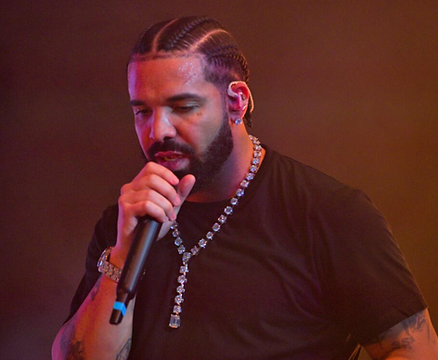
🎵 Afrobeats/Latin Expansion – Tracks like One Dance (2016) and MIA with Bad Bunny show his interest in global sounds. Could he fully dive into Afrobeats or reggaeton with a major feature from Burna Boy, Rema, or Feid?
🎵 Return to Hard-Hitting Rap – After experimenting with house music (Honestly, Nevermind), will Drake drop a full "If You’re Reading This It’s Too Late" 2.0—an aggressive, rap-heavy album to reassert his dominance?
🎵 Rock/Funk/Alternative Crossover – Artists like Kid Cudi, Post Malone, and Lil Yachty have dabbled in psychedelic rock sounds. Could Drake surprise everyone and drop a guitar-driven, experimental album?
Drake has hinted at retirement before, especially in 2023’s For All the Dogs. But would he actually leave?
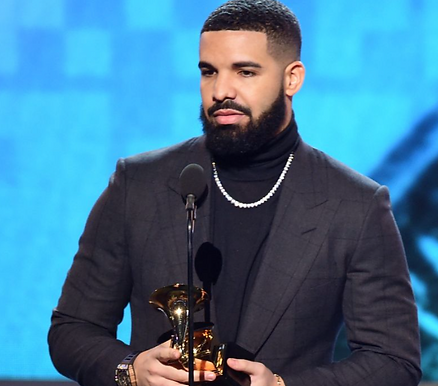
🔹 Jay-Z Blueprint: He might transition into an OG mentor role, making fewer albums but bigger business moves.🔹 Kanye West Path: He could take a left-field creative risk and reinvent his sound completely.🔹 Lil Wayne Route: He might never fully retire, always dropping new music to keep his legacy strong.
If he does slow down on solo music, he might focus more on OVO Sound, using his label to develop younger artists into superstars.
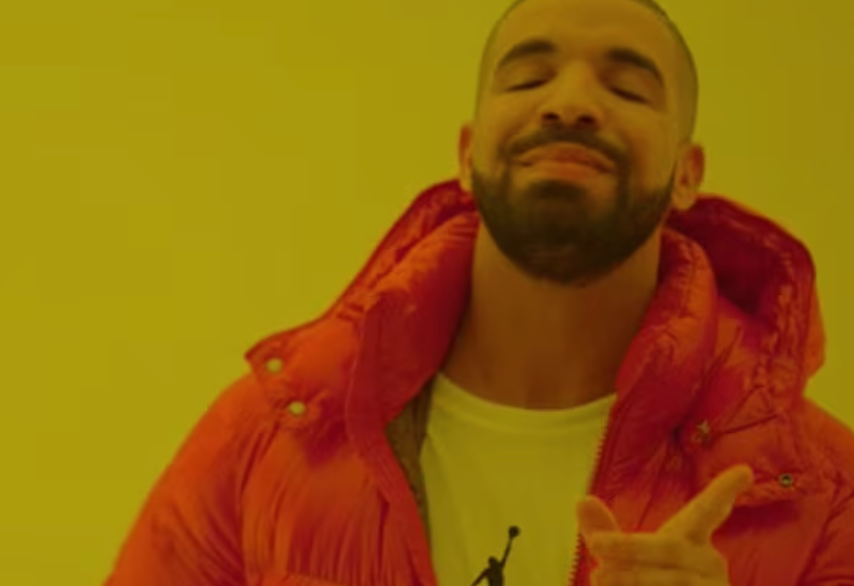
Drake’s next evolution could be in the business world, following in the footsteps of Jay-Z, Diddy, and Dr. Dre.
💰 OVO Expansion – He already has OVO Sound, but he could turn it into a full entertainment empire (fashion, films, gaming).
💰 Tech & AI Music – Could Drake invest in AI music creation or virtual reality concerts?
💰 Sports Team Ownership – He’s a major NBA and soccer fan—could he become a team owner like LeBron James?
💰 Hollywood & Film – With his acting background (Degrassi), could he finally star in or produce major films?
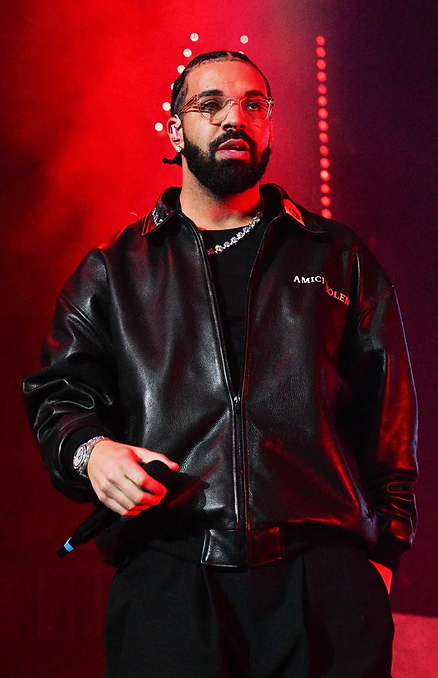
As Drake enters his late 30s, we’re seeing new artists emerge who’ve been deeply influenced by his style:
🔹 Lil Baby & Gunna – Melodic trap, emotional storytelling.
🔹 Rod Wave & Toosii – Emo-rap, vulnerability, singing-heavy delivery.
🔹 Travis Scott & Don Toliver – Mixing rap with psychedelic sounds.
🔹 The Weeknd & Brent Faiyaz – Moody R&B mixed with rap influences.
Drake will likely stay relevant by collaborating with younger stars while still cementing himself as the GOAT.
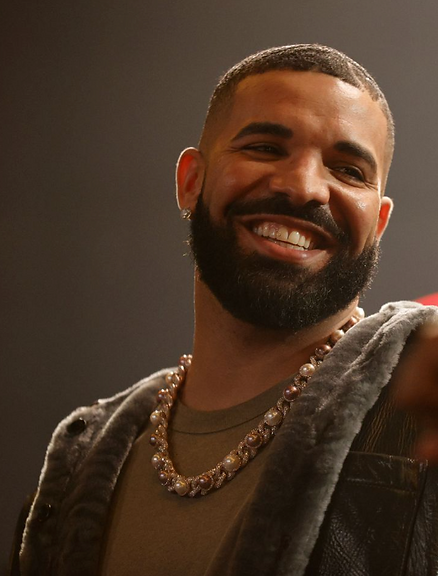
Drake has already solidified his place in music history, but here’s what his long-term impact might be:
🏆 Most Influential Melodic Rapper Ever – He made singing in hip-hop normal and mainstream.
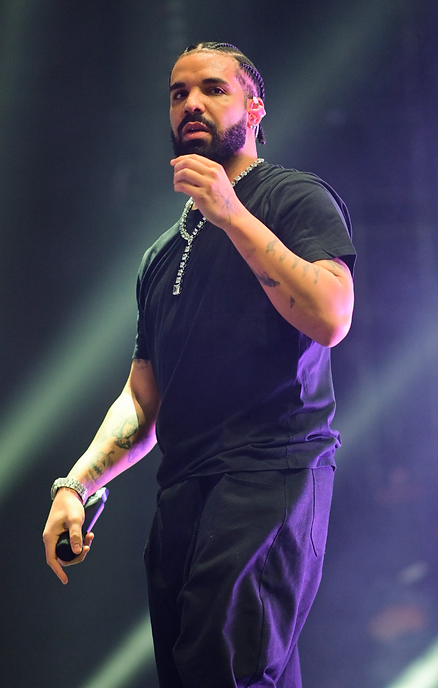
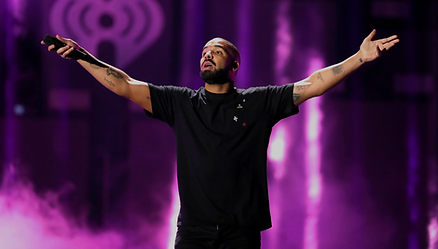
One thing’s for sure: Drake will never truly be gone. 🎤🔥
-fotor-bg-remover-20251210165637.webp)


