-fotor-bg-remover-20251211141935.webp)
-fotor-bg-remover-20251211143525.webp)
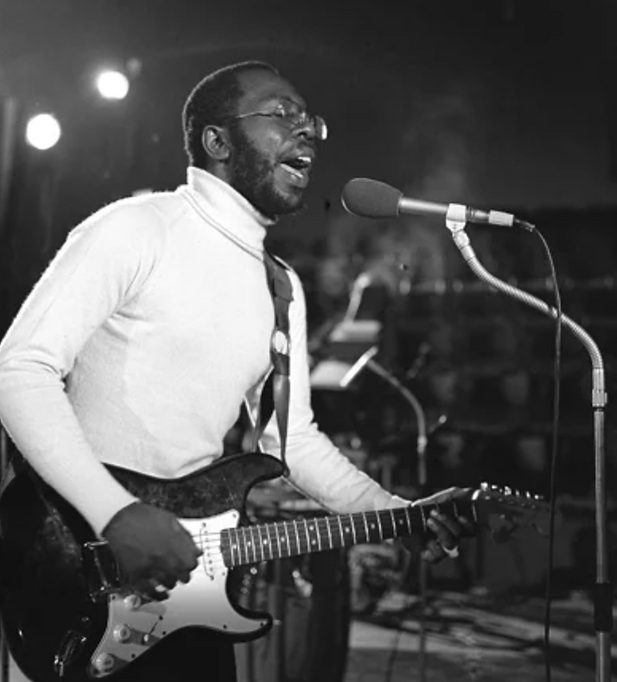
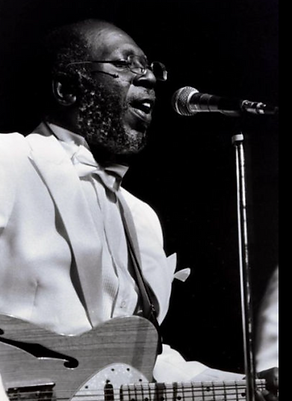
Curtis Mayfield was one of the most influential musicians in soul, funk, and R&B history. His music blended social consciousness with smooth melodies and cutting-edge production, making him a key figure in the evolution of Black music from the late 1950s through the 1970s.
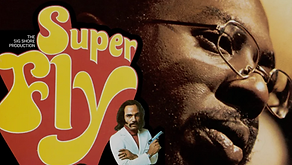
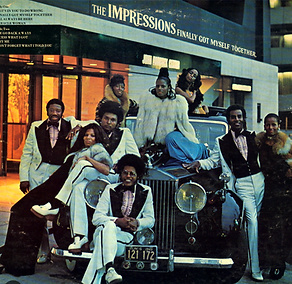
His career began with The Impressions, where he became a pioneer of politically charged soul music, before breaking out as a solo artist and reshaping the sound of funk and cinematic soul.
Curtis Lee Mayfield was born on June 3, 1942, in Chicago, Illinois, and grew up in the Cabrini-Green housing projects. His early life was shaped by the gospel sounds of the church, and he began singing in a church choir as a young boy.
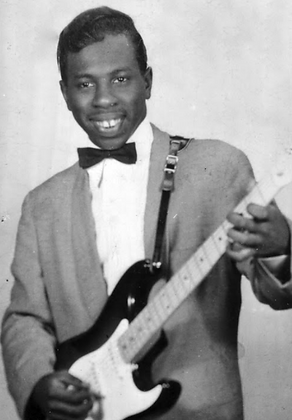
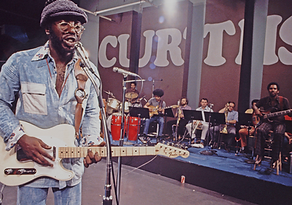
His first instrument was the guitar, which he taught himself to play at age 10 after his mother bought him one. Unlike most guitarists, Mayfield developed a unique open F-sharp tuning, which gave his sound a distinctive, dreamy quality that would later define his music.
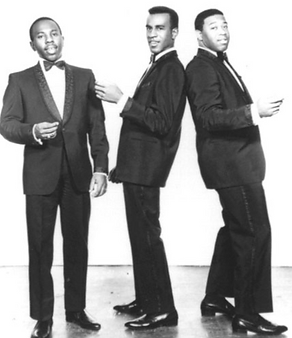
By his teenage years, Curtis was already performing in local doo-wop groups, learning to harmonize and write songs. In 1956, his fate changed when he met Jerry Butler, another young singer from Chicago, and joined his group, The Roosters—which would later be renamed The Impressions.
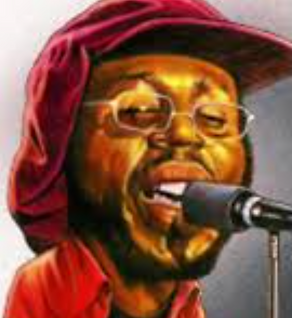
In 1958, Curtis and Jerry Butler joined forces to record “For Your Precious Love,” a hit that catapulted The Impressions into national fame.
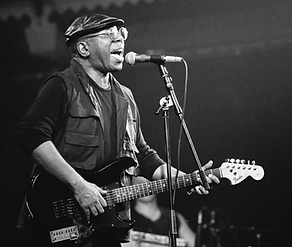
However, Butler soon left for a solo career, leaving Curtis to take over as the group’s primary songwriter, lead vocalist, and producer.
During the early 1960s, Curtis led The Impressions into a new sound—moving away from doo-wop into the smooth, uplifting gospel-influenced soul that would become his signature.
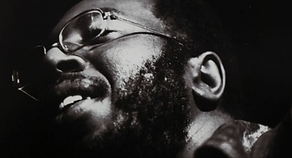
Curtis Mayfield wasn’t just a musician—he was a voice of the Civil Rights Movement. He wrote songs that provided hope and strength for Black America, blending spirituality with political consciousness.
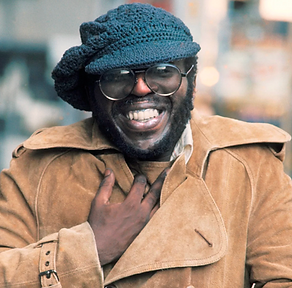
Curtis Mayfield’s work with The Impressions helped shape the sound of 1960s soul, influencing artists like Marvin Gaye, Stevie Wonder, and later, Public Enemy and Lauryn Hill.
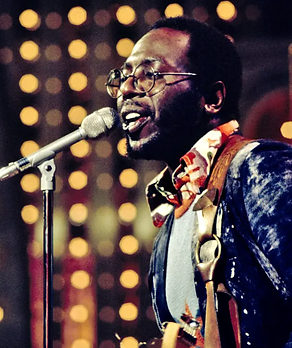
By 1970, after over a decade of success with The Impressions, Curtis Mayfield decided it was time for a new chapter—a solo career that would redefine funk and soul music.
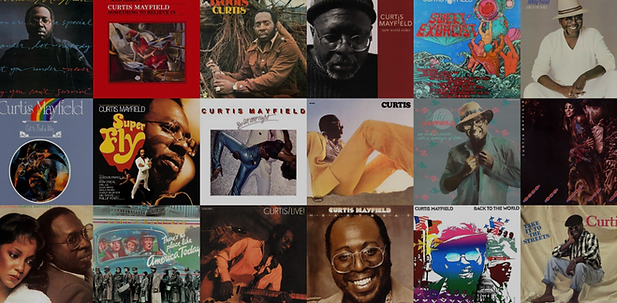
Curtis Mayfield’s first solo album, "Curtis" (1970), was a bold departure from The Impressions. It introduced a heavier, more experimental sound, blending psychedelic soul, funk, and social commentary.
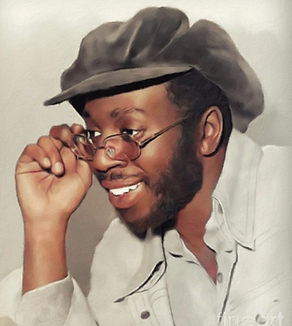
His solo work featured layered instrumentation, socially conscious lyrics, and funk-driven grooves, making him one of the first artists to mix soul with psychedelic rock and jazz elements.
In 1972, Curtis Mayfield composed and produced the soundtrack for the film Superfly, a Blaxploitation movie that became a cultural phenomenon. Instead of glorifying drugs and crime like other Blaxploitation films, Curtis’s music critiqued street life and systemic oppression.
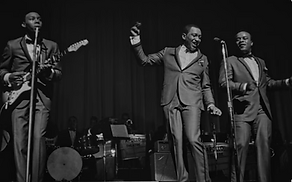
The Superfly soundtrack was more successful than the film itself, proving that Curtis Mayfield was now a cultural icon who could shape the social and political dialogue through music.
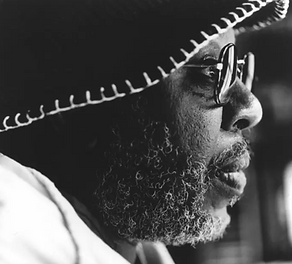
Curtis Mayfield revolutionized soul music by merging it with social activism, deep grooves, and innovative production. His impact extended into funk, hip-hop, and R&B, influencing artists like:
His commitment to uplifting Black America, along with his innovative sound, solidified him as one of the most influential figures in music history.
After the massive success of Superfly, Curtis Mayfield remained a dominant force in the 1970s. He continued to release solo albums filled with socially conscious lyrics, deep grooves, and innovative production.
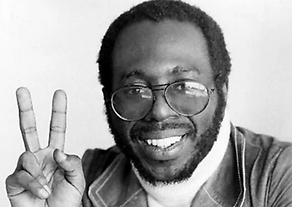
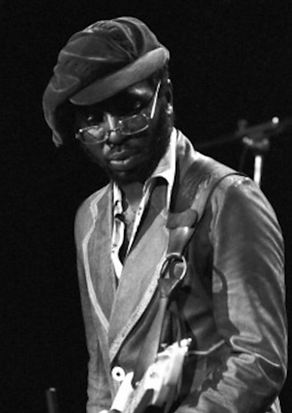
Despite still making critically acclaimed music, Mayfield faced challenges in the late ‘70s as disco took over the mainstream music scene.
Funk and soul artists like him found it harder to compete with the shiny, dance-driven music industry shift. However, his influence never faded—many up-and-coming R&B and funk artists continued to sample and study his work.
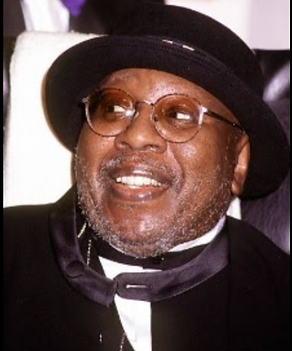
In the early 1980s, Mayfield remained respected but somewhat under the radar. He continued making music, but his commercial success had slowed.
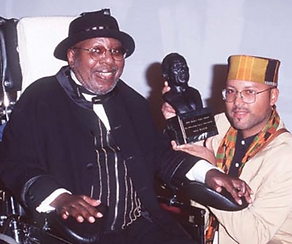
He always showed his versatility as an artist—being able to step into different genres while staying true to his soulful, message-driven music.
In August 1990, tragedy struck. While performing in Brooklyn, New York, a lighting rig fell on Curtis Mayfield, paralyzing him from the neck down. The accident shattered his mobility, but not his spirit. He could no longer play guitar, but he continued to write, compose, and produce music.
Even though he was paralyzed, Curtis Mayfield was determined to create music. His final album, "New World Order" (1996), was recorded under extraordinary circumstances. Since he could no longer sing for extended periods, he recorded each line of every song one at a time, lying flat on his back.
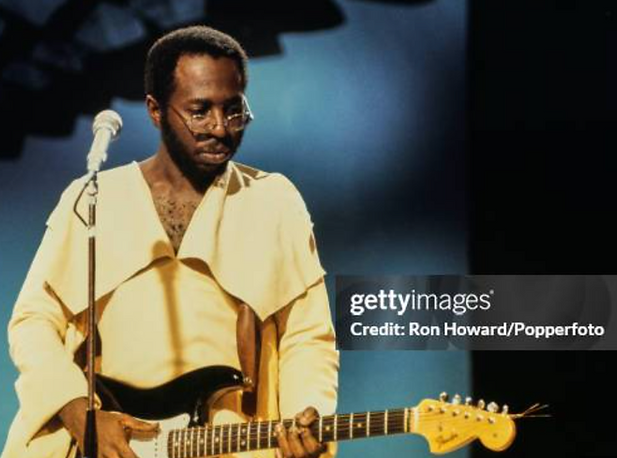
Despite his condition, New World Order was a critically acclaimed album.
Songs like “Back to Living Again” showed his optimism and perseverance, even in the face of immense hardship.
Throughout the 90s, artists like Eric Clapton, Bruce Springsteen, and Lenny Kravitz paid tribute to him, acknowledging his massive impact on modern music.
Curtis Mayfield’s health continued to decline in the late 90s due to complications from his paralysis. He passed away on December 26, 1999, at the age of 57, leaving behind a legacy that shaped soul, funk, and hip-hop.
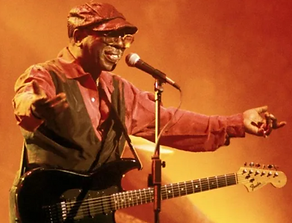
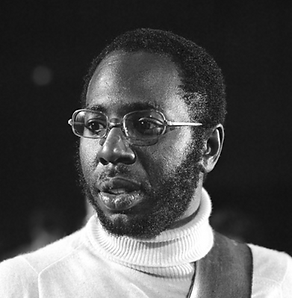
Curtis Mayfield wasn’t just a singer—he was a visionary who used music to fight for justice, uplift his people, and change the sound of soul forever. His ability to combine poetic lyrics with raw funk grooves created a sound that still reverberates through modern music today
Curtis Mayfield wasn’t just a musician—he was a revolution in sound, message, and independence.
He was the rare artist who changed the game at every level: as a composer, performer, producer, and businessman.
At a time when most Black artists had little control over their work, Curtis took ownership. When soul music was mostly about love songs, he infused it with politics, social consciousness, and raw truth.
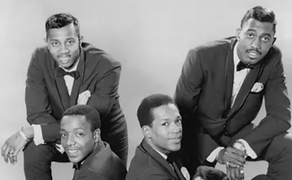
From the moment he picked up a guitar in the Cabrini-Green housing projects of Chicago, Curtis was destined to be different.
Self-taught, he invented his own open F-sharp tuning, creating a floating, dreamy sound no one had ever heard before.
But it wasn’t just about the music—it was about the message.
At the height of the Civil Rights Movement, Curtis wasn’t just making records; he was crafting anthems of empowerment.
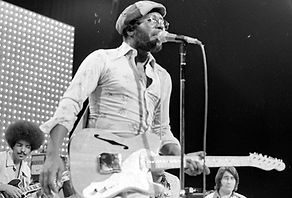
People Get Ready wasn’t just a song—it became a hymn of hope for an entire generation fighting for justice. Keep on Pushing and We’re a Winner gave Black America something to hold onto in times of struggle.
Then, when soul and R&B were still in their infancy, Curtis took a massive leap forward, fusing gospel, funk, and psychedelia into something completely new.
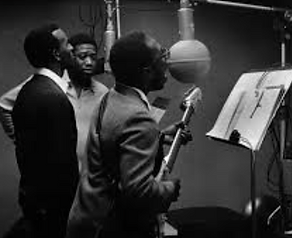
He didn’t just sing about love—he sang about the streets, about survival, about revolution. His 1972 Superfly soundtrack did what no other artist had done before: it told a full cinematic story through music, outshining the movie itself and reshaping what a soundtrack could be.
But Curtis didn’t just influence music. He influenced ownership.
He created his own label, Curtom Records, producing his own work and giving other artists the creative freedom they never had before. At a time when record companies controlled everything, Curtis was his own boss.
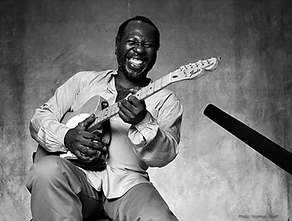
Even after a tragic stage accident in 1990 left him paralyzed from the neck down, he refused to stop creating. In 1996, with nothing but his voice left, he recorded his final album, singing every line while lying flat on his back in the studio.
That level of dedication, that kind of resilience, is something no other artist has ever done.
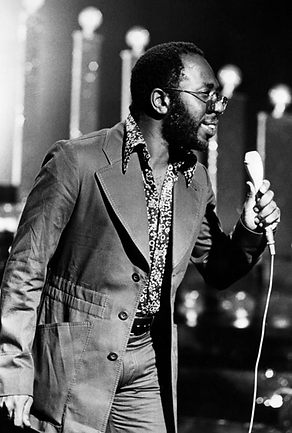
His influence stretches far beyond his own music. Marvin Gaye’s What’s Going On, Stevie Wonder’s Songs in the Key of Life, Prince’s entire approach to artistic independence—all carry Curtis’s fingerprints.
Hip-hop legends like Kanye West, Jay-Z, and OutKast have all sampled his work, keeping his sound alive in modern music.
Curtis Mayfield will always be remembered as the architect of conscious soul music, a pioneer of artistic freedom, and a visionary who gave a voice to the voiceless.
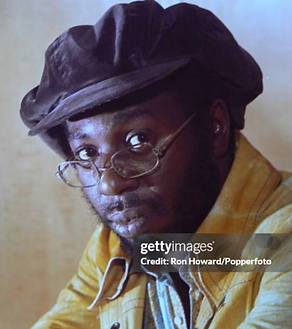
He wasn’t just a singer or a songwriter—he was a movement. His music will forever be a guiding light for those who seek truth, power, and change through art.
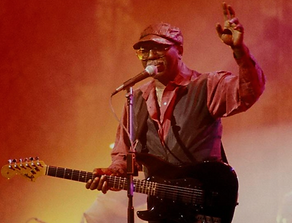
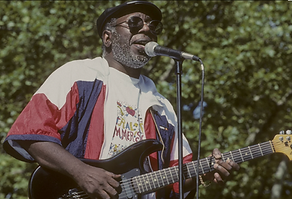
-fotor-bg-remover-20251210165637.webp)


