-fotor-bg-remover-20251211141935.webp)
-fotor-bg-remover-20251211143525.webp)
George Foreman’s journey from humble beginnings to his first heavyweight championship is a classic story of resilience, hard work, and raw talent.
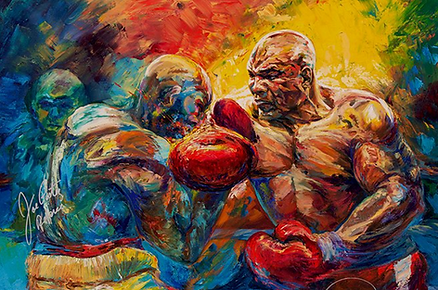
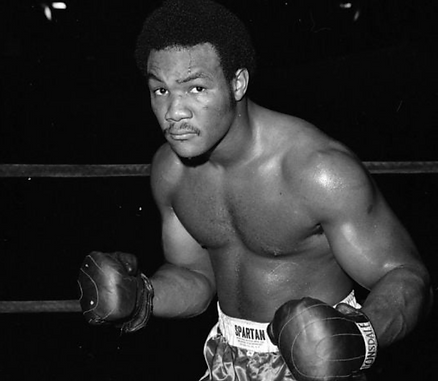
George Edward Foreman was born on January 10, 1949, in Marshall, Texas, and raised in Houston’s Fifth Ward, a tough, impoverished neighborhood. Growing up, Foreman was a troubled youth, often getting into fights and skipping school.
He was big and strong but had little direction. By his teenage years, he had dropped out of school and was getting into trouble, sometimes engaging in petty crimes.
His life changed when he joined the Job Corps, a government program aimed at helping underprivileged youth develop vocational skills.
There, he met Doc Broadus, a boxing coach who saw potential in the young, powerful Foreman and encouraged him to take up boxing as an outlet for his aggression. That decision would set Foreman on a path to greatness.
Under Broadus’s mentorship, Foreman quickly developed into a formidable amateur boxer. His natural strength, combined with his aggressive and straightforward fighting style, made him a force to be reckoned with. Within just a few years of training, he qualified for the 1968 Olympics in Mexico City, representing the United States in the heavyweight division.
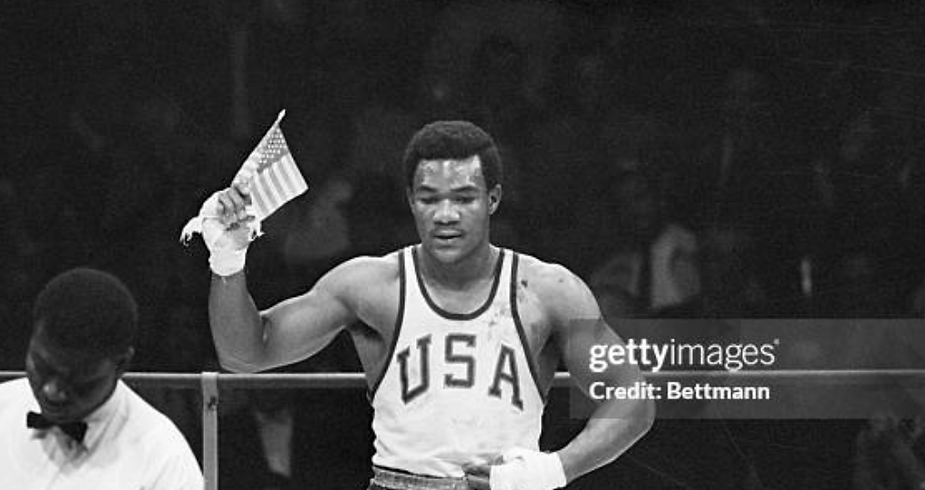
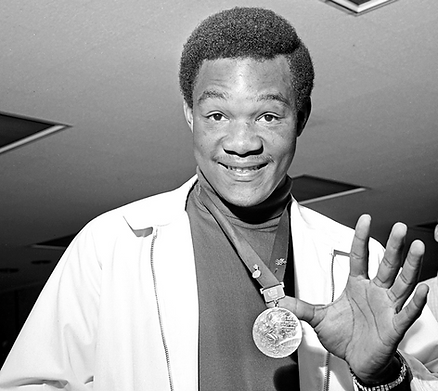
At the Olympics, Foreman bulldozed through his opponents and won the gold medal, defeating Soviet boxer Jonas Čepulis in the final by TKO. He famously waved a small American flag in celebration, a defining moment that marked his arrival on the world stage.
After the Olympics, Foreman turned professional in 1969 and quickly built a reputation as one of the most fearsome punchers in boxing. His punching power was devastating—opponents often crumbled under his relentless assault. Over the next few years, he racked up knockout after knockout, earning a shot at the world heavyweight title.
By 1973, Foreman had amassed a perfect 37-0 record, with most of his wins coming by knockout.
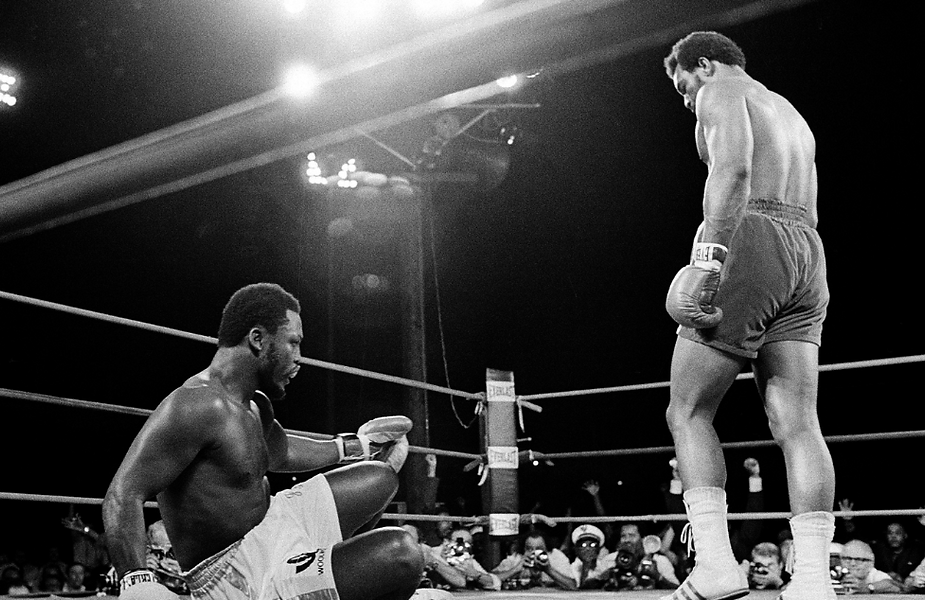
This earned him a title shot against Joe Frazier, the reigning heavyweight champion known for his relentless pressure and famous victory over Muhammad Ali. The fight took place on January 22, 1973, in Kingston, Jamaica.
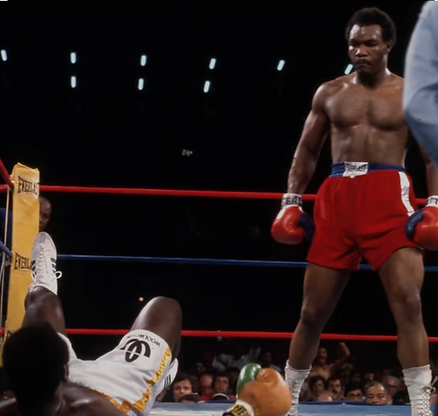
Foreman shocked the world by destroying Frazier in just two rounds. He knocked Frazier down six times before the referee stopped the fight, crowning Foreman the new Heavyweight Champion of the World. Legendary commentator Howard Cosell’s iconic call—"Down goes Frazier! Down goes Frazier!"—became one of the most famous lines in sports history.
At just 24 years old, George Foreman had completed his journey from a troubled kid on the streets of Houston to the heavyweight champion of the world. His reign of dominance had begun, and the boxing world would never be the same.
After his dominant victory over Joe Frazier in 1973, George Foreman became the most feared man in boxing. He was known for his devastating punching power and an aura of invincibility.
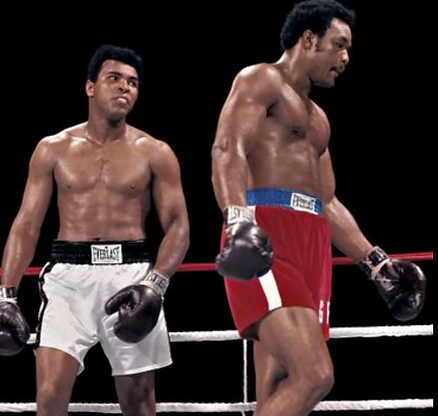
However, the years between 1973 and 1980 would take him on an unexpected path—from the heights of boxing supremacy to a shocking defeat, spiritual transformation, and early retirement.
Following his destruction of Frazier, Foreman was at the peak of his power. He defended his heavyweight title twice in dominant fashion:
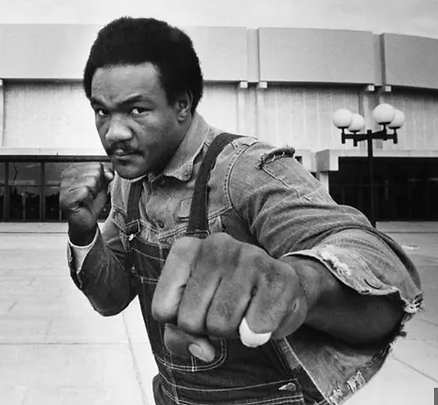
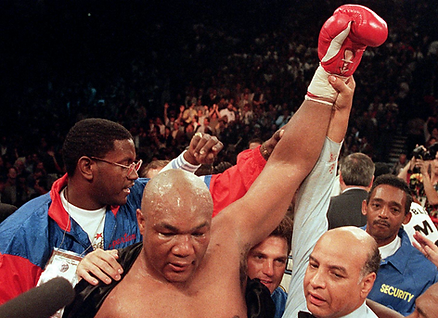
At this point, Foreman was 40-0 with 37 knockouts. He looked unstoppable. But then came a fight that would change his life forever.
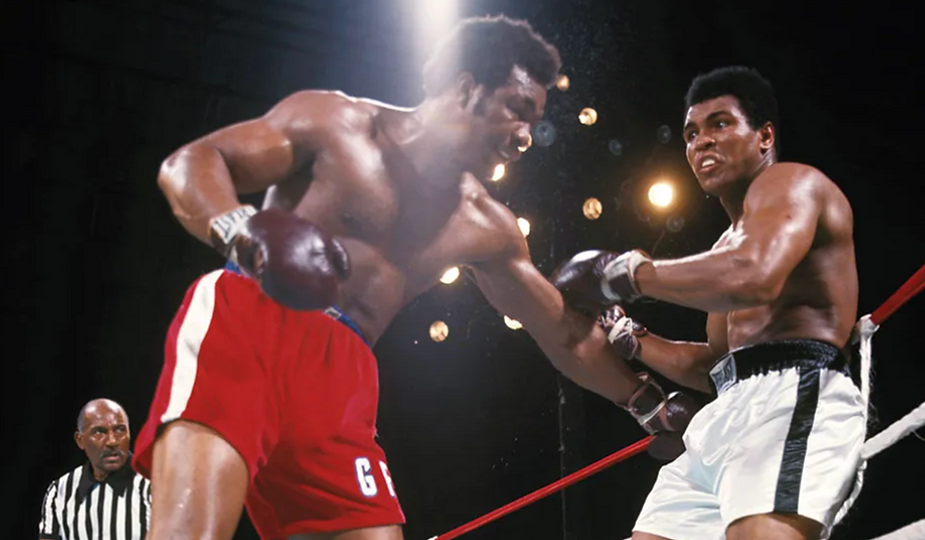
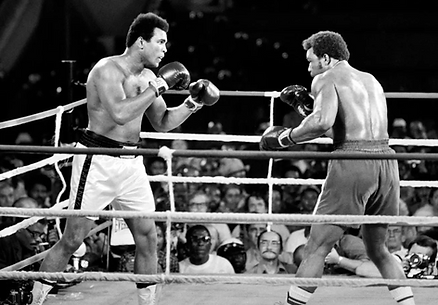
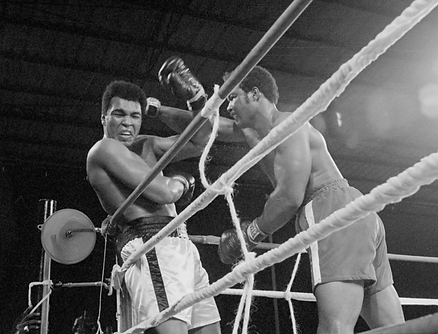
In Zaire (now the Democratic Republic of Congo), Foreman faced Muhammad Ali in one of the most legendary fights in boxing history: the “Rumble in the Jungle.”

Foreman was the heavy favorite. Younger, stronger, and undefeated, he was expected to overpower the 32-year-old Ali. However, Ali introduced a strategy that no one saw coming—the "Rope-a-Dope."
Foreman had lost his title, suffering his first-ever defeat. The loss devastated him.
After taking time off, Foreman attempted a comeback. He won five fights in 1976, including a brutal rematch with Joe Frazier, stopping him in the fifth round.
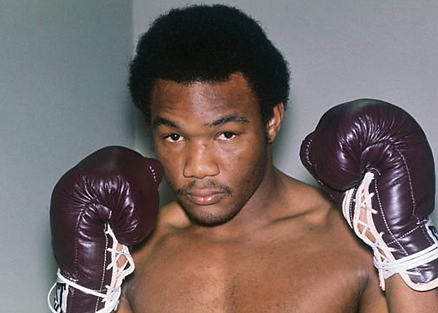
However, in March 1977, he faced Jimmy Young in Puerto Rico. Foreman was expected to win, but the fight took an unexpected turn:
After the fight, something incredible happened. Foreman later described experiencing a near-death, religious vision in the locker room. He felt he was dying but saw himself given another chance at life. This moment changed Foreman forever.
Following his spiritual awakening, Foreman retired from boxing in 1977 at just 28 years old. He walked away from fame and fortune to become a Christian minister.
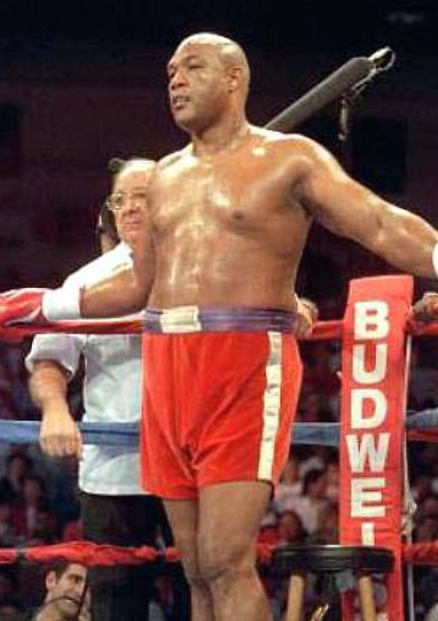
At the time, no one expected him to ever fight again. But the world would be in for a surprise a decade later when Foreman made one of the greatest comebacks in sports history
By 1990, George Foreman had already been out of the boxing ring for over a decade. He had spent the late 1970s and 1980s as a preacher, youth mentor, and businessman, seemingly far removed from the sport that had made him famous.
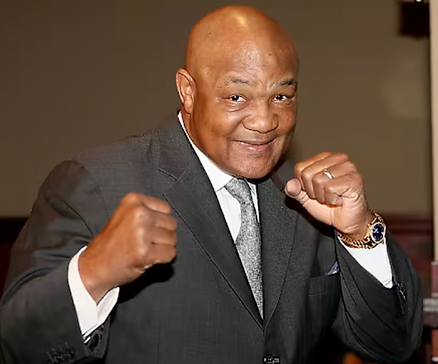
But in 1987, at the age of 38, he shocked the world by announcing his comeback to boxing.
Many dismissed the idea as a joke. Foreman was older, heavier, and no longer the same intimidating force he had been in the 1970s. But he had a new attitude—gone was the scowling, fearsome Foreman. Instead, he returned as a smiling, easygoing fighter with a sense of humor, winning fans over with his charisma.
By 1990, Foreman was 40 years old, but his comeback was gaining momentum. He had already won 10 fights in 1989, mostly against lower-tier opponents, but critics still doubted whether he could compete with top contenders.
That year, he continued his comeback with several fights that showed he was serious:
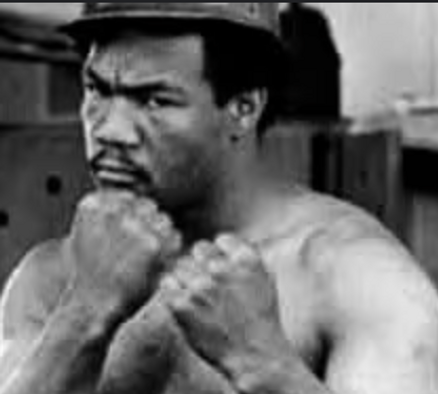
By the end of 1990, Foreman had built up an impressive 69-2 record, with 68 knockouts. His surprising success set him up for one of the biggest fights of the decade—a shot at the undisputed heavyweight championship against Evander Holyfield in 1991.
Despite his age, Foreman had proven the doubters wrong. He wasn’t just an old man looking for a payday—he was a serious contender, and his incredible journey was far from over.
By 1991, George Foreman had completed an unbelievable comeback, proving he was more than just a sideshow. His dominant knockout wins had earned him a shot at the undisputed heavyweight championship against Evander "The Real Deal" Holyfield, the newly crowned champion.
At 42 years old, Foreman was attempting to do the impossible—become heavyweight champion again, 17 years after losing the title to Muhammad Ali. The fight, dubbed "The Battle of the Ages," was one of the most anticipated bouts in boxing history.
Even in defeat, Foreman proved he was still a top-level fighter. The fight wasn't just about winning—it was about showing he could compete with the best of the new generation. And he wasn’t done yet.
After his loss to Holyfield, Foreman continued fighting, determined to win the title. He knocked out multiple contenders and stayed active, but many still doubted whether he could actually reclaim the heavyweight crown.

Then, in 1994, he got another title shot—this time against Michael Moorer, the undefeated WBA and IBF heavyweight champion.
At 45 years old, Foreman entered the ring as a massive underdog against 26-year-old Michael Moorer, who had just beaten Holyfield to win the title. Moorer was younger, faster, and in his prime.
After achieving the impossible, Foreman defended his title a few times before eventually retiring for good in 1997, leaving behind one of the greatest legacies in boxing.
By the early 2000s, George Foreman had fully transitioned from boxing legend to business mogul and cultural icon. His second retirement in 1997 had marked the end of an incredible career, but his biggest success was yet to come—not in the ring, but in the world of business and branding.
Although Foreman had an official retirement fight in 1997, he briefly considered one final return in 1999-2000 to fight Larry Holmes, another former heavyweight champion. The fight was heavily discussed but never materialized, and Foreman ultimately decided to retire for good.
This time, he walked away as a two-time heavyweight champion, a fan favorite, and a wealthy man, thanks to his booming business ventures.
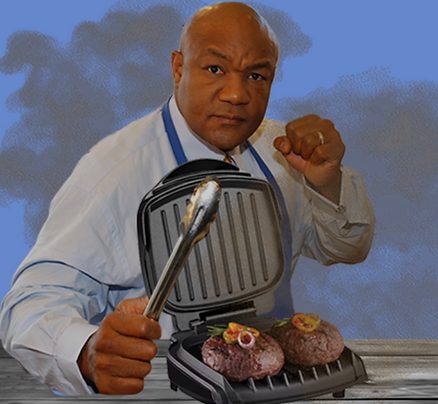
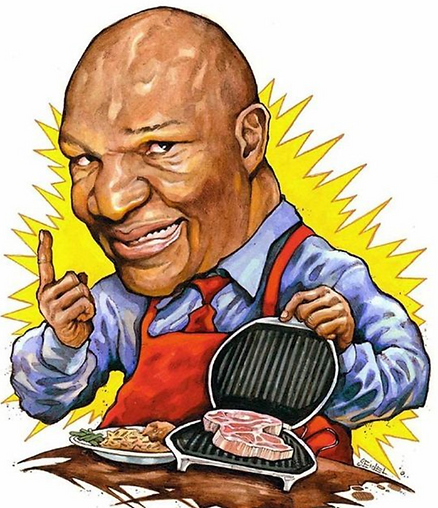
In the mid-1990s, Foreman was approached by Salton, Inc., a small appliance company that had designed an electric countertop grill. They needed a celebrity endorsement, and Foreman—known for his comeback, healthy lifestyle, and likable personality—was the perfect fit.
At first, he wasn’t sure about it, but when he saw how his kids loved the grill, he agreed to put his name on it. The George Foreman Lean Mean Fat-Reducing Grilling Machine was born.
By the early 2000s, the grill had become a global sensation, selling over 100 million units!

Foreman initially made money from royalties on each grill sold, earning about $4.5 million per month at its peak. However, in 1999, Salton, Inc. offered to buy out his name rights for a lump sum of $137 million—one of the most profitable endorsement deals in history.
With additional earnings from earlier royalties, Foreman made an estimated $200+ million from the grill, far more than he ever made from boxing!
By the mid-2000s, George Foreman was no longer just a boxer—he was an entrepreneur, motivational speaker, and pop culture icon.
George Foreman did what few athletes have done—he reinvented himself after sports, proving that success doesn’t end with retirement. From knocking out champions to knocking out fat, his journey remains one of the greatest comebacks in history—both inside and outside the ring.

George Foreman, the legendary two-time heavyweight boxing champion and successful entrepreneur, passed away on March 21, 2025, at the age of 76.
Born on January 10, 1949, in Marshall, Texas, Foreman rose from humble beginnings to become one of the most iconic figures in sports and business.
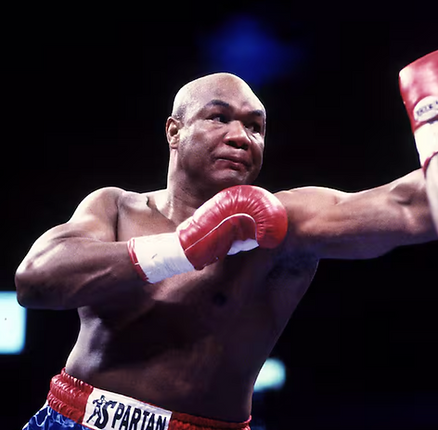
Final Years and Legacy (2010–2025)
In the years leading up to his passing, Foreman remained active in various capacities, including public speaking engagements, philanthropic efforts, and occasional appearances related to boxing. He continued to inspire many with his story of resilience, transformation, and success beyond the boxing ring.
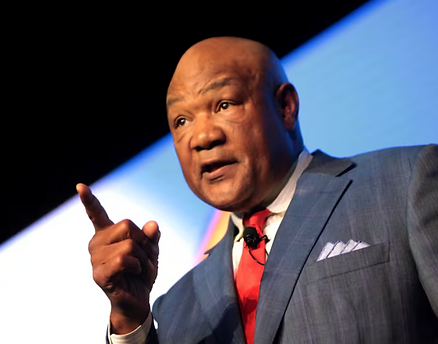
Passing and Tributes
Foreman passed away peacefully, surrounded by his family. The exact cause of death has not been publicly disclosed. His death prompted an outpouring of tributes from the boxing community and fans worldwide. Mike Tyson expressed his condolences, highlighting Foreman's significant impact on the sport.

Enduring Legacy
George Foreman's legacy is multifaceted:

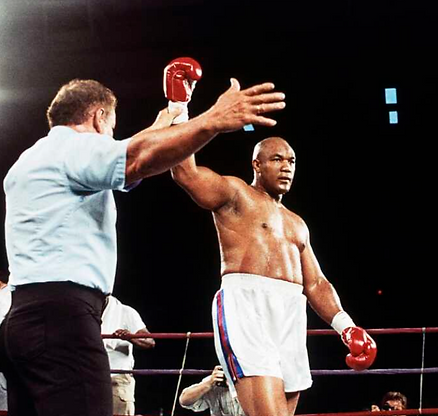
His journey from a challenging youth to a world champion boxer, and later a successful entrepreneur and philanthropist, serves as an enduring inspiration to many. Foreman's life story exemplifies resilience, reinvention, and the profound impact one individual can have across diverse fields.
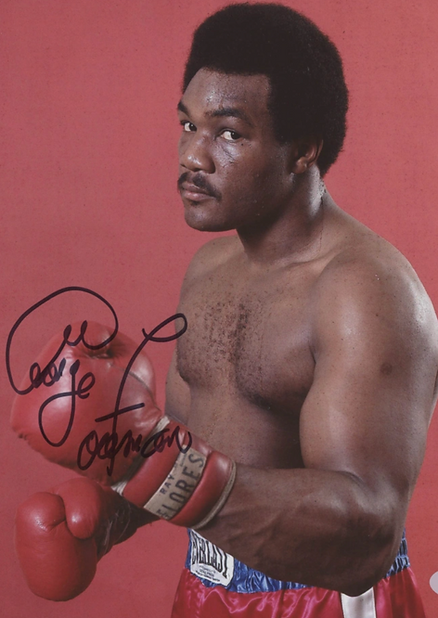
George Foreman, the legendary two-time heavyweight champion and successful entrepreneur, passed away on March 21, 2025, at the age of 76. He died peacefully, surrounded by his family. The exact cause of death has not been publicly disclosed.

His passing was met with an outpouring of tributes from the boxing world and beyond. Mike Tyson, Evander Holyfield, and countless other fighters, fans, and celebrities honored his legacy, remembering him not only as a dominant boxer but also as an inspirational figure who overcame adversity and reinvented himself.
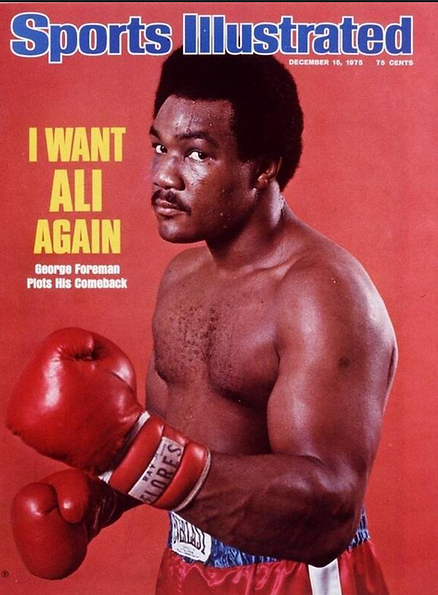
Foreman’s impact extended far beyond the ring—his business success with the George Foreman Grill, his philanthropy, and his positive, larger-than-life personality made him a household name. His story of redemption, resilience, and reinvention will continue to inspire generations to come.

-fotor-bg-remover-20251210165637.webp)


