-fotor-bg-remover-20251211141935.webp)
-fotor-bg-remover-20251211143525.webp)
The Rock & Roll Hall of Fame was born from the idea that rock music, with its profound impact on culture and history, deserved an institution to honor its pioneers.

The concept came to life in 1983, when Ahmet Ertegun, the legendary co-founder of Atlantic Records, spearheaded the formation of the Rock & Roll Hall of Fame Foundation in New York City. The goal? To recognize the most influential artists, producers, and industry figures who shaped rock music.
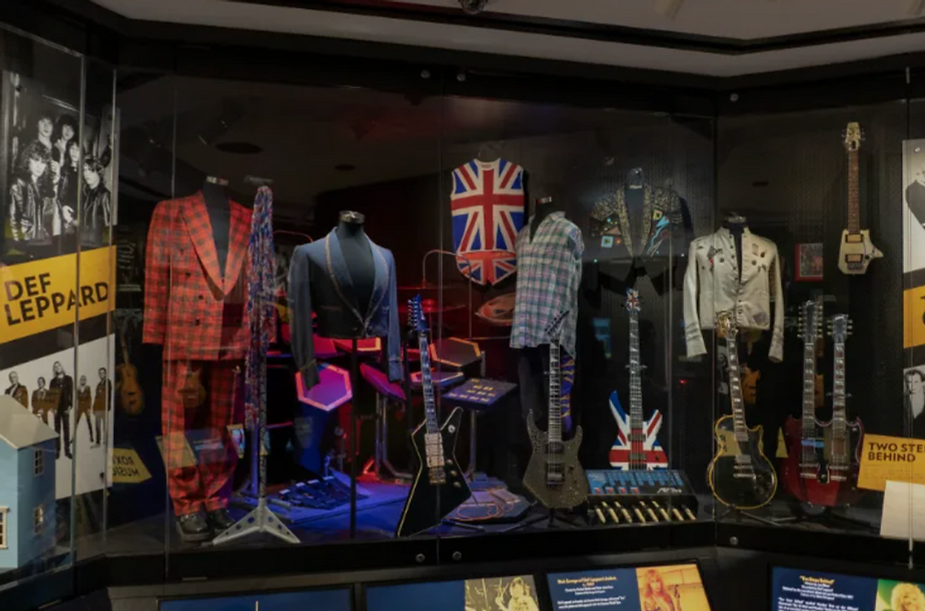
In 1986, the first-ever Rock & Roll Hall of Fame induction ceremony took place, celebrating legends like Chuck Berry, Elvis Presley, James Brown, and Buddy Holly—artists who laid the foundation for rock music. However, the Hall of Fame still had no physical location.


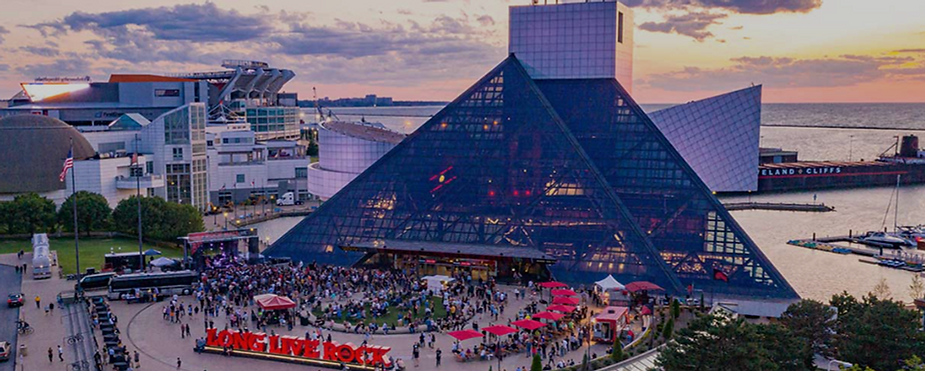
By the late 1980s, discussions began about establishing a permanent home for the Hall of Fame. After considering cities like New York, Memphis, and Los Angeles, Cleveland, Ohio, was chosen.

The city had a strong claim—radio DJ Alan Freed, credited with coining the term "rock and roll," had started promoting the genre there in the 1950s. Plus, Cleveland offered financial incentives and a passionate fan base.
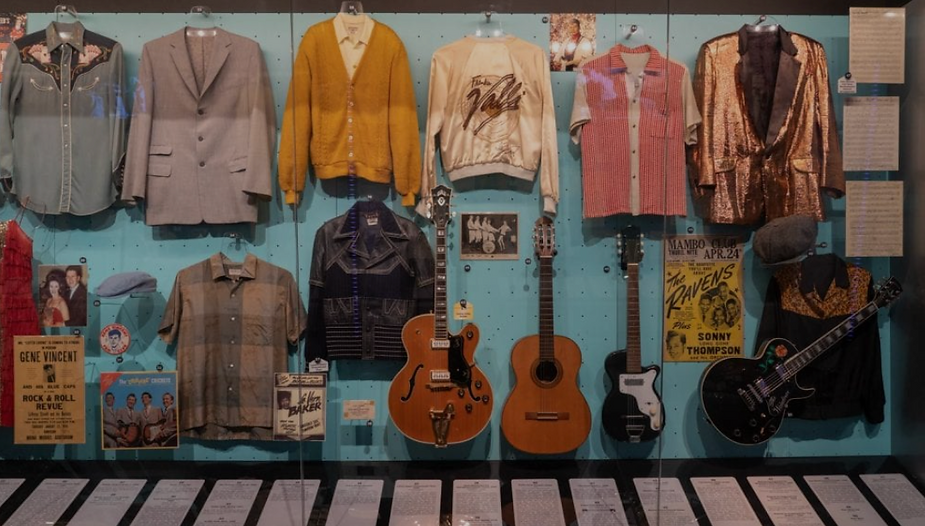
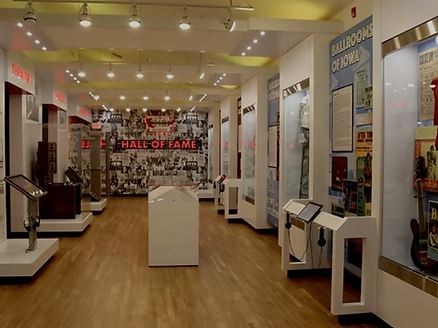
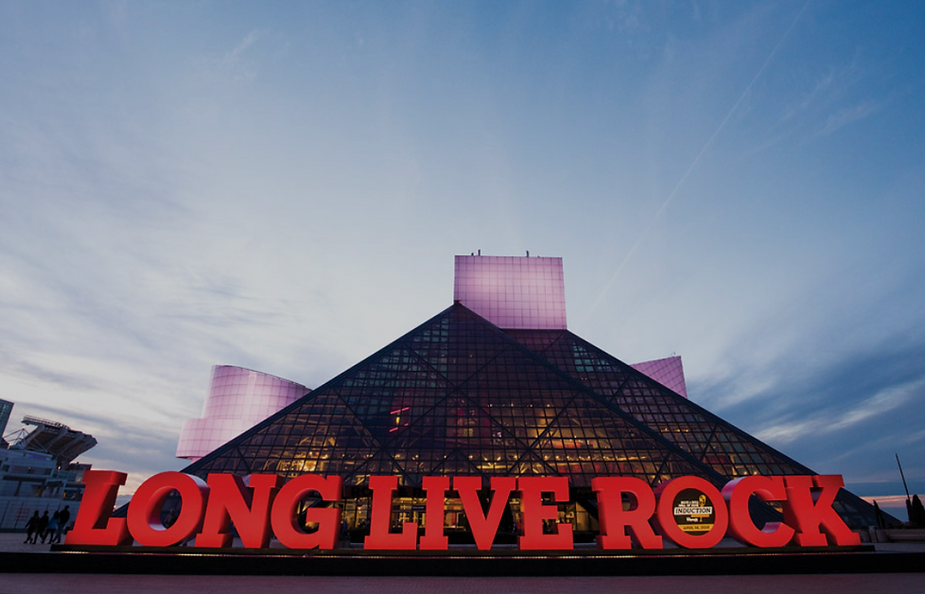
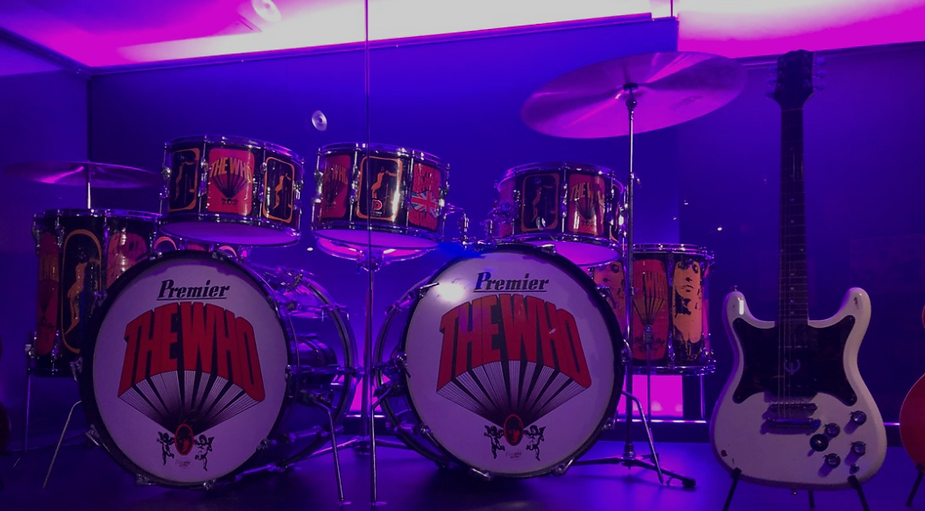
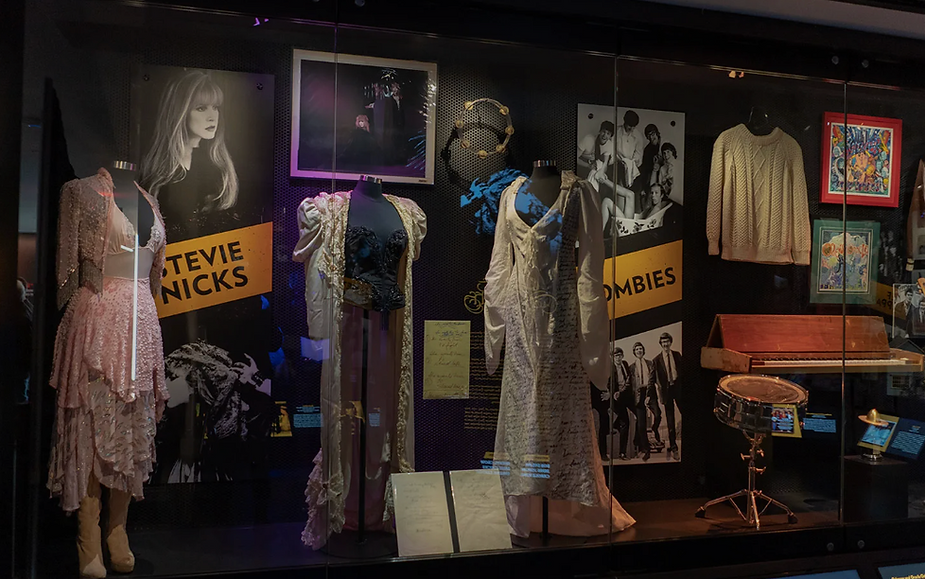
Designed by renowned architect I. M. Pei, the Rock & Roll Hall of Fame Museum officially opened its doors on September 2, 1995. The museum became a shrine to rock music history, featuring exhibits with rare memorabilia, original instruments, handwritten lyrics, stage outfits, and interactive displays tracing the evolution of rock & roll.
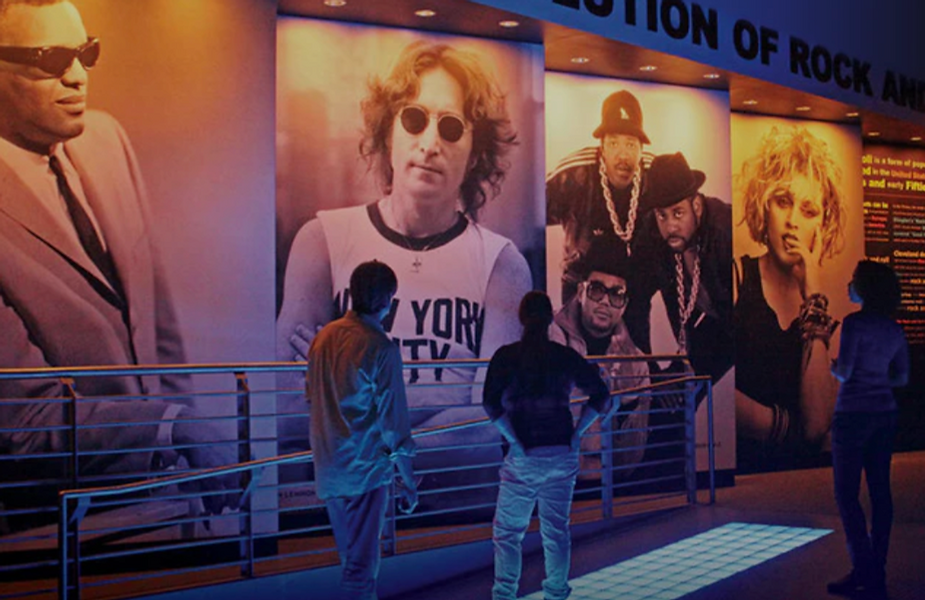
Induction into the Rock & Roll Hall of Fame is considered one of the highest honors in music. Artists become eligible 25 years after their first commercial release, and inductees are chosen based on their musical influence, innovation, and impact on rock & roll and related genres.
A nominating committee, consisting of music historians, journalists, and industry professionals, selects nominees, and ballots are sent to over 1,000 voting members, including musicians, producers, and past inductees.

Over the years, the Hall expanded beyond traditional rock to include blues, soul, hip-hop, pop, and R&B artists, acknowledging their contributions to rock’s evolution. This led to debates over inductees, with fans arguing over who truly belongs in the Rock Hall.
The Rock & Roll Hall of Fame Induction Ceremony is a highlight of the music world, featuring once-in-a-lifetime reunions, emotional speeches, and unforgettable performances.
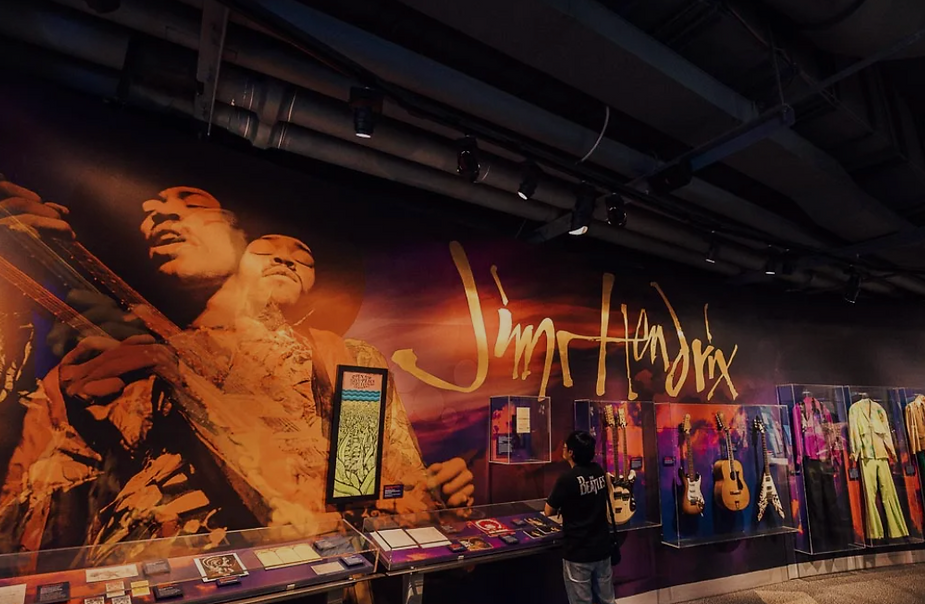
Some of the most iconic moments include:
The event has been home to heated debates, surprise collaborations, and historic moments, cementing its reputation as a night where music legends come together.
While the musicians take center stage, the Rock & Roll Hall of Fame Foundation plays a crucial role in keeping the institution alive. Key figures over the years have included:
The Hall also relies on music scholars, journalists, and industry veterans to ensure the selection process remains credible, though debates about transparency continue.

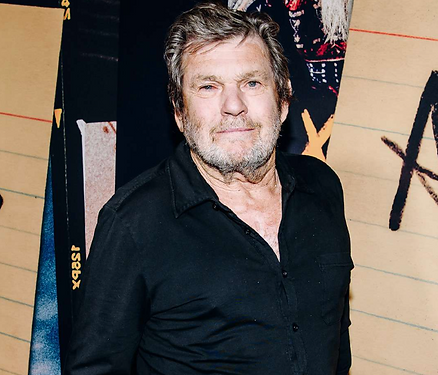
As of January 2025, the Rock & Roll Hall of Fame is led by Chairman John Sykes and President and CEO Greg Harris. John Sykes, who has been Chairman since 2020, has emphasized the inclusive nature of rock and roll, stating that the genre encompasses a broad spectrum of musical styles.
He has also addressed discussions about renaming the institution, affirming that there are no plans to change its name.

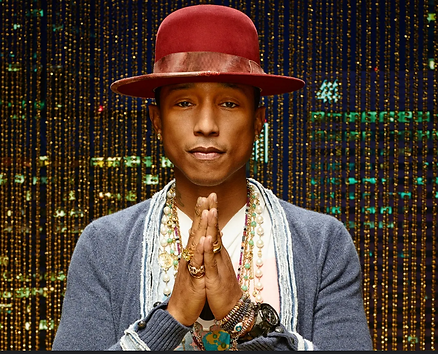
Greg Harris serves as the current President and CEO of the Rock & Roll Hall of Fame.

Together, Sykes and Harris lead the institution in honoring and preserving the legacy of rock and roll and its diverse influences.

Over the years, the museum has expanded, introducing interactive exhibits, digital archives, and live performances.
Some of its most famous displays include:
Special exhibits have honored artists like David Bowie, The Beatles, and Hip-Hop’s 50th Anniversary, proving the museum is not just about nostalgia but about celebrating rock’s ongoing evolution.
The Rock Hall hasn’t been without criticism. Debates over snubbed artists (like Iron Maiden, Soundgarden, and The Smiths), accusations of favoritism, and disputes over whether hip-hop, pop, and R&B artists should be included have sparked ongoing conversations.
Another challenge is keeping younger generations engaged. To remain relevant, the Rock Hall has embraced streaming, social media, and more inclusive artist selections, ensuring it evolves with the music industry.
Despite controversy, the Rock & Roll Hall of Fame remains a global institution, honoring music’s most influential figures. Its museum attracts millions of visitors, and its induction ceremony continues to be a must-watch event for music lovers worldwide.
Looking ahead, the Rock Hall is focused on:
The Rock & Roll Hall of Fame is more than just a museum or an awards show—it is a testament to the power of music, an institution that bridges generations, and a sanctuary for rock’s rebellious spirit. No matter how music evolves, one thing is certain: rock & roll will never die, and neither will its Hall of Fame. 🎸🔥
The Rock & Roll Hall of Fame honors artists, producers, and industry figures who have significantly influenced the evolution of rock and roll. Inductions began in 1986 and have continued annually. Here's a chronological overview of inductees from the inaugural year through 2024:
1986:
1987:
1988:
1989:
1990:
1991:
1992:
1993:
1994:
1995:
1996:
1997:
1998:
1999:
2000:
2001:
2002:
2003:
2004:
2005:
2006:
2007:
2008:
2009:
2010:
2011:
2012:
2013:
2014:
2015:
2016:
2017:
2018:
2019:
2020:
2021:
2022:
2023:
2024:
-fotor-bg-remover-20251210165637.webp)


