-fotor-bg-remover-20251211141935.webp)
-fotor-bg-remover-20251211143525.webp)
Stevie Nicks’ journey into music started long before she became the mystical rock goddess we know today.
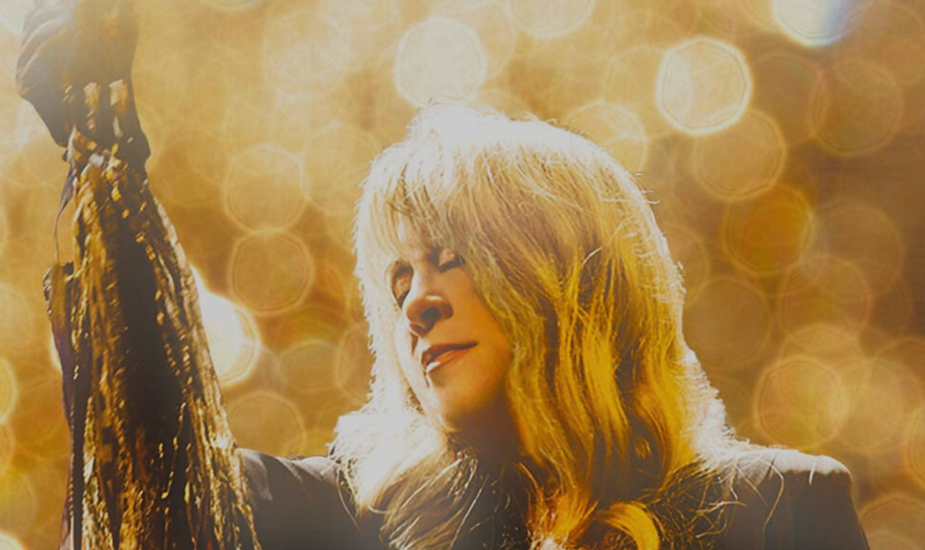
Born Stephanie Lynn Nicks on May 26, 1948, in Phoenix, Arizona, she grew up in a musically inclined family. Her grandfather, a country singer, recognized her talent early and taught her to harmonize when she was a child.
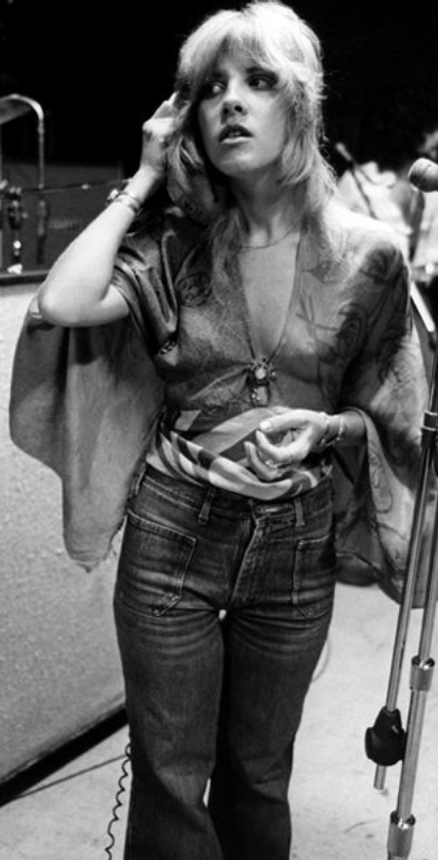
Stevie’s family moved frequently due to her father’s corporate job, but music remained her anchor.
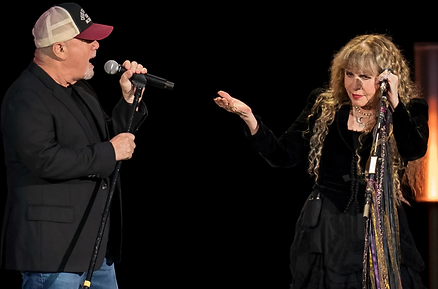
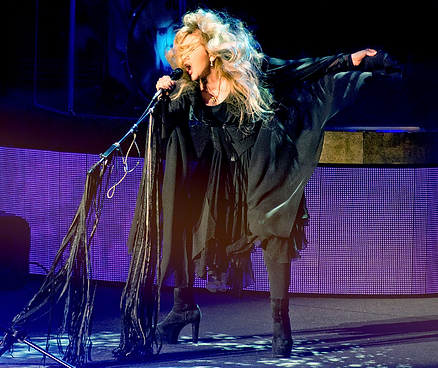
She received a Goya guitar at 16 and began writing songs, influenced by folk music, country, and the rock scene of the 1960s.
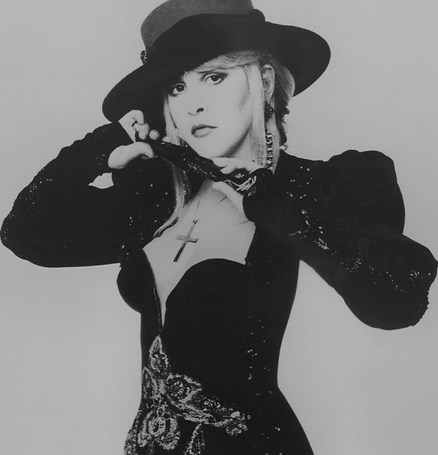
While attending Menlo-Atherton High School in California, she met Lindsey Buckingham, who would later become her musical and romantic partner.
In college at San Jose State University, where she briefly studied speech communication, Stevie and Lindsey joined a psychedelic rock band called Fritz. They opened for acts like Janis Joplin and Jimi Hendrix, giving Stevie her first taste of the rock ‘n’ roll lifestyle.

After Fritz disbanded, Stevie and Lindsey pursued music as a duo, forming Buckingham Nicks in the early 1970s.
They released a self-titled album in 1973, but it flopped commercially, leaving them struggling financially. Stevie worked multiple jobs—including as a waitress and house cleaner—to support their music dreams.
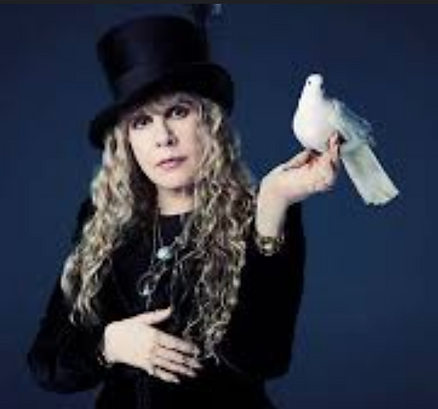
Despite the setbacks, their talent caught the attention of Mick Fleetwood, who was looking for a new guitarist for Fleetwood Mac. When he approached Lindsey, Lindsey refused to join unless Stevie was part of the deal.
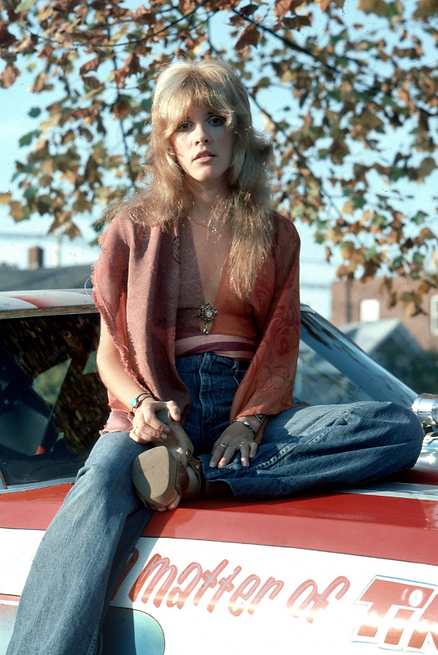
In late 1974, Mick Fleetwood was searching for a new guitarist for Fleetwood Mac.
Through a mutual connection, he heard Lindsey Buckingham’s guitar playing and was immediately impressed. He offered Buckingham the gig, but Lindsey refused to join without Stevie, insisting they were a package deal.
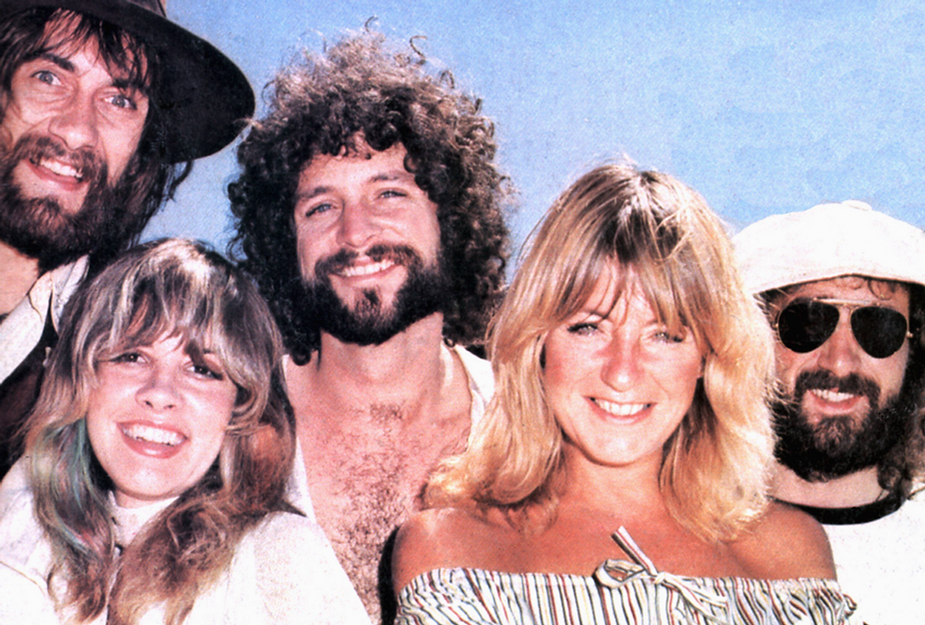
Mick agreed to meet Stevie, and when he did, he saw something special. Her voice, songwriting, and stage presence added a new dimension to Fleetwood Mac’s sound. On New Year’s Eve 1974, Stevie and Lindsey officially joined the band.
The first album with the new lineup, Fleetwood Mac (1975), was a massive success, featuring Stevie’s “Rhiannon” and “Landslide.” But it was Rumours (1977) that launched them into superstardom. The album, fueled by heartbreak, affairs, and emotional tension, became one of the best-selling albums of all time, with Stevie’s song “Dreams” becoming the band’s only Billboard No. 1 hit.
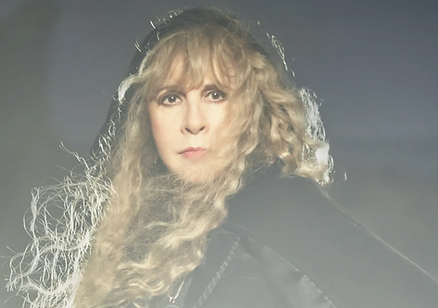
Stevie’s mystical image, poetic lyrics, and haunting voice transformed Fleetwood Mac into a legendary band. She went from singing in small venues to performing in sold-out stadiums, eventually launching a solo career while remaining an essential part of Fleetwood Mac’s legacy.
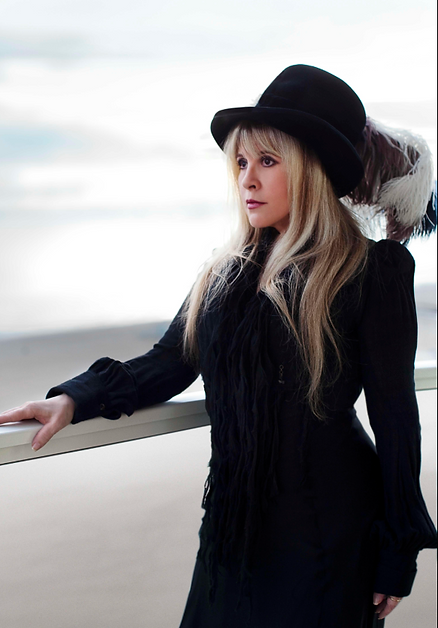
Her evolution into Fleetwood Mac wasn’t just luck—it was the result of relentless dedication, creative vision, and an unshakable belief in her music.
In 1975, Stevie and Lindsey joined Fleetwood Mac, and their first album together—simply titled Fleetwood Mac—became a major success. Stevie’s songs “Rhiannon” and “Landslide” became instant classics, showcasing her poetic lyrics and haunting vocals.
The band’s next album, Rumours (1977), turned them into superstars, but behind the scenes, personal turmoil—including Stevie and Lindsey’s breakup—fueled the emotionally charged songwriting.
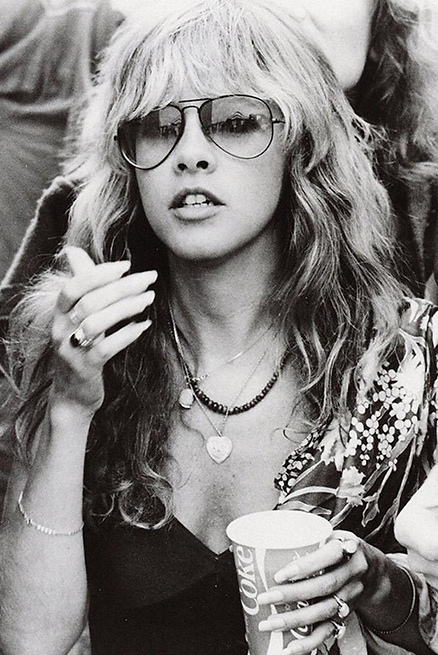
Stevie Nicks' transition from Fleetwood Mac to one of the biggest solo artists in pop and rock history was fueled by her unique voice, mystical songwriting, and an undeniable stage presence. Here’s how she evolved into a global music powerhouse after stepping away from Fleetwood Mac.
While still a member of Fleetwood Mac, Stevie was writing and stockpiling songs that didn’t fit within the band’s style. In 1979, she started working on her own material and teamed up with producer Jimmy Iovine, who saw her potential beyond the band.
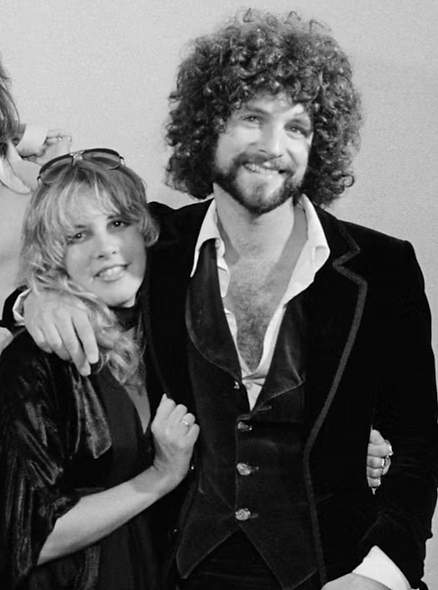
Stevie released her debut solo album, Bella Donna, in 1981, and it was an instant commercial and critical success. The album hit No. 1 on the Billboard 200 and solidified her status as a solo star. It featured:
By this time, Stevie was one of the top female rock artists in the world, proving she could succeed outside of Fleetwood Mac.
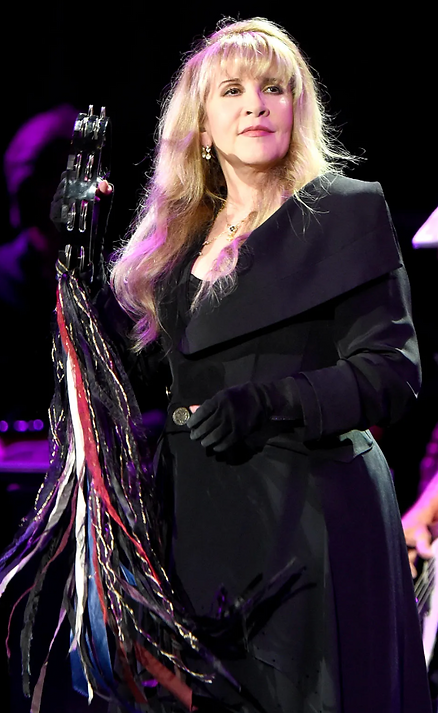
Her second solo album, The Wild Heart, released in 1983, leaned even more into pop and new wave influences. It continued her rise with:
This album cemented her crossover appeal—she wasn’t just a rock singer anymore; she was becoming a pop superstar.
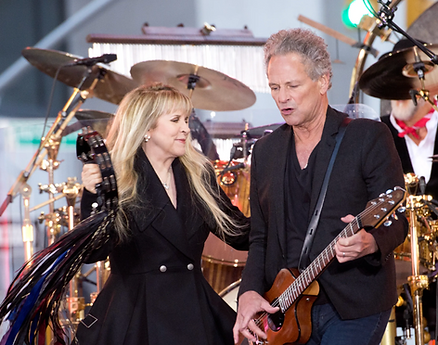
By 1985, Stevie had fully embraced the high-energy pop-rock sound of the ‘80s with Rock a Little. The album was a commercial success, featuring:
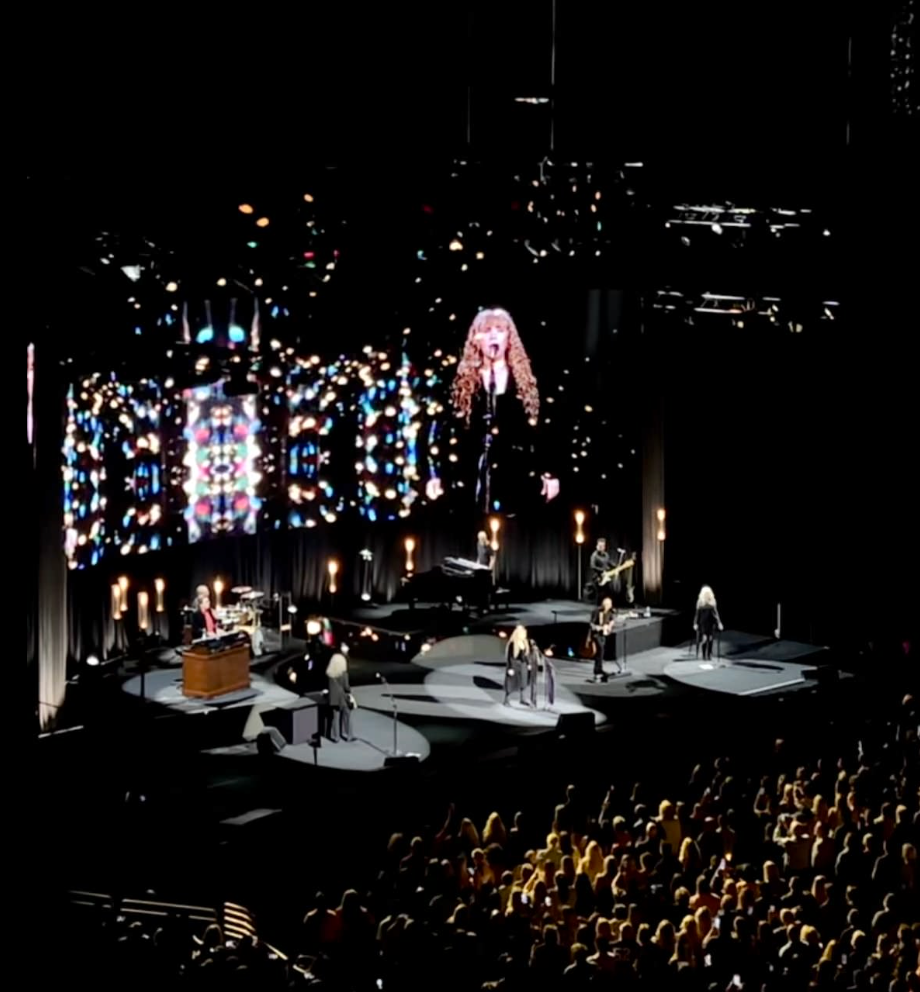
At this time, she was one of the biggest solo female artists in the world, touring extensively and selling out arenas. However, the pressures of fame and her struggles with addiction started taking a toll.
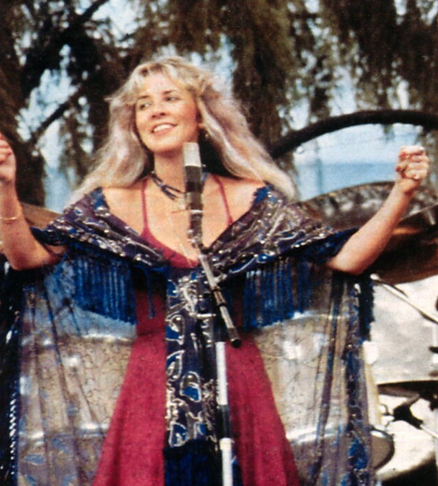
Stevie entered rehab in 1986 for cocaine addiction, and later in 1993 for dependency on a prescription drug she was given after rehab. During this time, she released:

Many thought her career was fading, but Stevie was far from finished.
In 1997, Fleetwood Mac reunited for The Dance, which was a massive success. Stevie’s passion was reignited, and she went back to her solo career stronger than ever.
By the 2010s, she had fully reclaimed her rock and pop icon status, inspiring a new generation of artists, from Florence Welch to Harry Styles.
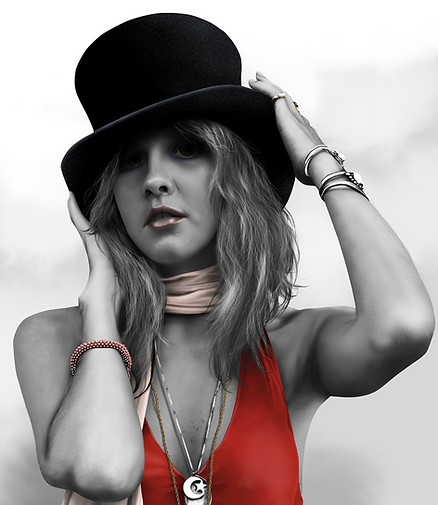
Stevie Nicks became the first woman inducted into the Rock & Roll Hall of Fame twice—first with Fleetwood Mac (1998) and then as a solo artist (2019). Her music continues to influence pop artists, proving her timeless magic and legendary status.
Stevie Nicks isn’t just a singer—she’s a mystical force, a poet, a trailblazer, and a timeless icon who has shaped generations of musicians. Her legacy is built on dreamy storytelling, raw vulnerability, and an unmistakable voice that has influenced rock, pop, and beyond.
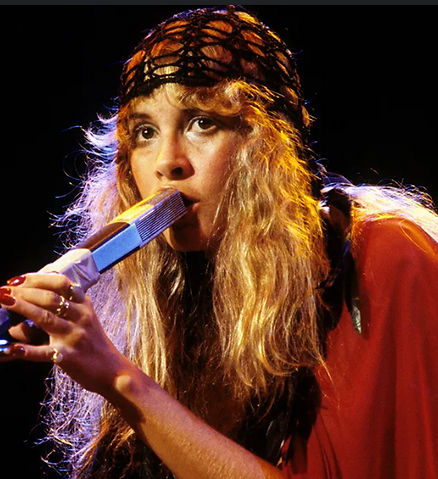
Before she became the “High Priestess of Rock,” Stevie was deeply influenced by a variety of artists across genres.
These artists helped shape her unique blend of rock, folk, and mystical storytelling, setting the stage for her rise.

Stevie has worked with some of the biggest names in music, blending her distinctive voice with different styles.
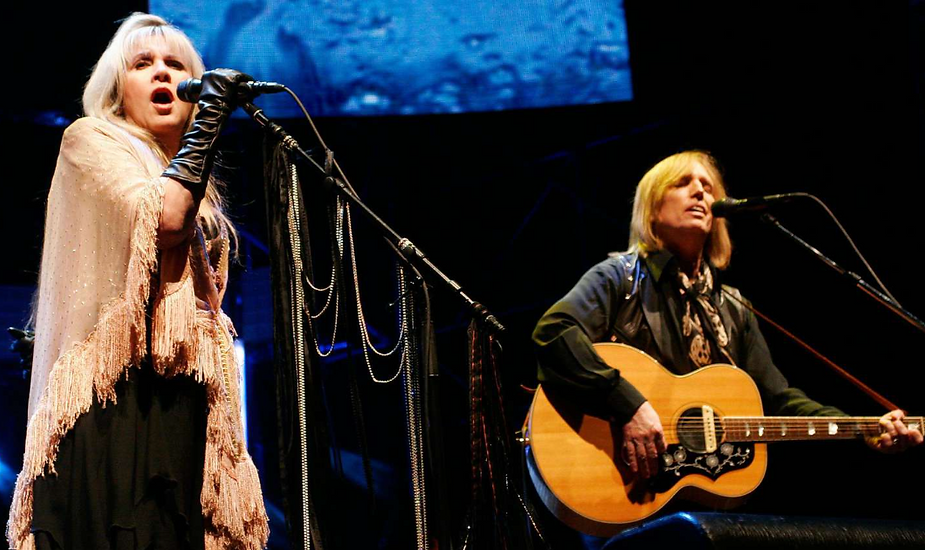
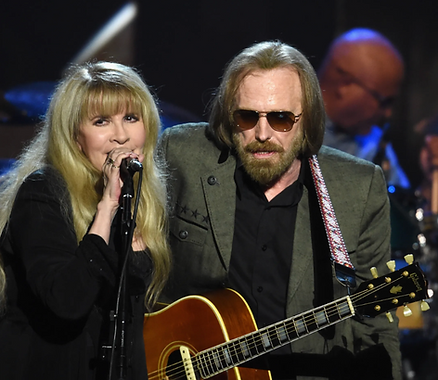
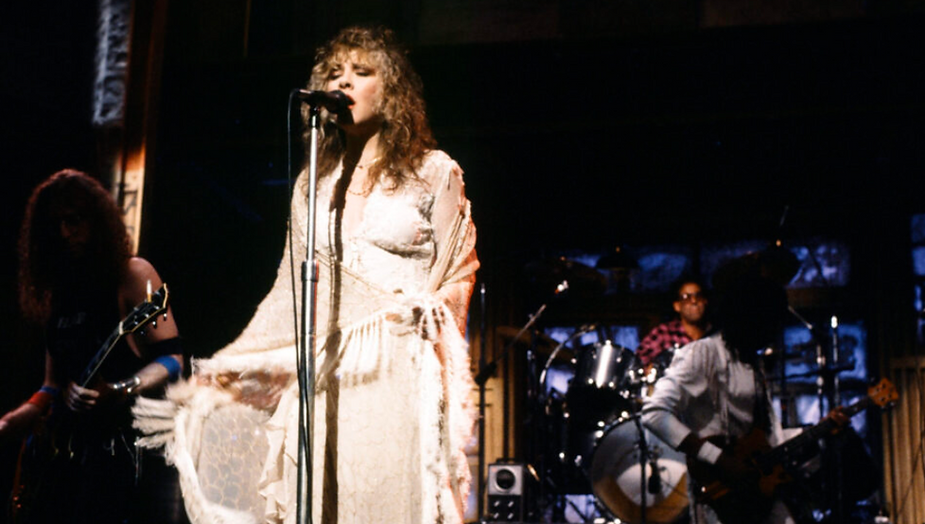
Her ability to collaborate across generations shows just how timeless she is.
Her influence spans decades and genres—from classic rock to modern pop.
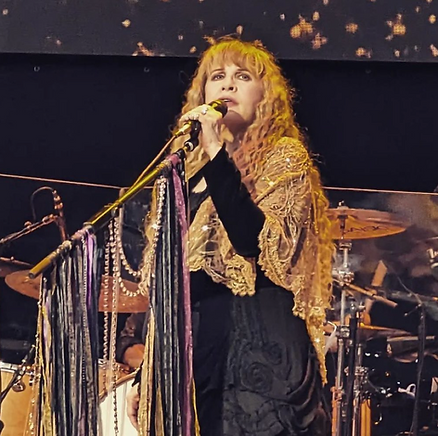
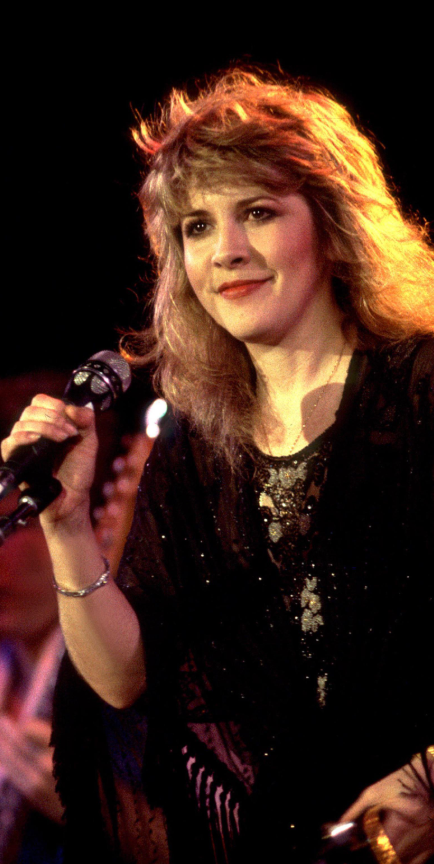
Stevie’s impact goes beyond genre—she’s a symbol of artistic freedom and self-expression.
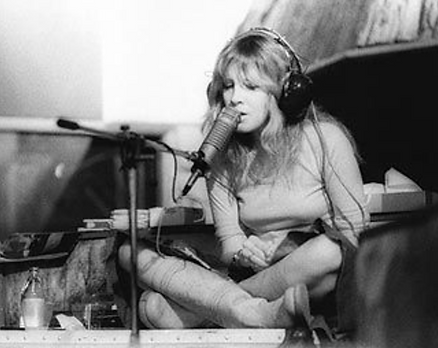
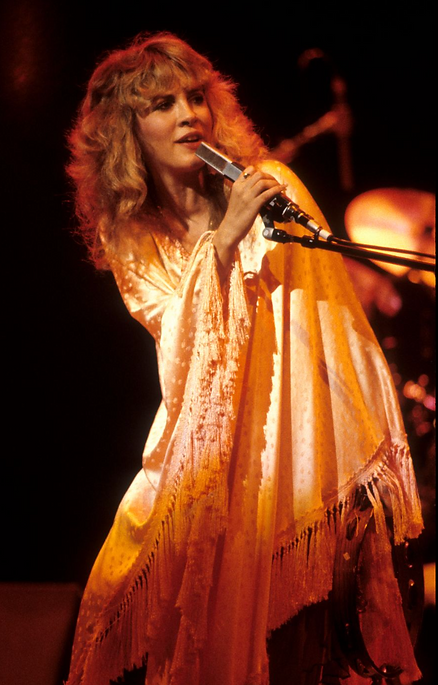
Stevie Nicks is more than a musician—she’s a spiritual force, a poet, a storyteller, and a legend.
Even in a band full of talent, Stevie stood out for her bohemian style, mystical aura, and deeply personal songwriting.
Her ability to blend folk, rock, and pop made her a beloved figure not just in rock but also in pop music, influencing generations of artists from Madonna to Harry Styles.
Her solo career, starting with Bella Donna (1981), cemented her as a true icon beyond Fleetwood Mac.
-fotor-bg-remover-20251210165637.webp)


