-fotor-bg-remover-20251211141935.webp)
-fotor-bg-remover-20251211143525.webp)
Frank Zappa was one of the most innovative, rebellious, and genre-defying artists in music history.
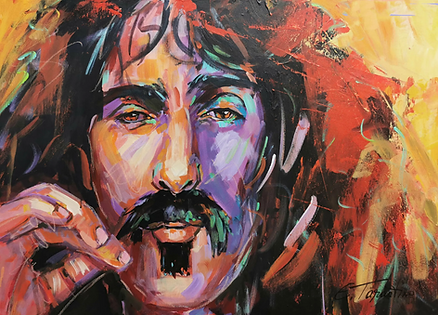
His journey from a self-taught composer to the mastermind behind The Mothers of Invention and eventually a groundbreaking solo artist is a tale of relentless creativity, humor, and genius.
Frank Vincent Zappa was born on December 21, 1940, in Baltimore, Maryland.
His father was a chemist working in the defense industry, and his childhood was marked by frequent moves due to his father’s job. The young Zappa was fascinated by science and chemistry, but his true obsession became music—especially avant-garde composers like Edgard Varèse, Igor Stravinsky, and Anton Webern.
In his teenage years, Zappa took up drums before switching to guitar, developing a unique playing style that would later influence rock and fusion guitarists. He became enamored with R&B, doo-wop, and blues, blending these influences with his love of classical dissonance.
By the early 1960s, Zappa was composing orchestral pieces and experimental music while playing in local bands.
In 1963, he took over a small recording studio in Cucamonga, California, where he experimented with sound and recorded bizarre, satirical tracks. His avant-garde recordings caught the attention of authorities—he was even arrested briefly for making a fake “pornographic” audio tape, which he later called a formative experience in his anti-authoritarian stance.
Zappa’s big break came in 1964 when he joined a struggling R&B band called The Soul Giants as a guitarist.
He quickly took over, renaming them The Mothers, and steering them into an entirely new direction: a mix of rock, jazz, classical, and absurdist satire.
The band was signed by Verve Records in 1966, who forced them to add “of Invention” to their name (to avoid obscenity concerns), and thus, The Mothers of Invention were born.
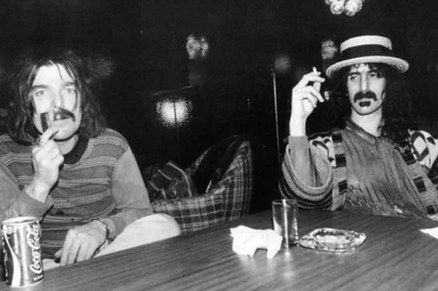
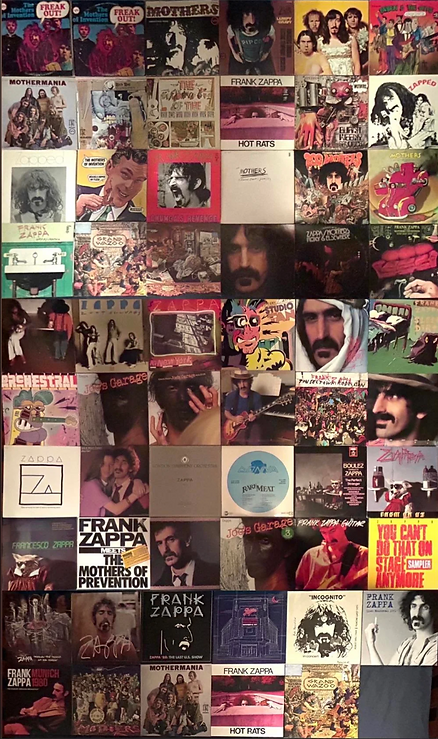
Their debut album, “Freak Out!” (1966), was a revolutionary double album, blending social satire, experimental rock, and orchestral elements—one of the first rock concept albums ever. It influenced everyone from The Beatles (Sgt. Pepper’s) to punk and progressive rock pioneers.
Over the next few years, Zappa and The Mothers released a string of groundbreaking albums, including:
By 1969, Zappa was increasingly frustrated with his band’s limitations and lack of financial success. He disbanded The Mothers in 1970, signaling the beginning of his solo career—though he would reunite with different versions of the band later.
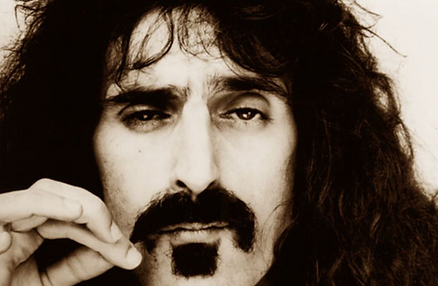
Zappa’s first official solo album, “Hot Rats” (1969), had already hinted at his future direction. Featuring jazz-rock fusion and virtuoso instrumental work, it included the now-classic “Peaches en Regalia” and guitar-heavy “Willie the Pimp” with Captain Beefheart on vocals.
After disbanding The Mothers, Zappa entered a prolific phase, working with a mix of jazz, classical, and rock musicians, including:
During this time, Zappa also suffered a near-fatal accident: In December 1971, he was attacked on stage by a crazed audience member in London and fell into an orchestra pit, breaking multiple bones.
This left him wheelchair-bound for months and permanently lowered his voice, which he later used to his advantage in his music.
This is just the beginning of his long and complex career. After this period, Zappa would evolve even further—experimenting with political satire, orchestral works, virtuoso guitar solos, and technological innovations that kept him ahead of his time.
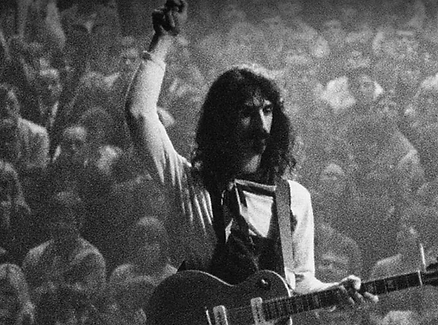
The 1970s were a defining decade for Frank Zappa—one where he fully embraced his role as a composer, bandleader, satirist, and guitar virtuoso.
After disbanding the original Mothers of Invention at the start of the decade, he spent the next ten years assembling some of the most talented musicians in rock and jazz, pushing boundaries with complex compositions, political satire, and blistering guitar work.
Even though Zappa had dissolved The Mothers of Invention, he didn’t stop making music with a revolving lineup of incredible musicians.
His early '70s work showed a strong shift towards jazz fusion and large-scale instrumental arrangements:
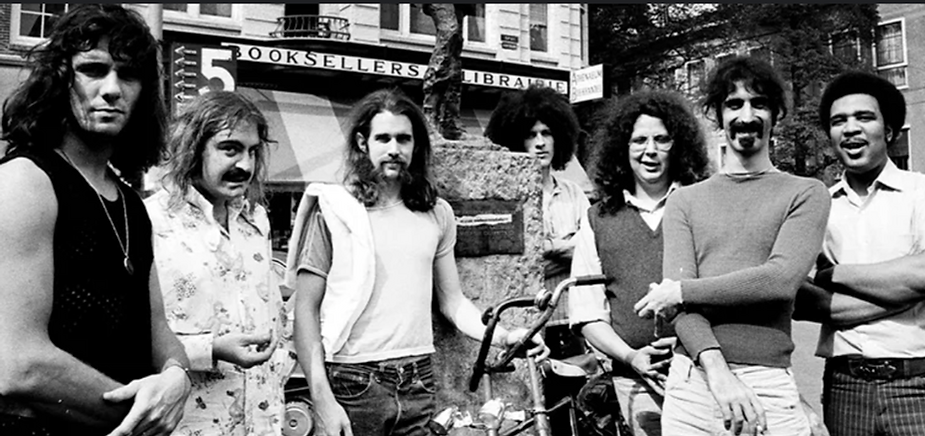
Zappa’s ambitions were nearly derailed by two catastrophic events in December 1971:
By 1973, Zappa had recovered and returned with a new version of The Mothers, featuring some of the most technically gifted musicians he ever worked with, including:
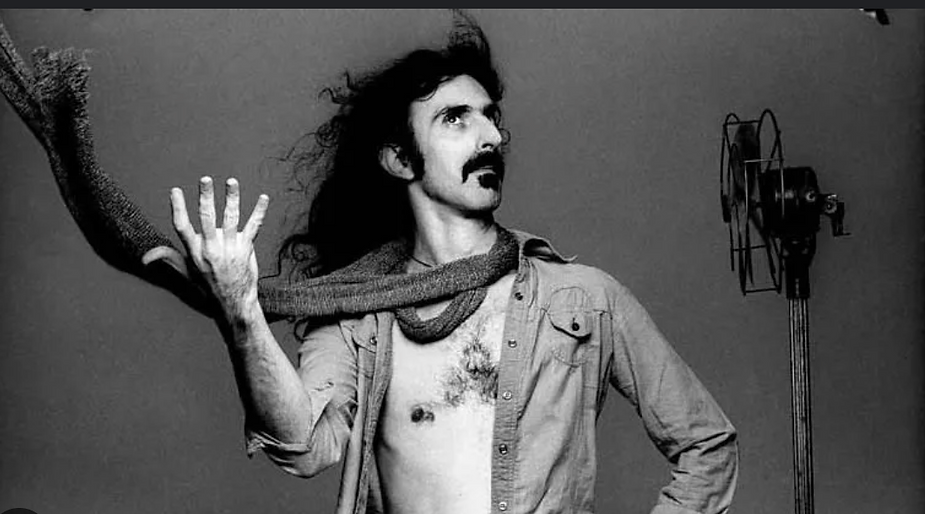
This era was defined by a mix of jazz fusion, complex compositions, and satirical lyrics:
Guitar Mastery: Around this time, Zappa's guitar soloing became a major focus. He began recording lengthy improvised solos, many of which would be compiled into later albums (such as Shut Up 'n Play Yer Guitar in the '80s).
By 1976, Zappa had split from Warner Bros. Records in a bitter legal battle and formed his own label, Zappa Records, giving him complete creative control. His music became even more politically charged, blending razor-sharp satire with intricate musicality:
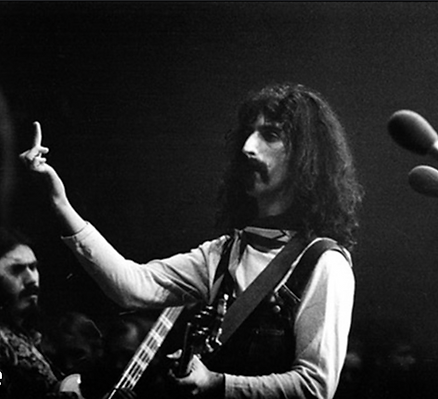
Zappa vs. Censorship: In the late '70s, Zappa became an outspoken critic of government control and censorship, especially when it came to music. He would later become a major figure in the fight against music censorship in the 1980s.
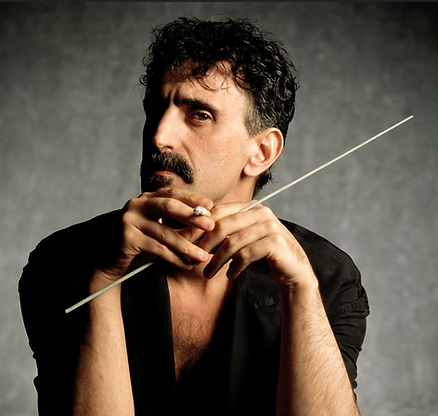
As the decade closed, Zappa pushed even further into classical composition and live experimentation:
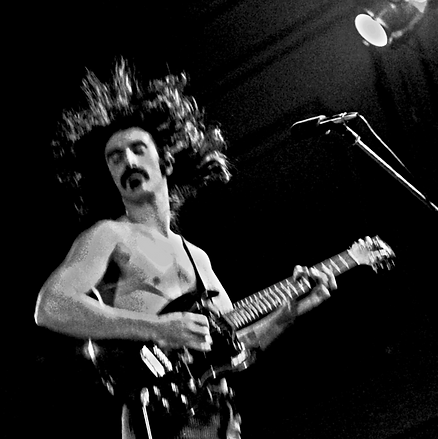
By the end of the 1970s, Frank Zappa had cemented himself as:
✅ A virtuoso guitarist respected by musicians worldwide.
✅ A political and cultural satirist unafraid to attack hypocrisy.
✅ A pioneer of jazz fusion, rock, and orchestral music, blending them like no one else.
✅ A fiercely independent artist who had fought record labels and censorship laws to maintain his creative vision.
His output in the '70s was staggering—dozens of albums spanning rock, jazz, orchestral music, satire, and beyond.
The 1980s saw Frank Zappa evolve from a musical maverick into a political activist, technology innovator, and one of the most respected composers of the 20th century. Despite facing legal battles, industry censorship, and ultimately his own mortality, he never stopped pushing boundaries.
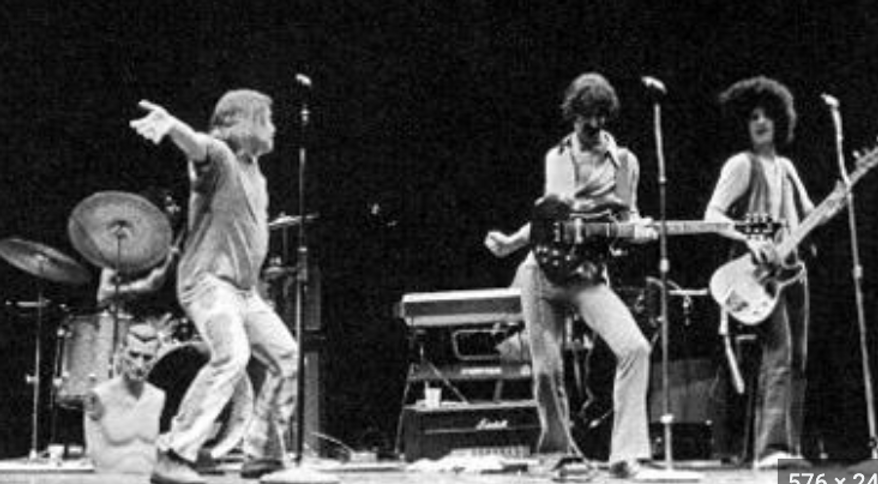
This era was defined by groundbreaking live performances, political and social criticism, pioneering digital recording techniques, and his fight against music censorship. Let’s dive into his band lineups, his final years, and the massive influence he left on the music world.
Zappa assembled some of his tightest and most technically gifted lineups during this era, mixing new and old members. Some of his most notable musicians in the early '80s included:
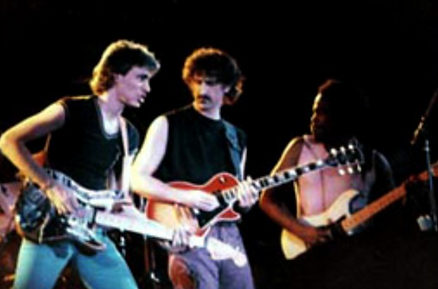
Key albums from this era:
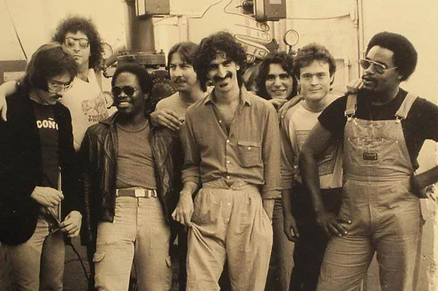
In 1985, Frank Zappa became a central figure in the fight against music censorship when the Parents Music Resource Center (PMRC) pushed for warning labels on albums with explicit content.
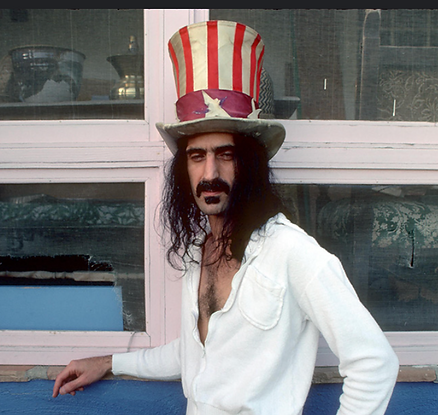
During the late ‘80s, Zappa became one of the first artists to fully embrace digital recording and composition, using the Synclavier, an advanced synthesizer that allowed him to compose orchestral music with incredible precision.
Notable works from this period:

Even as he embraced technology, Zappa never abandoned his love of live performance, continuing to tour with some of the most technically accomplished musicians of the era.
The 1990s & Zappa’s Final Years (1990–1993)
Diagnosed with Cancer (1990–1993)
In 1990, Frank Zappa was diagnosed with prostate cancer, which had gone undetected for years. Despite his declining health, he continued working tirelessly, diving deeper into classical composition and recording as much as possible.
Final Works & Conducting in Europe (1992–1993)
Though too ill to tour in the U.S., Zappa was honored in Europe, where he conducted his orchestral compositions with the Ensemble Modern, culminating in the album "The Yellow Shark" (1993).
This project showcased some of his most intricate orchestral work, proving that even in his final years, Zappa was at the peak of his creative powers.
Passing & Lasting Impact
On December 4, 1993, Frank Zappa passed away at the age of 52. His death marked the loss of one of the most fearless, original, and prolific musicians of all time.
ree
Zappa’s Legacy & Influence
Unreleased Archives & The Zappa Family Trust
Zappa left behind a massive vault of unreleased recordings, known as the “Vault”, which continues to be released posthumously.
His widow, Gail Zappa, managed his estate until her death in 2015. Now, his children—Dweezil, Ahmet, Moon, and Diva Zappa—continue to oversee his legacy.
Artists He Influenced
Frank Zappa’s influence can be felt across rock, jazz, metal, electronic, and experimental music. Some of the biggest names who credit him as an inspiration include:
Steve Vai & Joe Satriani – Both guitar virtuosos, influenced by Zappa’s approach to composition and technical skill.
Primus – Les Claypool’s bizarre, avant-garde funk-rock style owes a lot to Zappa’s influence.
Ween – Their eclectic, genre-hopping sound and satirical lyrics mirror Zappa’s approach.
Mr. Bungle & Mike Patton – Their complex, unpredictable compositions echo Zappa’s fusion of genres.
Dream Theater – Their intricate progressive rock and virtuoso musicianship show Zappa’s influence.
Devin Townsend – A modern progressive metal artist who shares Zappa’s mix of humor and technical brilliance.
Kanye West & Hip-Hop Sampling – Though not a direct influence, Zappa’s use of collage-style sampling in albums like We’re Only in It for the Money paved the way for modern hip-hop production.
Why Zappa Still Matters Today
Frank Zappa was more than just a musician—he was:
🎸 A Guitar Virtuoso – His solos were legendary, blending blues, jazz, and avant-garde techniques.
🎼 A Composer’s Composer – He pushed the boundaries of classical, jazz, and rock composition.
🎤 A Fearless Satirist – His critiques of politics, censorship, and society remain relevant.
💾 A Technological Pioneer – He embraced digital music before most artists even knew what it was.
🛡️ A Defender of Free Speech – His testimony against music censorship still inspires artists today.
Even decades after his death, Zappa’s music and philosophy remain timeless, proving that true artistic integrity can outlive any trend or commercial pressure.
Frank Zappa’s approach to live improvisation was nothing short of revolutionary.
He integrated all styles of music—rock, jazz, blues, classical, avant-garde, and even doo-wop—into an unpredictable, high-level performance experience.
His concerts were never just about playing songs as they were recorded; instead, they were living, evolving pieces of spontaneous composition, musical humor, and technical wizardry.
His command over improvisation shaped the way musicians think about live performances today, particularly in jam bands, progressive rock, jazz fusion, and avant-garde experimental music.
One of Zappa’s most unique contributions was his role as a "live composer"—he didn’t just play music; he conducted it in real time.
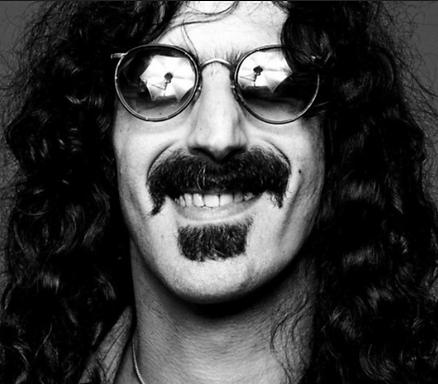
"The audience should never know what to expect. The musicians should never know what to expect. That's what keeps it alive." – Frank Zappa
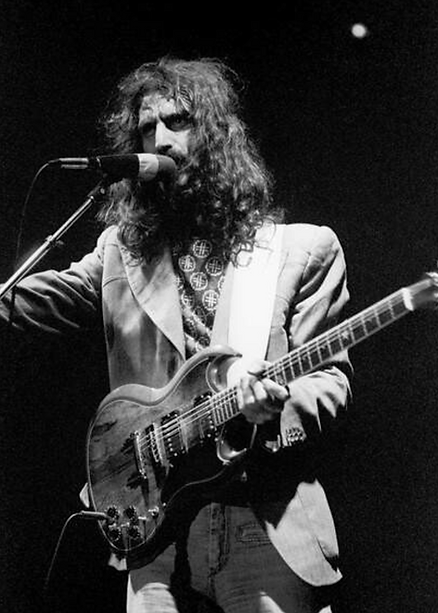
Zappa treated genres not as boundaries but as tools—each one served a function in his sonic playground. His live shows blended everything:
🎷 Jazz Fusion – Zappa absorbed Miles Davis, Charles Mingus, and John Coltrane, creating insanely complex, free-flowing solos and polyrhythmic jams.🎸 Hard Rock & Blues –
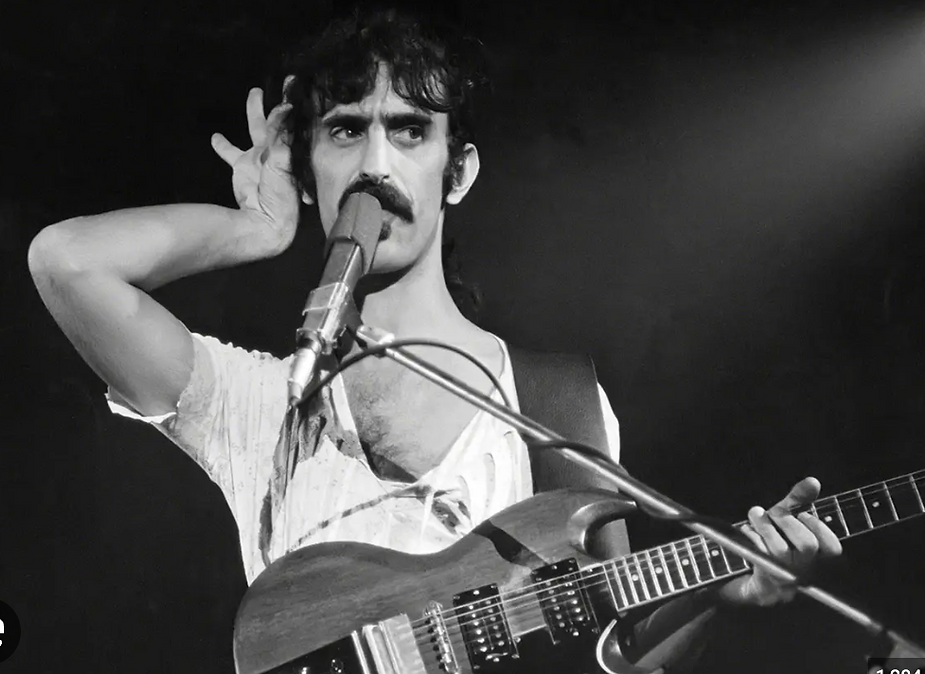
His searing blues-infused guitar solos rivaled Hendrix and Clapton, but he infused them with bizarre, unpredictable turns.🎻 Classical & Avant-Garde – He would insert sections of Stravinsky or Edgar Varèse-inspired orchestration into rock concerts, forcing audiences into musical whiplash.🕺 Funk & Disco Parodies – Songs like "Dancin’ Fool" mocked pop trends while still being insanely danceable.👽 Electronic & Experimental Soundscapes – Zappa used synthesizers and effects pedals in real time, manipulating sound textures live.🤣 Comedy & Spoken Word Improvs – His band frequently stopped mid-song to insert jokes, bizarre monologues, or even audience interactions.
Zappa’s live improvisation was only possible because he recruited some of the greatest musicians in history—people who could read his mind onstage and keep up with his musical acrobatics.
🔹 Ruth Underwood (percussion, 1972-1977) – A master of insanely complex polyrhythms, making even the most bizarre Zappa compositions groove.
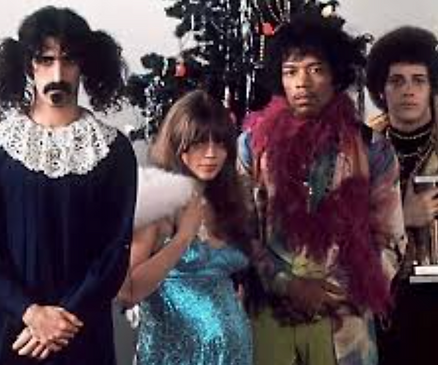
🔹 George Duke (keyboards/vocals, 1970s) – Brought an insane mix of jazz-fusion, funk, and avant-garde energy to Zappa’s live band.
🔹 Terry Bozzio (drums, 1975-1978) – Played impossible time signatures while improvising with ease.
🔹 Steve Vai (guitar, 1980-1983) – The "stunt guitarist", transcribed Zappa’s most impossible solos note-for-note.
🔹 Vinnie Colaiuta (drums, 1978-1981) – A drumming alien capable of playing mind-bending time signatures while staying locked in the groove.
🔹 Napoleon Murphy Brock (sax/vocals, 1973-1975) – A charismatic performer who could shift between jazz improvisation and comedic theatrics.
Frank Zappa’s improvisational genius has influenced every genre of live music today.
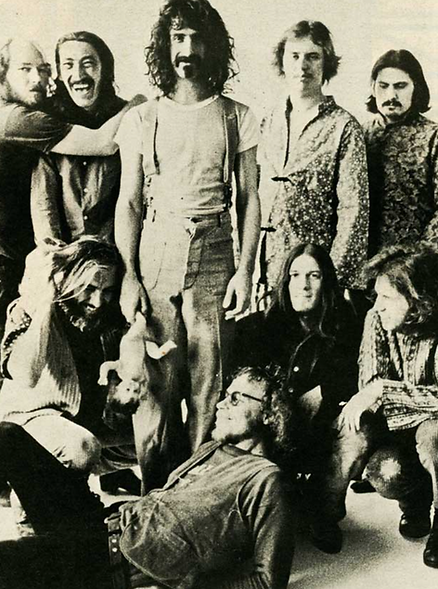
✅ Live Music as a Conversation – He showed that concerts should be living, breathing moments of creativity, not just recitals of recorded songs.
✅ No Rules in Genre – Zappa proved you can blend classical, rock, jazz, funk, and noise into one seamless performance.
✅ Technical Excellence + Spontaneity – He demanded perfection from his musicians while also encouraging them to take risks in the moment.
✅ Music as Theater – His shows were a mix of virtuosity, comedy, political satire, and raw improvisation, something few have ever matched.
Even decades after his death, Zappa’s live improvisation philosophy continues to shape the way the best musicians in the world approach their craft.
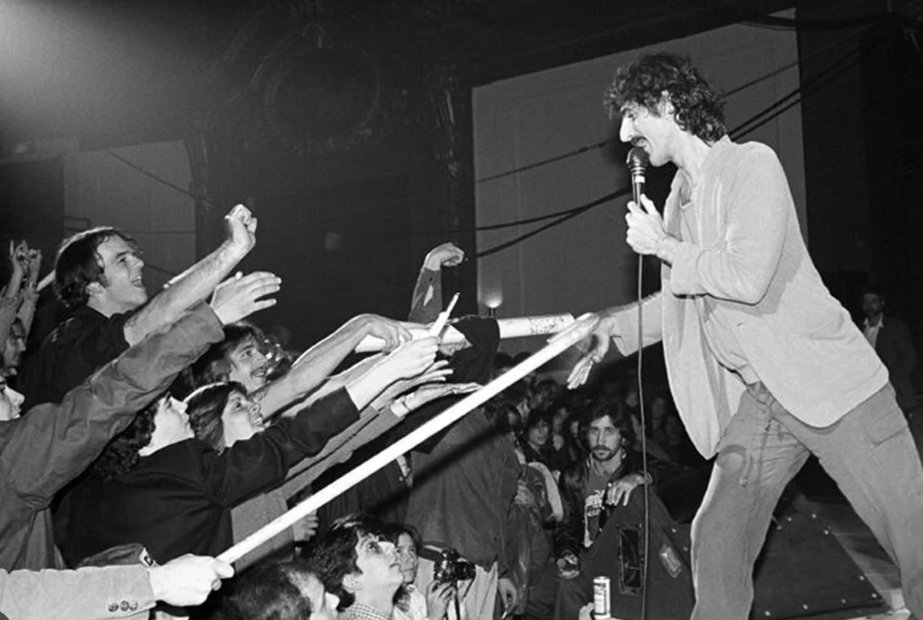
Frank Zappa passed away on December 4, 1993, at the age of 52 due to prostate cancer. His death marked the end of an era for music, as he was one of the most innovative, fearless, and uncompromising artists in history.
In his final years, despite battling illness, he continued composing and exploring new sonic territories, diving deep into modern classical music and Synclavier compositions. He even conducted an orchestral performance in 1992 in Germany while already weakened by cancer.
His family announced his passing with a simple but powerful statement:
"Composer Frank Zappa left for his final tour just before 6:00 pm Saturday."
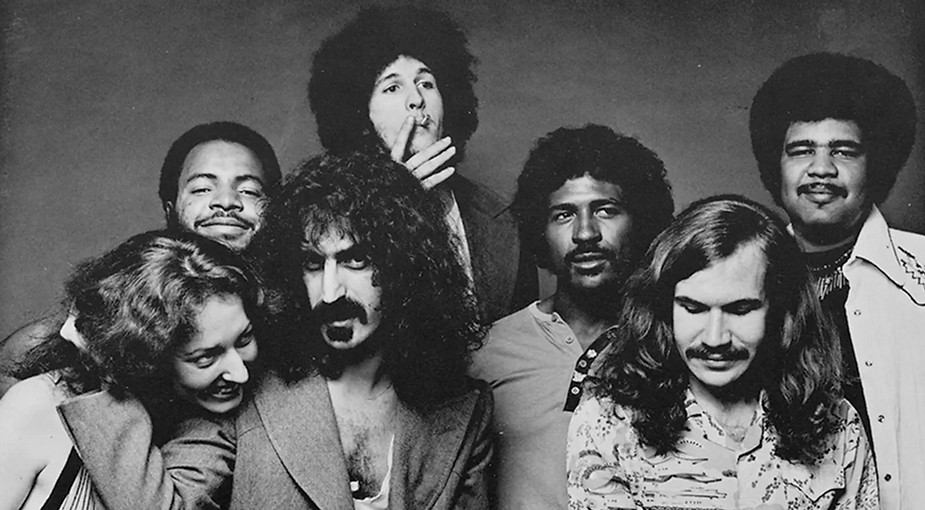
Zappa was not just a musician—he was a composer, satirist, conductor, philosopher, and sonic scientist.
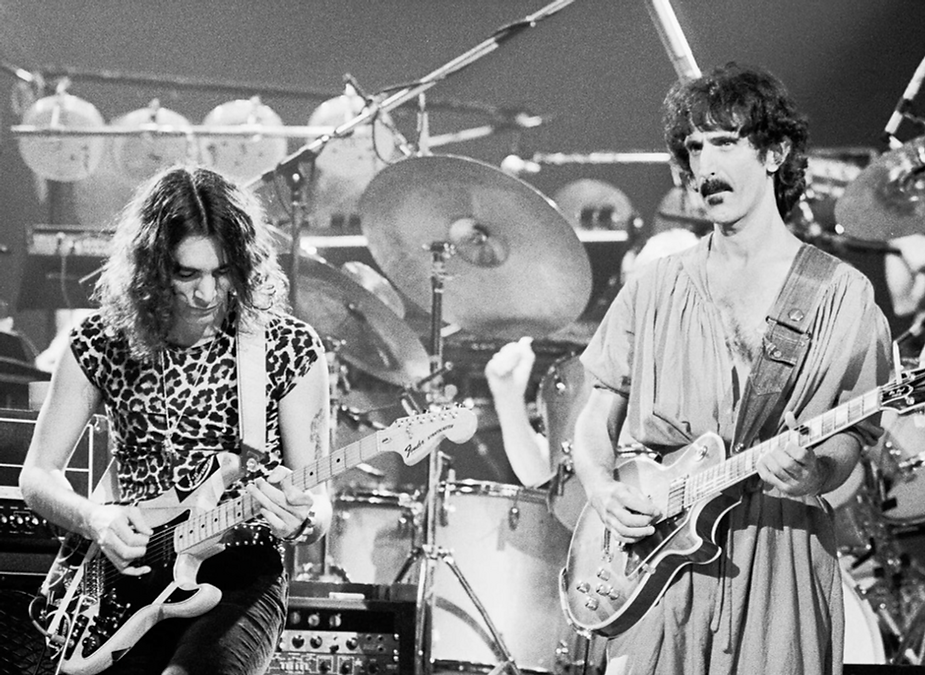
🎼 "We may never see another mind that could weave together doo-wop harmonies, Stravinsky-style orchestration, jazz-fusion complexity, and satirical lyrics in one piece."
Zappa never backed down from speaking his mind, whether it was about politics, censorship, or society’s hypocrisy.
🎙️ "In an age where many musicians censor themselves for popularity, there may never be another artist so fearless in calling out the absurdities of the world."
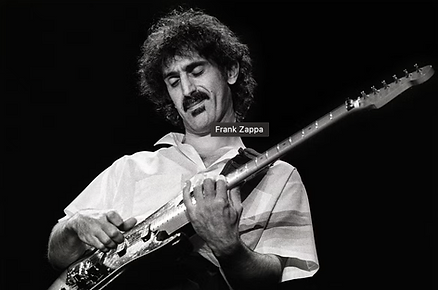
Zappa’s conducted improvisation and demand for perfection from his musicians set a gold standard.
🎸 "Few artists have ever had the ability to compose in real time onstage like Zappa did."
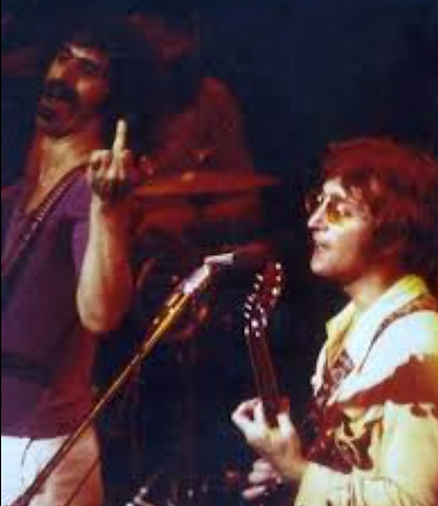
Zappa released over 60 albums in his lifetime—and his estate continues to release vault material and live recordings decades later.
📀 "Even after his death, we are still discovering new music from him—who else can say that?"
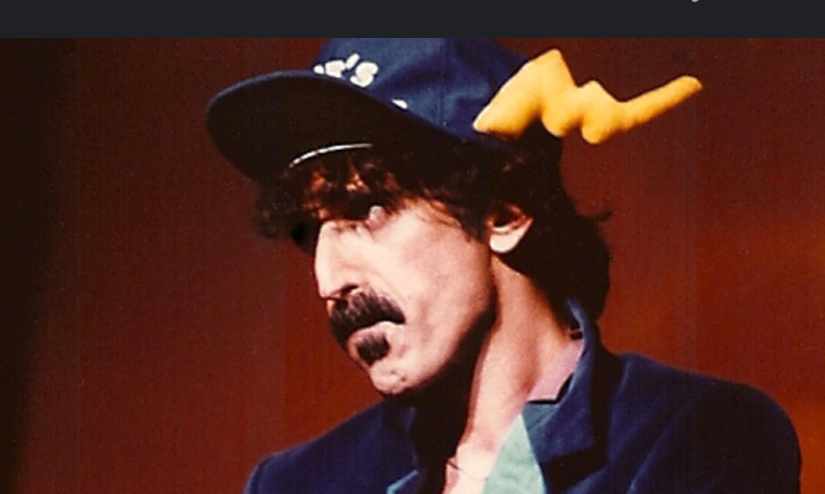
The truth is, no one else has ever approached music like Frank Zappa.
🚫 "With the way the music industry works now, it's nearly impossible for another artist to have the same level of independence and innovation as Zappa."
Even in the face of death, Zappa remained deeply philosophical and unafraid. He often spoke about death as just another part of existence.
In one of his final interviews, when asked how he would want to be remembered, he simply said:
"It's not important to even be remembered."
But, of course, he is remembered—and will continue to be remembered—as one of the most inventive musical minds in history.
Frank Zappa’s music, philosophy, and creative approach ensure that he will never truly be gone. His influence can be heard in:
✅ Live improvisation-based bands like Phish and jam bands
✅ Guitar virtuosos like Steve Vai and Joe Satriani
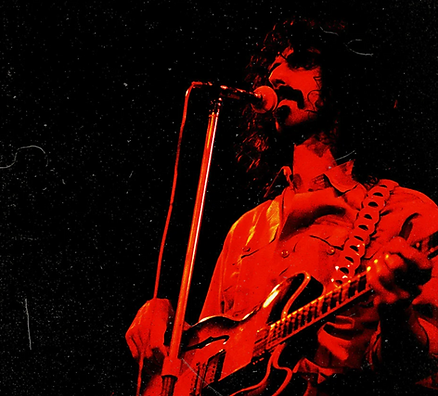
✅ Progressive & experimental music from King Crimson to The Mars Volta
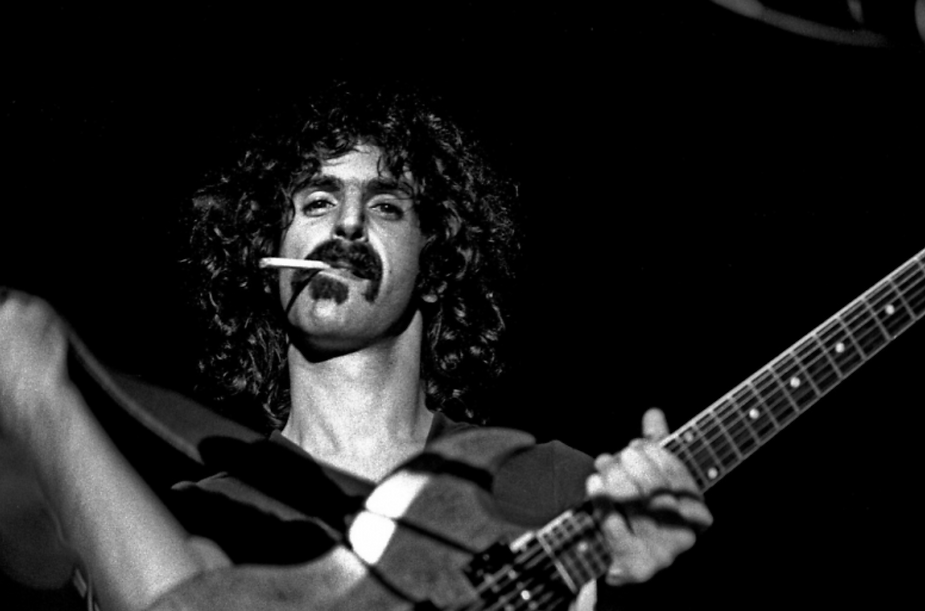
✅ Modern classical composers & avant-garde musicians
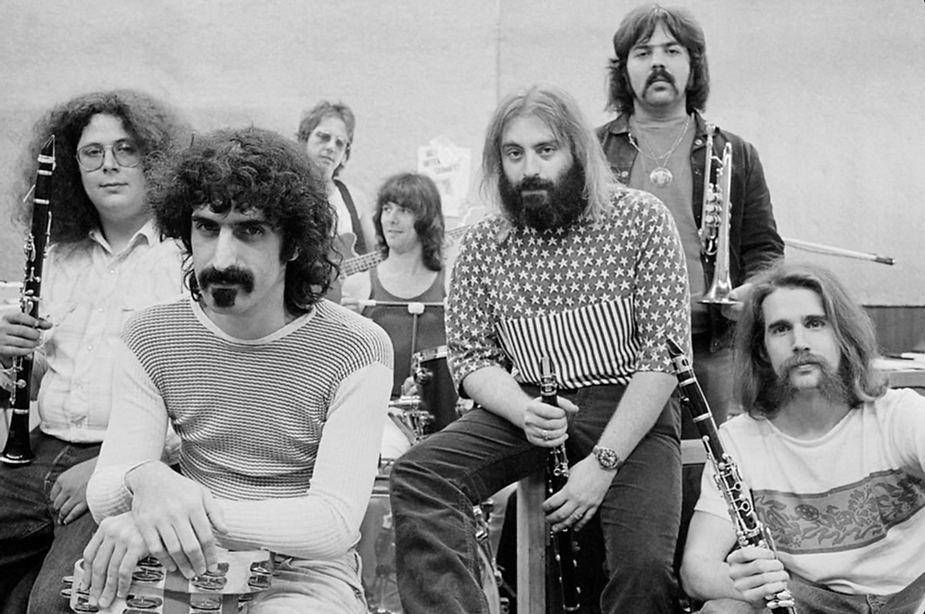
✅ Anyone who refuses to conform to industry norms
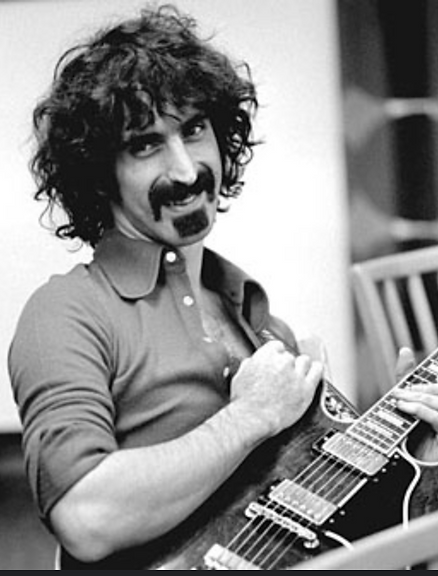
🎶 "Zappa didn’t just play music—he built a new way of thinking about sound, performance, and artistic freedom. And that will never die."

-fotor-bg-remover-20251210165637.webp)


