-fotor-bg-remover-20251211141935.webp)
-fotor-bg-remover-20251211143525.webp)
Charlie Parker, affectionately known as "Bird," was more than a jazz musician—he was a revolutionary.
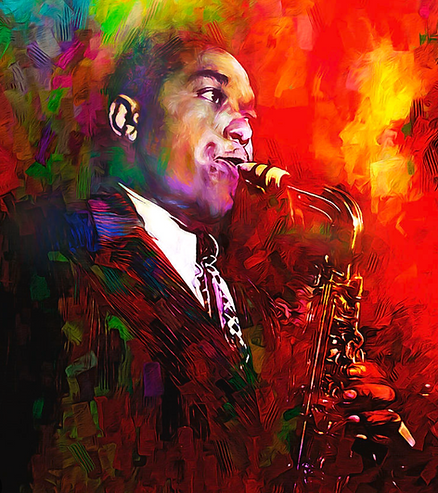
His saxophone didn’t just play notes; it rewrote the language of jazz. From his early days in Kansas City to becoming one of the architects of bebop, Parker’s influence shaped the future of music in ways that still resonate today.
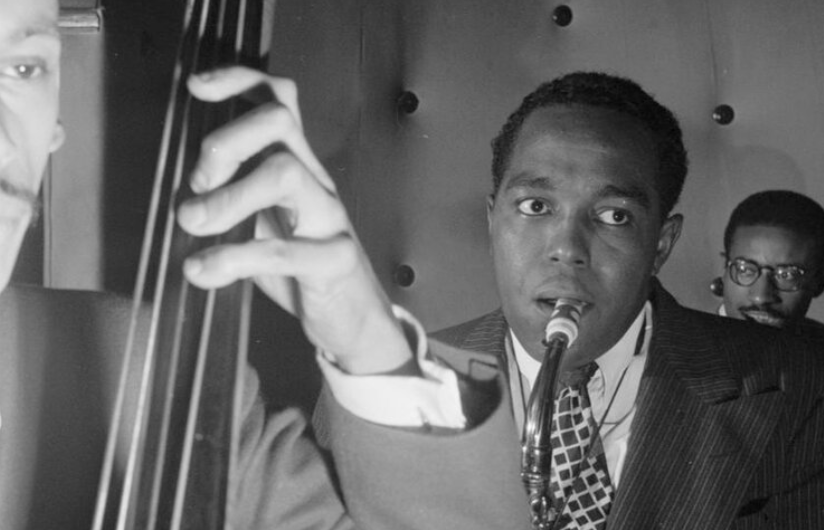
Charlie Parker was born August 29, 1920, in Kansas City, Kansas, but was raised in Kansas City, Missouri—a city buzzing with jazz. The sounds of Count Basie, Bennie Moten, and Lester Young filled the air, and young Parker soaked in every note.
At 11 years old, he picked up the alto saxophone, and by the time he was a teenager, he was playing in Kansas City's jazz clubs.
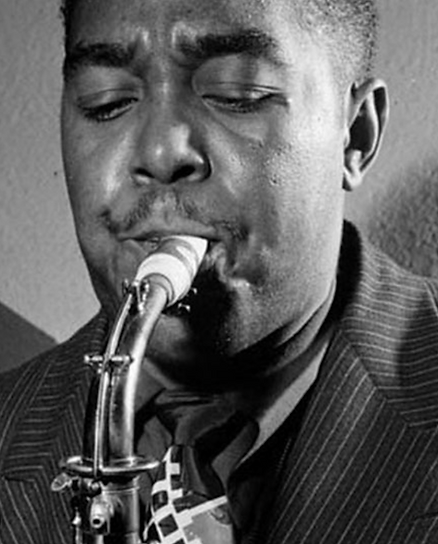
His raw talent was undeniable, but his first performances were humbling. During an early jam session, drummer Jo Jones famously threw a cymbal at Parker’s feet as a way of saying, "Come back when you’re ready." That moment didn’t break him—it fueled him.
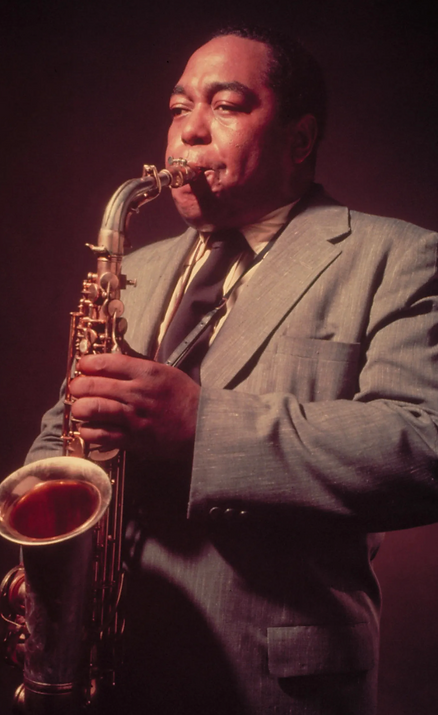
Determined, Parker practiced relentlessly, reportedly playing for up to 15 hours a day. He obsessively studied the records of Coleman Hawkins and Lester Young, and his improvisational skills exploded.
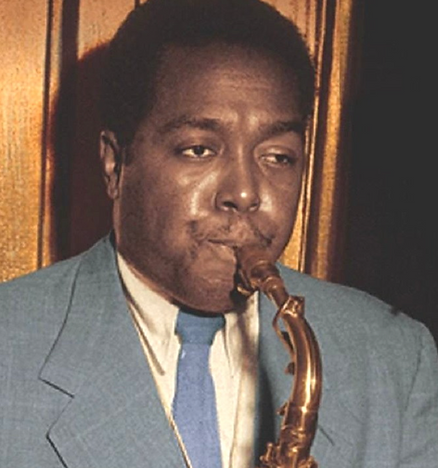
In the early 1940s, Parker moved to New York City, the epicenter of jazz innovation. It was there that he met his musical counterparts and collaborators, including:
Together, they developed a new, high-energy, complex style of jazz
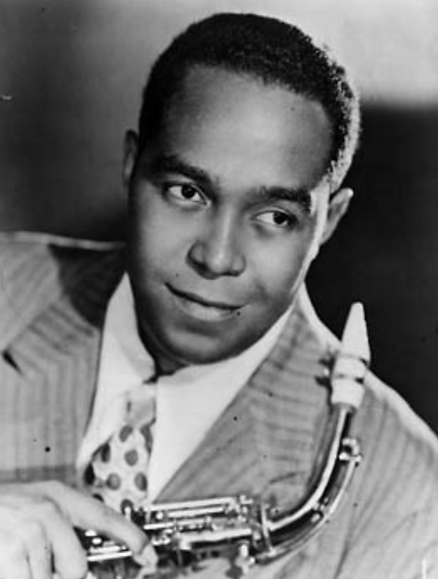
Bebop broke the rules of swing-era jazz. It was faster, unpredictable, and filled with daring chord progressions, rapid runs, and intricate melodies. Parker’s solos were like lightning bolts, twisting and turning in unexpected ways.
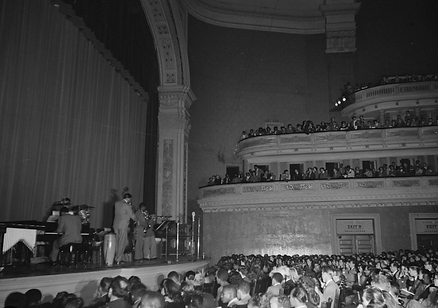
Key moments that defined his rise:
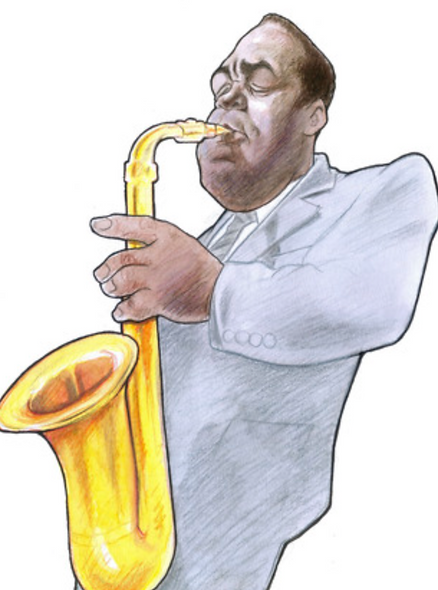
Despite his musical genius, Parker’s life was haunted by personal demons. He had become addicted to heroin as a teenager, and his substance abuse shadowed his career. It led to:
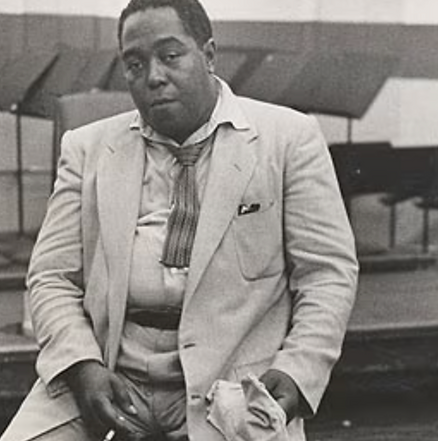
In 1946, his addiction landed him in Camarillo State Hospital, where he took a break from performing. When he returned, he refined his sound, and his music soared to new heights.
Charlie Parker’s impact on music is immeasurable. He influenced generations of musicians, including:
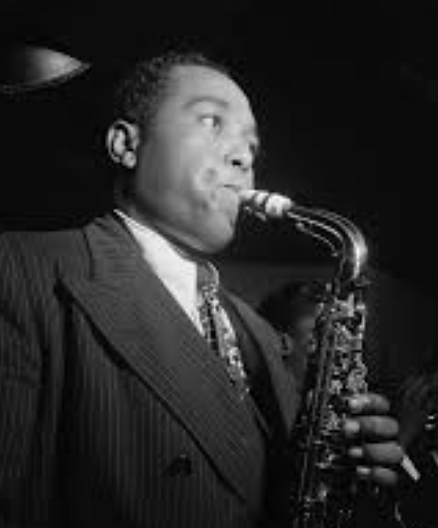
Beyond jazz, his influence extended into rock, classical, and hip-hop, inspiring everyone from Frank Zappa to J Dilla.
Even after his passing, Parker’s bebop innovations remain the foundation of modern jazz.
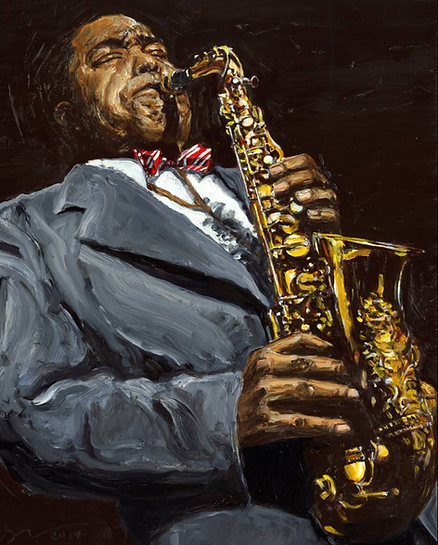
By the early 1950s, Parker was struggling both personally and professionally. His health deteriorated, and on March 12, 1955, at just 34 years old, he passed away in the apartment of jazz patron Baroness Pannonica de Koenigswarter.
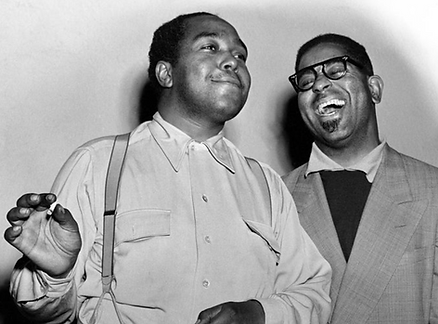
His official cause of death was pneumonia and a bleeding ulcer, but his years of drug use had taken their toll. The coroner mistakenly estimated his age to be 53—a testament to how much he had endured in his short life.
Charlie Parker was more than just a saxophonist—he was a visionary. His music redefined jazz, pushing the boundaries of harmony, rhythm, and improvisation. Today, his name is synonymous with innovation, and his spirit lives on in every jazz musician who dares to push the limits of their craft.
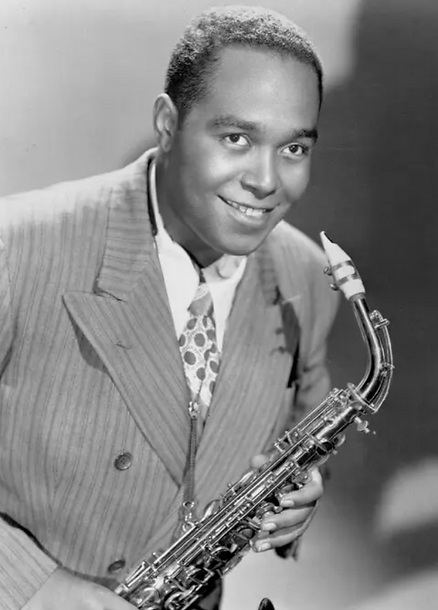
As Dizzy Gillespie once said:"Charlie Parker was the other half of my heartbeat."
And for jazz, his heart never stopped beating.
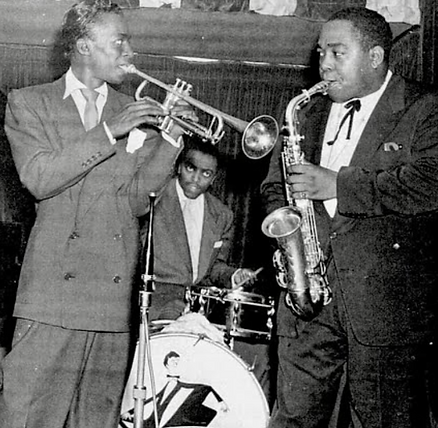
Charlie Parker’s influence is everywhere—his revolutionary bebop innovations shaped modern jazz, and his DNA can be heard in artists across multiple genres, from jazz to hip-hop, rock, and even electronic music.
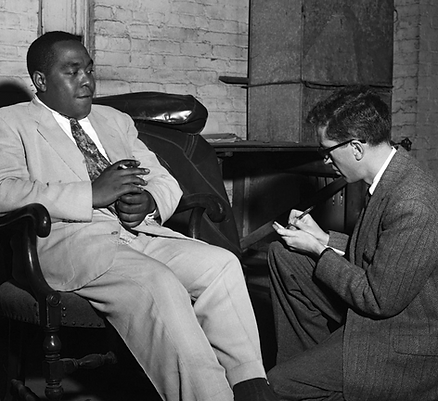
These musicians keep Parker’s bebop language alive while expanding on it:
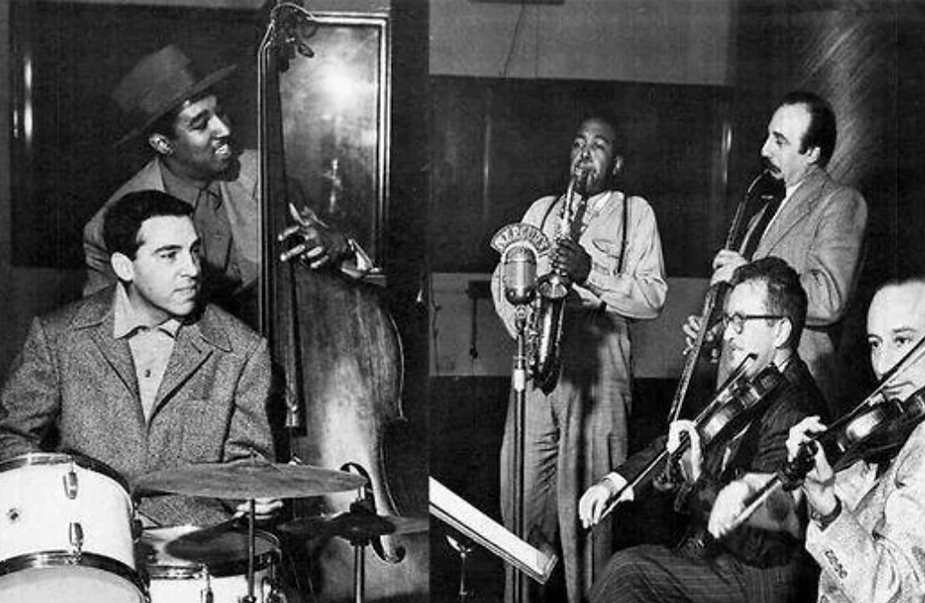
Charlie Parker indirectly inspired The Grateful Dead, though they didn’t play bebop or jazz in the traditional sense. The connection comes through their approach to improvisation, musical freedom, and fusion of genres—all things Parker helped revolutionize.
Improvisation as a Core Principle
Charlie Parker and bebop musicians pioneered spontaneous, extended improvisation, which became a cornerstone of The Grateful Dead’s live performances.
Much like Parker’s unpredictable solos, the Dead would stretch songs into long, free-flowing jams, making each performance unique.
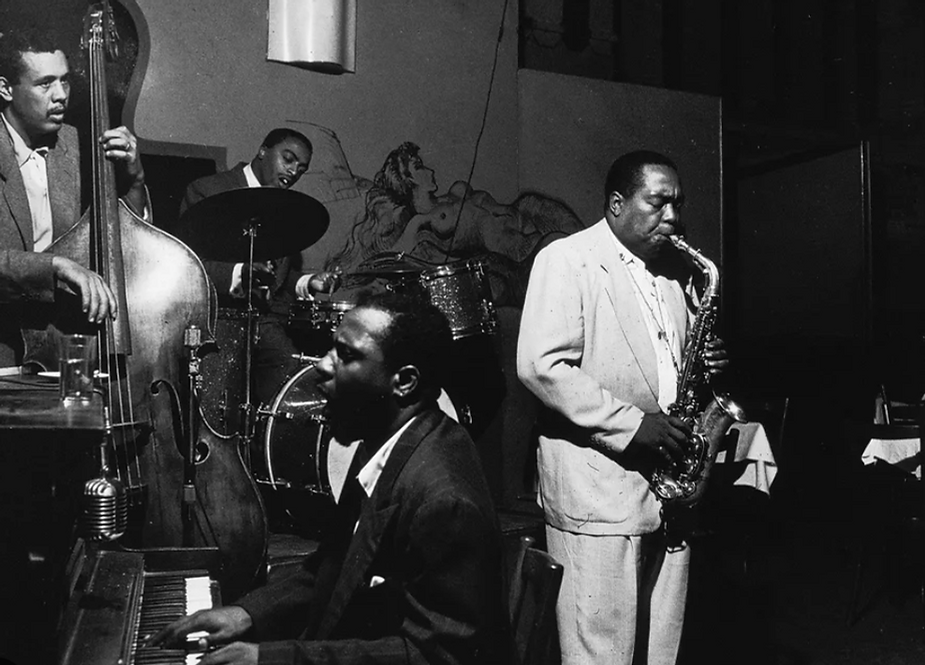
Jazz-Inspired Thinking
Jerry Garcia, the band’s lead guitarist, was influenced by jazz musicians, including Parker. He studied modal jazz and appreciated the fluid, melodic phrasing that bebop players used.
The Dead’s musical conversations, where band members fed off each other in real time, mirrored the way Parker and his bebop peers communicated on stage.
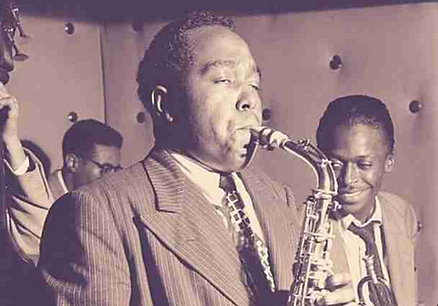
Phil Lesh’s Background in Avant-Garde Music
The Dead’s bassist, Phil Lesh, had a background in avant-garde classical and jazz-inspired composition.
He was influenced by John Coltrane, who was himself inspired by Parker. Lesh’s bass lines were more like counter-melodies, much like how bebop bassists interacted with soloists.
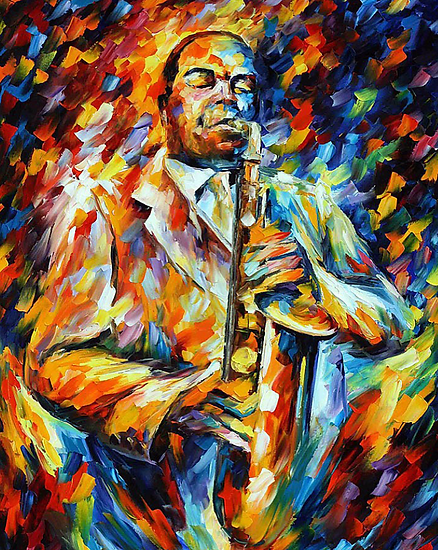
Jazz and Bebop’s Influence on the Counterculture
The 1960s counterculture was deeply connected to jazz, as it represented freedom and rebellion—themes The Grateful Dead embodied.
The band admired musicians who pushed boundaries, and Parker was one of the greatest musical rebels of all time.
While The Grateful Dead didn’t cover Parker’s music, they did experiment with jazz-infused chord progressions, polyrhythms, and extended solos, elements rooted in bebop.
While Charlie Parker and The Grateful Dead played different styles, the spirit of musical freedom, improvisation, and exploration connected them. Parker shattered the boundaries of jazz, just as the Dead shattered the rules of rock. In that sense, Bird’s influence still soared in their music.
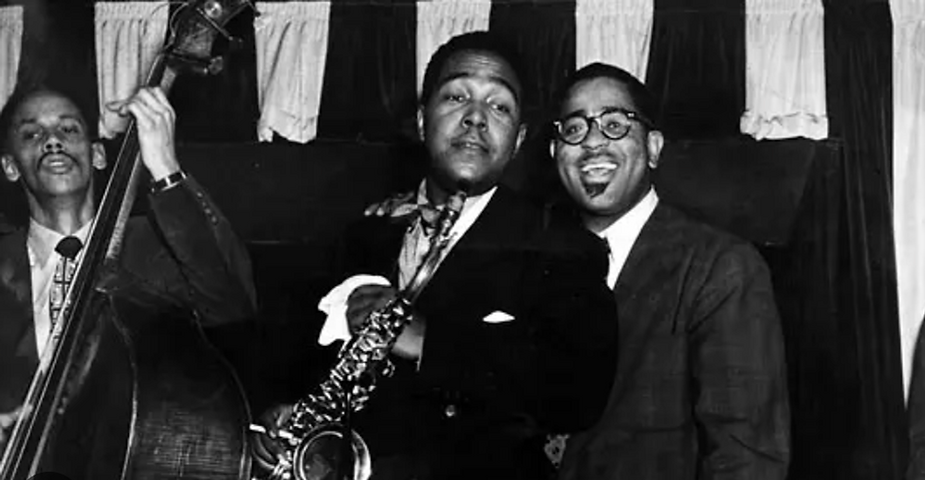
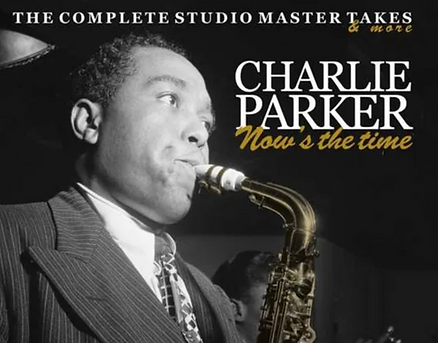
Parker's approach to improvisation and phrasing seeped into rock and blues:
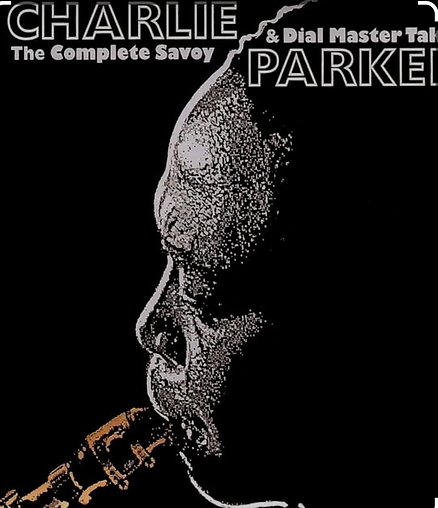
The rhythmic complexity and improvisational nature of bebop found a home in hip-hop:
Charlie Parker didn’t just change jazz—he changed how musicians think about improvisation, phrasing, and rhythm. Whether it’s in a Kendrick Lamar verse, a John Mayer guitar solo, or a Kamasi Washington saxophone riff, Bird’s influence still soars through music today.
-fotor-bg-remover-20251210165637.webp)


