-fotor-bg-remover-20251211141935.webp)
-fotor-bg-remover-20251211143525.webp)
Aaron McGruder’s journey from humble beginnings to the creation of The Boondocks is a story of artistic passion, cultural awareness, and a fearless drive to challenge societal norms through satire.
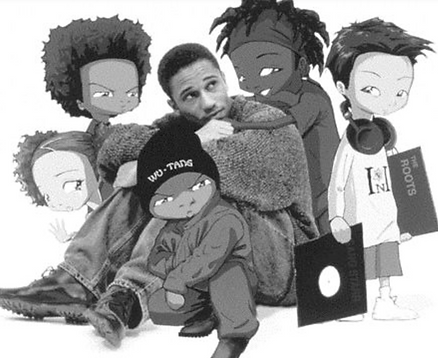
Aaron McGruder was born on May 29, 1974, in Chicago, Illinois, but his family later moved to Columbia, Maryland. Growing up in a predominantly white suburban environment while being deeply connected to Black culture gave him a dual perspective that would later shape his work.
As a child, he was an avid fan of comics, cartoons, and hip-hop, drawing early inspiration from artists like Bill Watterson (Calvin and Hobbes) and Berke Breathed (Bloom County).
Despite his love for art, McGruder didn’t immediately pursue cartooning professionally. He attended the University of Maryland, where he majored in African American Studies. It was during college that his sharp wit, radical political awareness, and love for comics fused into something groundbreaking.
While at the University of Maryland, McGruder worked at the campus newspaper, The Diamondback, where he created The Boondocks as a comic strip.
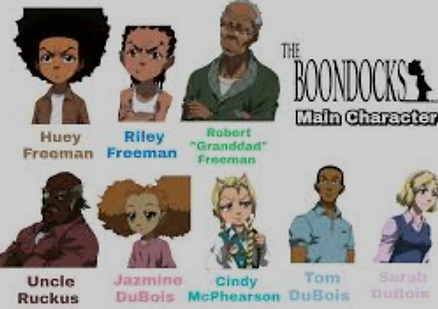
The idea was simple yet powerful: a satirical comic following the lives of Huey and Riley Freeman, two Black kids from Chicago who move to the suburbs to live with their grandfather.
Through their eyes, McGruder explored themes of race, politics, hip-hop, and American culture with an unapologetic, often controversial edge.
The inspiration for The Boondocks came from McGruder’s own experiences growing up in the suburbs, his frustrations with mainstream media’s portrayal of Black life, and his admiration for revolutionary thinkers like Malcolm X and Huey Newton.
The character of Huey Freeman, in particular, was a direct reflection of McGruder’s own political consciousness—named after Huey Newton, the co-founder of the Black Panther Party. Riley, on the other hand, embodied the influence of hip-hop and street culture.
As The Boondocks gained popularity at The Diamondback, McGruder saw its potential beyond college. He pitched the strip to major syndicates, and in 1999, it was picked up by Universal Press Syndicate.
It quickly became one of the most talked-about comic strips in the country, running in over 300 newspapers at its peak. Its bold, unfiltered take on issues like racism, capitalism, and American imperialism set it apart from any other mainstream comic at the time.
McGruder never shied away from controversy, frequently pushing boundaries. Some newspapers refused to run certain strips, and he regularly clashed with editors over his political stances. Despite this, The Boondocks was an undeniable success, leading to a book deal and eventually the animated series.
In 2005, The Boondocks debuted as an animated series on Adult Swim. With McGruder as creator and head writer, the show took the satire to another level, using animation as a vehicle to tell bolder and more nuanced stories about race, politics, and Black identity.
The show tackled everything from R. Kelly’s trial and BET’s influence on Black culture to the election of Barack Obama and the impact of social media.
The show ran for four seasons, though McGruder left before the fourth due to creative differences with Sony. His absence was felt, and the fourth season was widely criticized for lacking the sharp wit and political depth of the previous ones.
McGruder remains a cultural icon for his work on The Boondocks, inspiring generations of artists, writers, and thinkers to challenge the status quo.
His legacy is one of fearlessness—using humor as a weapon to speak truth to power. Even years after The Boondocks ended, its influence can still be seen in modern satire, hip-hop culture, and the ongoing discussions about race and media representation.
Though he has largely stepped away from the public eye in recent years, McGruder’s impact is undeniable. His work paved the way for more politically conscious Black storytelling in mainstream entertainment, proving that comedy can be a powerful force for change.
Between 2005 and 2010, The Boondocks transitioned from a celebrated comic strip to one of the most culturally significant and controversial animated series of the 21st century.
Aaron McGruder, now a household name, pushed the boundaries of satire, race commentary, and political critique through animation—cementing his status as a fearless creator.
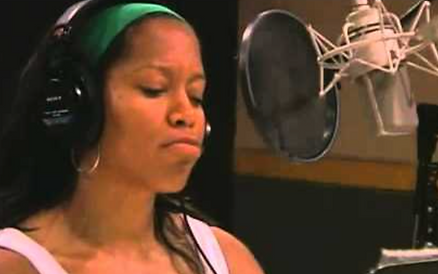
After years of developing The Boondocks comic strip, McGruder struck a deal with Sony Pictures Television and Adult Swim to bring the story to life as an animated series. The show premiered on November 6, 2005, introducing audiences to Huey and Riley Freeman (voiced by Regina King) and their grandfather, Robert “Granddad” Freeman (voiced by John Witherspoon).
Unlike the newspaper strip, which had to abide by editorial restrictions, the animated series had far fewer limitations. This gave McGruder the freedom to push his biting social commentary further than ever before. The show tackled race relations, hip-hop culture, media propaganda, and political hypocrisy with an unfiltered and often shocking approach.
Key episodes from Season 1 (2005–2006) included:
Despite being polarizing, The Boondocks was a hit. Critics praised its boldness, and fans embraced its ability to tackle difficult conversations in a way no other show had. McGruder and his team began working on the second season, which premiered in 2007.
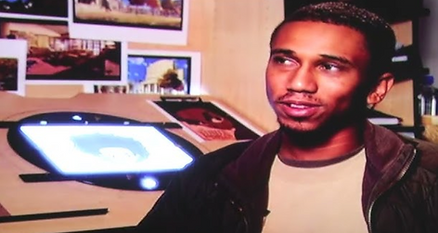
Season 2 (2007–2008) raised the stakes, delivering some of the show’s most iconic moments, such as:
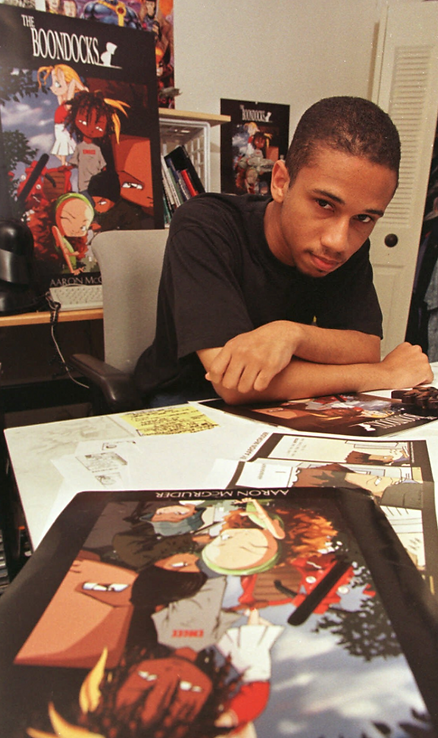
Despite the show’s massive success, McGruder was growing increasingly frustrated with the constraints of working in television. His perfectionist tendencies, clashes with executives, and desire to maintain full creative control led to lengthy production delays.
The election of Barack Obama in 2008 was a defining moment in American history—and The Boondocks didn’t shy away from addressing it. McGruder, who had always been skeptical of mainstream politicians, refused to glorify Obama as many media outlets did.
While fans expected The Boondocks to celebrate the election of the first Black president, McGruder took a more critical stance. In interviews, he argued that Obama’s presidency was more symbolic than revolutionary, calling it “progress, but not change.” This perspective would later influence Season 3 of The Boondocks.
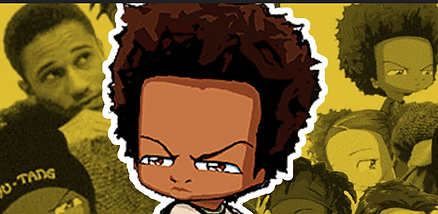
After a two-year break, The Boondocks Season 3 premiered in May 2010. By this time, the show had a cult following, and fans eagerly awaited its return.

Season 3 delivered some of the most talked-about episodes, including:
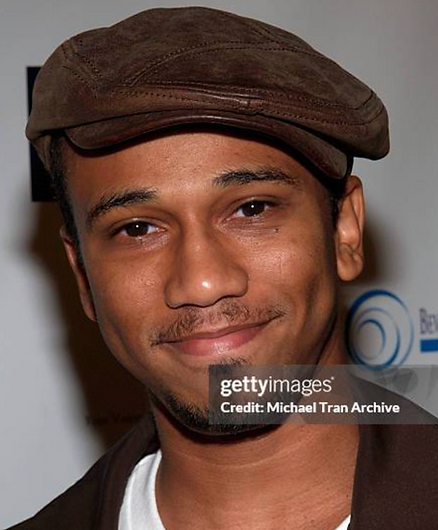
By 2010, it was clear that McGruder was becoming frustrated with the entertainment industry. The long production cycles, network interference, and pressure to appeal to mainstream audiences took a toll on him.
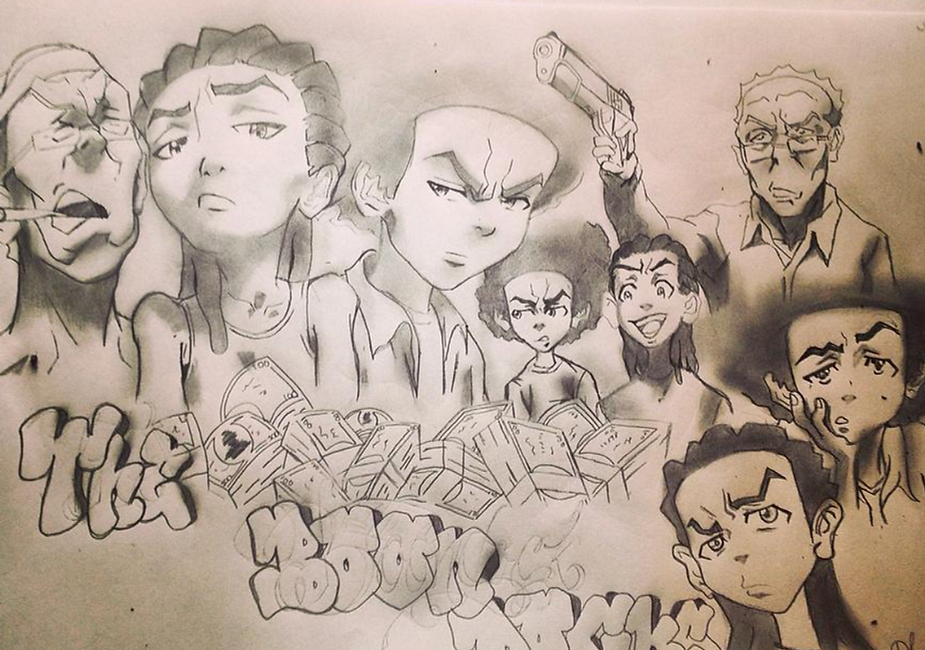
While The Boondocks was critically acclaimed, its controversial nature meant it constantly faced scrutiny.
During this time, McGruder began exploring other projects outside of television, including an attempted Boondocks movie (which never materialized) and writing Black Jesus, a live-action comedy that would eventually air in 2014.

Season 3 concluded in August 2010, and for a long time, it seemed like The Boondocks had ended for good. Fans were left wondering if McGruder would return for a fourth season.

However, behind the scenes, tensions were growing between McGruder and Sony.
McGruder had always been fiercely independent, and as The Boondocks became more mainstream, he struggled with maintaining full creative control.
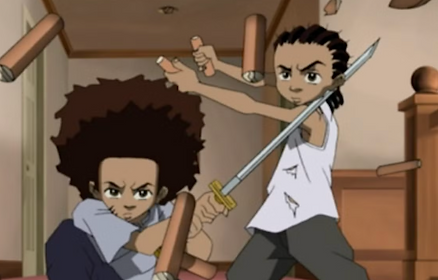
While the show was still widely popular, the stress of working in television—and McGruder’s desire to move on to new ventures—signaled the beginning of the end of his involvement with The Boondocks.
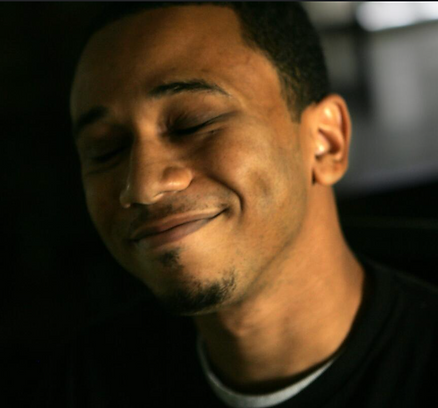
This five-year period marked the peak of The Boondocks’ influence. The show became a cultural phenomenon, shaping conversations about race, politics, and Black identity in ways no other animated series had before. McGruder’s ability to mix comedy with sharp political critique made The Boondocks one of the most important satirical works of its time.
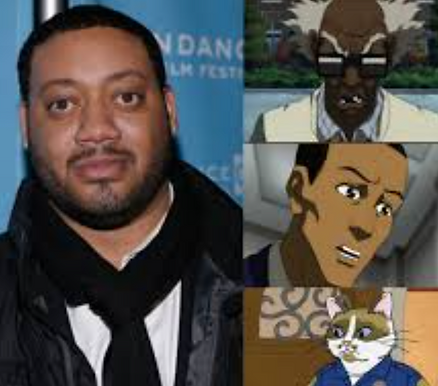
Even after 2010, its impact continued to be felt. Though The Boondocks would return for a fourth season in 2014, it did so without McGruder—something that fans immediately noticed. The absence of his voice led to a season widely regarded as the weakest, proving that The Boondocks was nothing without its fearless creator.
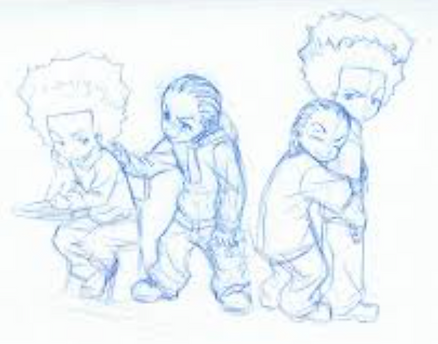
The Boondocks came to an official end in 2014, but the real turning point happened in 2013 when Aaron McGruder stepped away from the show entirely. Several factors contributed to this decision:

From the beginning, McGruder was a perfectionist who wanted full control over his work. However, as The Boondocks grew in popularity, there was increasing pressure from network executives to cater to mainstream audiences. This led to conflicts between McGruder and Sony Pictures Television, which owned the show.
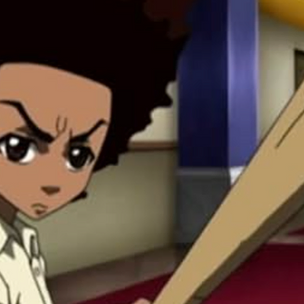
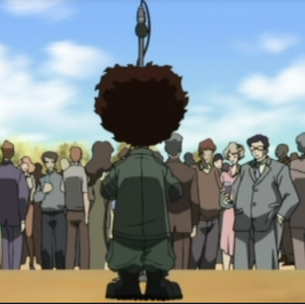
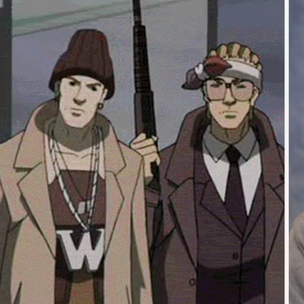
By the time Season 3 aired in 2010, McGruder had already grown frustrated with the industry, describing TV production as a difficult process with long delays and compromises. His vision for the show was raw, political, and often controversial—elements that networks weren’t always comfortable with.

Unlike many other animated shows, The Boondocks had significant gaps between seasons because of McGruder’s meticulous attention to detail. Season 3, for example, took two years to develop after Season 2. This extended production cycle was draining, and by the end of Season 3, McGruder was reportedly exhausted.
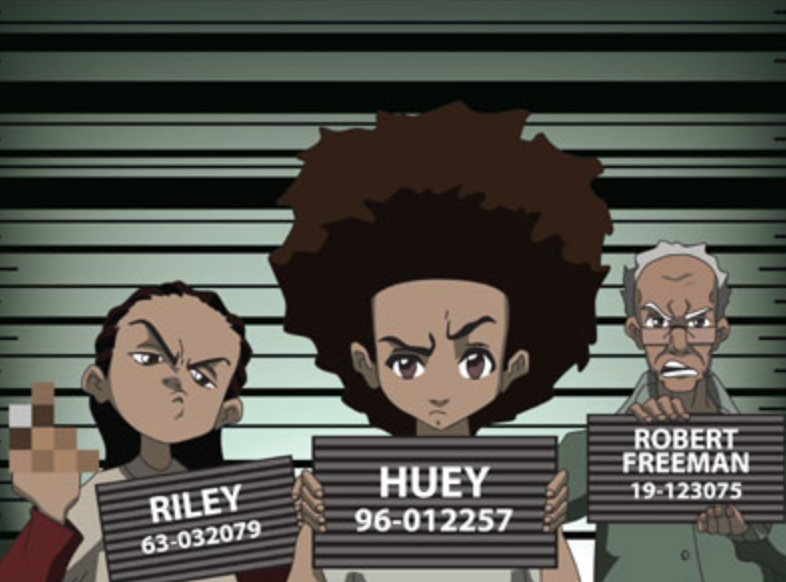
By 2013, Sony decided to move forward with Season 4 without McGruder, citing “production deadlines” as the reason. McGruder himself later revealed that he was essentially pushed out, stating:
"The Boondocks was and will always be a labor of love. As the world now knows, the show will be returning for a fourth season, but I will not be returning with it. To quote ‘Huey Freeman’: ‘As a glass-half-empty kind of guy, I won’t lie. I won’t pretend this is a good thing.’"
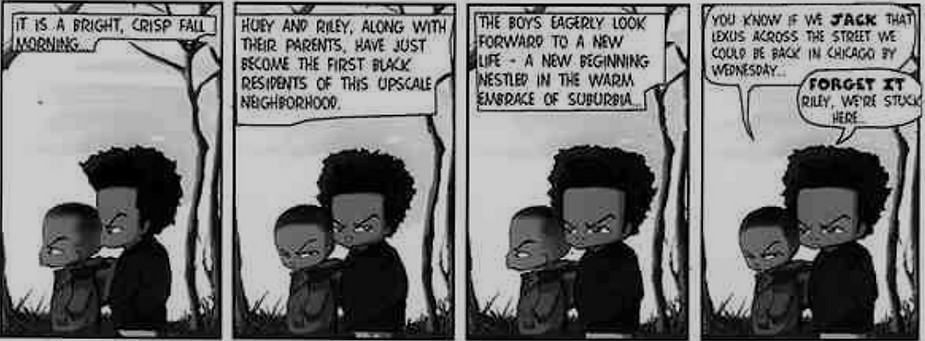
With McGruder gone, Season 4 (which aired in 2014) was heavily criticized. Fans noticed that the show had lost its edge—its biting satire was watered down, and the writing lacked the depth and sharpness of the first three seasons. It became clear that McGruder was the heart and soul of The Boondocks, and without him, the show simply didn’t work.
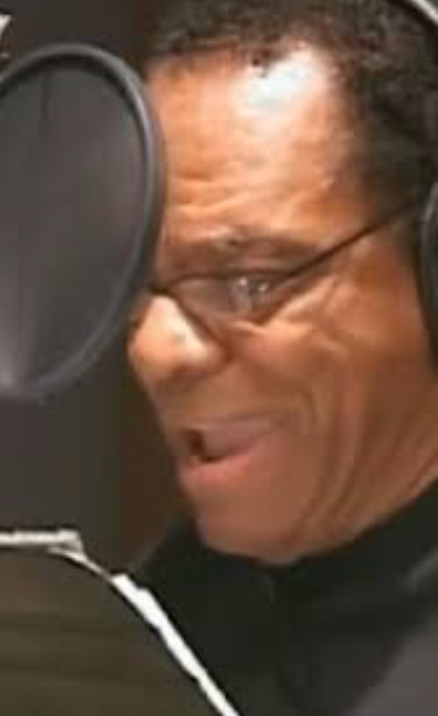
After the lackluster response to Season 4, Sony never attempted another season, effectively ending The Boondocks in 2014.
Despite its controversial nature, The Boondocks is regarded as one of the most influential animated series of all time. It pushed the boundaries of satire, addressing issues that mainstream media often ignored or sugarcoated.
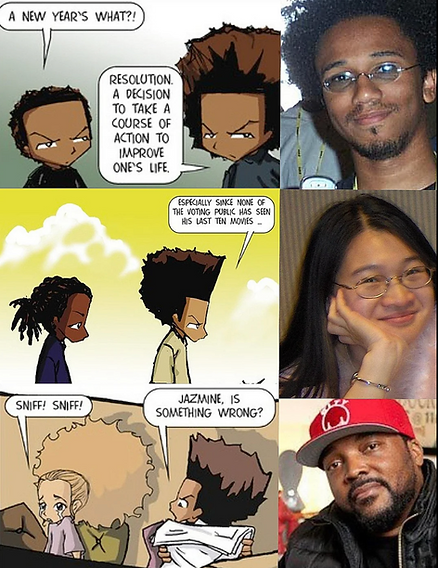
The Boondocks was ahead of its time in tackling police brutality, systemic racism, the hypocrisy of the media, and the dangers of blind celebrity worship. Episodes like "The Trial of R. Kelly" and "The Return of the King" are still relevant today, proving that McGruder was speaking on issues that remain unresolved.
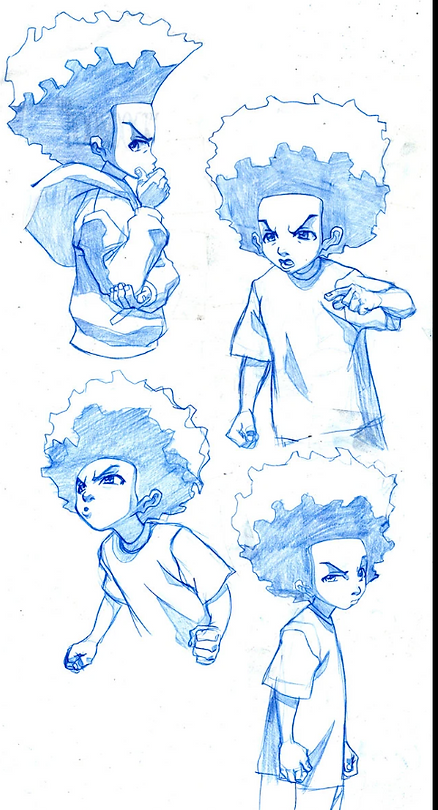
McGruder paved the way for future Black-led animated series, such as Black Dynamite (2011) and The Proud Family: Louder and Prouder (2022). His unapologetic approach to race and politics also influenced modern satirical commentary in hip-hop, comedy, and even social media.
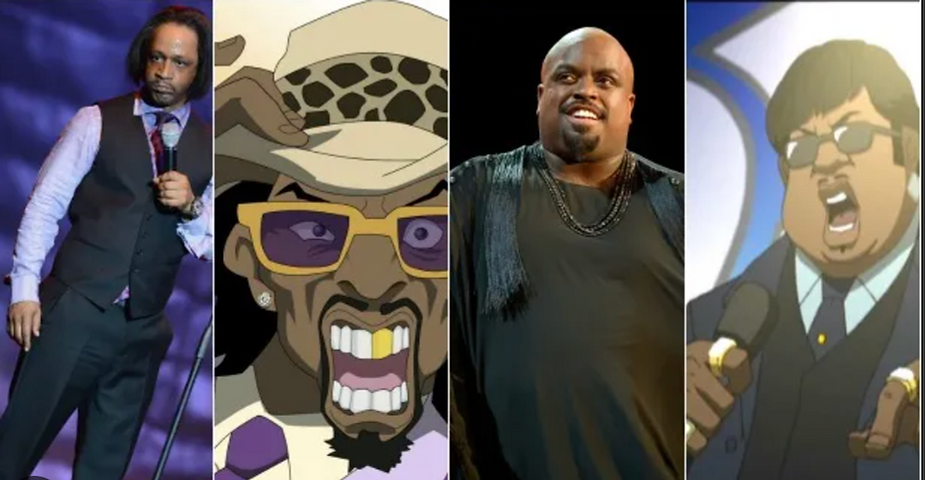
In 2019, HBO Max announced a Boondocks reboot, with McGruder returning as showrunner. The reboot was supposed to feature a fresh take on modern-day issues, with The Boondocks' signature humor adapted for a new generation.
However, despite initial excitement, the project stalled, and in early 2022, it was confirmed that the reboot had been canceled due to production issues and legal complications with Sony. This officially marked the end of The Boondocks franchise.
After leaving The Boondocks, McGruder worked on several projects, though none reached the same cultural impact.
McGruder created and executive-produced Black Jesus, a live-action comedy that aired on Adult Swim. The show followed a modern-day Jesus living in Compton, California, spreading love and wisdom while dealing with the struggles of urban life. It was controversial (as expected), but it had a cult following.
In 2019, McGruder announced he was working on a dystopian, satirical show called Hooligan Squad for Amazon Studios. It was set in a near-future America, dealing with themes of government control and resistance. However, the project never made it to release, and there have been no updates since.
In 2019, McGruder briefly returned to The Boondocks comic strip for a limited run on Charlamagne tha God’s Instagram. These strips tackled Trump’s presidency and police brutality in McGruder’s classic style, proving that he still had his signature edge.
Aaron McGruder has largely stayed out of the public eye in recent years. He has not announced any major projects since Black Jesus, and with the cancellation of The Boondocks reboot, his future in entertainment remains uncertain.
However, his legacy is undeniable—he revolutionized Black animation, pushed the boundaries of satire, and created a show that remains as relevant today as it was in the early 2000s.
-fotor-bg-remover-20251210165637.webp)


